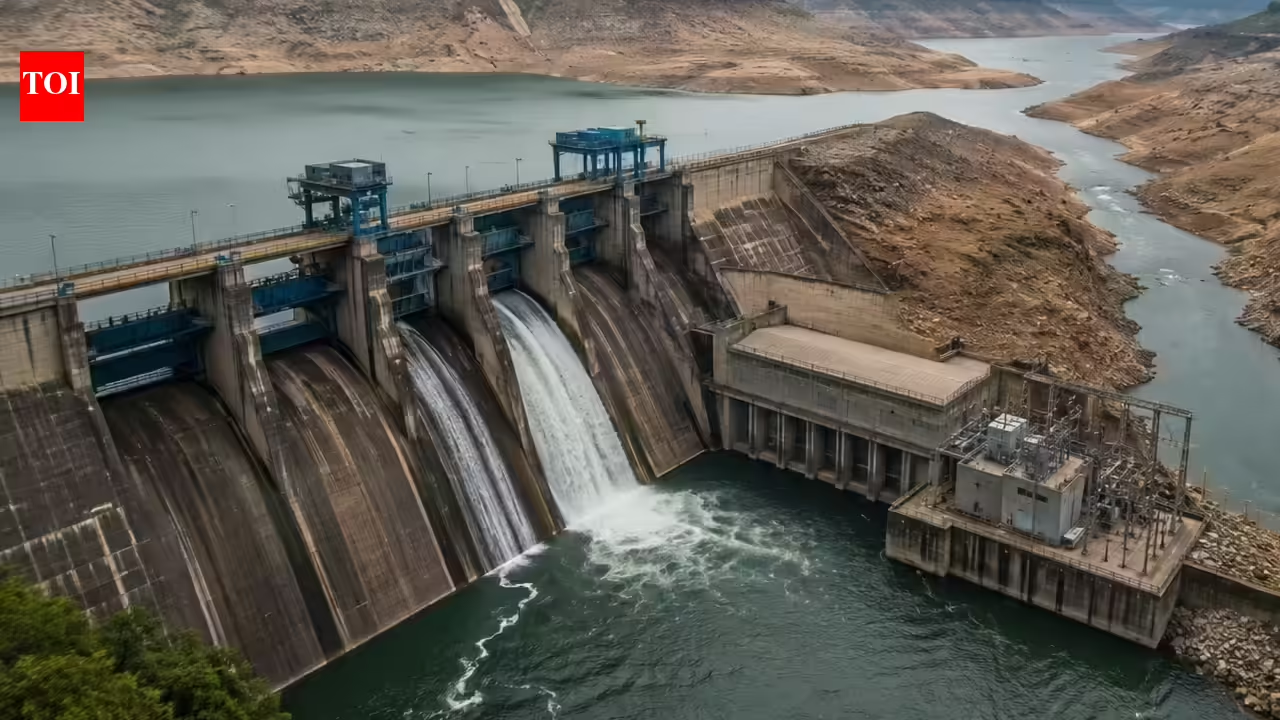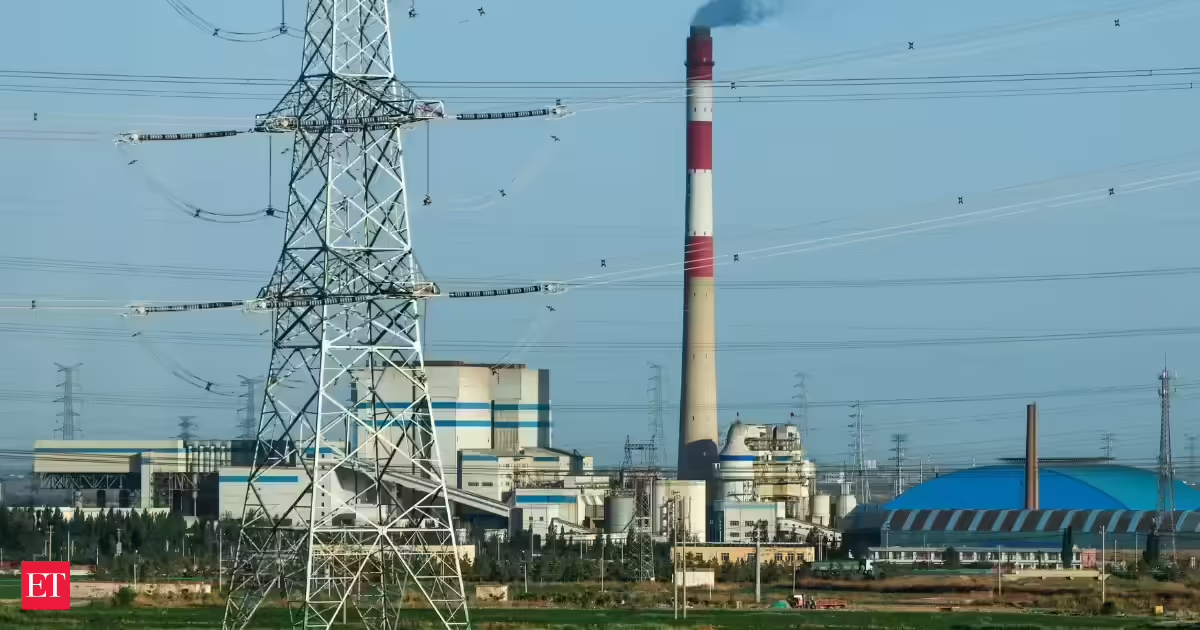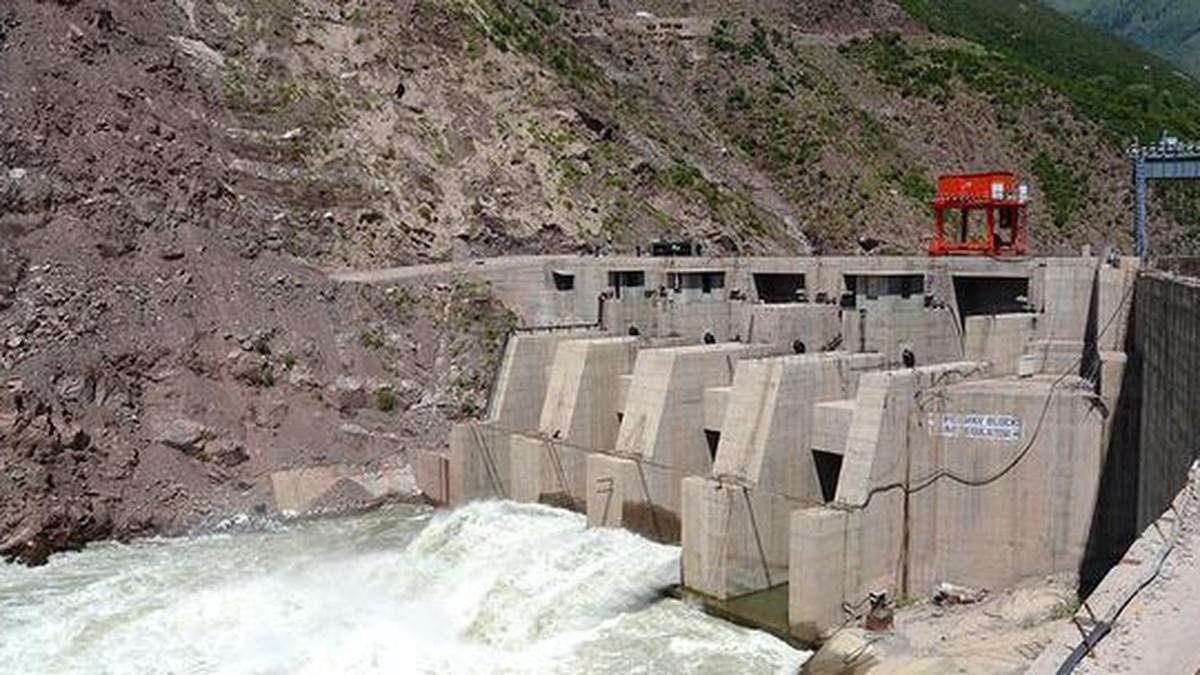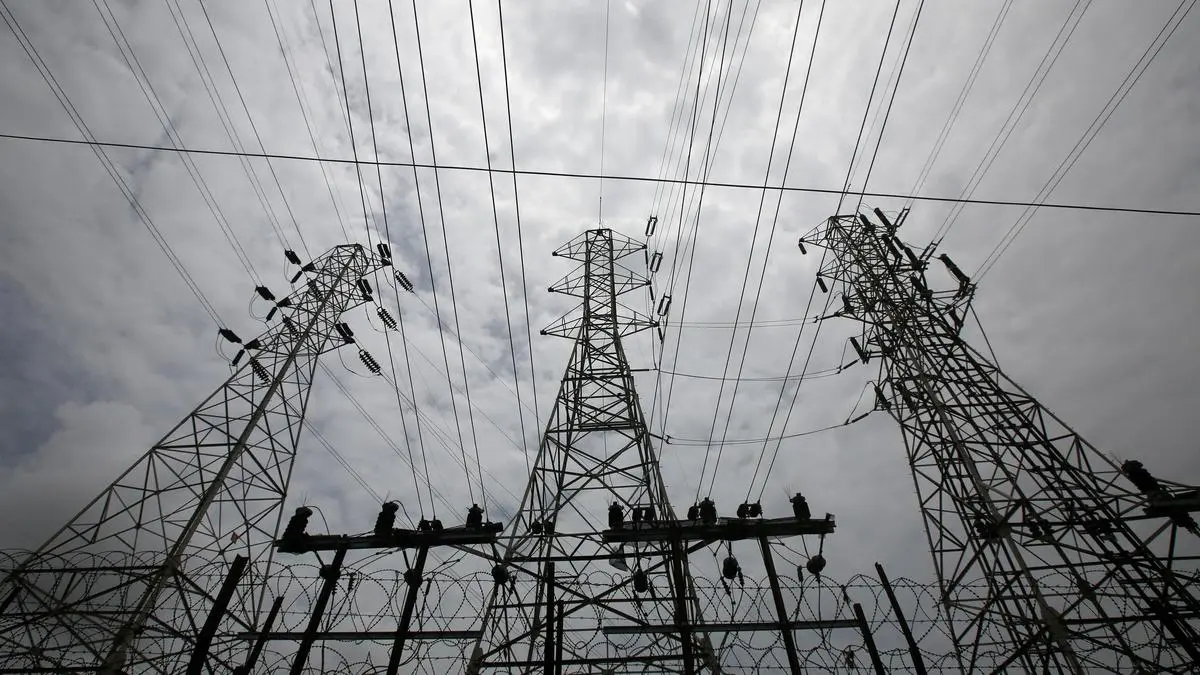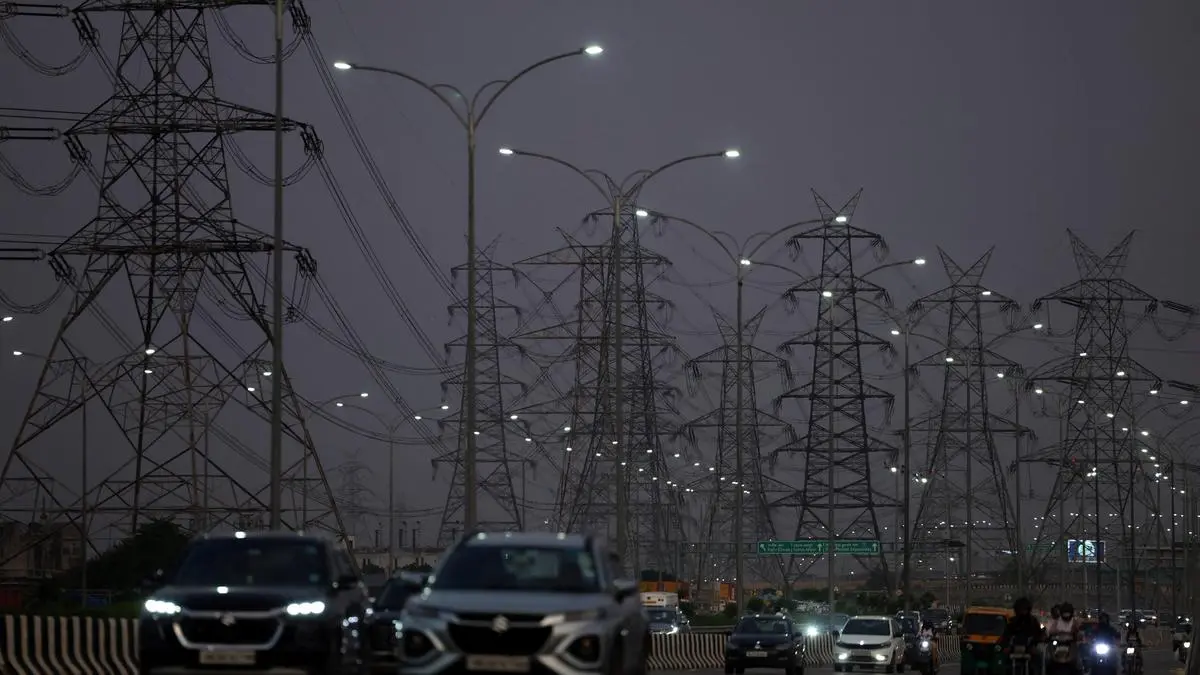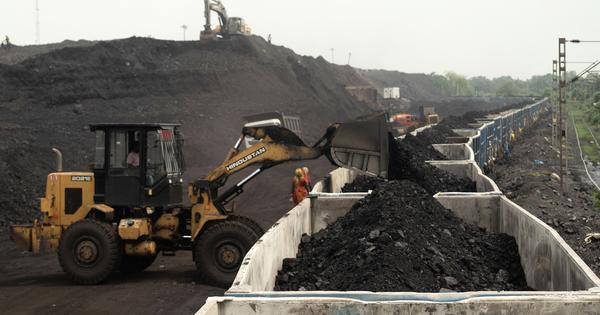
A deficient monsoon due to the El Nino effect coupled with high humidity is expected to push up coal-fired power generation to meet the rising electricity demand for cooling during the July to September this year.Sources said that power demand is likely to hit higher till September as rising humidity levels amidst deficient rainfall is forcing consumers to crank up cooling, pushing up electricity usage.“Taking cue from electricity consumption during January-June, it is felt that India will require more electricity, particularly coal-fired. First, low rains mean low hydro generation. Second, it also impacts wind power, which usually hits a high during monsoon. To add to this, more cooling due to high humidity and demand from farm sector for kharif sowing,” explained one of the sources.Demand growsFor instance, during January-March, energy and peak demand grew by 12 per cent y-o-y and 9 per cent y-o-y, respectively, said JM Financial in a recent commentary, adding that peak demand of 270 GW was forecasted in June versus actual on May 21, 2026. “As we enter super El Nino mid-July onwards, peak demand could touch 280–290 GW, which was originally projected for FY29,” the brokerage anticipated.Manoj Kumar, Analyst at the Finland-based Centre for Research on Energy and Clean Air (CREA), said India faces a double challenge.“Not only will falling winds and rainfall associated with El Nino cut India’s power generation from turbines and hydropower, but warmer temperatures will also drive-up demand for power-hungry air conditioning. Additional cooling demand could total as much as 10 terawatt hour (TWh) within a year, the equivalent of a quarter of Delhi’s annual electricity use,” he anticipated.He pointed out that combining the lost output from renewables and the increased demand for power, India could face a generation gap of nearly 18 TWh.“Currently, the most likely outcome is a surge in coal-fired power, which would release an estimated 17 million tonnes of CO2. In the most severe scenario, the extra coal generation reaches 24 TWh, roughly half of India’s entire increase in coal burn last year,” Kumar anticipated.RE capacityAnalysts have also pointed out that even as India is adding record renewables capacity, the pressure on thermal power plants is increasing.JM Financial in a June 9 commentary pointed out that coal remains the backbone of the system, contributing 76 per cent, 70 per cent, and 75 per cent of total energy in 2024, 2025 and 2026, respectively.On May 21, 2026, when India’s peak power demand met during the day hit 270 GW, thermal coal’s monitored capacity was 230 GW, with 205 GW online generating 187 GW, implying a plant load factor (PLF) or capacity utilisation of 91 per cent. This compares with May 19, 2026, when 209 GW was online from the same monitored capacity, generating 187 GW at a PLF of 89 per cent, it added.“However, plants online were operating at over 90 per cent PLF, suggesting shrinking spare capacity and supply stress beyond 250 GW. Despite record renewable additions, coal generation on May 21 is the highest in three years. Furthermore, solar’s contribution during peak was 74 GW versus 64 GW in May 2024 (69 GW solar was added in FY24–26),” the brokerage said.Overall, Ankit Jain, ViP and Co-Group Head of Corporate Ratings at ICRA, recently said that power demand growth is expected to rebound in FY27, supported by expectations of peak summer, Super El-Nino impact, a lower base and continued momentum in industrial and commercial activities. However, the growth will remain contingent upon any unforeseen weather-related events.Similarly, Crisil Intelligence expects power demand to increase 6-7 per cent Y-o-Y in FY27 to 1,810-1,830 BU, driven by higher temperatures and lower rainfall due to the expected El-Nino effect from July 2026, resulting in a rise in cooling demand.Published on July 6, 2026
El Nino effect: Low rainfall, high humidity to push up coal-fired power generation in July-September
El Niño's impact leads to low rainfall and high humidity, boosting India's coal-fired power generation amid rising electricity demand.
622 words~3 min read