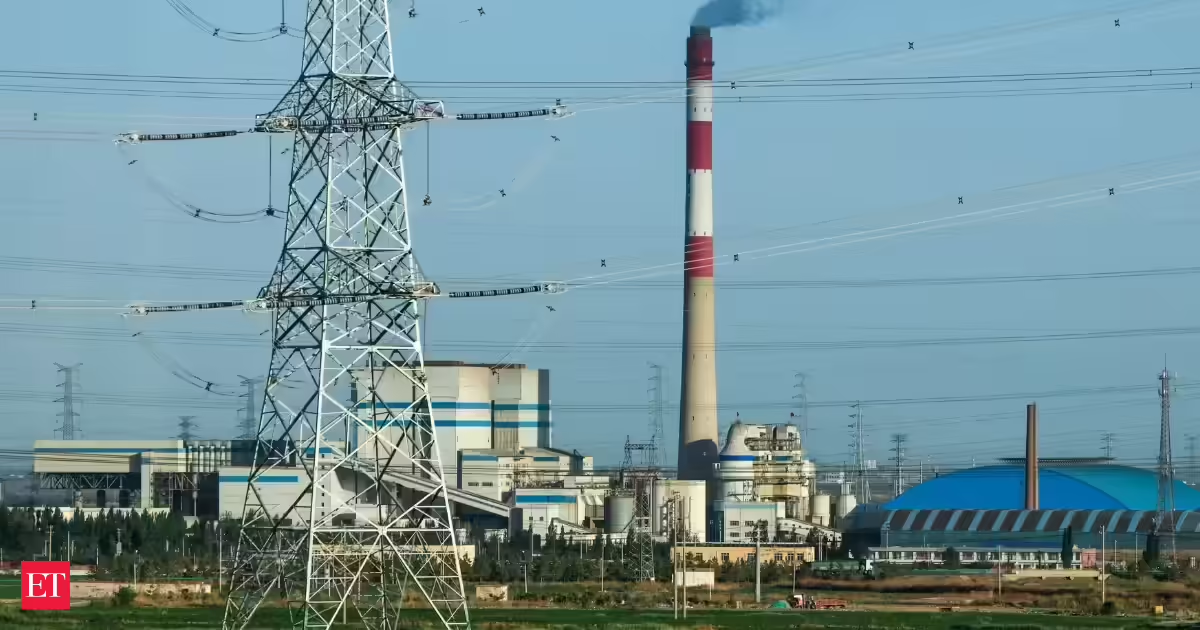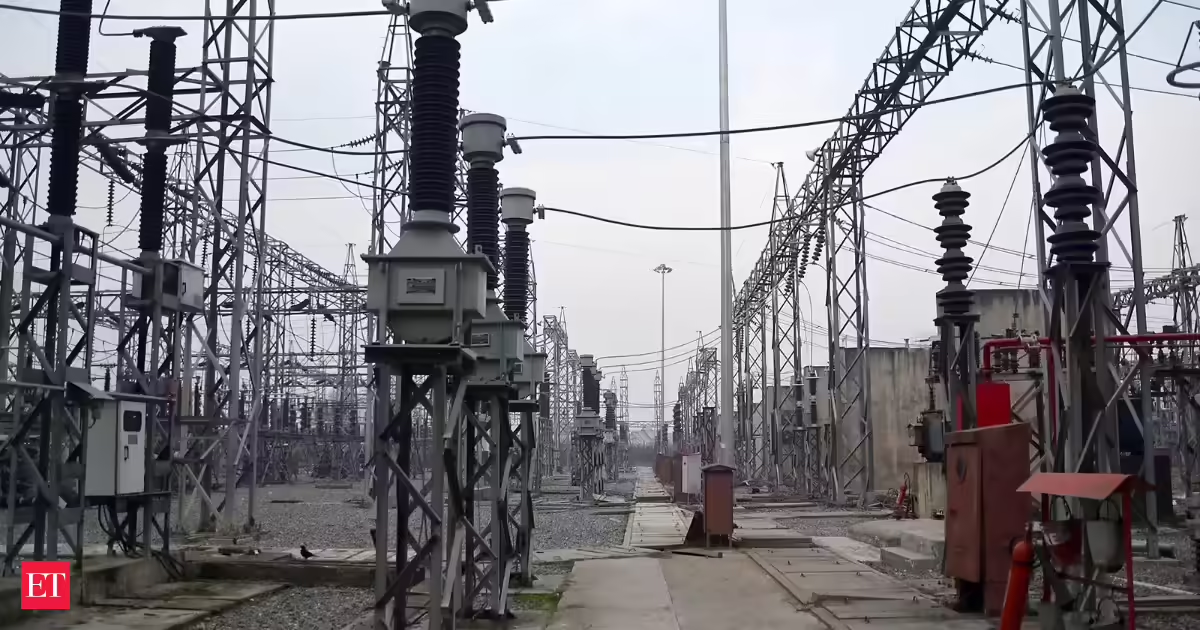
India's coal-powered electricity generation last month surged by 14% on the year to 120.20 billion kWh as drier, hotter weather prompted a significant increase in demand.Reuters noted in a report on the news that this is the highest portion of coal-fired generation since November 2023. Wind and solar, meanwhile, also rose as percentage of India's electricity mix, to 19% of the total in June, according to data from the country's grid operator. On an annual basis, wind and solar rose by 23%, the data also showed.Coal power generation is expected to remain strong this year even though India is adding new wind and solar capacity to diversify away from hydrocarbons, because drier weather brought by El Nino has led to a drop in hydropower generation, one analyst from credit ratings agency ICRA told Reuters. In June, hydropower generation fell by 24.4% on the year.Gas generation also fell, even more substantially, by 30.1%, likely because prices for the commodity remained elevated due to the Middle East war. Japan also reduced its gas-fired generation last month, boosting coal generation instead.Earlier this year, forecasters said India could see its coal demand surge by 11.5% in the second quarter of the year as it coincides with peak cooling demand season in the country. Demand from coal-fired power plants was expected to hit 233 million tons, while electricity generation at these plants was forecast to jump by 13.3% over the second quarter. India was expected to see peak summer demand of 270 gigawatts (GW) this year, which would beat the previous record-high demand of 250 GW from May 2024.Over the longer term, demand for coal is also expected to remain robust. Indeed, a government-linked think tank said earlier this year India could see demand for coal double by 2050 under its current energy policies. In this scenario, long-term demand could more than double to 2.615 billion tons by 2050, up from 1.256 billion tons in 2025, the think tank's analysis found. If India keeps the current policies, coal demand will be higher even in 2070 compared to 2025 levels.By Irina Slav for Oilprice.comMore Top Reads From Oilprice.comRussia Ramps Up Pressure on Kyiv With Deadliest Strikes in MonthsTrump Targets California Again In SpaceX FeudCarney Backs B.C. Tanker Ban as Alberta Unveils Pipeline Plan
India Coal Power Generation Jumps 14% in June | OilPrice.com
India's coal-fired power generation jumped 14% in June to 120.20 billion kWh, the highest level since November 2023, as drought squeezed hydropower.
377 words~2 min read