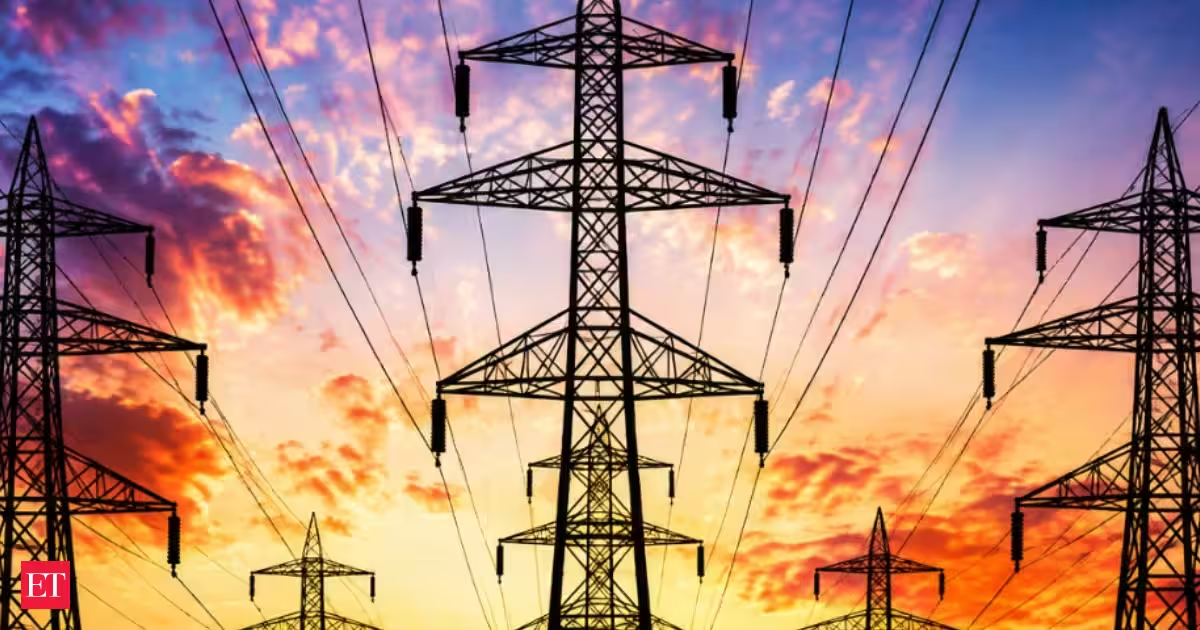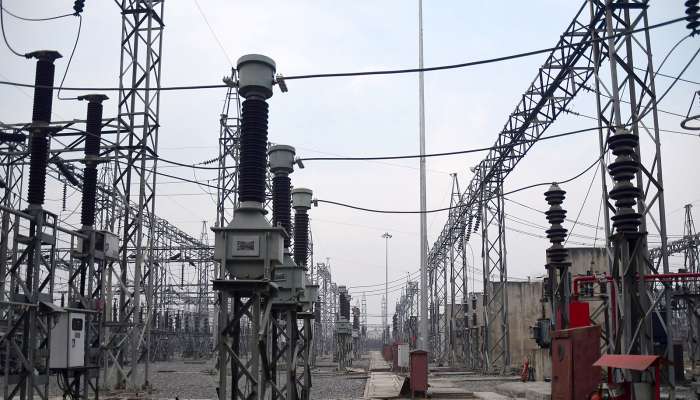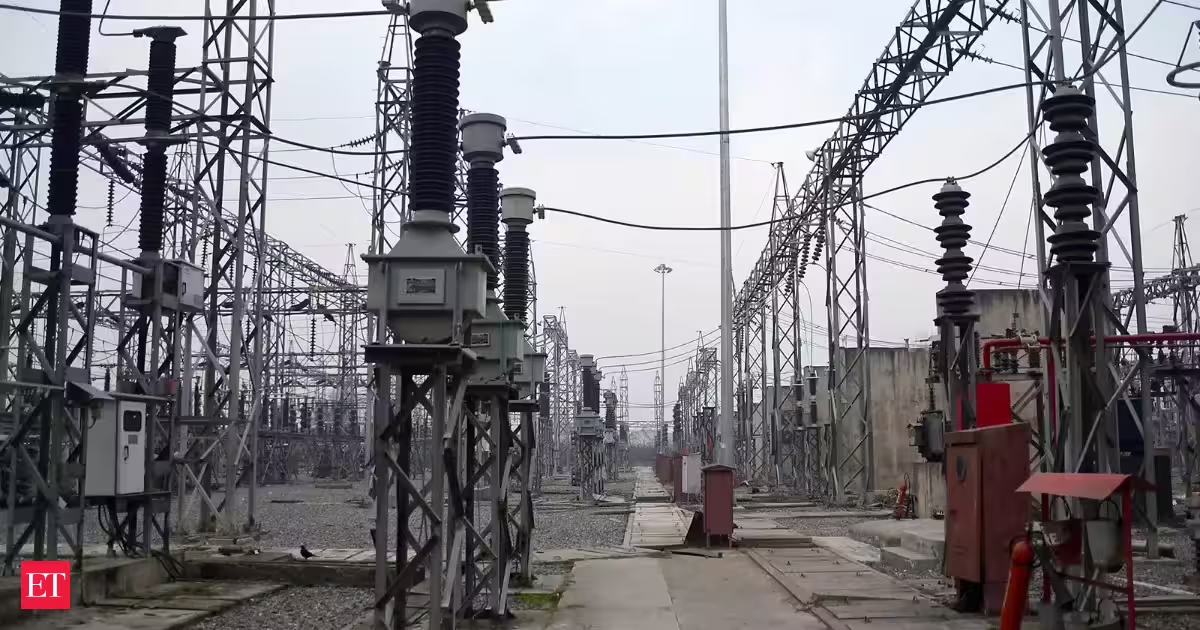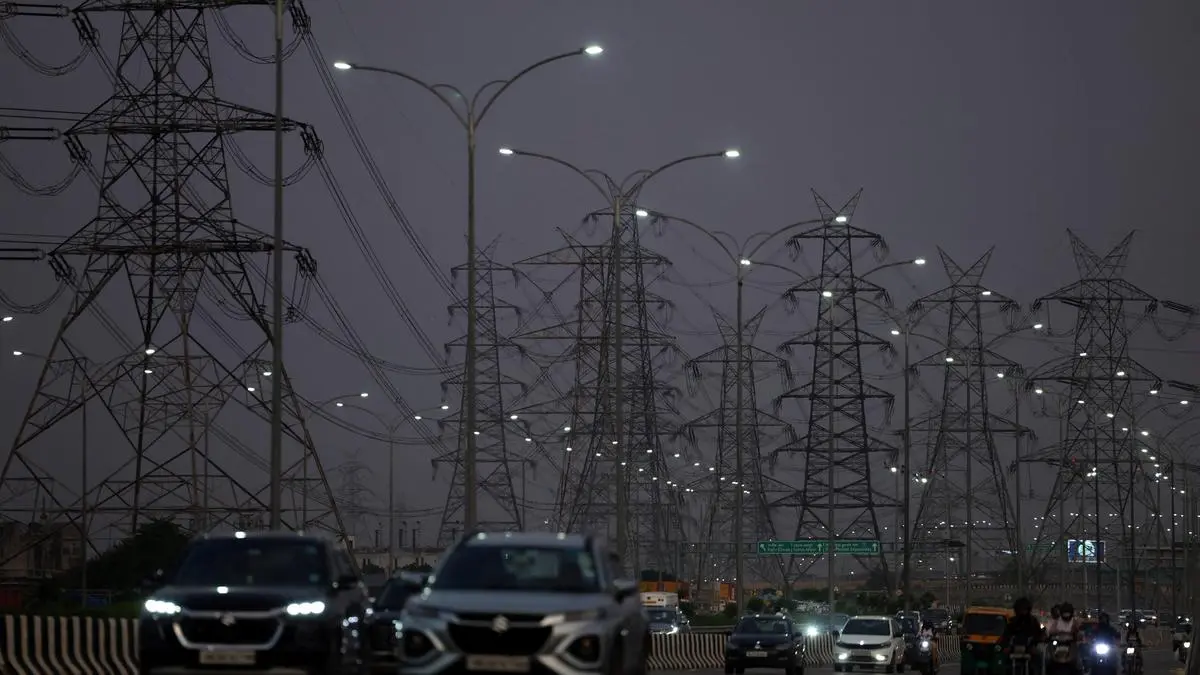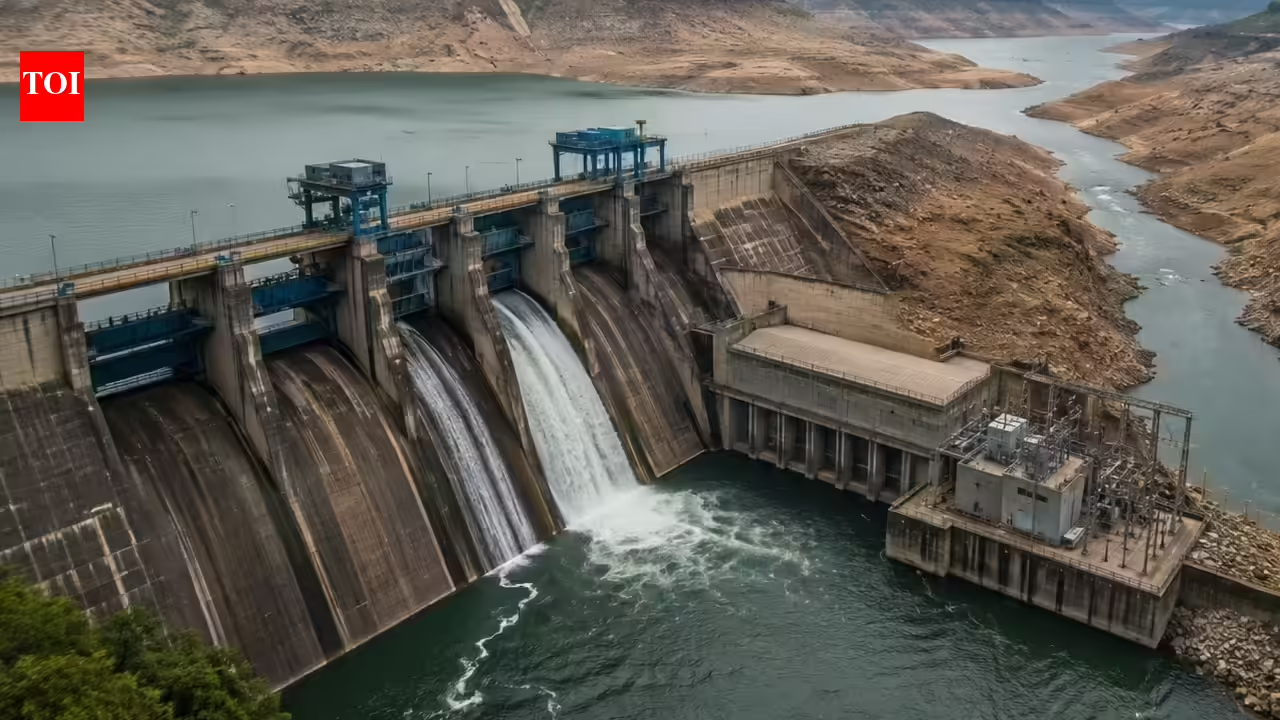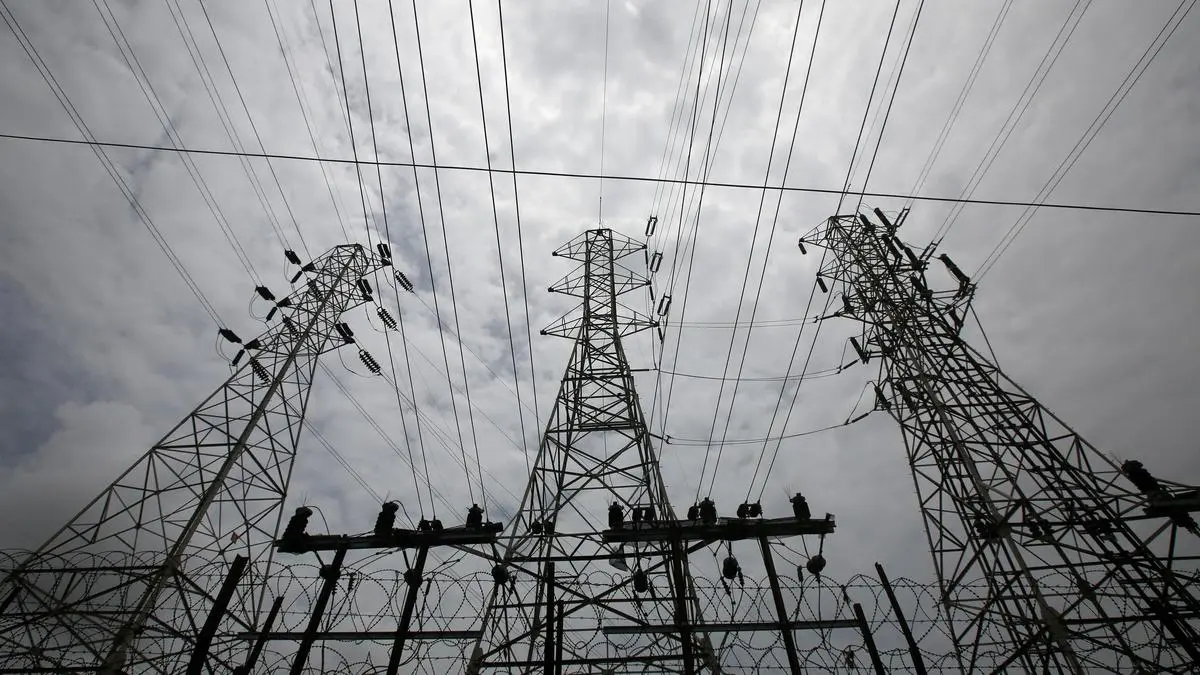
Historically, El Niño is associated with significant temporal and spatial variations in monsoon, which can influence electricity demand, hydro generation, wind power generation and overall power system reliability.
| Photo Credit:
REUTERS/SHAILESH ANDRADE
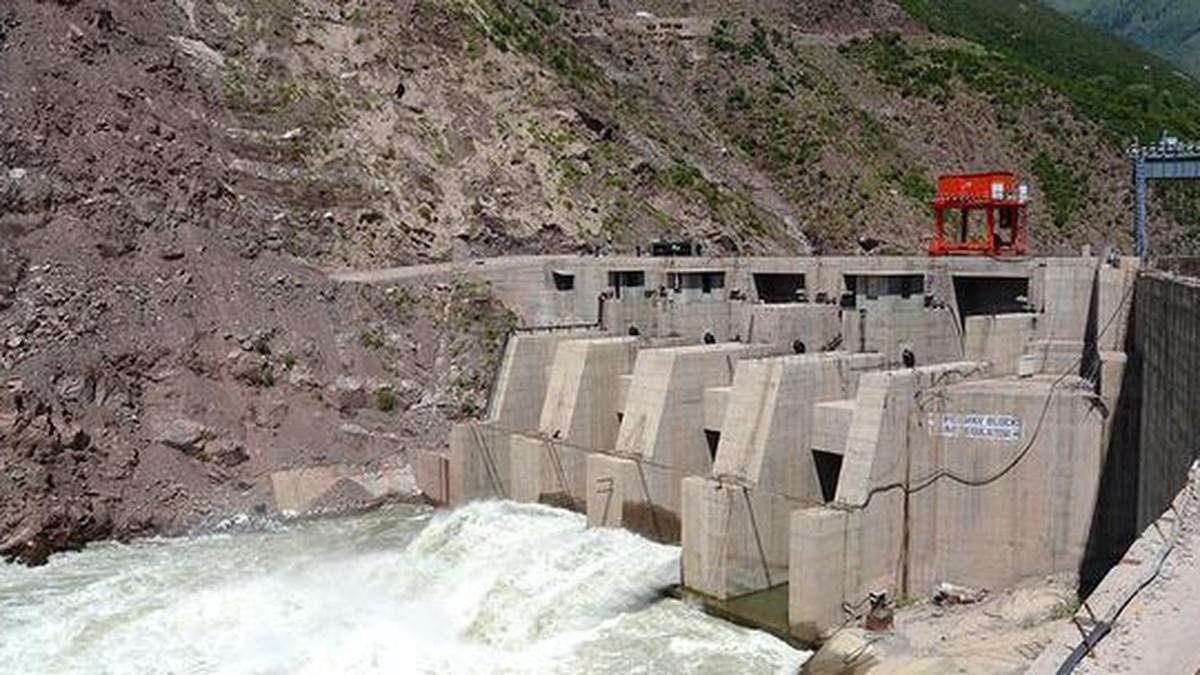
As El Niño continues to develop, with likely impact on climate during August to October 2026, the weather pattern is also expected to push up India’s peak power demand as high humidity and heat can lead to higher demand for cooling.Historically, El Niño is associated with significant temporal and spatial variations in monsoon, which can influence electricity demand, hydro generation, wind power generation and overall power system reliability.An official said that India’s electricity requirement grew significantly in view of the developing El Niño event. For instance, the overall rise in peak power demand was around 12 per cent year-on-year (y-o-y) in April-June 2026. “If it develops, as is being predicted, then an uptick in peak power demand is expected during August or September. Below-normal rains and high daytime & night-time temperatures will push up cooling demand,” the official added.The World Meteorological Organisation’s (WMO) on July 31 said that El Niño continues to intensify steadily and is expected to dominate global climate patterns in the August-October 2026 season.The Global Seasonal Climate Update predicts an overwhelming likelihood of above average temperatures across most land areas including the Indian subcontinent. WMO’s August–October 2026 rainfall outlook forecasts drier-than-normal conditions over several parts including the Indian subcontinent.El Niño effectCharles Worringham, Guest contributor for South Asia at the Institute for Energy Economics and Financial Analysis (IEEFA), noted that if the developing El Nino is as strong as some forecasts indicate, it is likely to increase the demand for cooling and also see more power used for irrigation to compensate for reduced rainfall. “Both hydropower and wind generation could be reduced, with solar largely unaffected, leaving the prospect of greater coal use than would otherwise be the case,” he told businessline.Wood Mckenzie also expects India to clock higher solar power generation during the spring season (2027) due to El Nino.On impact of the weather pattern on thermal and hydro generation, Worringham said that electricity from large hydro plants was low in May 2026 but it recovered in July, with values close to average during recent years. It is substantially higher than 2018, which recorded very poor numbers, he noted. Hydropower usually peaks in August or September before rapidly falling, but it’s buffered from short-term rainfall deficits by reservoir volumes, which take some time to diminish, he added. “The greater danger is a prolonged period of poor rain, which could put reservoirs and therefore hydro generation in a poor position leading up to next year’s peak hydro season,” Worringham warned. An offsetting factor this year has been the record-setting generation from the wind sector in July, surpassing 700 gigawatt (GW) per day at one point. Coal generation often drops to lower levels from July but this year it has remained high in the face off strong power demand, he pointed out.Fitch, in a July 14 commentary, said that India’s wind generation typically depends on monsoon wind conditions, which can be affected by El Niño. This could lead to lower generation at some wind projects, although the relationship has not been consistent across past episodes.Wet-bulb temperaturesOn the impact of wet-bulb temperatures on power demand in India, Worringham explained that if extreme heat occurs in coming months, the ever-increasing levels of air conditioning may draw record levels of power, and protect those able to afford it. “The major concern is for urban dwellers without such access, and large parts of rural India, with agricultural and other outdoor workers especially exposed. Recent reports of increasing humidity levels in India, especially in the Gangetic basin, are a particular concern,” he warned.El Niño conditions may contribute to above-normal temperatures and prolonged heat episodes, thereby increasing the risk of heat stress, heat exhaustion and heatstroke particularly among vulnerable populations such as elderly, pregnant women, children, persons with chronic diseases and outdoor workers.Published on August 10, 2026