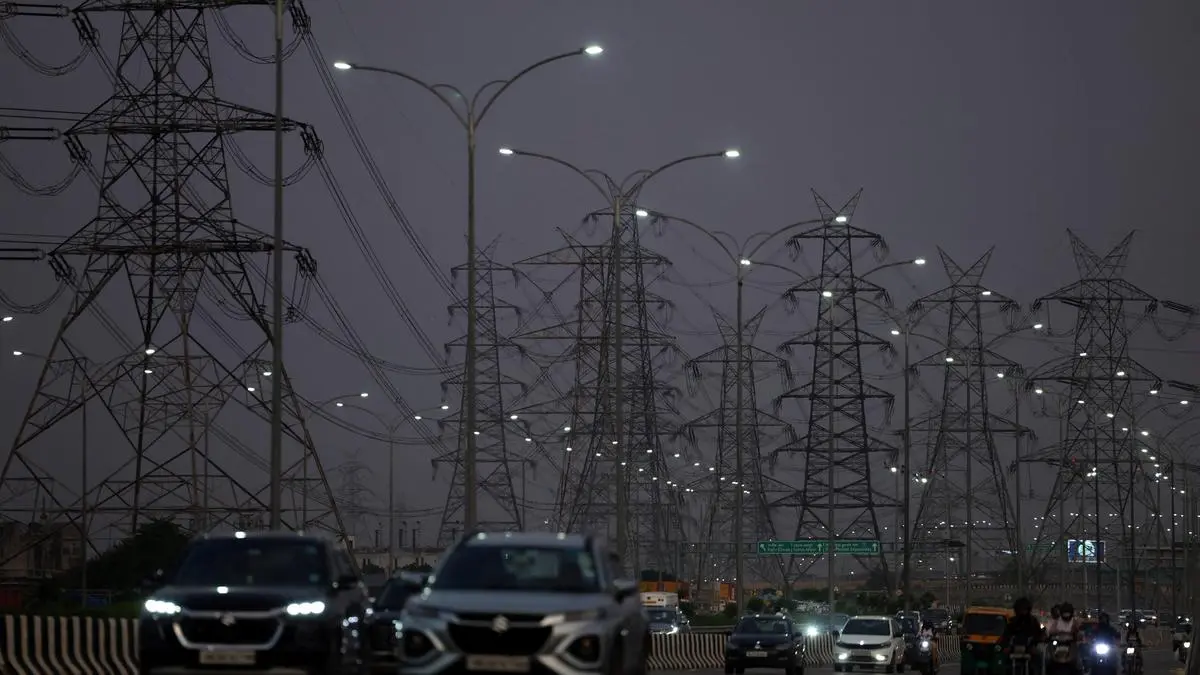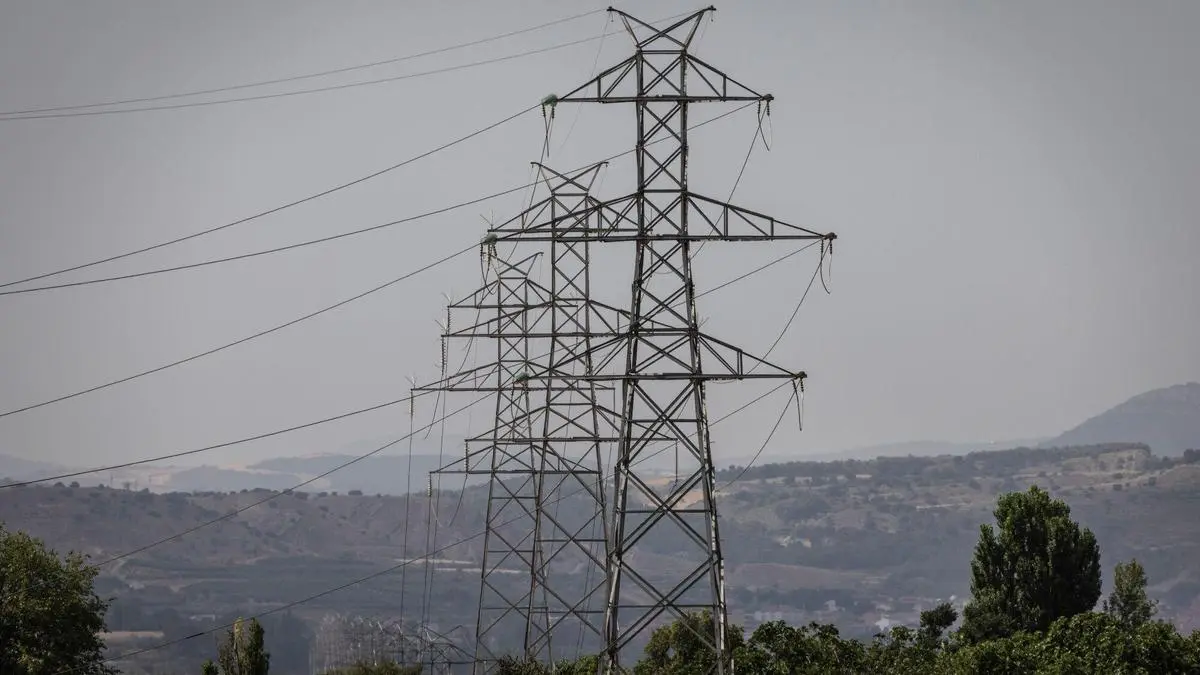
The delayed onset of the southwest monsoon across several regions supported demand by prolonging elevated temperatures and increasing cooling-related power consumption
| Photo Credit:
Angel Garcia
India’s electricity demand rose by almost 11 per cent (10.7 per cent) Y-o-Y during July 1-16, as delayed monsoon rains coupled with high humidity pushed up demand for cooling.The first 16 days of the current month experienced relatively high temperatures and surging humidity, coupled with subdued monsoons, which reflects in high peak power demand met levels.For instance, India’s peak power demand met during the day and night hit record levels on four consecutive days — July 13, July 14, July 15 and July 16.During these days, the solar hours (day) demand stood in the range of 270.20 gigawatt (GW) to 256.96 GW. Similarly, peak demand met during non-solar hours (night) was in the range of 251.14 GW to 249.42 GW.Peak demandIn fact, India achieved its second highest peak power demand met (daytime) on July 16 at 270.20 GW. The highest peak daytime demand met was at 270.82 GW recorded on May 21, 2026.Ankit Jain, VP and Co Group Head of Corporate Ratings at ICRA, said “Data from Grid Controller of India (GCIL) indicates that India’s electricity demand registered a Y-o-Y growth of 10.7 per cent during the first 16 days of July 2026 after an 11.6 per cent Y-o-Y growth in June.”The delayed onset of the southwest monsoon across several regions supported demand by prolonging elevated temperatures and increasing cooling-related power consumption, he explained.Jain pointed out that coal stocks of around 13 days as on July 18, are slightly lower than 14.3 days recorded at the end of June 2026.“Domestic coal production declined by 5.9 per cent Y-o-Y in 3M FY2027, largely due to lower output from Coal India. However, coal supply to the power sector increased marginally by 0.5 per cent Y-o-Y during the period as the plant load factor (PLF) for thermal projects rebounded in May and June 2026,” he added.Sustained recovery in coal production and supply remains important to maintain adequate buffer stock levels. While stock levels continue to remain below the normative requirement of 20 days, they are significantly higher than the levels witnessed in the past and provide comfort for meeting peak demand, he noted.Spot power tariffs on the Indian Energy Exchange (IEX) averaged ₹7 per unit as on July 16, 2026, compared to ₹5.2 per unit in June 2026 and ₹4.2 per unit in July 2025.“The increase was driven by a tighter supply-demand balance, as the delayed onset of monsoon prolonged summer conditions and supported higher cooling-related electricity demand and constrained hydro generation. While tariffs are expected to remain modest amid rising supply, particularly during solar hours, the trend in FY27 will depend on the balance between capacity additions and demand growth,” Jain said.Published on July 24, 2026