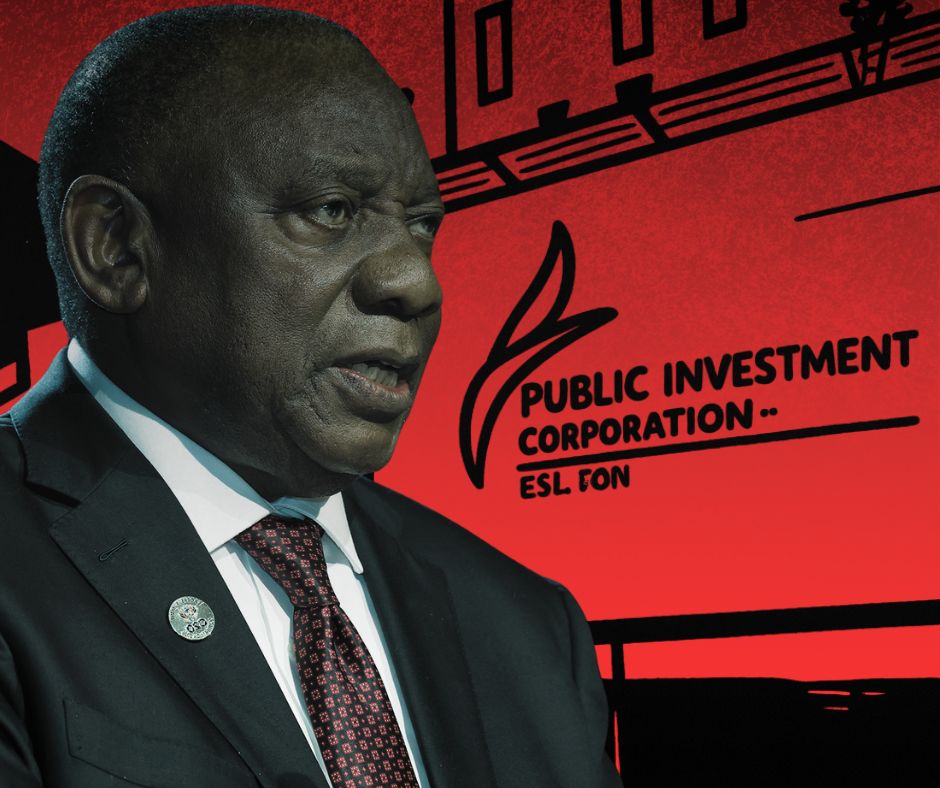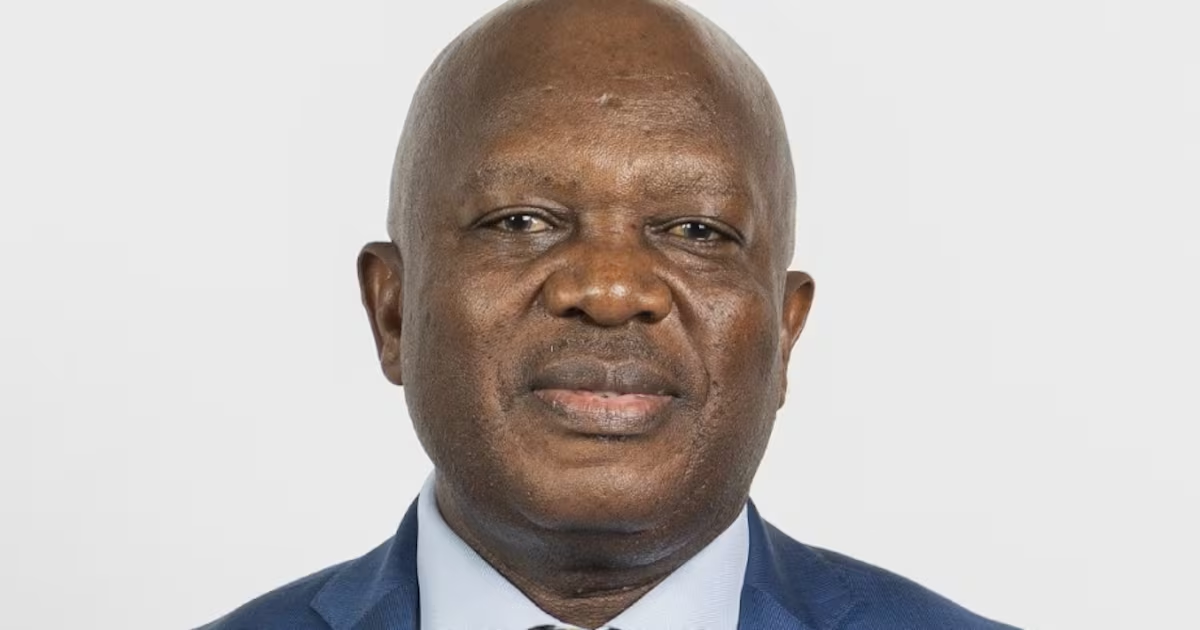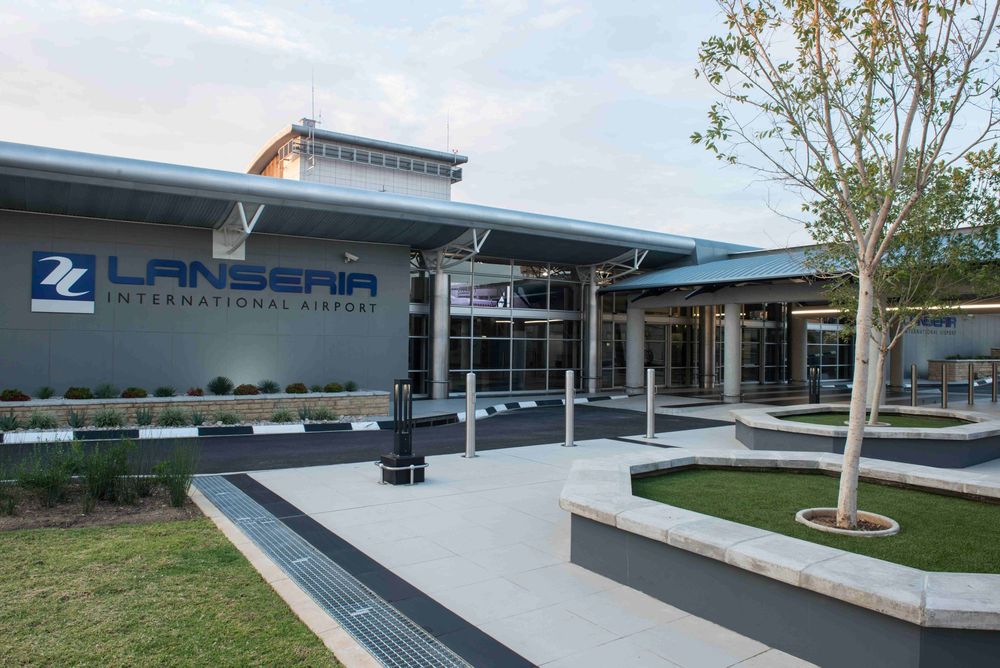
The seemingly never-ending soap opera that is the Public Investment Corporation is a national disgrace deflecting attention from debate over the role the R3.7-trillion asset manager could be playing in national economic development and transformation. It is incredible that the previous board was tripped up by a suspicious R411m payment — just 0.01% of the PIC’s assets — to Acapulco for its stake in Lanseria Airport. You do not have to be a chartered financial analyst to know that the payment was based on a bogus valuation. The previous board then unlawfully suspended CEO Patrick Dlamini based on a dubious whistleblower report. The PIC has also had a chronic inability to manage its unlisted investments, worth R73bn in March 2025, equivalent to only 2.3% of its total assets and 100% of its bad news. The PIC is the asset manager of the Government Employees Pension Fund (GEPF), the Unemployment Insurance Fund (UIF) and other smaller funds. But state employees do not own the PIC’s shares. It is the government’s means of financing its obligations to pay pensions and unemployment benefits. The GEPF is a defined benefit fund. Workers do not benefit when the value of the shares increase or suffer losses if they decrease. Nor is the formula to calculate unemployment benefits based on the UIF’s investment performance. Real shareholders benefit from capital appreciation and dividends. GEPF and the UIF beneficiaries do not benefit from either. In March 2025 the PIC’s local listed equities portfolio was worth R1.4bn or 7% of the JSE’s then market capitalisation of R20-trillion. It had a bond portfolio of R935bn, which included government bonds of R806bn and parastatal bonds of R120bn. A decade ago Trade & Industry Policy Strategies economist and fellow Business Day columnist Neva Makgetla brought attention to a surplus at the UIF, which was then worth more than R100bn. She said a portion of the surplus could be used to stimulate the economy. After the Covid-19 pandemic the UIF paid R60bn to 13-million people who were temporarily unemployed. The UIF now has a surplus of R140bn. There was no need for the surplus before the pandemic and there is no need for it now. A private company can go bust, but there is no scenario in which a government could close shop and have to pay all the pensions on the same day. There is, therefore, no need to have a fully funded pension fund for government employees. This is why most similar funds in other countries operate on a pay-as-you go basis. From 2011-12 to 2023-24 the GEPF accumulated surpluses of R674bn, or R52bn a year. It has funding of 119% ― R572bn above the 90% target set by its trustees. Why is there a need for these obscene surpluses at the GEPF and the UIF? I have modelled a scenario in which we cut the GEPF’s assets by 50% and found that it could still pay government employee pensions as if it were fully funded. If we had a one-off restructuring of the South Africa Inc balance sheet and cut the PIC’s assets by half, there are so many things we could do. We could write off government and parastatal debt and still have change to seed a large infrastructure fund or make a transfer to the National Treasury to fund the stimulus the economy so desperately needs. A large portion of the UIF surplus should be used to fund the expansion of public employment programmes. With the remaining PIC assets of R1.8-trillion there could be a 20% allocation to venture capital and private equity fund managers and development finance institutions, including the government’s proposed Transformation Fund. • Gqubule is an adviser on economic development and transformation.Business Day
DUMA GQUBULE | PIC scandals overshadow R3.7-trillion growth potential
Restructuring the state asset manager’s assets could fund public job programmes
618 words~3 min read