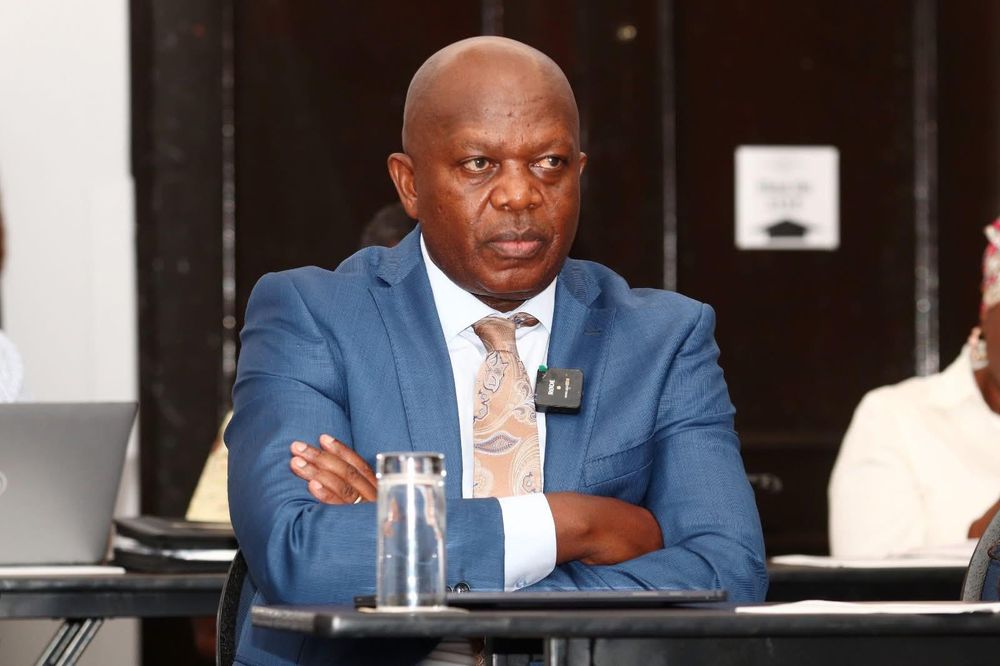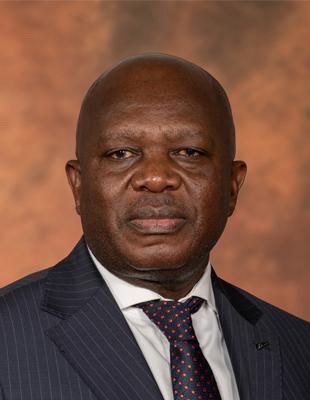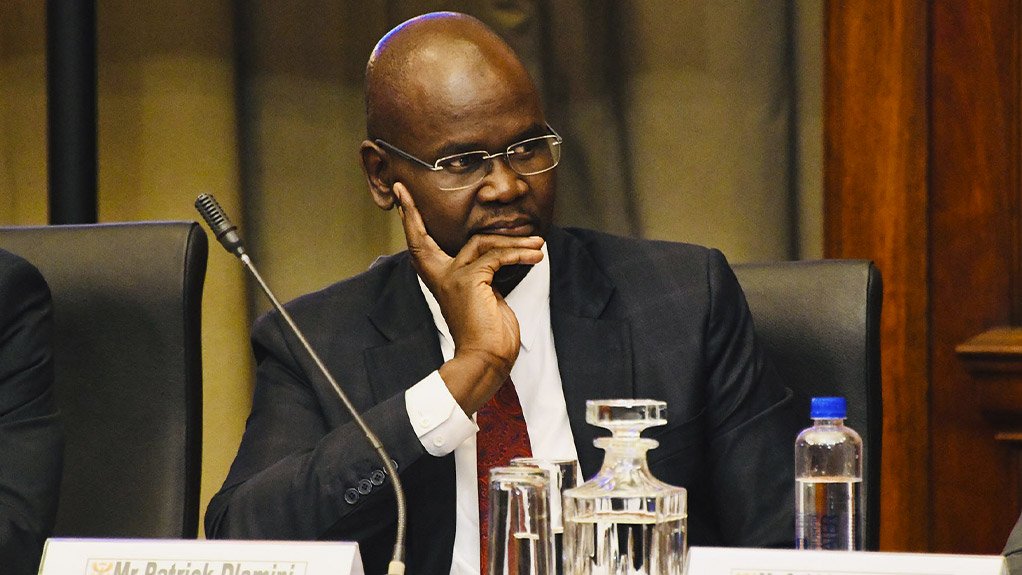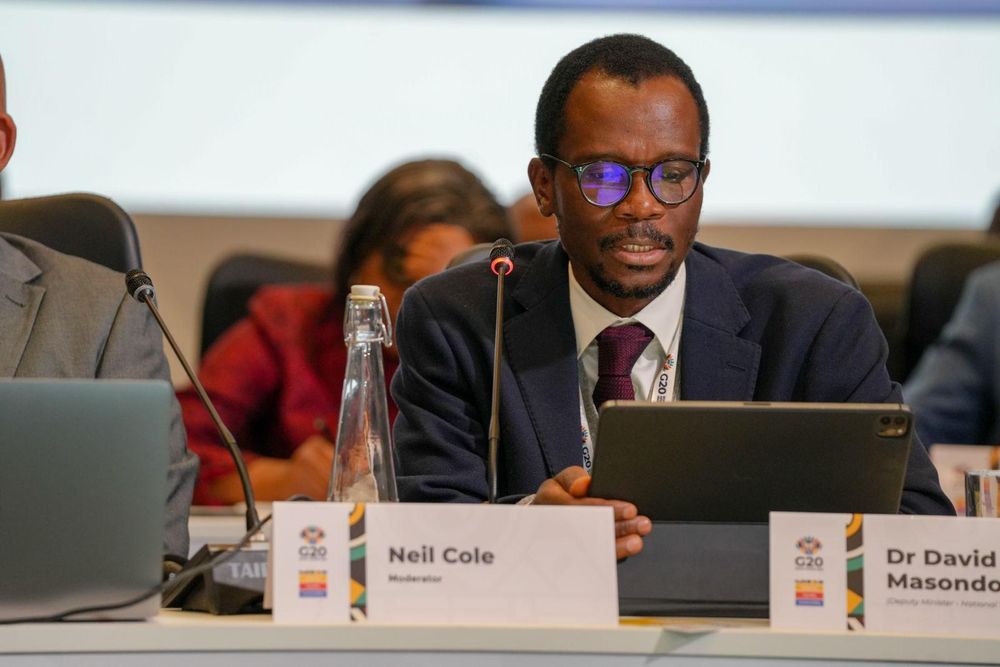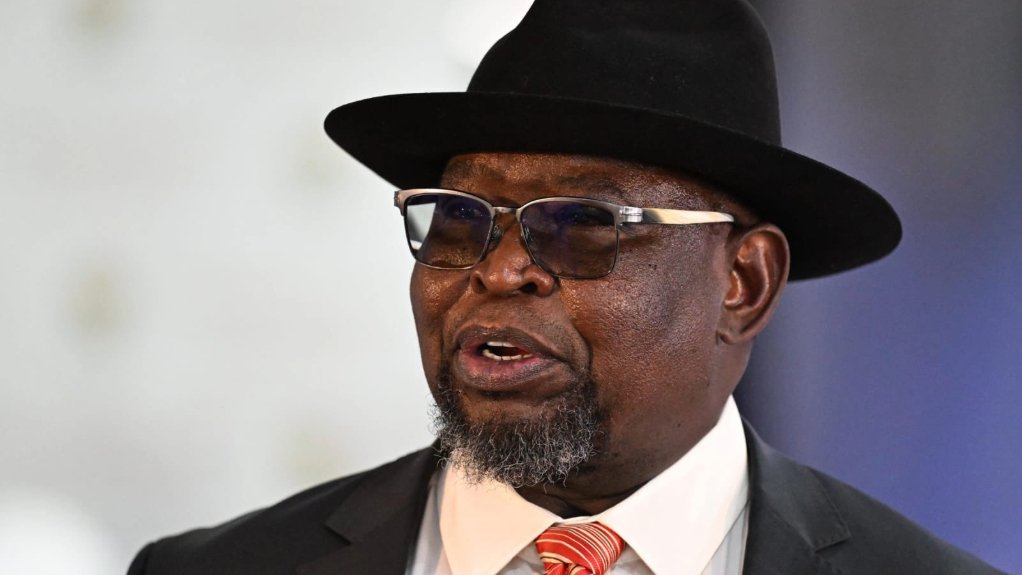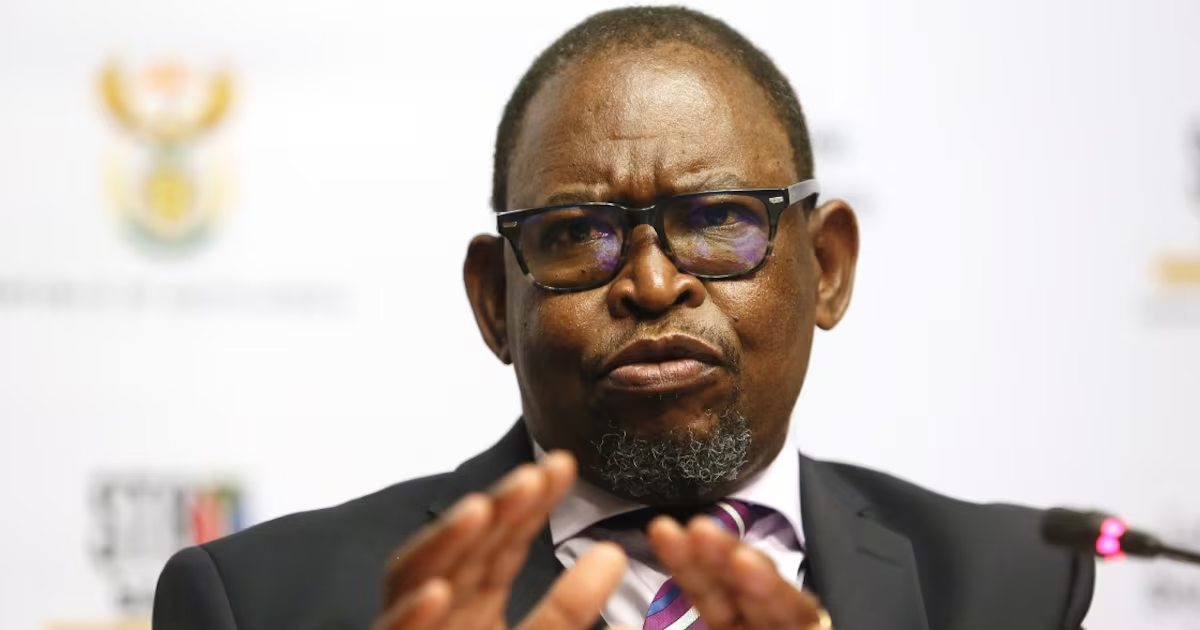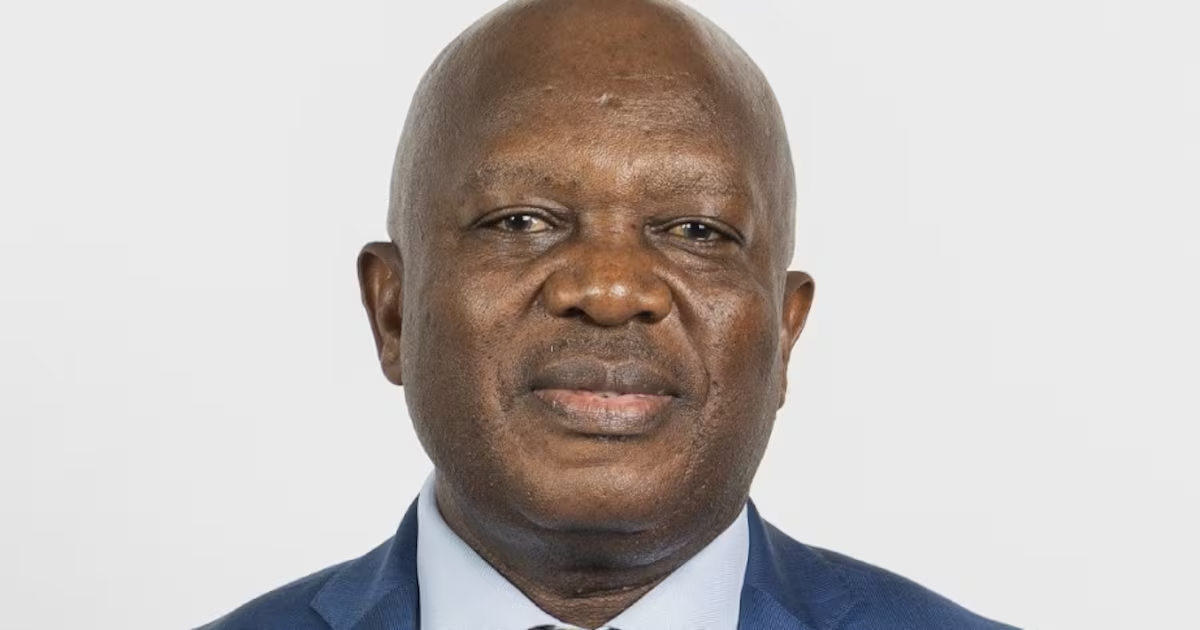
On Wednesday, the cabinet approved a fresh board for Africa’s largest asset manager. The Public Investment Corporation manages more than R3.5-trillion in funds on behalf of the Government Employees Pension Fund, the Compensation Fund and the Unemployment Insurance Fund. As widely expected, the government named Seiso Mohai, a Free State ANC politician and a former finance MEC in that province, as the chair, replacing David Masondo, the deputy finance minister. Other picks included former Transnet and African Development Bank CFO Swazi Tshabalala, former Telkom and National Prosecuting Authority executive Ouma Rasethaba, Mondi CEO Vivienne McMenamin, and Patience Nqeto, deputy chair of the Development Bank of Southern Africa (DBSA). The appointment of Mohai, a deputy minister in the presidency responsible for planning, monitoring and evaluation, keeps the narrative alive that the ANC regards the chair of the PIC as its entitlement even during the government of national unity era. Also, this represents a missed opportunity to depoliticise the chair’s role. Invariably, Mohai will be seen as another sign of the ANC’s ongoing factional battles. While it is not the first time that a PIC board is reconstituted, it is the first time that the chair is removed in such a clumsy manner. Masondo was forced to fall on his sword last week after Enoch Godongwana, the finance minister, signalled his intention to dissolve the entire board, which was no longer quorate in any case. In his resignation, Masondo urged the parallel investigations not be swept under the carpet. These include a probe into serious allegations against the suspended CEO, Patrick Dlamini, and other transactions. These allegations, most of which revolve around governance concerns, are being probed by the Financial Sector Conduct Authority, and trade union federation Cosatu has asked for a presidential proclamation to have the Special Investigating Unit also look into the PIC. The new board, which will still have to be reinforced with other appointments, will have to oversee the investigations. The parameters and terms of reference have to inspire confidence among PIC stakeholders so that these probes don’t become wild witch-hunts of the various groups. In the short term, the board has to set up various committees — such as for investment, social and ethics, and audit and risk — to ensure that governance guardrails are functional again. Like many state-owned development finance institutions, decision-making at the PIC is notoriously tardy. The absence of a functional board would have worsened the delays in approving deals. The new board also needs to review the challenge by Dlamini into his precautionary suspension. Without a board in place, there was no one to respond to his challenge. Restoring stability and institutional integrity should be among the key priorities of the new board. In all likelihood, this will mean more meetings than would ordinarily be the case for a non-executive board. The professionals who have accepted the invitation to serve bring critical skills in governance, finance, development finance, international experience and law. They should be given space to contribute to this important institution without interference from politicians. The bias towards professionals with public sector experience will invite comment. But this is merely a reflection of the ANC’s anti-business instincts. It shouldn’t discourage the new board from its central mission. It needs to be given a chance to prove itself. Business Day
EDITORIAL | New PIC board must restore confidence and strengthen governance
New directors inherit governance challenges, delays and high-profile investigations
549 words~2 min read