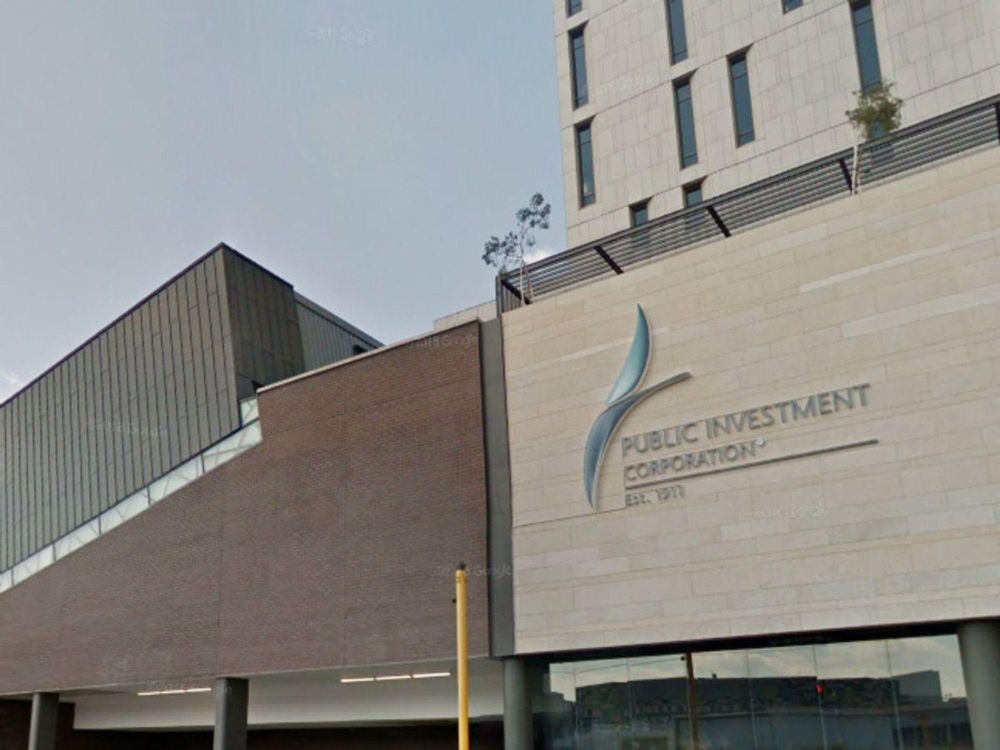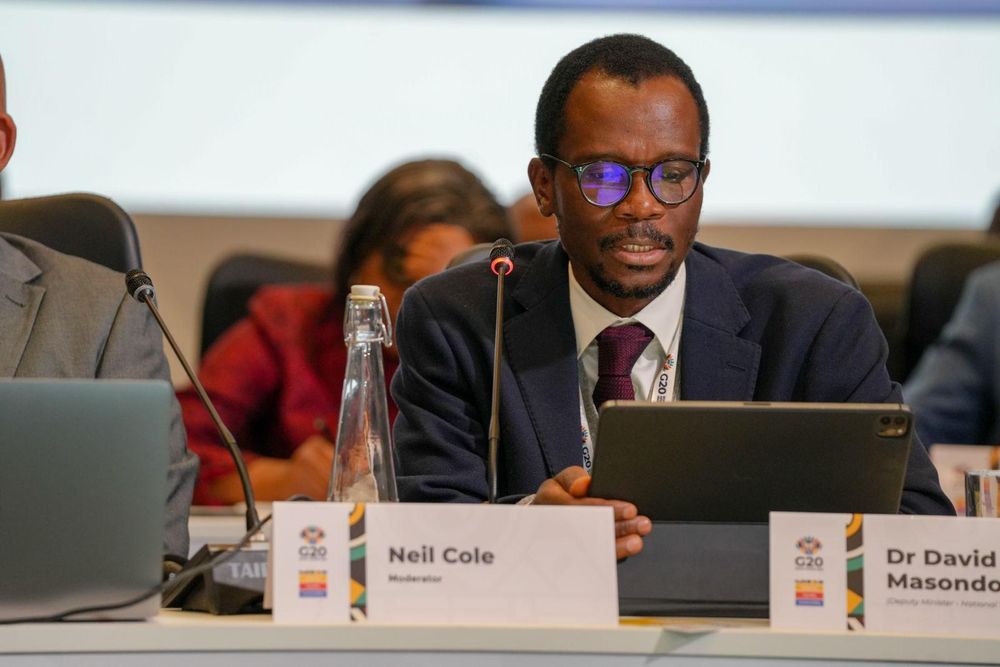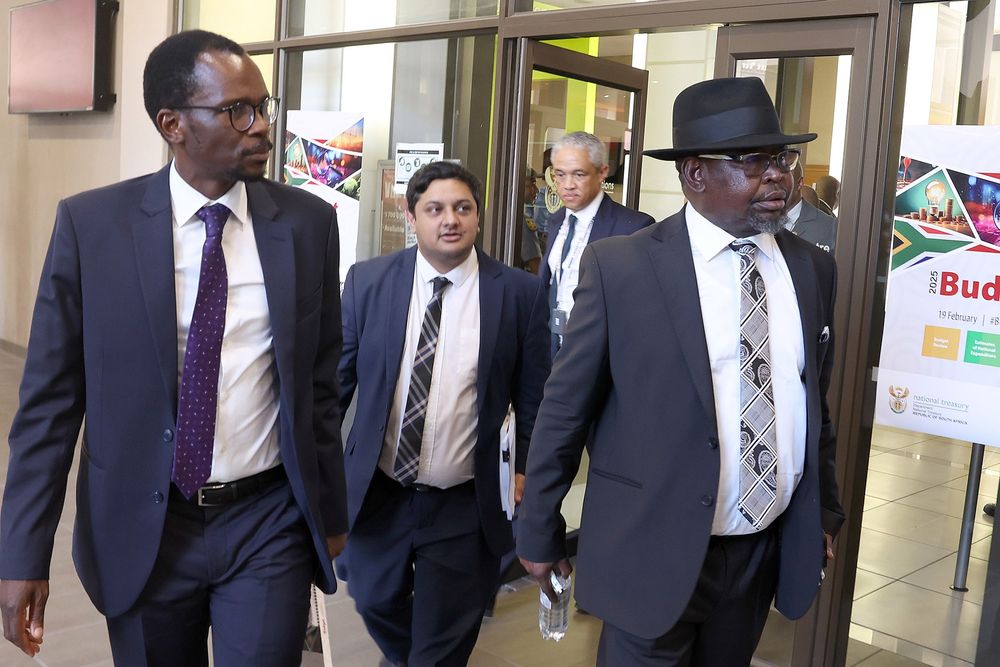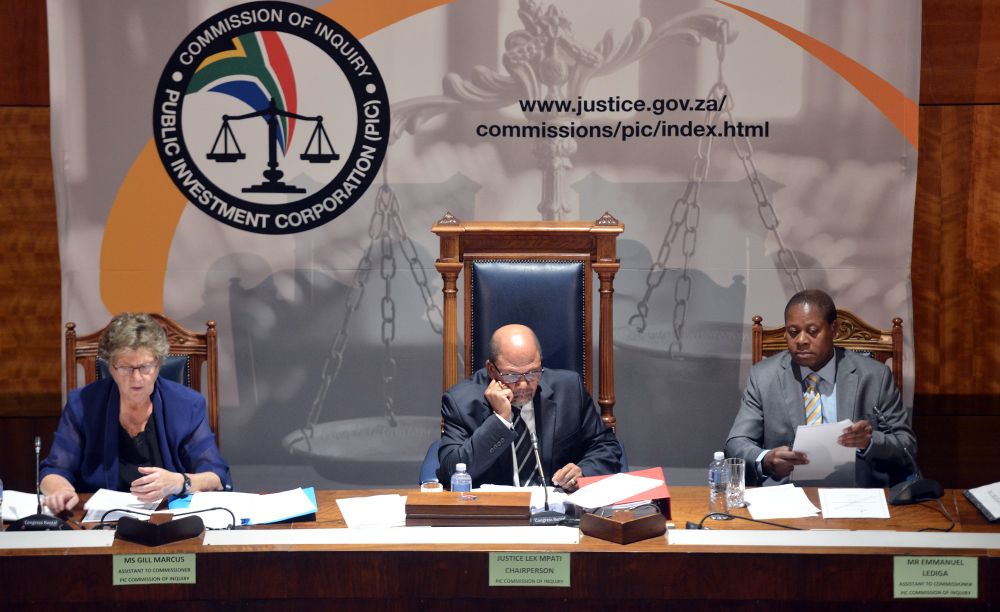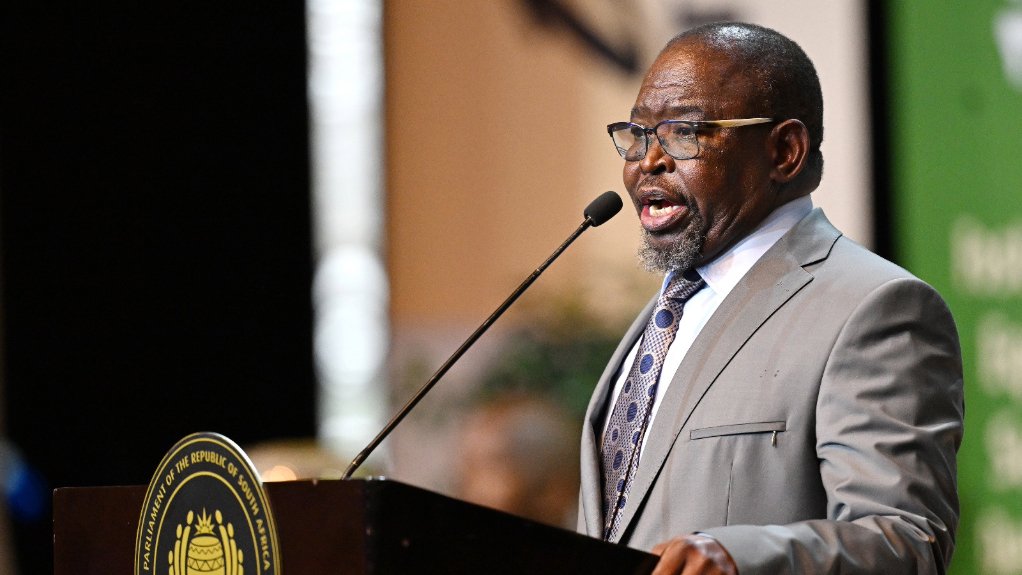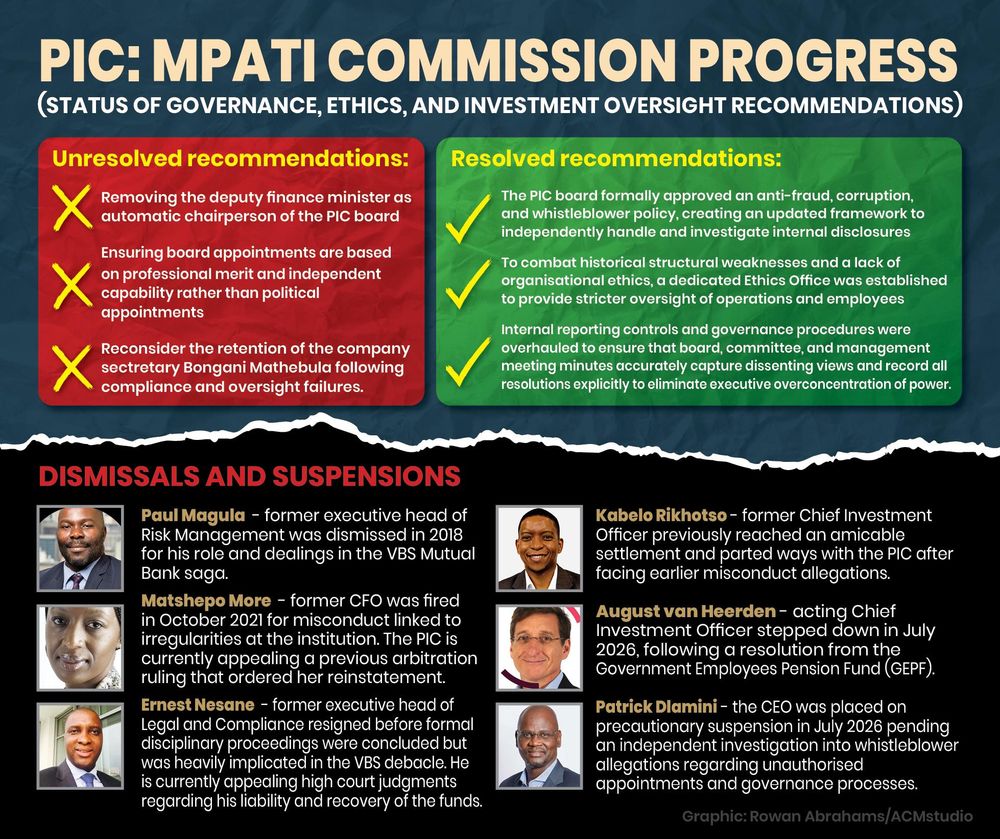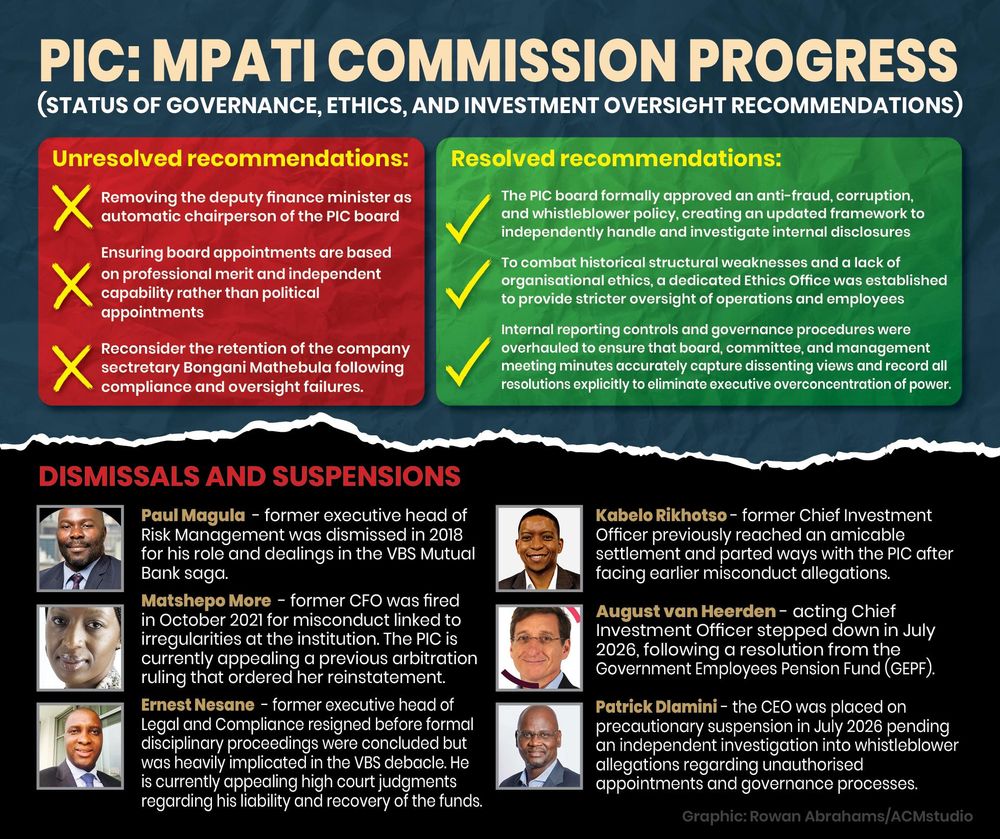
The governance crisis at the Public Investment Corporation (PIC) presents an opportunity to rethink how the asset manager ought to be governed. This week the majority of the PIC’s non-executive directors resigned and the remainder, including deputy finance minister David Masondo, are facing removal by finance minister Enoch Godongwana. A week ago, the board suspended Patrick Dlamini, the PIC’s CEO, while it probed whistleblower allegations. The allegations relate to an old transaction. The events of the past week, especially the intervention by Godongwana, suggest that the crisis is deeper than just one transaction. In the short term, the collapse of the board means that there are no guardrails anymore. Transactions that require approval by the board will likely be delayed and oversight on management will not happen until an interim board is appointed. This is an untenable situation and should cause anxiety to the pensioners whose monies are invested in the asset manager. Already, the institution, which manages more than R3-trillion of funds from the Unemployment Insurance Fund (UIF), Compensation Fund and Government Employees Pension Fund (GEPF), is a subject of multiple investigations. As well as the former board’s own investigations, the Financial Sector Conduct Authority and the Special Investigating Unit are looking into various aspects of the corporation. These probes are over and above a judicial commission of inquiry that has made a number of recommendations. Among other things, the commission recommended that the practice of making the deputy minister of finance a chair of the board should be discontinued. This happened briefly but has been reinstated even in the era of the government of national unity. The commission also proposed that the position of chief investment officer, which had been collapsed into the CEO’s responsibilities, should be a stand-alone job. The commission’s recommendations were not diligently implemented. Another commission will not lance the boil. An interim board is a desperate imperative at this point. In the long term, however, the composition of the board requires a review. Right now, the government picks board members who represent various constituencies such as labour, an old school governance model that might be contributing to the dysfunction. Boards are there to serve all of the company’s stakeholders’ interests not a constituency that nominates them. Directors must be loyal to the company. The GEPF, UIF and Compensation Fund trustees deserve to know how their members’ funds are invested. These should take the form of regular feedbacks. They also have the right of setting investment criteria to be followed by the PIC. Deploying representatives onto the PIC board is not the right way of demanding accountability. Effective boards are composed of directors who bring various expertise such as finance, governance, legal, investment adjudication, audit and risk management. Non-executive directors are custodians of the company’s strategy and are there to assist management. As much as possible, they should keep to their lane. The DA is proposing a new bill. In terms of this bill, the PIC board should be selected by a panel that interviews and recommends names to the finance minister. And the board should then pick the chair from among themselves. This, the party argues, will depoliticise the board and remove the deputy finance minister from being considered for the position of board chair. These are sensible proposals. But they’re unlikely to go far as the ANC sees the PIC chair position as its entitlement. The new board must be comprised of seasoned professionals in board direction. The board should erect guardrails that protect investment professionals from meddling by the intermediaries who hang around the PIC to orchestrate deals to their preferred applicants.
EDITORIAL | Rethink how the PIC is governed
The PIC crisis is a chance to rethink how the asset manager ought to be governed
600 words~3 min read