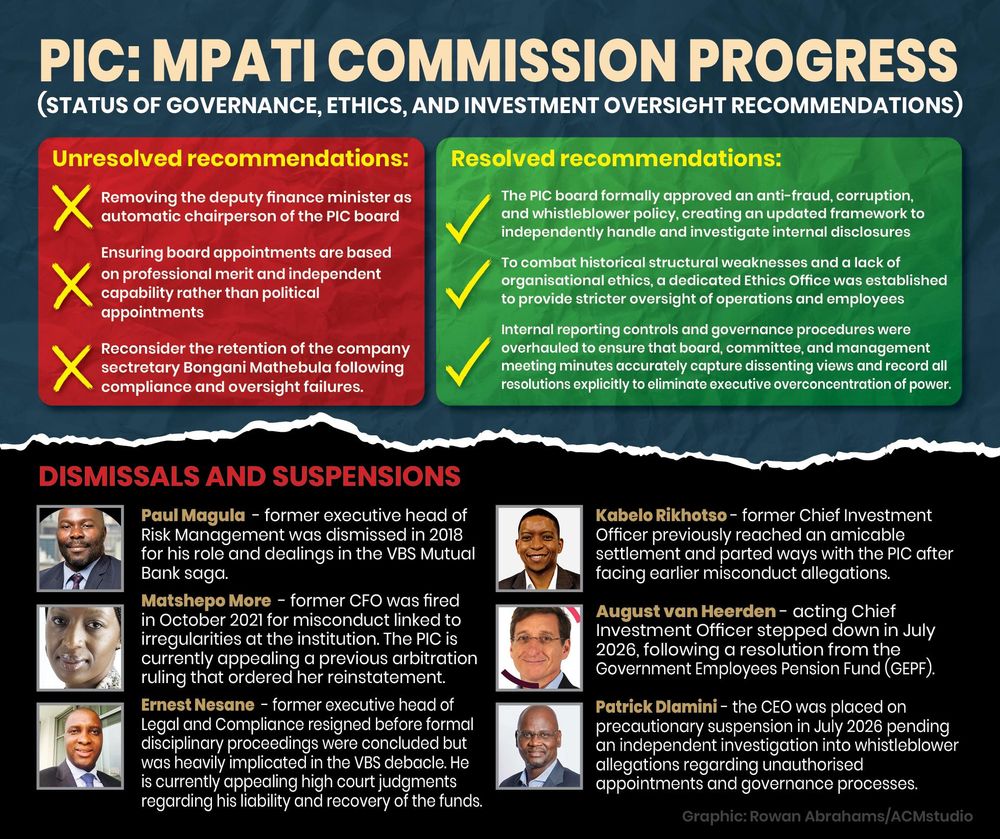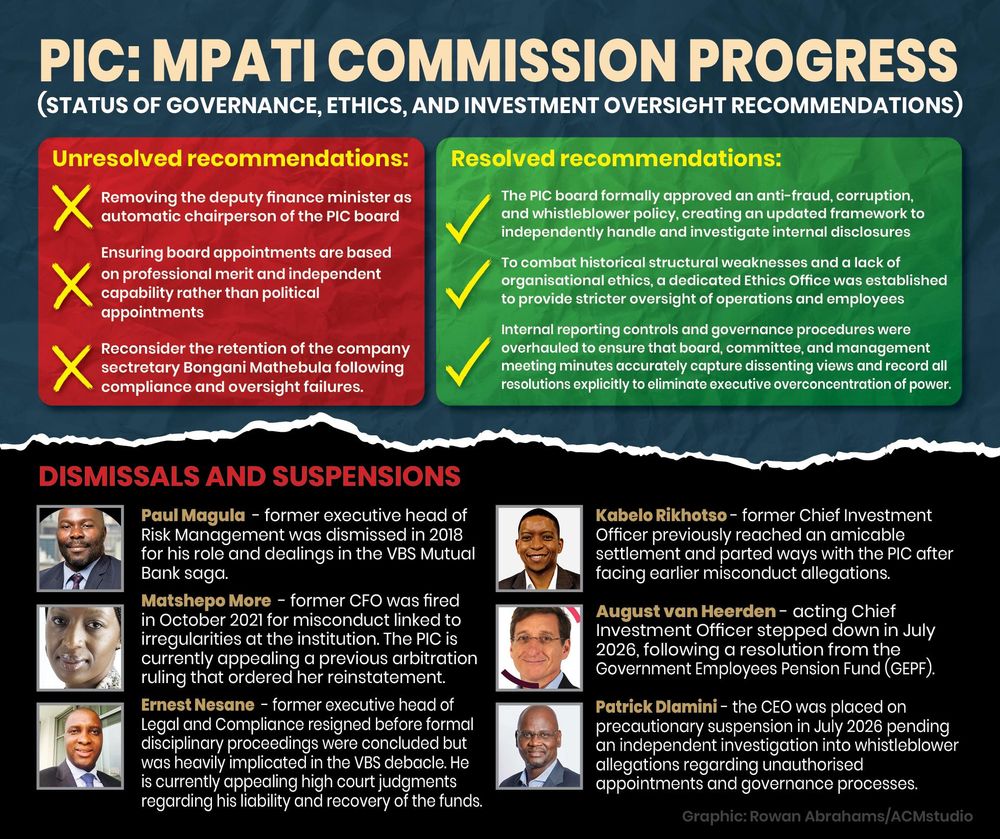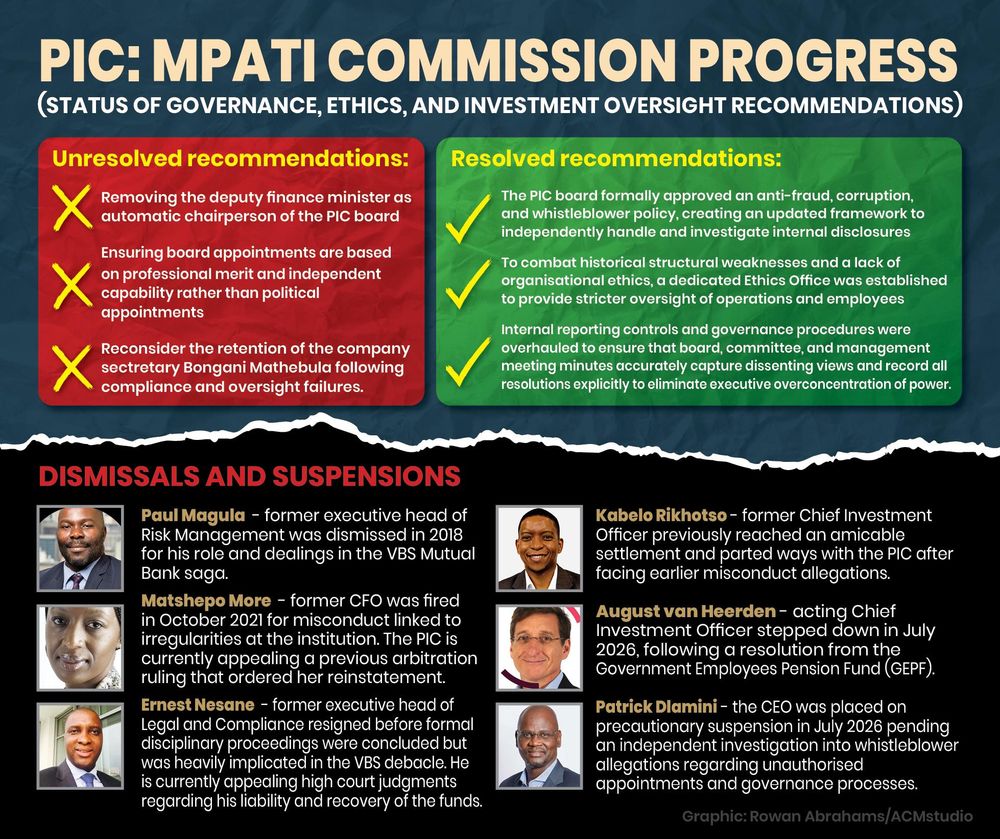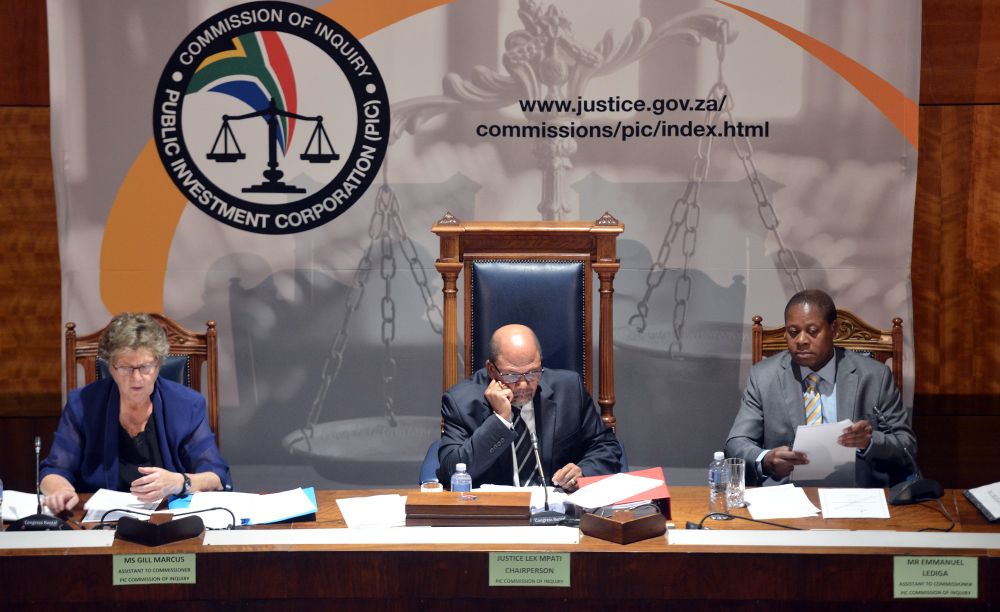
The Public Investment Corporation (PIC) faces mounting scrutiny as recent boardroom crises expose its inability to properly adopt vital Mpati Commission reforms.
South Africa should not misunderstand the present turmoil at the Public Investment Corporation. The suspension of a chief executive, the resignation of directors, contested transactions and regulatory scrutiny are not isolated headlines. They are symptoms of a deeper national question: what must the PIC be, whom must it serve, and how should the power of workers’ capital be exercised?
The PIC’s roots reach back to the Public Debt Commissioners established in 1911. It evolved from a conservative custodian of government funds into Africa’s largest asset manager, responsible for more than R3 trillion across listed investments, bonds, property and developmental portfolios. Behind every figure are teachers, nurses, police officers and public servants whose savings represent sacrifice, work and deferred hope.
After 1994, the PIC could no longer remain merely a passive keeper of accumulated wealth. Democratic South Africa required capital to participate in reconstruction, transformation and shared prosperity. Through vehicles including the Isibaya Fund, the PIC sought financial returns alongside job creation, empowerment, infrastructure development and inclusive growth. Apartheid had concentrated ownership, opportunity and productive assets. A democratic state could not be neutral about that inheritance.