Story audio is generated using AI
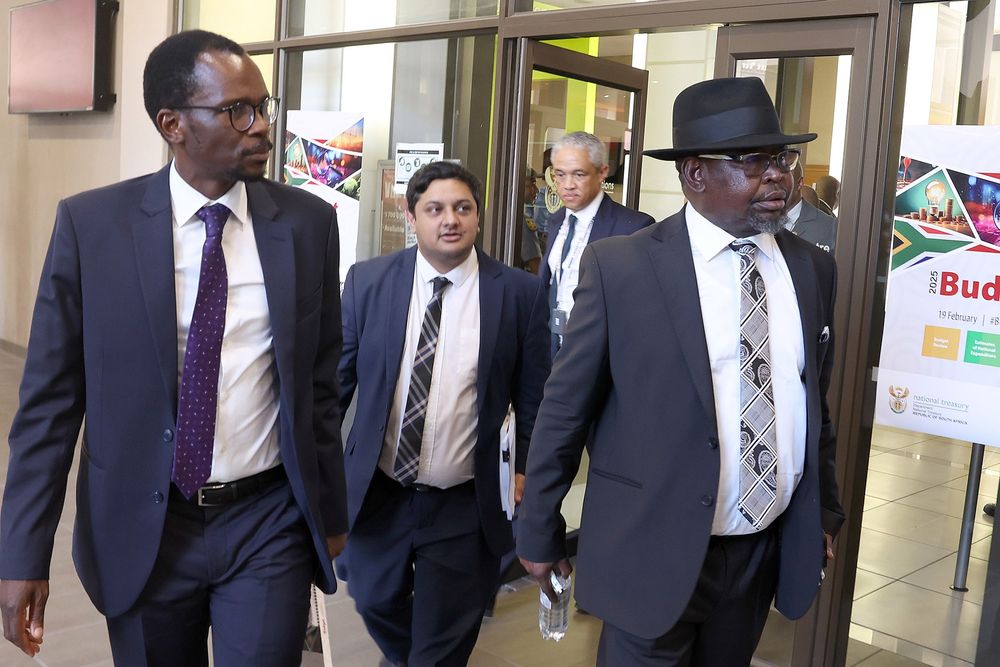
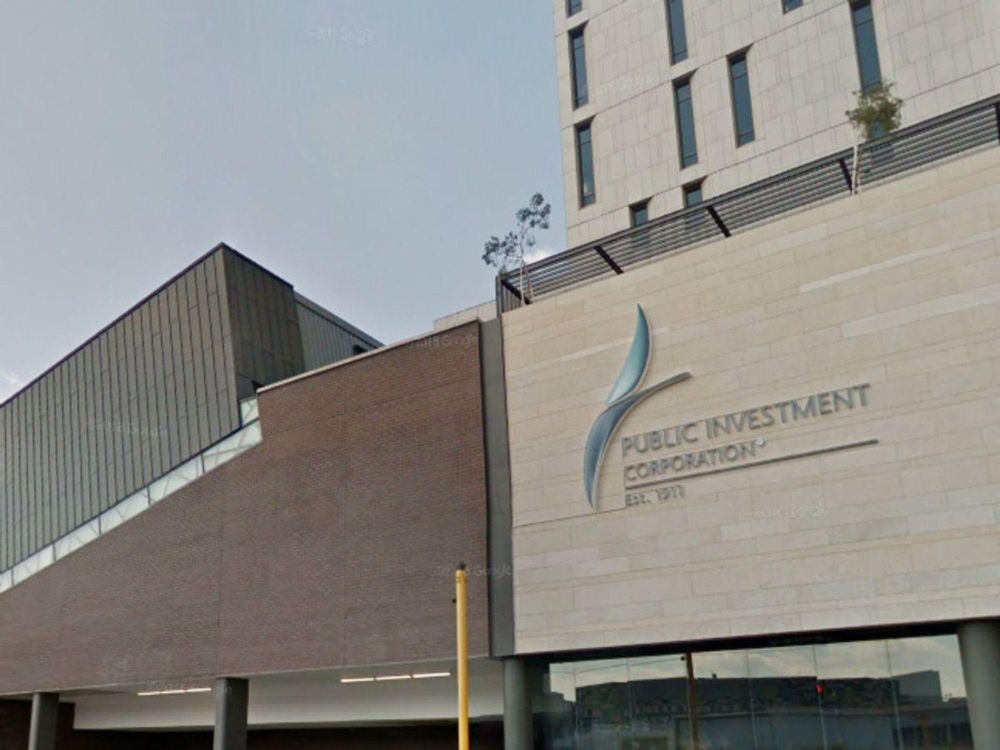
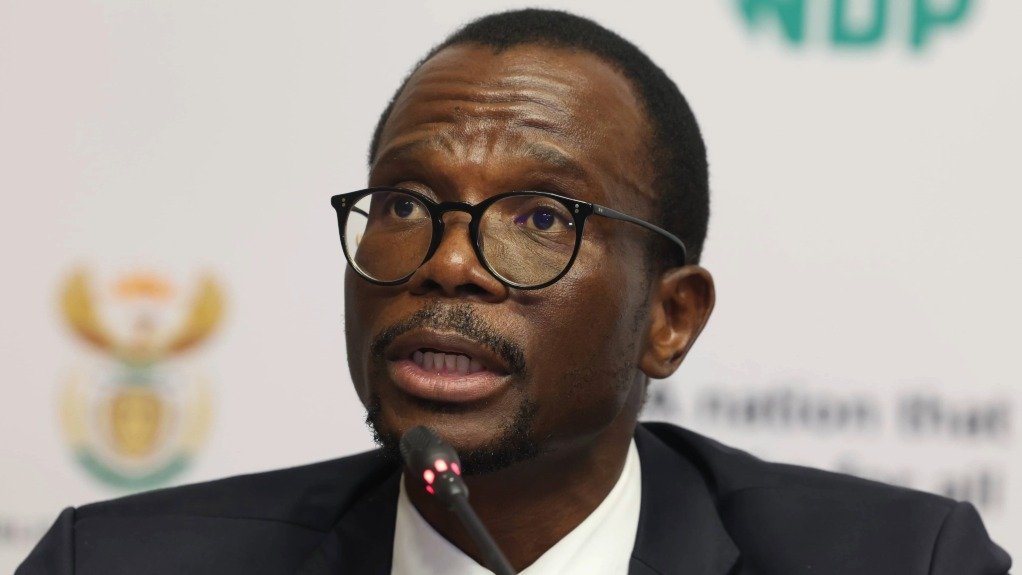
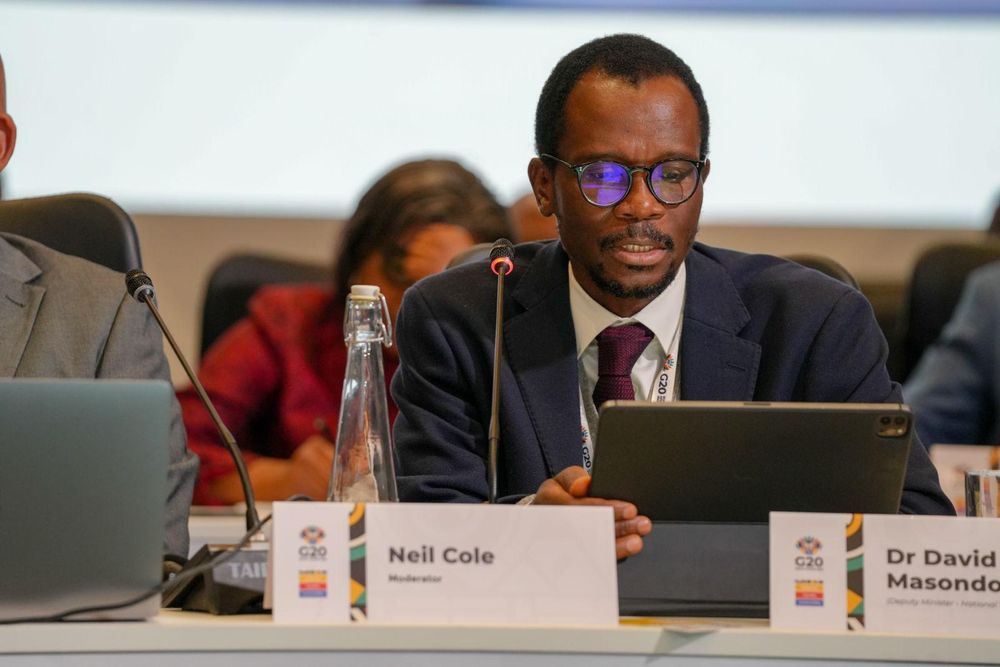
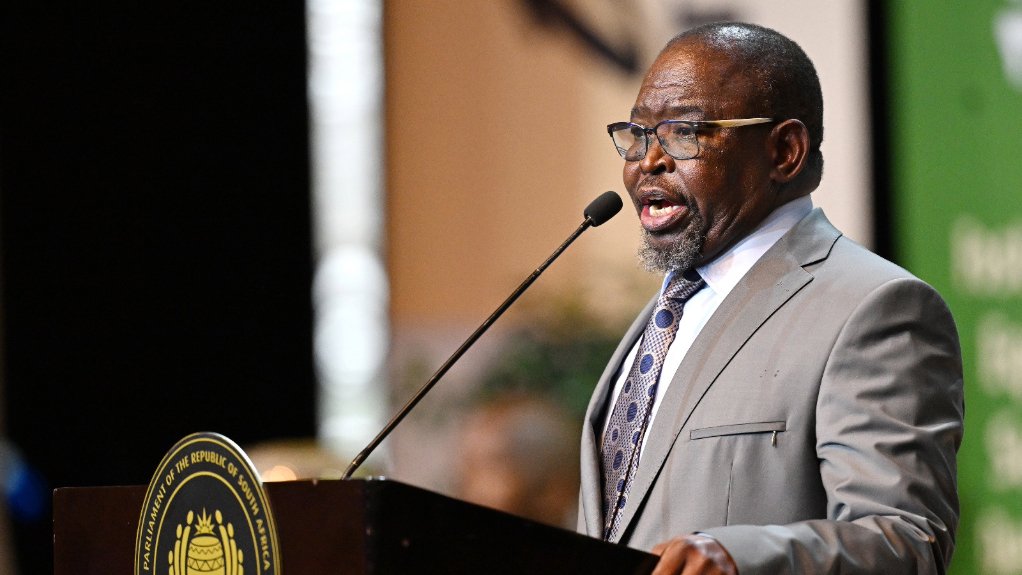
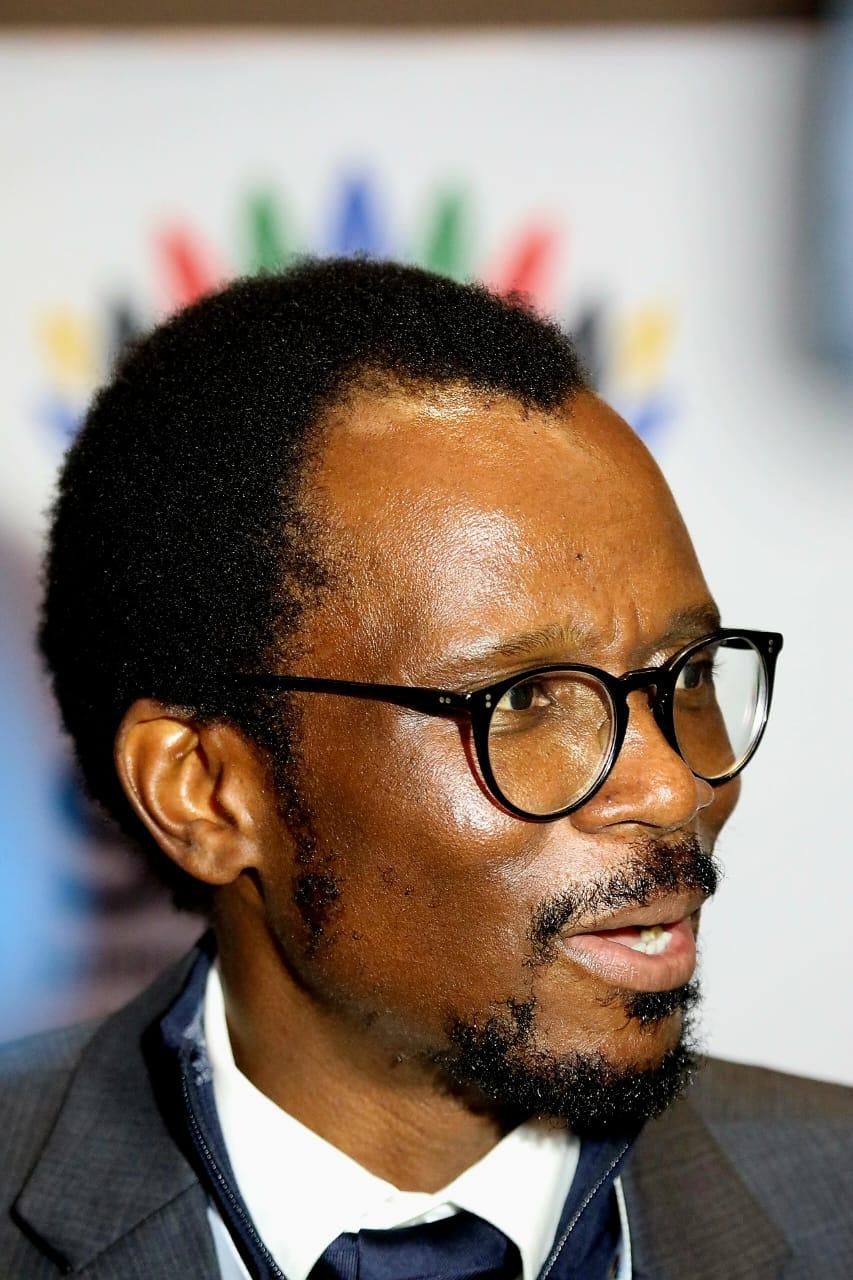
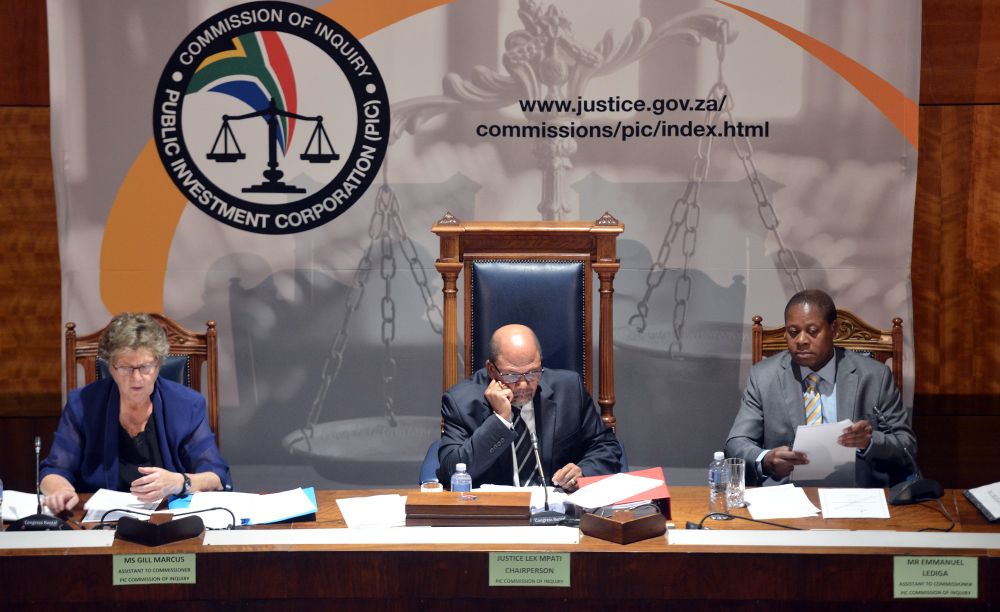
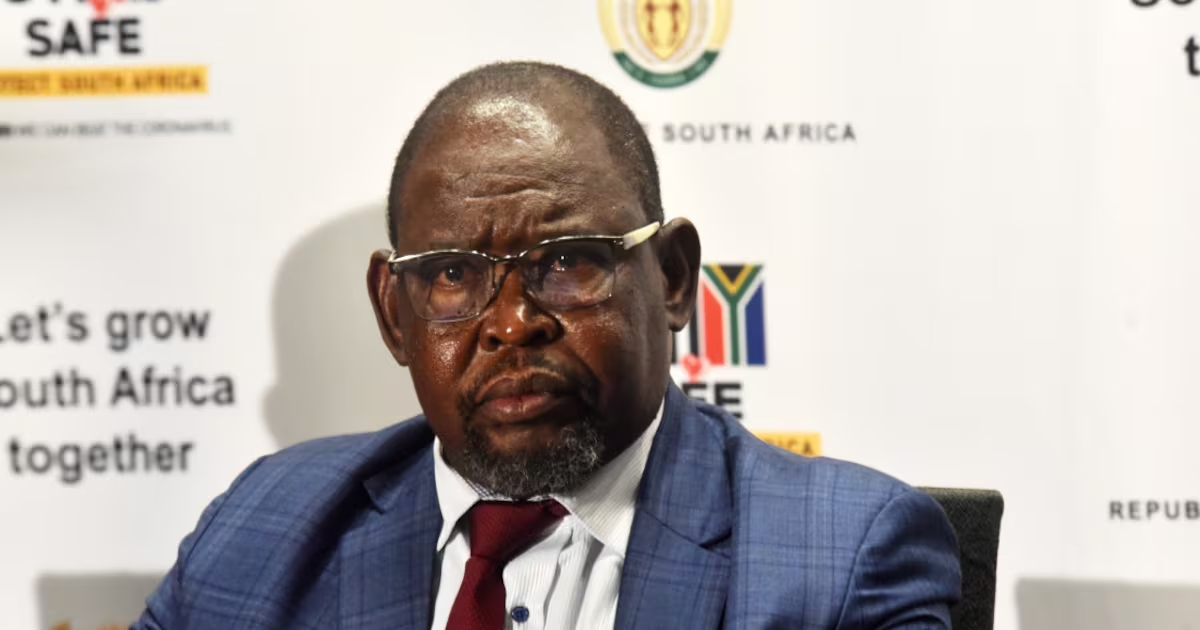
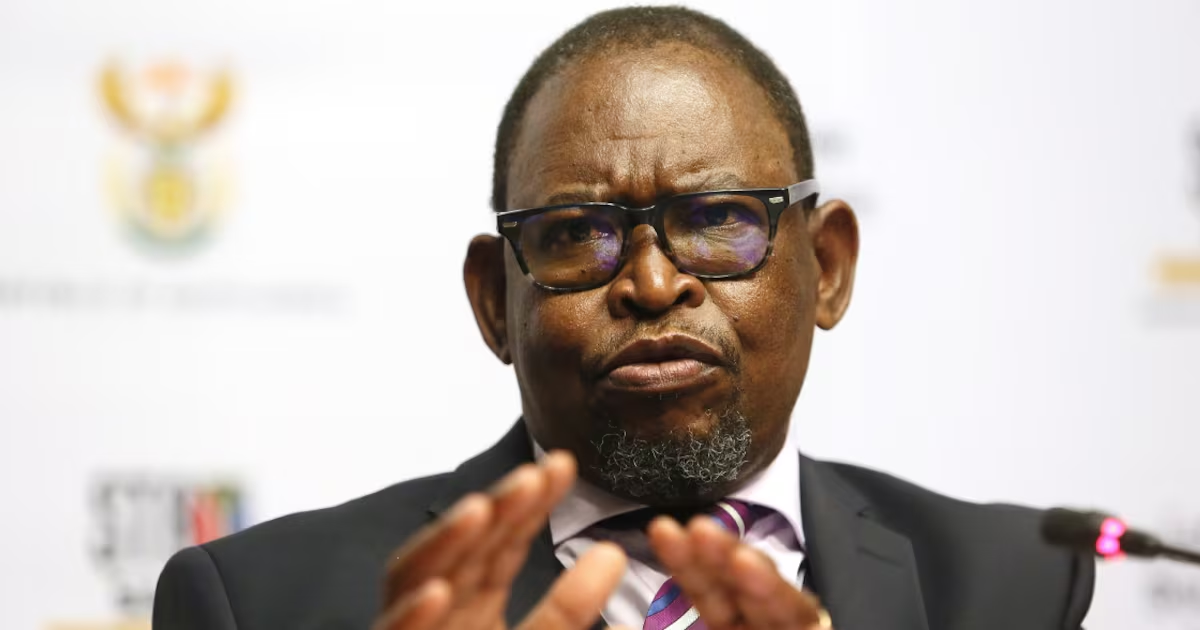
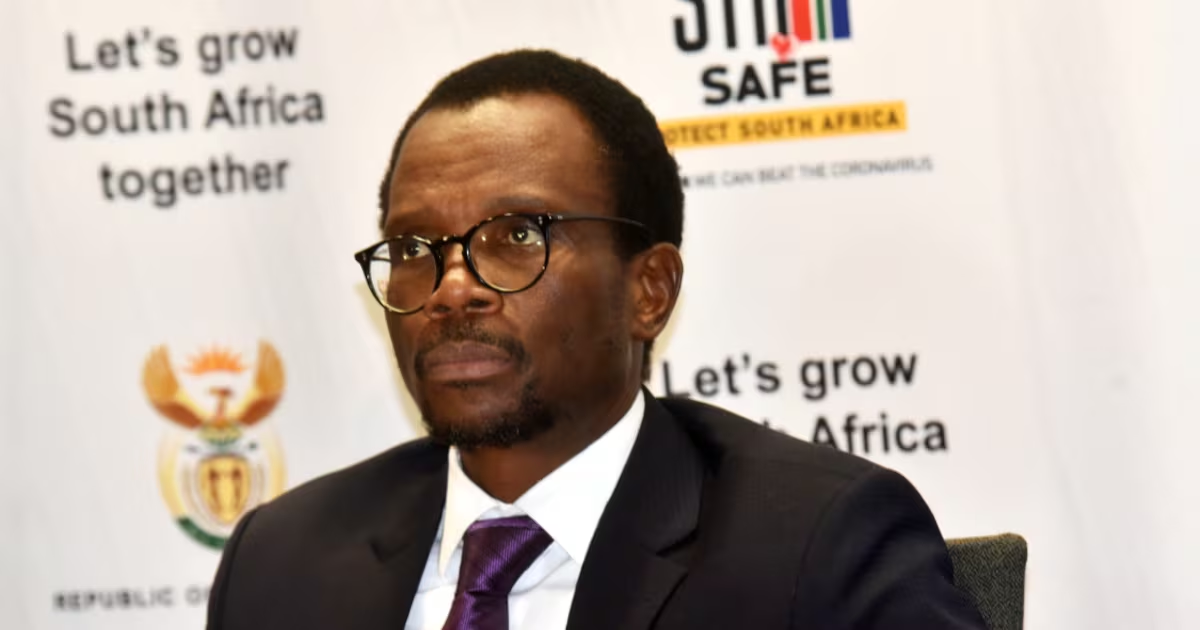
Four more board members have resigned from the embattled Public Investment Corporation (PIC), bringing to six the number of nonexecutive directors to quit the asset manager in the past week.The exits pile pressure on finance minister Enoch Godongwana, as the shareholder representative, to intervene urgently and restore stability at the PIC amid a deepening leadership vacuum.The resignations of the board members leave the organisation in tatters, without a permanent CEO and chief investment officer (CIO).More stunningly, the board’s implosion over governance differences comes less than a year after its September appointment. The PIC, which manages more than R3.6-trillion in assets, last week suspended its CEO, Patrick Dlamini, who has been in the role for just more than a year, amid a tug-of-war over control of the company. It has pitted Godongwana and one of his two deputies, David Masondo, who serves as PIC chair, against each other.Dorothy Kobe, Lerato Makwetla, Lindy Bodewig, and Mpumelelo Maseko on Tuesday joined Thabi Nkosi and Nosipho Balfour, who resigned last week.This leaves Masondo, Justice Shiburi, Mugwena Maluleke, Lindiwe Motshwane and Stephen Boikanyo as the holdouts.Business Day has established that Dlamini’s decision to review the organisational structure, abolish the group CIO role, and break the powerful position into three roles — responsible for the listed environment, the unlisted space and the property portfolio — contributed to the fallout at the board level.The leadership overhaul, first reported by Business Day in March, did not enjoy broad support in the organisation, pitting Dlamini against some board members.People close to the process said that Dlamini took the view that Masondo was encroaching on the company’s operations and found a sympathetic ear in Godongwana, sowing seeds of division that spilt over to the board.The CIO position was reintroduced into the PIC’s operating structure in line with the recommendations of the Mpati commission of inquiry. The commission, led by retired Supreme Court of Appeal president Lex Mpati, was created by President Cyril Ramaphosa in October 2018 to investigate allegations of impropriety, governance failures and questionable investment decisions at the PIC.However, Dlamini found the structure he inherited when he assumed office in July last year problematic and went about reviewing the corporate strategy, revising its structure.Business Day reported earlier this year that the PIC, the largest investor on the JSE, has scrapped its group CIO role in a leadership shake-up aimed at streamlining decision-making and strengthening accountability in investment decisions.The new roles were swiftly advertised in March. However, the PIC, nearly two months after advertising the roles, restarted the process — advising previous applicants not to reapply.The PIC also re-advertised the roles of chief risk officer and COO. The shortcomings of investment decisions centralised in the office of the group CIO were laid bare by a PwC report that looked into the controversial deal in which the PIC paid more than R400m to an outfit called Acapulco, which had in fact owed it about R600m.The PwC report, commissioned by Dlamini, was critical of the role the office of the then CIO played in the transaction, particularly the lack of accountability and undocumented decision-making.Masondo has since asked the Special Investigating Unit to look into the Acapulco saga.One of the big decisions Dlamini took on taking office was to go to market to appoint a panel of turnaround specialists in a last-ditch effort to stabilise its troubled multibillion-rand unlisted portfolio.The asset manager’s Isibaya fund was formed to invest in projects that promote social responsibility, infrastructure and transformation in South Africa and the rest of Africa. However, much of the portfolio has underperformed. The situation deteriorated so much that the Government Employees Pension Fund, whose assets are managed by the PIC, last year temporarily withdrew its mandate for the company to invest in the unlisted space.Parliament was told last year that more than 40% of its unlisted portfolio was in distress after a sustained period of underperformance.One of the mandates the board gave to Dlamini was to clean up its multibillion-rand unlisted portfolio.Dlamini wanted to rope in consultants to analyse and evaluate troubled companies in the portfolio and to return them to solvency or reduce the losses and exposure of shareholders and funders. The expectation was the expert panel’s process would lead to the production of a long-term strategic plan and restructuring plans, dependent on the assets’ viability.This move appears to have ruffled a few feathers at the entity. Another investment that has caused divisions at the PIC is the R2bn invested in the property group GRIT. Business Times, sister newspaper of Business Day, reported two weeks ago that this investment has led to shareholder value destruction, with the PIC as the largest shareholder bearing the brunt of the value destruction.Business Day