Recent interventions by Finance Minister Enoch Godongwana and the National Treasury have helped shed light on issues that had hitherto been allowed to fester in dark corners.
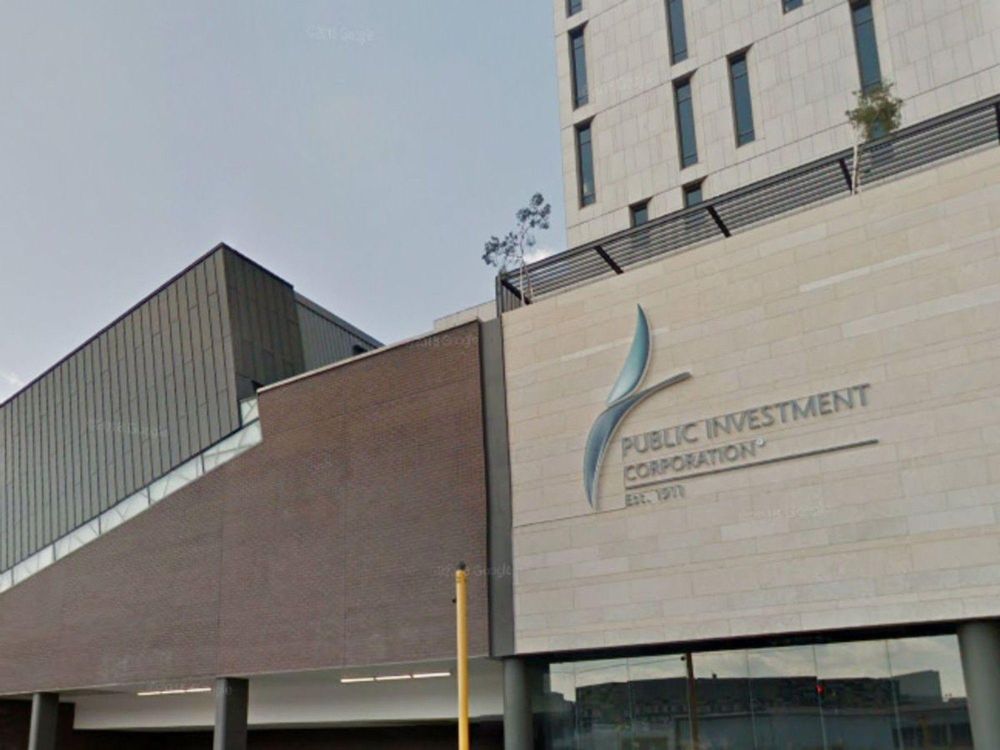
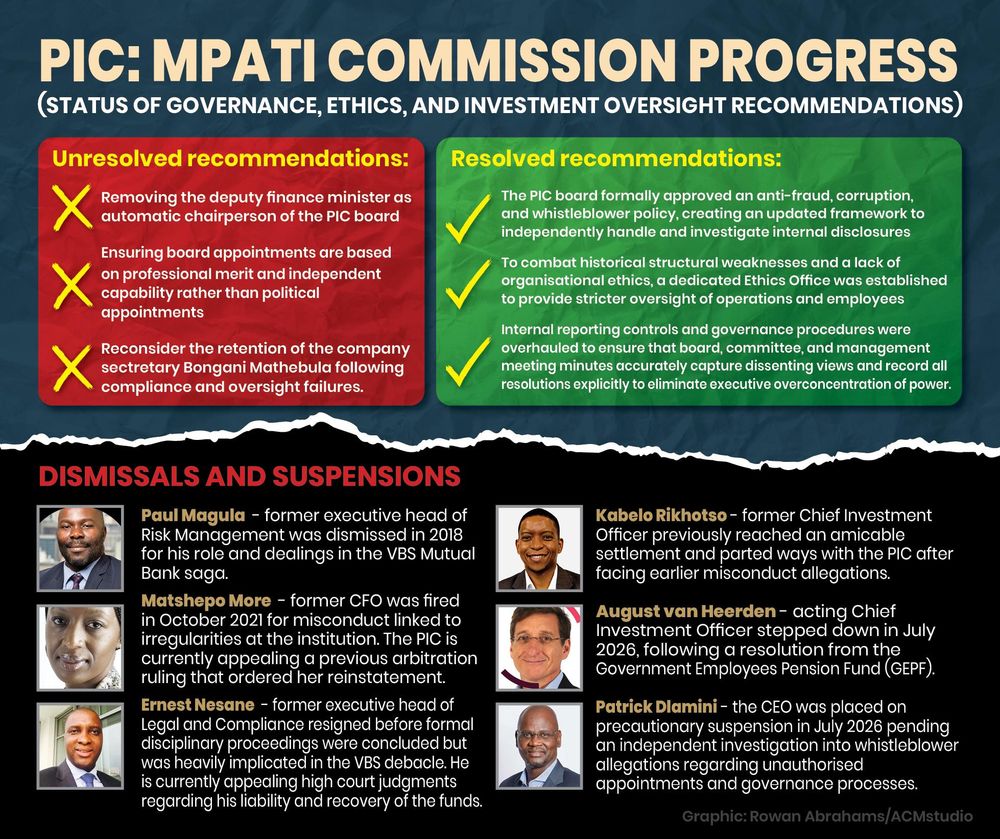
The most high-profile intervention has undoubtedly been the one at the Public Investment Corporation (PIC), where recent governance shortcomings, investment failures and unauthorised restructuring were risking the stability of an institution responsible for managing public-sector pension and social funds. It is estimated that the PIC has assets under management of R3.6-trillion, making good governance beyond essential and public scrutiny inevitable.
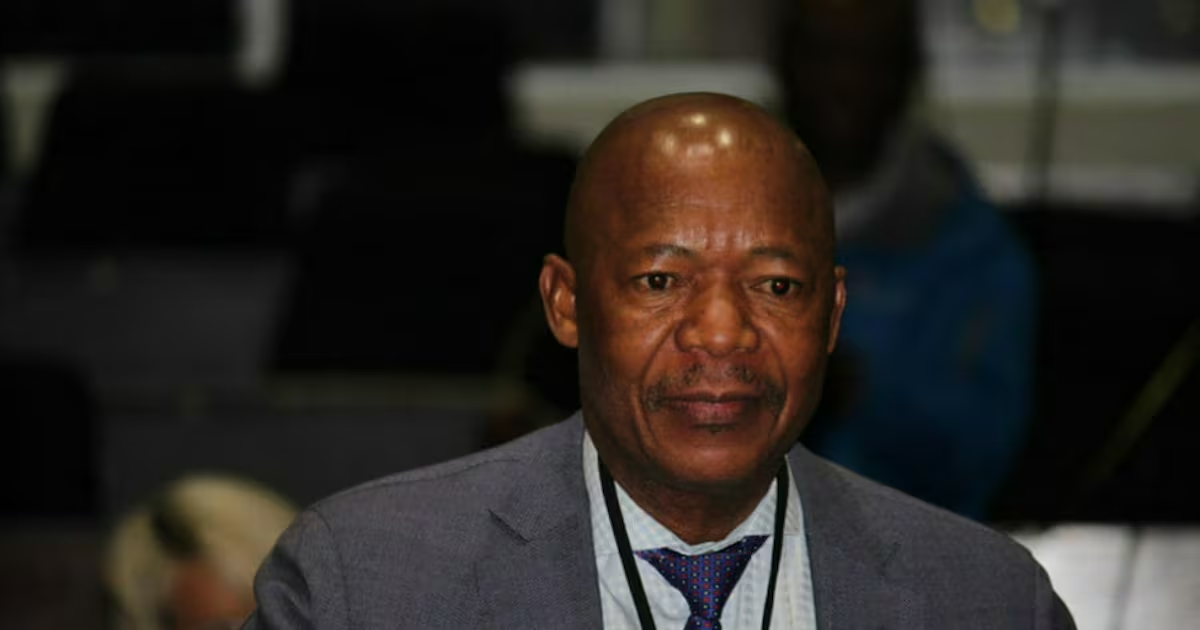
Godongwana’s demand in late July that those board members who had not yet stepped down, including his deputy , David Masondo, who was chair of the board, came after the board pursued organisational changes that had not been sanctioned by the shareholder, and also followed the suspension of CEO Patrick Dlamini.
The Minister’s move to call the general meeting which precipitated the resignations ahead of any votes on the removal of the directors was both unprecedented and effective, and came following reports of ongoing instability and potential corruption at the PIC. While destabilising in the short term, it helped bring important issues into the public domain and place the PIC’s governance under a magnifying glass.