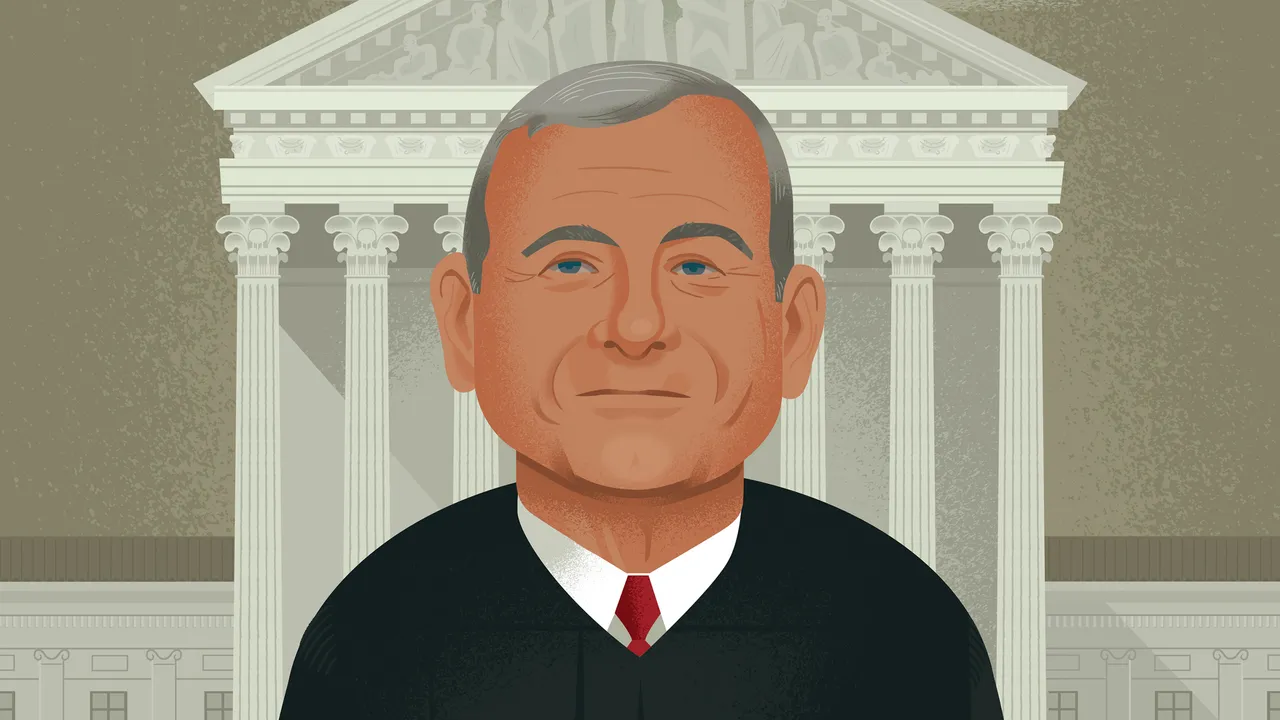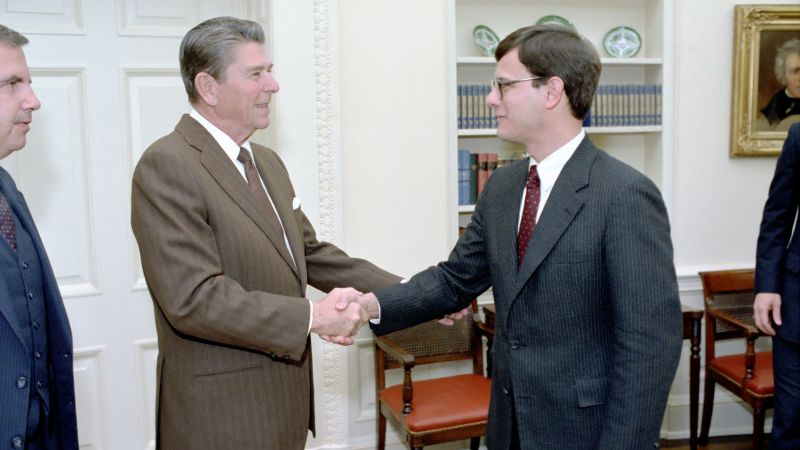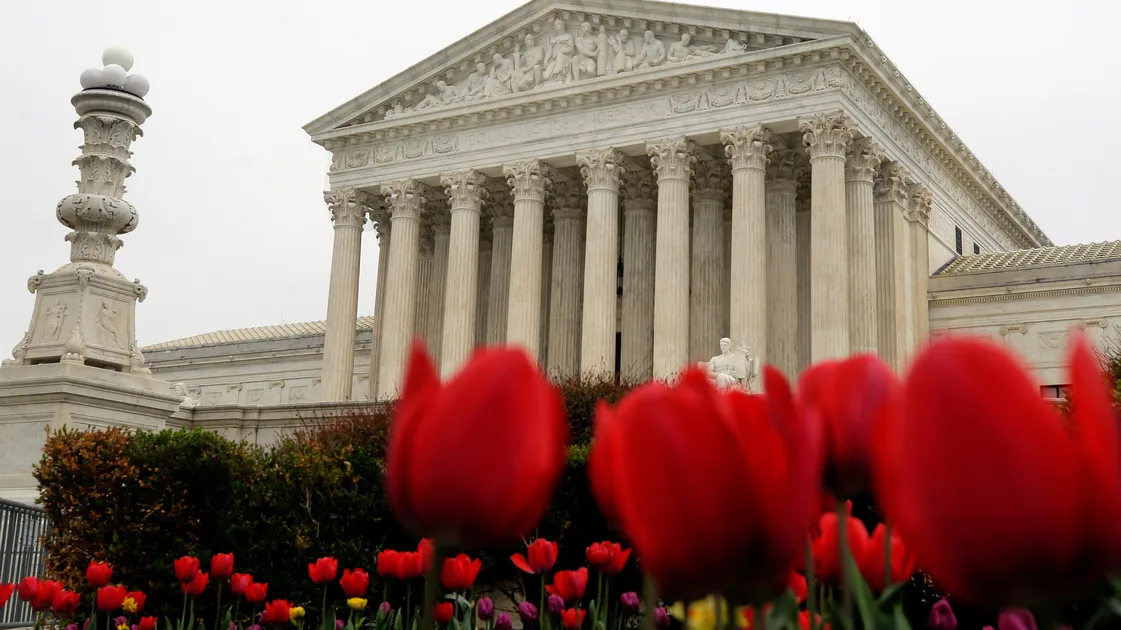
Illustration by Paul Rogers / Source photograph by Erin Schaff / Getty
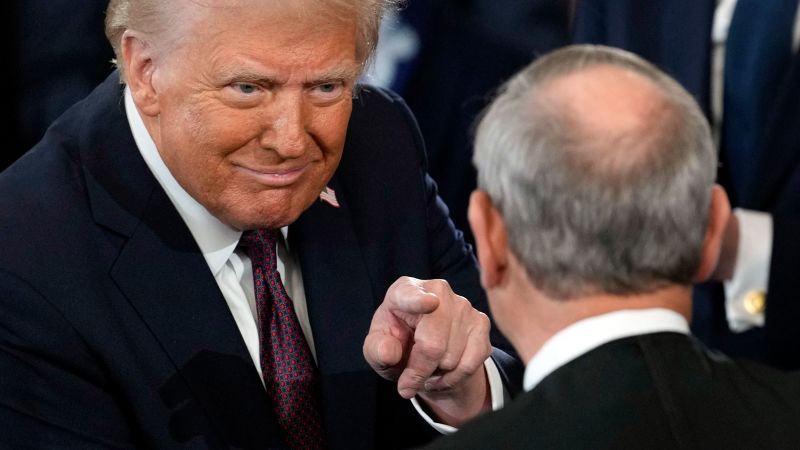
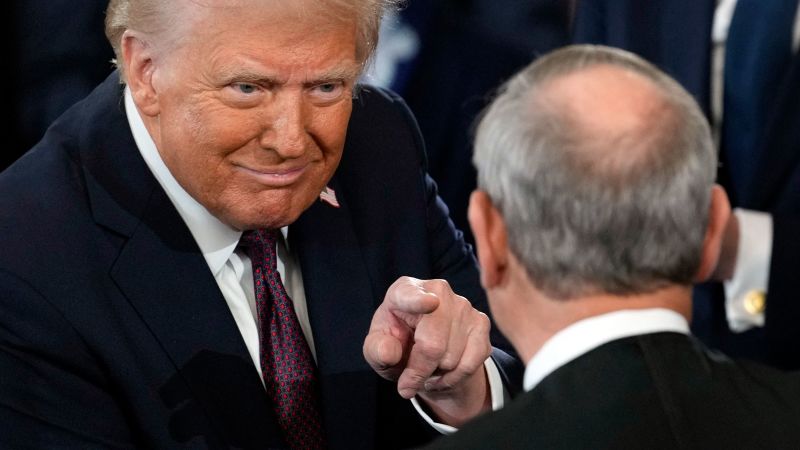
In March of 2025, after giving his annual address to Congress, President Donald Trump patted the shoulder of Chief Justice John Roberts, who had been sitting in the chamber, and was seen telling him, “Thank you again—won’t forget.” Trump later said that he’d been referring to his recent swearing-in by the Chief Justice, but many legal observers pointed to another possible connection: the 6–3 decision in Trump v. United States, written by Roberts himself a year earlier, which granted Presidents especially wide immunity from prosecution—and which, more specifically, had saved Trump from facing trial for interfering in the 2020 election.“Nobody who knows Roberts thinks that he could have found the gesture anything other than embarrassing,” Margaret Talbot writes in a new Profile of the Justice and the Court he leads, published in this week’s issue. Of course, as Talbot makes clear in her comprehensive reporting, the current stakes for the rule of law in the U.S. are far more consequential than the social discomfort of the Chief Justice. But the scene gets at perhaps the central fact of Roberts’s term on the Court, and the legacy he may one day leave behind. “Twenty-one years into his tenure,” Talbot writes, “he keeps waking up, ‘Groundhog Day’ style, to the same ironic scenario: he’s a proponent of maximal Presidential authority who is compelled to deal with a President especially likely to abuse it.”Yet if Roberts is bothered by this fact, Talbot finds no clear evidence. Instead, the Chief Justice appears principally concerned with Americans’ growing perceptions of the Court as being too political, even while the Justices themselves have become more openly fractious and the Court has regularly delivered what amounts to major right-wing political victories: on abortion, gun rights, affirmative action, federal regulation, and much more. Talbot reports that Roberts’s control on the Court, and emphasis on collegiality, appears to be waning. One of the questions she sets out to answer is why Roberts lost some of his power. The other is whether, as the conservative legal victories keep piling up, Roberts actually prefers his new, more limited influence. The imperial Presidency is ascendant, and Trump “has taken the Court’s rulings on executive power as a license to obliterate entire departments, gut the federal workforce, fire officials at independent agencies designed to be insulated from political pressure, and treat the D.O.J. as his personal law firm and police force.” Is this what Roberts had in mind all along?More Top StoriesWhat does the humbling of the hedge-fund manager Leopold Aschenbrenner mean for the A.I. bubble? More than a million immigrants are seeing the protections that granted them safe lives in the U.S. suddenly swept away. Dara Lind reports on the Great Delegalization. Season 3 of the “Game of Thrones” prequel ends with yet more bloodshed, our critic writes, and less of the charm that’s made Westeros worth visiting. The “Hacks” actress Hannah Einbinder dishes on her new film, “Teenage Sex and Death at Camp Miasma,” in which she couples up with Gillian Anderson and is chased by a psycho killer. The most-clicked item in this weekend’s newsletters was about Ariana Grande and the disappointment of diagnosis.Today’s Crossword Puzzle: Soprano Lucine who performed with the Met for more than forty years: five letters. Catalogues: Can you sort the items into the correct order? Shuffalo: Can you make a longer word with each new letter? Laugh Lines: Test your knowledge of classic New Yorker cartoons.