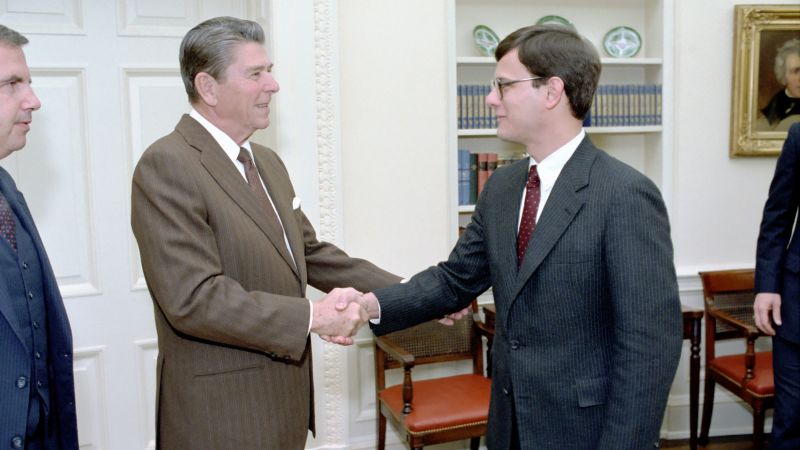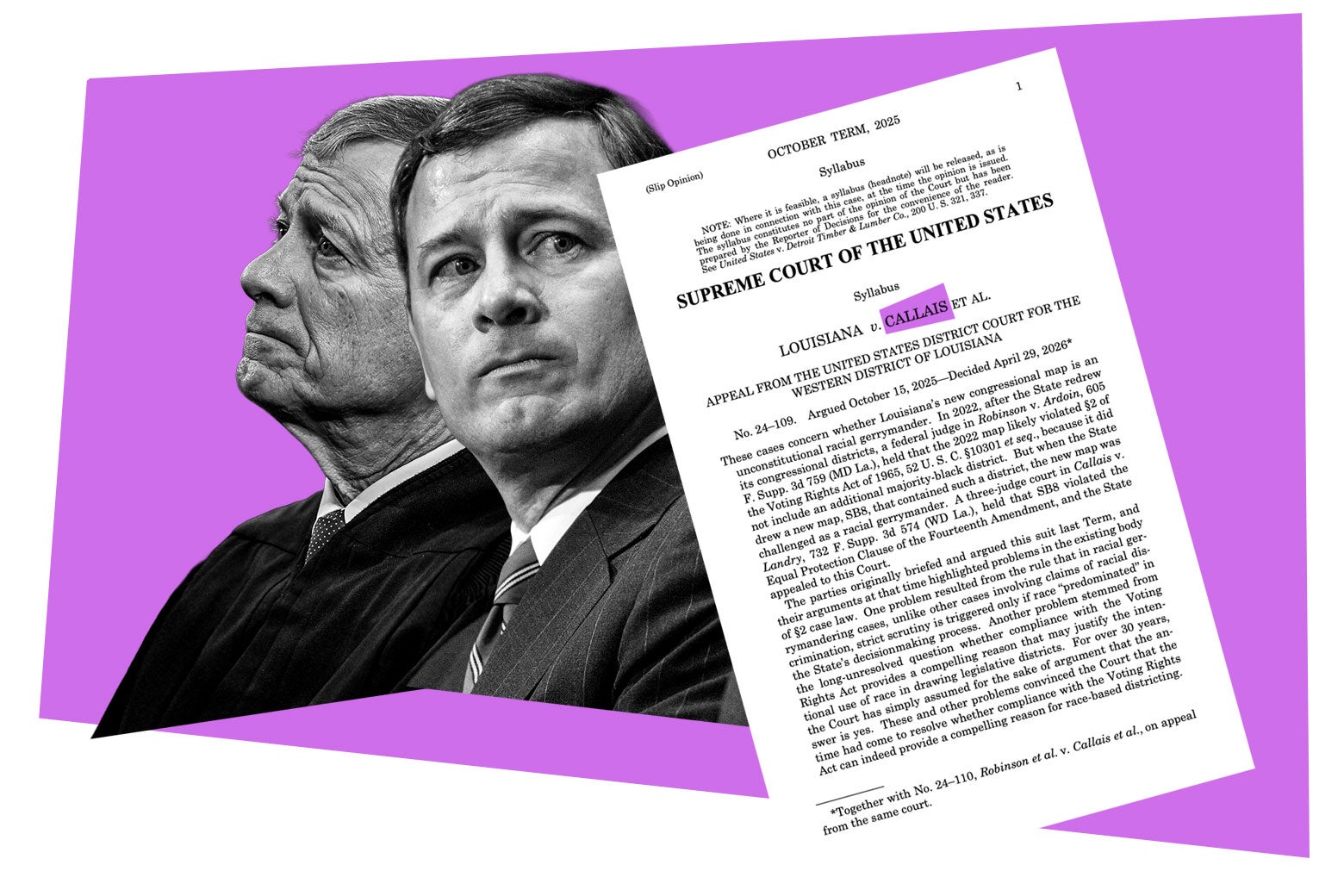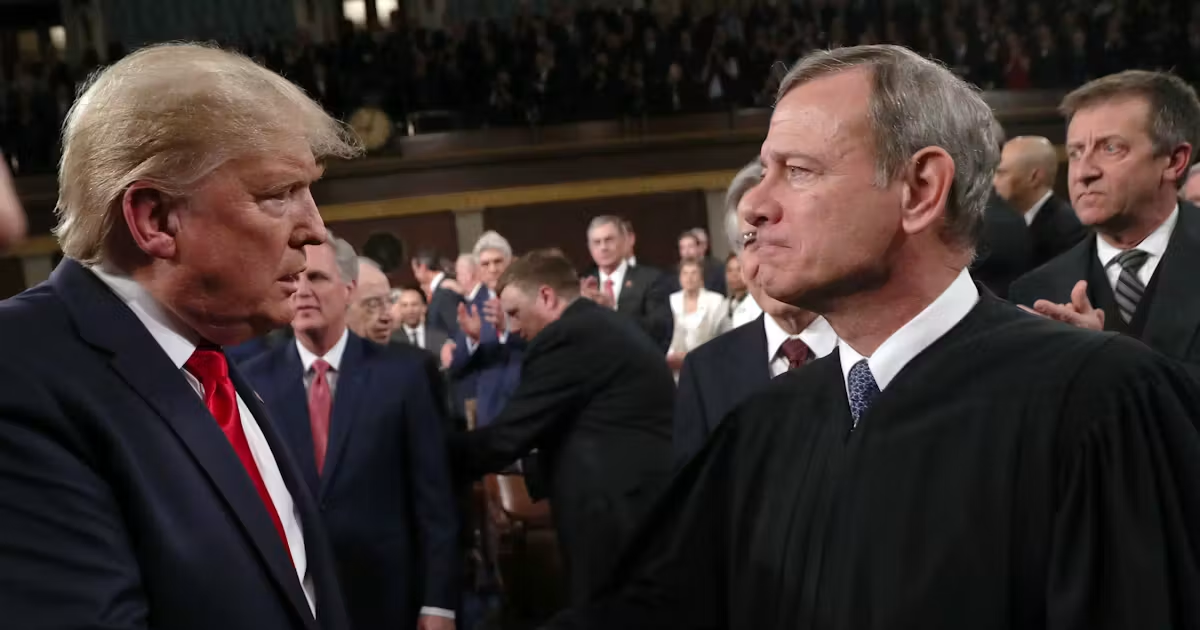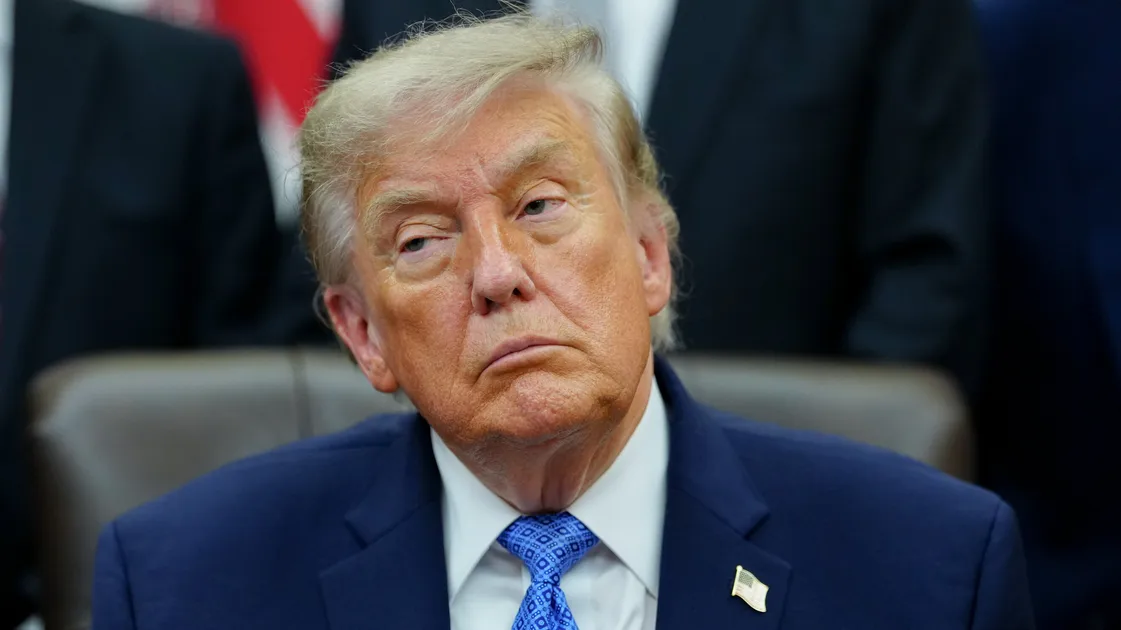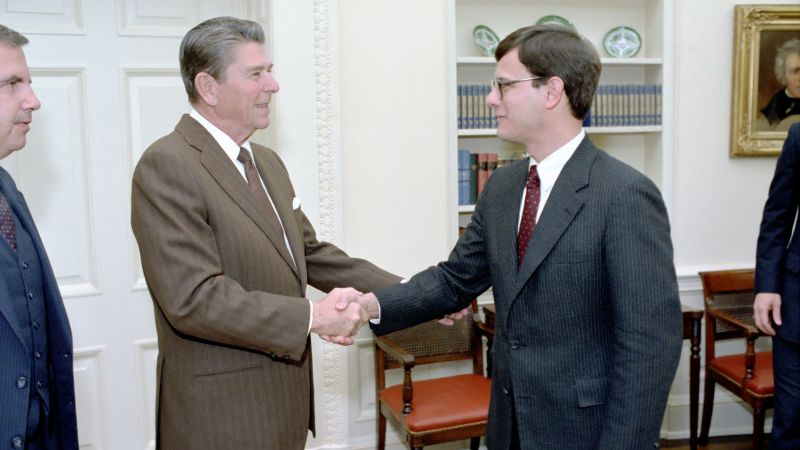
For more than 40 years, since his service as a young Reagan administration lawyer, Chief Justice John Roberts has pressed for an exceptionally powerful US president, one who could fire the heads of independent agencies at any time.
In one memo to the White House counsel in 1983, Roberts asserted, “the time is ripe to reconsider the constitutional anomaly of independent agencies.”
When he was appointed chief justice in 2005, he began laying the groundwork to reverse Supreme Court precedent that permitted Congress to limit the president’s firing power.
“Without such power,” Roberts wrote in a 2010 case, “the President could not be held fully accountable for discharging his own responsibilities; the buck would stop somewhere else.”
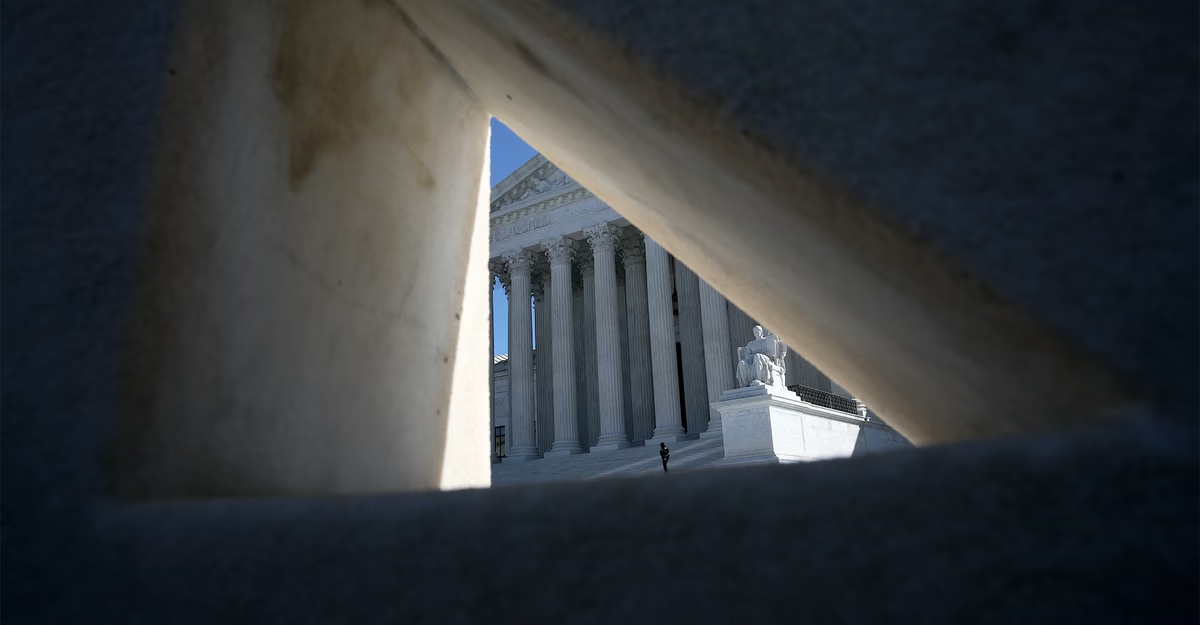
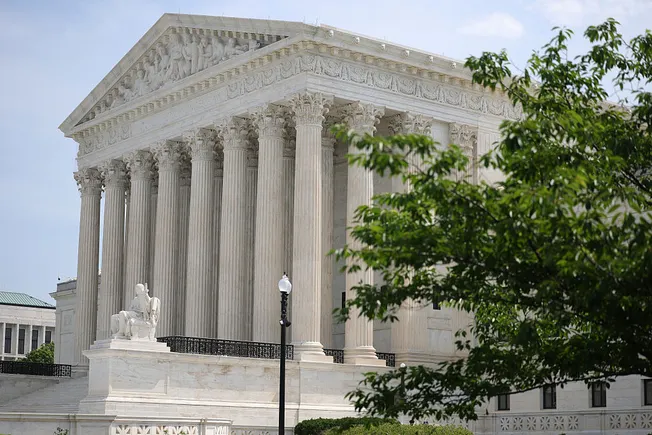
Roberts’ effort climaxed on Monday as he led a majority to reverse a 1935 case, Humphrey’s Executor v. United States, that had allowed Congress to restrict the president’s authority to fire agency heads to ensure their independence. From his seat at the center of the elevated bench, the chief justice observed that the court had been steadily backing away from the 1935 precedent, which he insisted conflicted with constitutional history and structure.