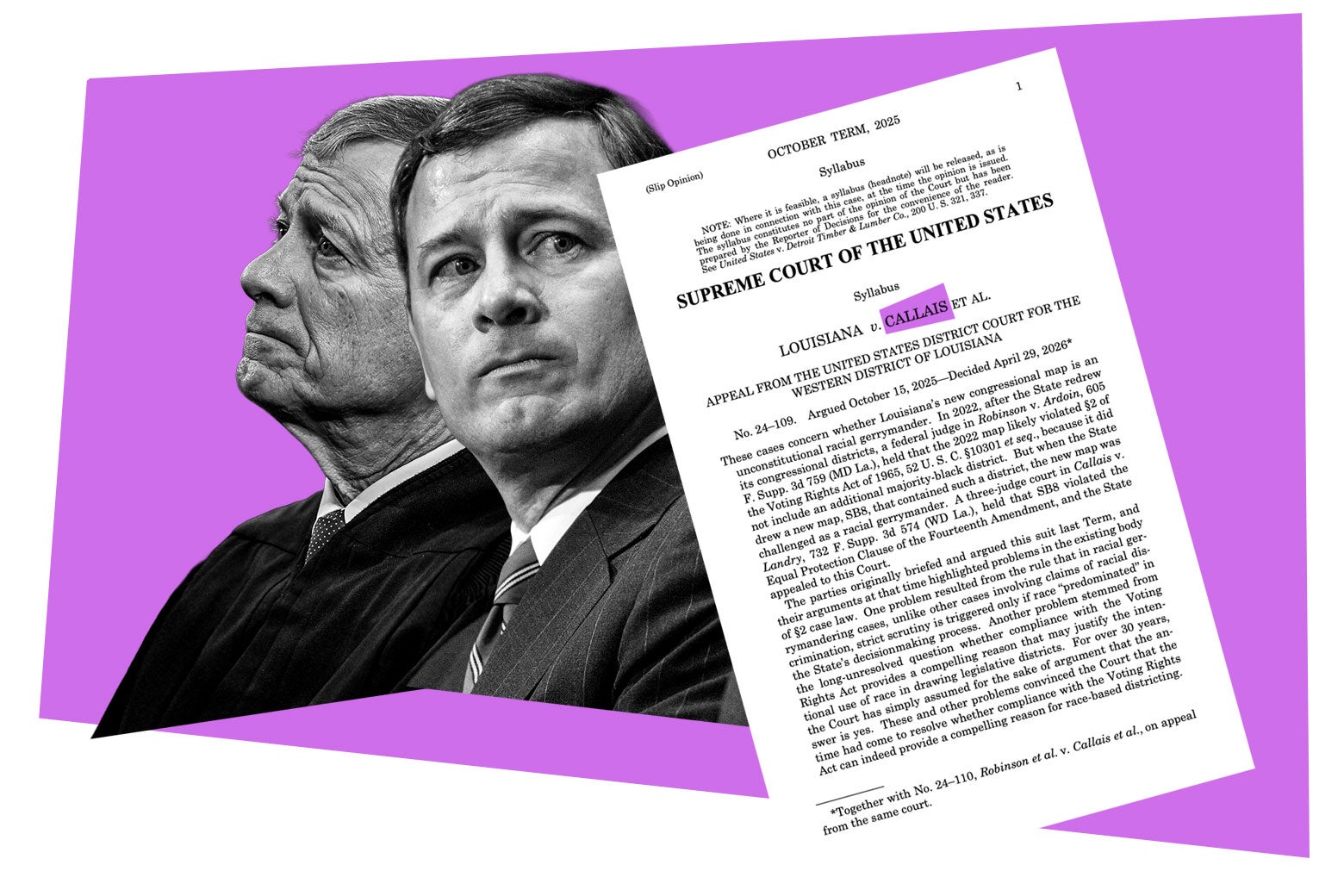
Over his two decades on the Supreme Court, United States Chief Justice John Roberts had consistently played the long game when it comes to the court’s weakening of voting rights. That was until the past few weeks. With a series of major upheavals in the past month alone, Roberts has signaled that he is shifting to a two-minute offense. This change of velocity, heralded by rulings relating to Louisiana’s and Alabama’s redistricting, threatens to continually upend American elections and create incentives for maximum partisan warfare at exactly the wrong time. The question is why Roberts is suddenly playing like a man running out of time.
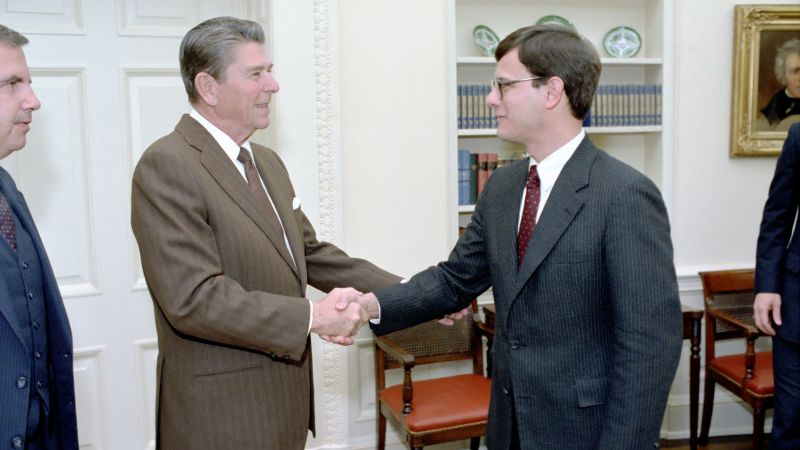
Let’s review ways in which the chief justice, and the court he has led, had shown remarkable patience in voting and election cases. When Roberts was a 26-year-old staffer in the Reagan administration in 1982, he led the charge against Congress expanding Section 2 of the Voting Rights Act to give minority voters a better chance to elect their candidates of choice to Congress, state legislatures, and local bodies. He believed that the new Section 2 would lead to proportional representation, rather than something more akin to a winner-take-all system, and strongly opposed what he termed racial quotas. He lost that battle over the scope of Section 2 when Congress passed the 1982 VRA amendments. But Roberts bode his time.