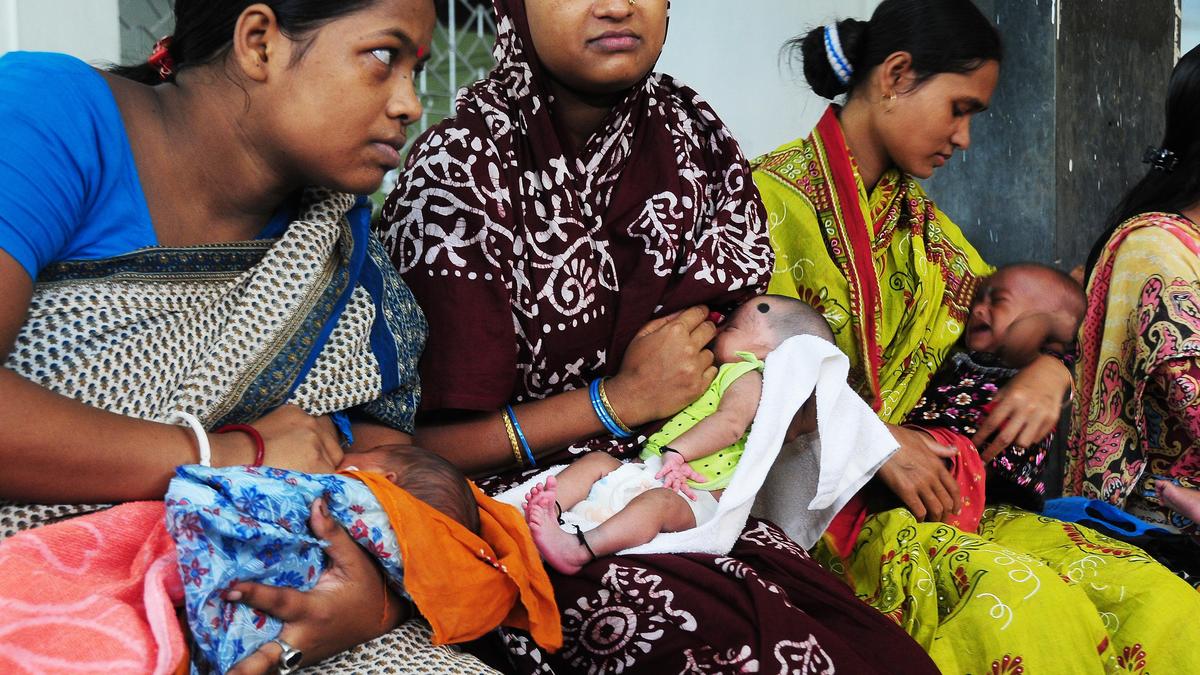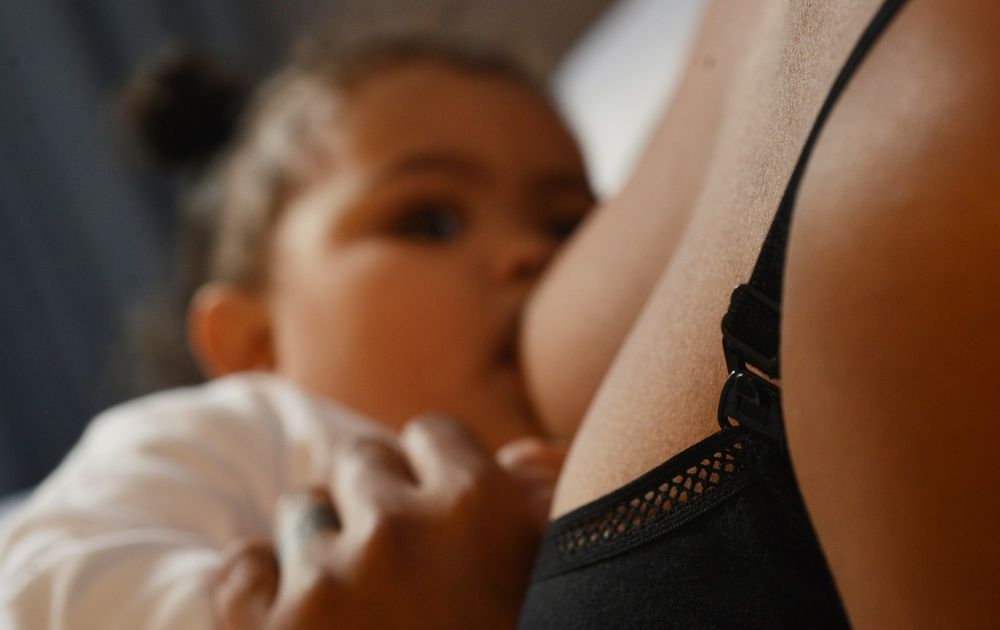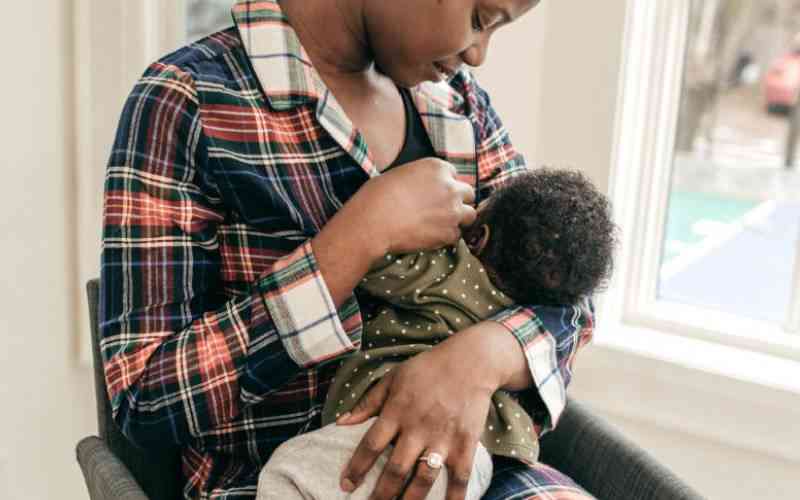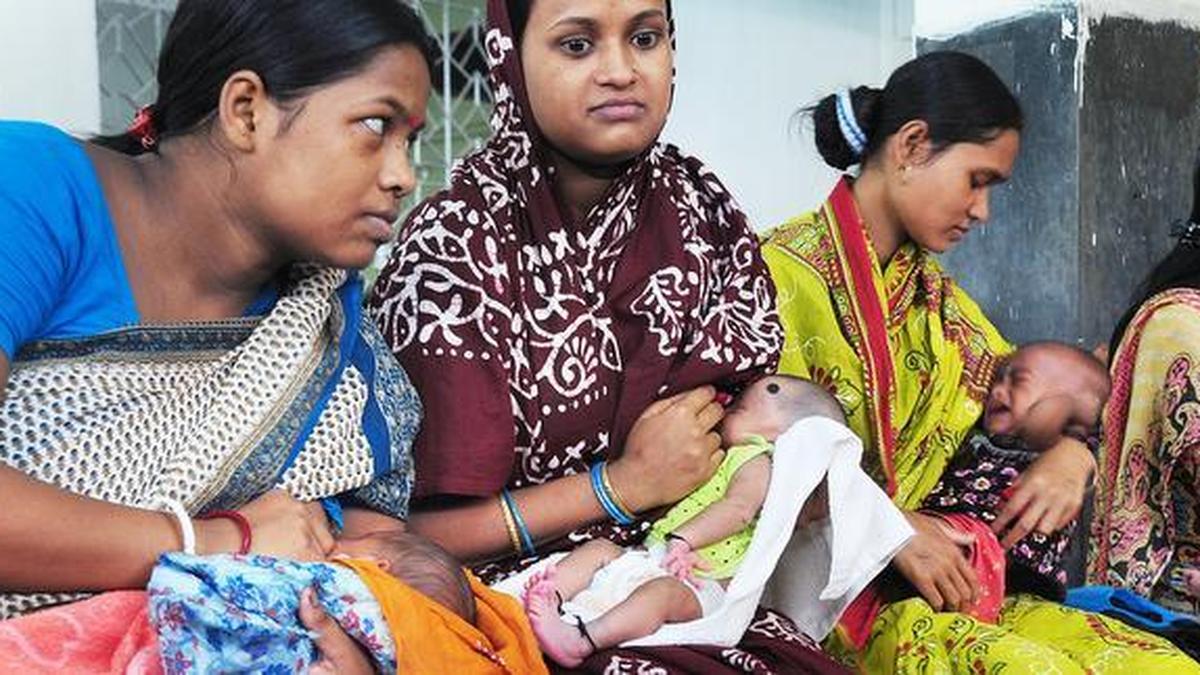
Caesarean deliveries, inadequate lactation counselling, lack of support at home, and difficulties in returning to work can affect breastfeeding. Image used for representational purposes only
| Photo Credit: File Photo
India has seen a widening gap between initiating breastfeeding soon after childbirth and sustaining exclusive breastfeeding through the first six months, with the latest National Family Health Survey (NFHS-6) showing a decline in exclusive breastfeeding even as early initiation has improved.The proportion of children under six months who were exclusively breastfed fell nationally from 63.7% in NFHS-5 to 55.8% in NFHS-6. In contrast, breastfeeding within one hour of birth increased from 41.8% to 50.1%. The findings suggest that the challenge increasingly lies in helping mothers continue breastfeeding after they leave healthcare facilities. The week ending Friday was observed as World Breastfeeding Week.In KarnatakaKarnataka presents a relatively better picture of exclusive breastfeeding. The proportion of infants under six months who were exclusively breastfed increased marginally from 61.0% to 61.6%, keeping the State above the national average. However, early initiation in the State declined slightly, from 49.1% to 48.3%.There has been some improvement in complementary feeding in Karnataka. The proportion of children aged six to eight months receiving solid or semi-solid food along with breast milk increased from 45.8% to 57.9%. But the proportion of breastfeeding children aged six to 23 months receiving an adequate diet remains low, despite increasing from 10.6% to 14.2%. Among all children in this age group, the proportion receiving an adequate diet rose from 12.4% to 18.3%.The challenge after dischargeSarath Gopalan, president of the Nutrition Society of India and senior consultant paediatric gastroenterologist at Madhukar Rainbow Children’s Hospital, said many mothers want to breastfeed but find it difficult to continue exclusively for six months.“India has made progress in helping mothers start breastfeeding soon after birth, but many struggle to continue exclusively for the first six months. Often, the challenges begin after they leave the hospital, when they may not have the same support and guidance,” he said.Caesarean deliveries, inadequate lactation counselling, lack of support at home, and difficulties in returning to work can affect breastfeeding. Maternity protection also remains limited, with more than 90% of working women in the informal sector outside the coverage of formal paid maternity leave.Maternal nutrition mattersAnura Kurpad, professor and head of physiology at St. John’s Medical College and senior advisor (health and nutrition), Tata Trusts, said the nutritional needs of the mother should receive greater attention.“While a mother’s body naturally prioritises the baby’s nutritional needs, it often does so at the expense of her own nutritional reserves,” he said. Nutrients such as iron, zinc, folate, calcium, and copper are transferred to breast milk even when the mother’s diet is inadequate. Prolonged nutritional depletion can contribute to anaemia, micronutrient deficiencies, fatigue, and poorer maternal health, Dr. Kurpad said.He said supporting breastfeeding requires attention to maternal nutrition, rest, and recovery. Simple additions to regular meals — such as milk or curd, eggs where culturally acceptable, pulses, groundnuts, seasonal fruits, and vegetables — can help meet increased nutritional requirements during lactation.Breastfeeding needs a support systemAdhunika Prakash, founder of Breastfeeding Support for Indian Mothers, said breastfeeding should be treated as a public health priority rather than an individual responsibility.“Closing this gap requires greater awareness, stronger support systems, and evidence-based guidance for every mother,” she said, calling for comprehensive lactation education in medical and nursing curricula and access to skilled lactation counselling irrespective of socioeconomic background. Published - August 10, 2026 08:45 pm IST