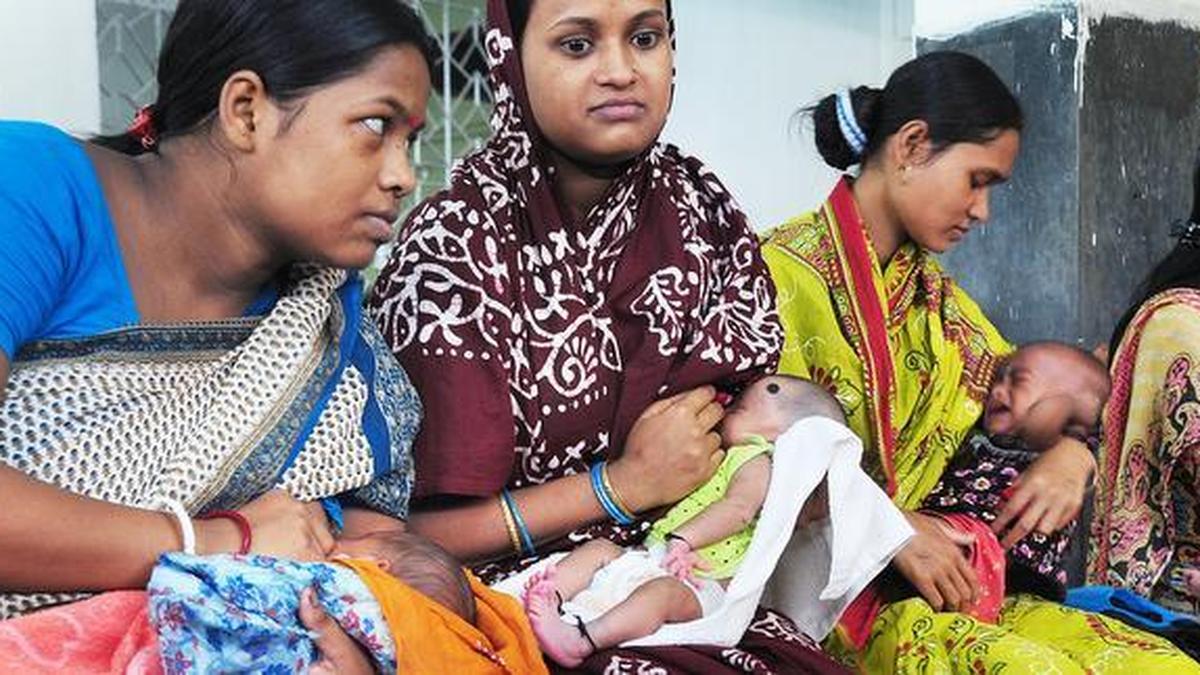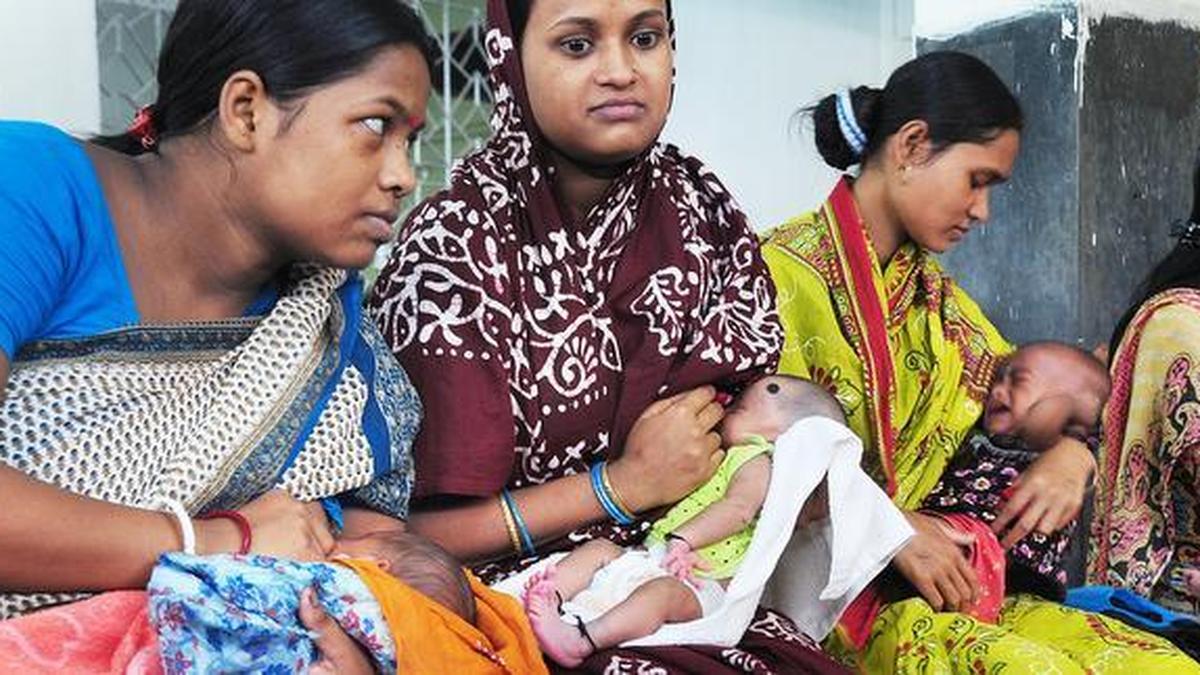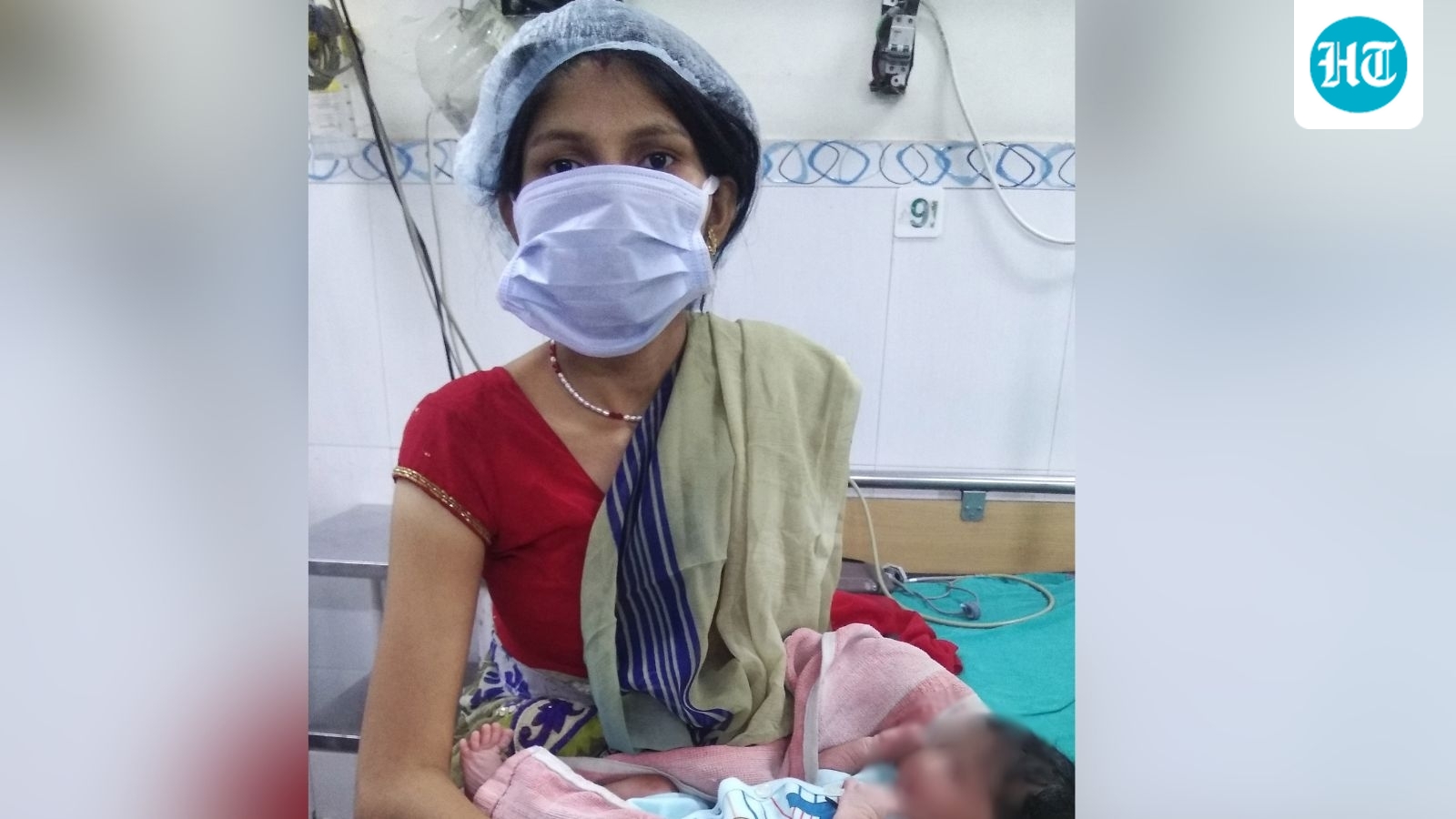
Saritha, 27, could not manage to exclusively breastfeed her sons — now aged four and eight — for the recommended first six months despite having normal institutional deliveries. She works as a domestic help in central Delhi’s Rajendra Nagar. Her husband drives for a ride-hailing platform and takes up odd jobs such as washing cars and serving at weddings to support the family. “I returned to work within two months of my delivery and had no option but to introduce infant formula before my sons turned six months old. If I do not work, we cannot pay rent or meet our living expenses. Every new birth comes with additional costs. Besides, my in-laws live with us and are financially dependent on us,” she said. Saritha is among a growing number of mothers in India unable to exclusively breastfeed (EBF) their infants for the recommended six months.
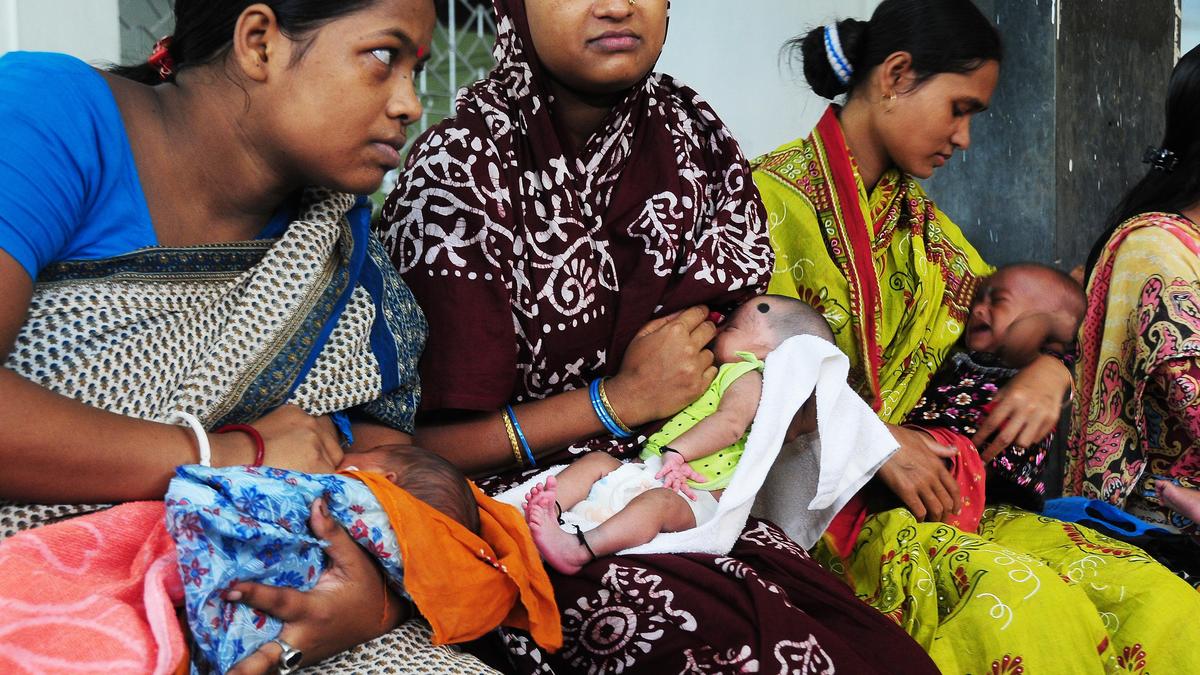
Lactation Management Units provide lactation support and donor human milk for premature and unwell newborns when the mother’s milk is unavailable.
| Photo Credit:
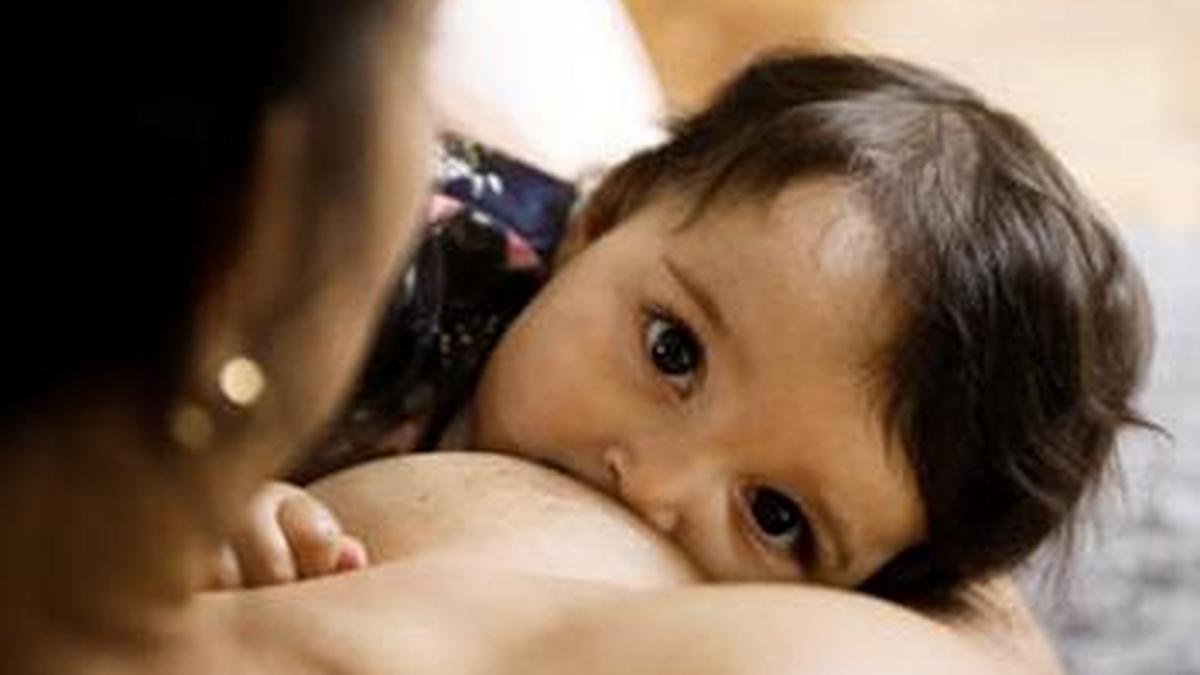
Why EBF matters EBF is considered one of the most effective interventions for ensuring the survival and healthy development of the child. Breast milk provides all the nutrients an infant needs during the first six months of life. It contains antibodies that protect against common childhood illnesses such as diarrhoea and respiratory infections, supports healthy growth and brain development, and lowers the risk of malnutrition and infant mortality. For mothers, breastfeeding helps in recovery after childbirth and reduces the risk of breast and ovarian cancers. Since it is safe, hygienic and cost-effective, the World Health Organization (WHO) and the United Nations Children’s Fund (UNICEF) recommend initiating breastfeeding within one hour of birth and continuing it for the first six months. Consequently, trends in EBF are closely monitored in India’s National Family Health Survey (NFHS) because they are important indicators of child health, nutrition and overall public health progress. Lower EBF rates can adversely affect child nutrition, increase infections and healthcare costs, and slow progress in reducing child mortality. The latest NFHS-6 indicates worrying trends.