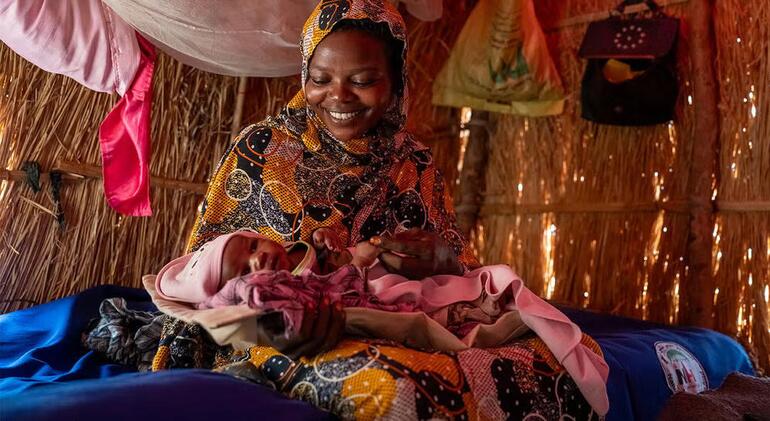
Mothers still lack support to breastfeed, UN warns
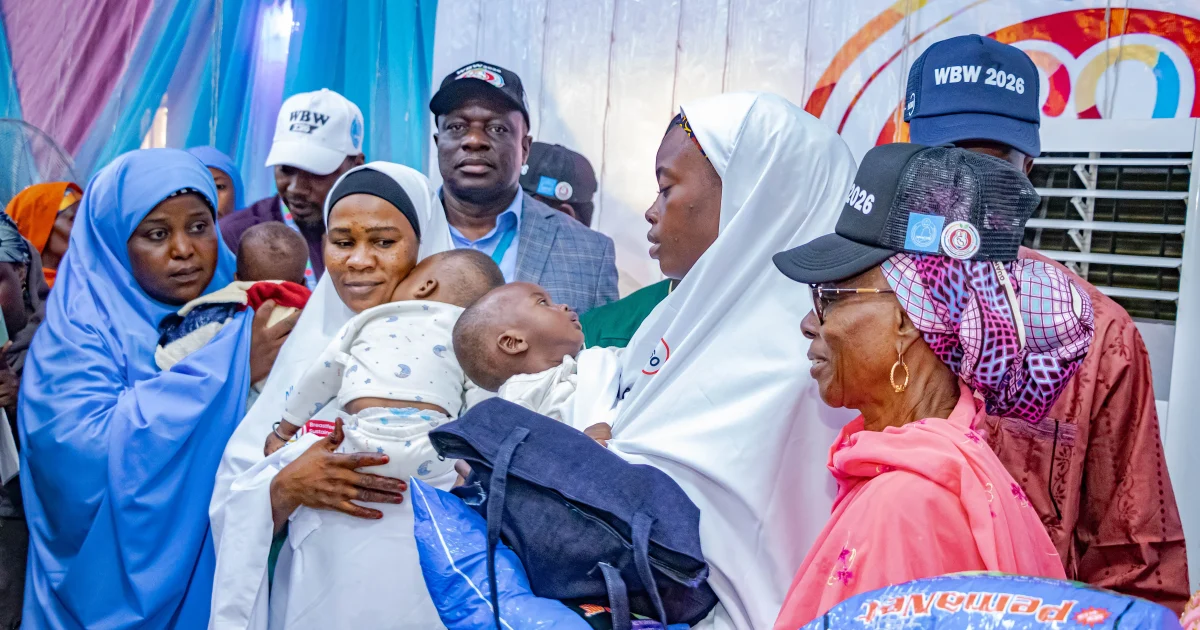
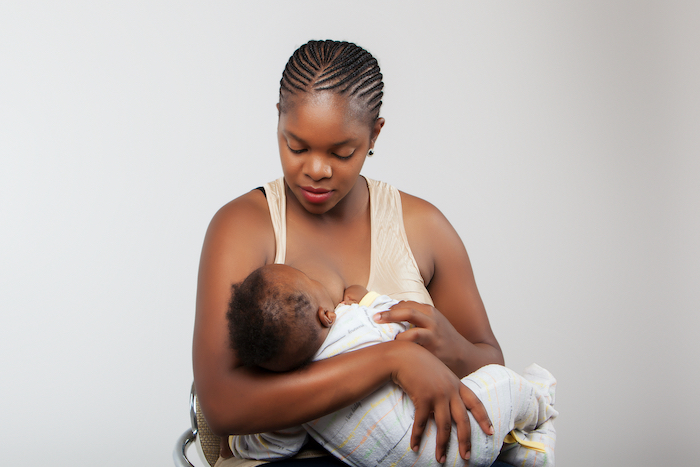
Health systems, workplaces and communities must do more to support mothers and newborns, children’s agency UNICEF and the World Health Organization said, calling for stronger counselling, maternity protections and tougher safeguards against the marketing of breastmilk substitutes. The appeal comes as countries mark World Breastfeeding Week from 1 to 7 August, under the theme Breastfeeding for a Sustainable Start in Life: Strengthen What Works.
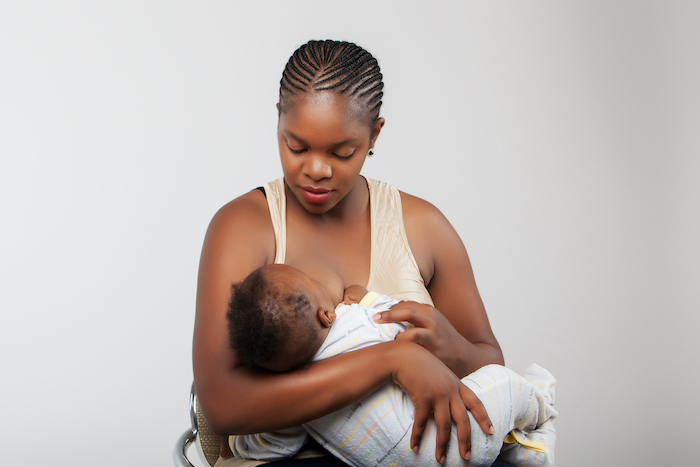
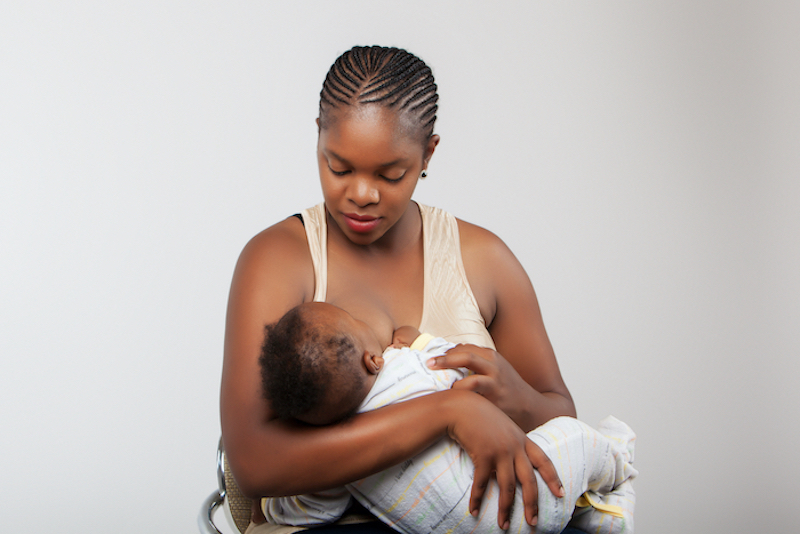
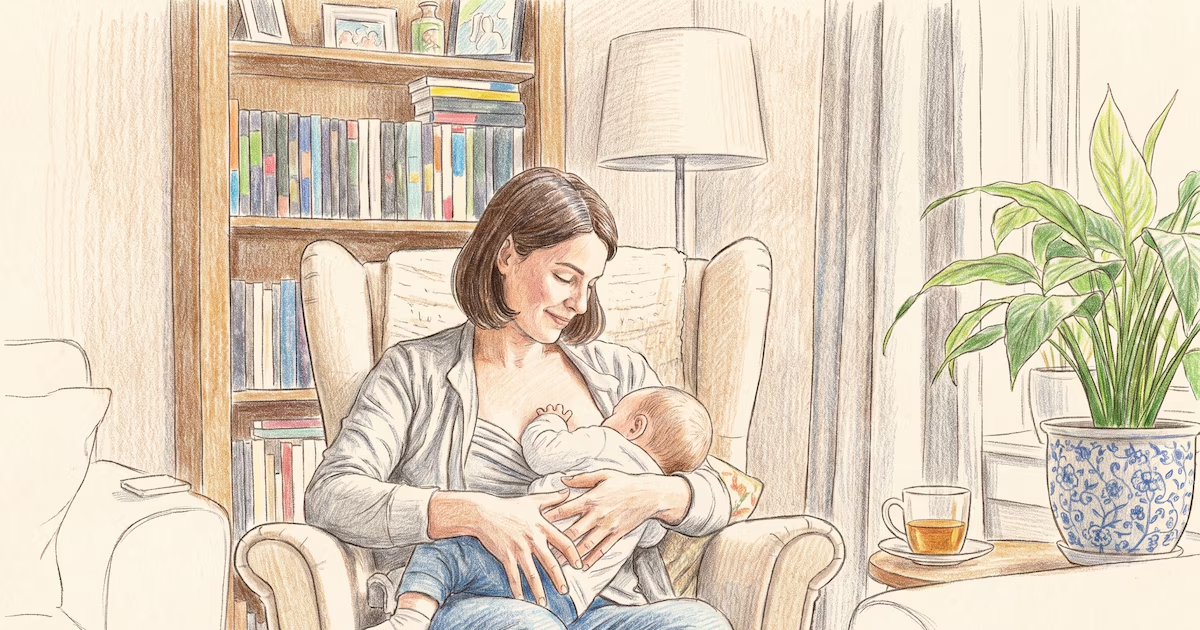
Simple, powerful and vital Breastfeeding is one of the simplest and most powerful ways to protect a child’s health. It provides infants and young children with essential nutrition, increases immunity, helps protect against serious illness, and supports cognitive development. Mothers also benefit as breastfeeding helps to reduce the risk of noncommunicable diseases such as breast and ovarian cancers, and type 2 diabetes. “Breastfeeding is vital,” UNICEF Executive Director Catherine Russell and WHO Director-General Tedros Adhanom Ghebreyesus said in a joint statement. “By investing in proven solutions, we can give every child the best possible start in life and ensure every mother gets the care and services she needs.” Clean, safe and readily available Scaling up breastfeeding could prevent almost 400,000 child deaths and around 140,000 maternal deaths each year, the agency chiefs said. WHO and UNICEF have long recommended that breastfeeding begin within the first hour of birth, that infants be exclusively breastfed for the first six months, and that breastfeeding continue up to two years or beyond, alongside safe and appropriate complementary foods from six months. These practices remain critical to raising healthy babies, even during crisis such as the war in Sudan. “Breastfeeding is important because it is a readily available, clean and safe source of food and hydration for infants and it also provides an immunisation system for babies,” said Rawan, a nutrition assistant with the UN World Food Programme (WFP) on the ground. Progress and pitfalls