THE ESSENCE OF EXCLUSIVE BREASTFEEDING
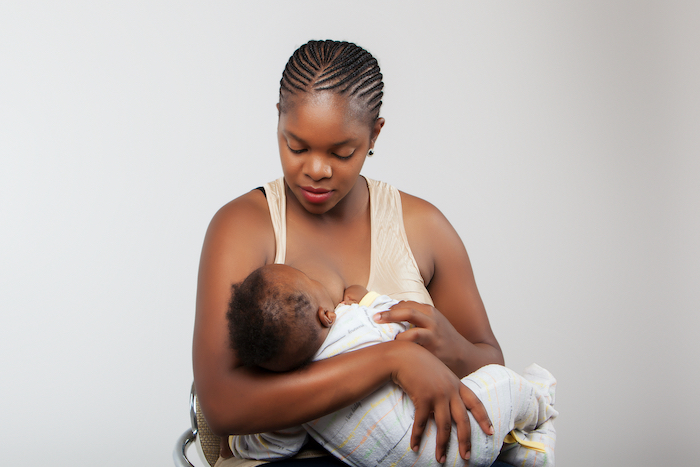
Nigerian mothers should be supported to breastfeed their children
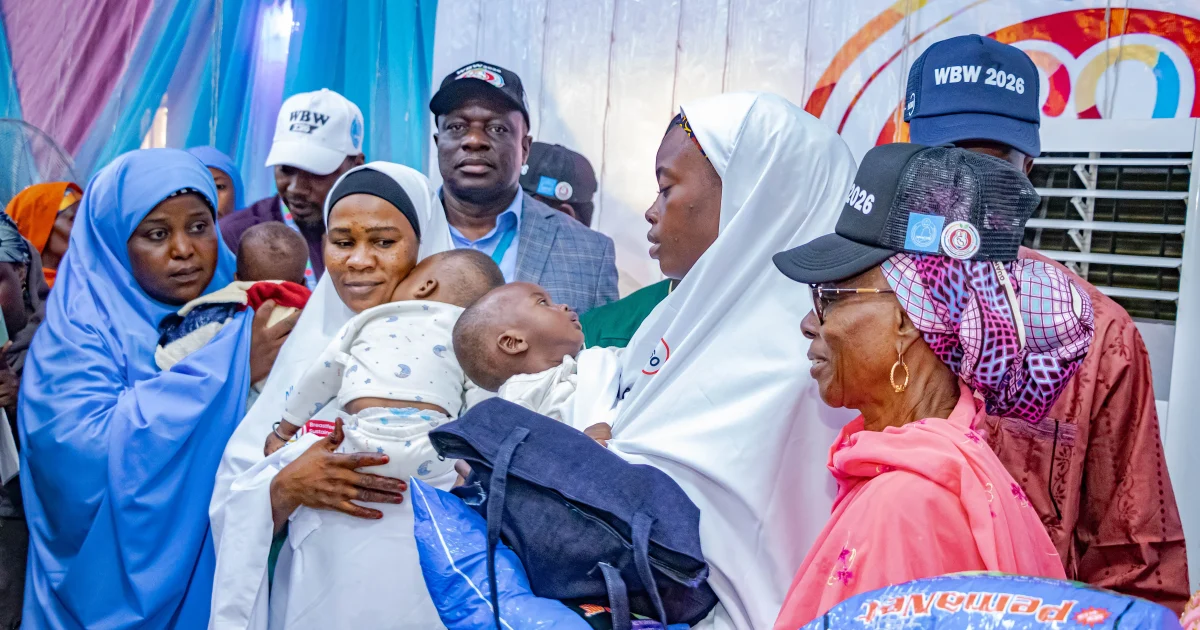
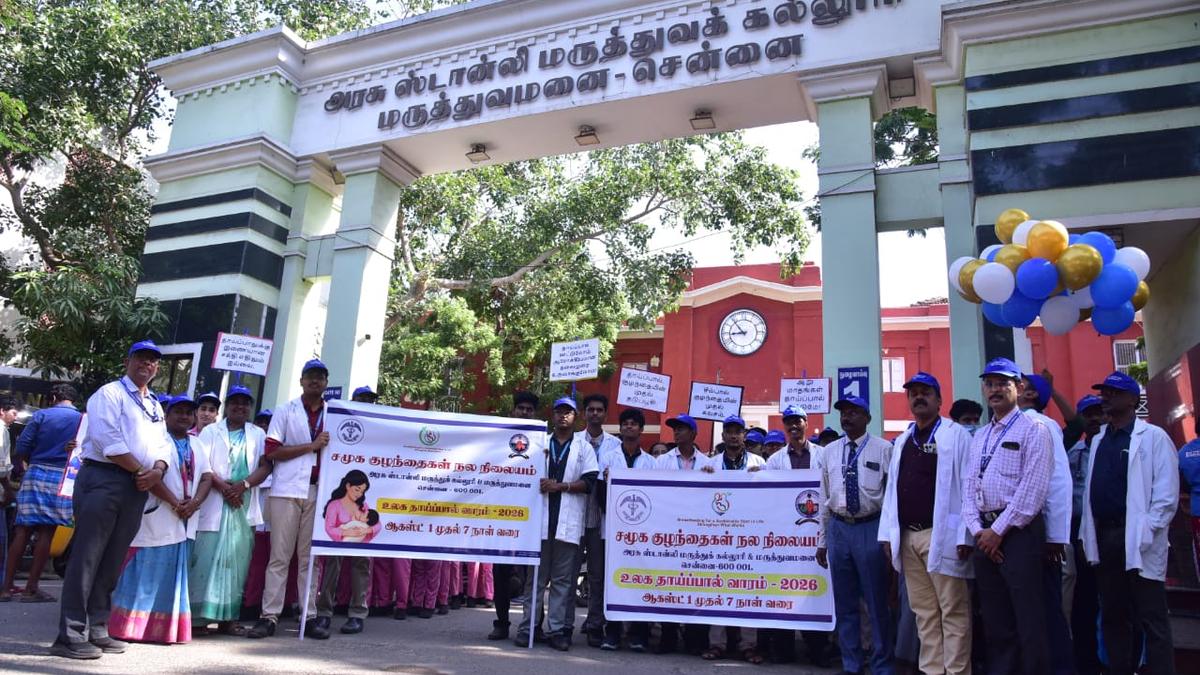
The 2026 edition of the World Breastfeeding Week (WBW) celebration kicked off last Saturday with the theme, ‘Breastfeeding for a Sustainable Start in Life: Strengthen What Works’. It is coming at a period when the United Nations Children’s Fund (UNICEF) has raised serious concerns over the low rate of exclusive breastfeeding in Nigeria. “Despite the overwhelming evidence supporting breastfeeding, many families continue to face barriers arising from misinformation, harmful social norms, inadequate workplace support and inconsistent public messaging,” said the Officer-in-Charge of UNICEF Field Office, Enugu, Dr. Hilary Ozoh. “Addressing these challenges requires collective action, and the media has a unique and indispensable role to play.”
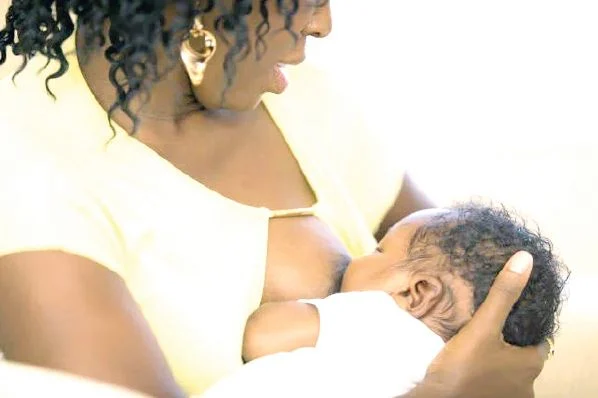
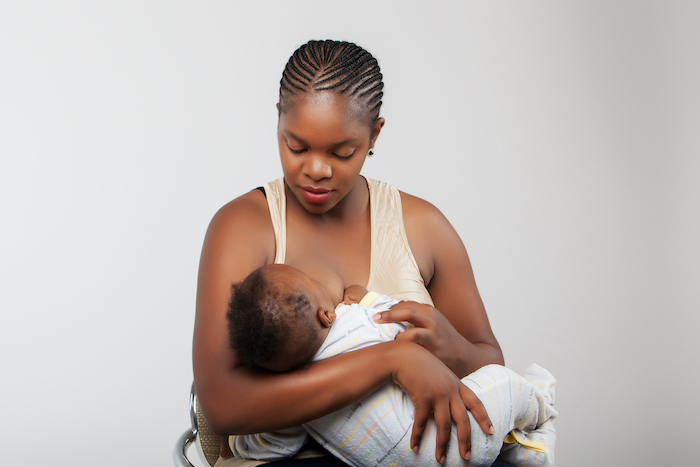
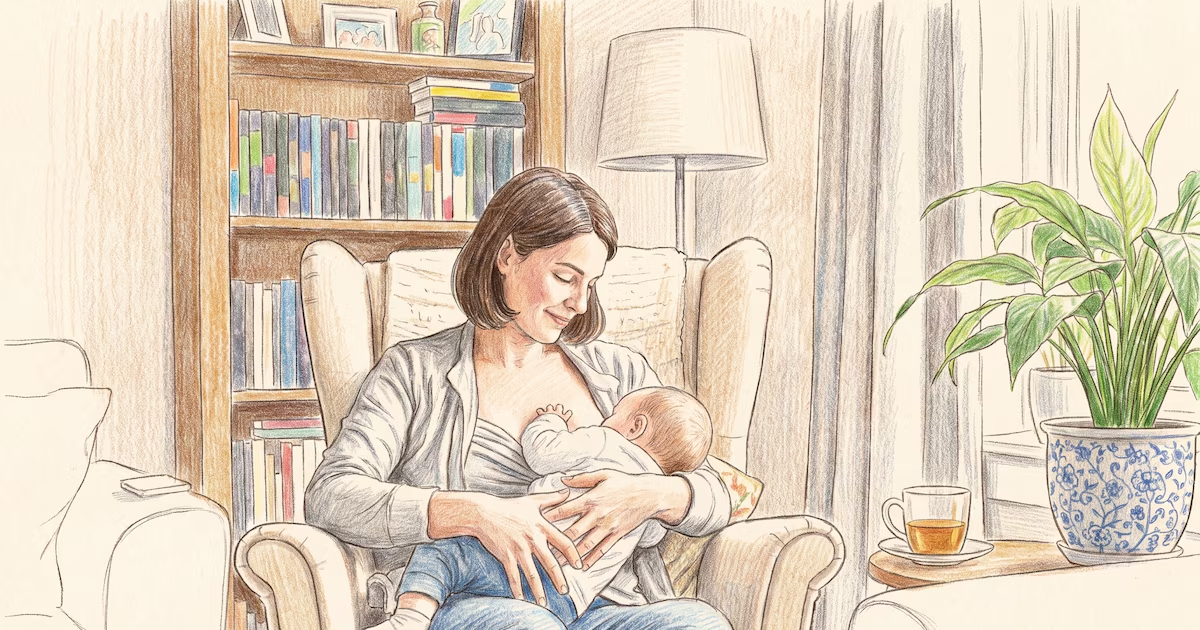
The essence of the annual campaign is to promote Exclusive Breastfeeding (EBF) for babies in their first six months and continued breastfeeding for up to two years of age or beyond. With its EBF rate estimated at 29 per cent, Nigeria falls below the recommended minimum of 60 per cent by both UNICEF and World Health Organisation (WHO). Even when breast milk has been identified as being central to child survival and development, ignorance and misconceptions about EBF have been identified as factors that significantly hinder many mothers from breastfeeding practices in Nigeria.