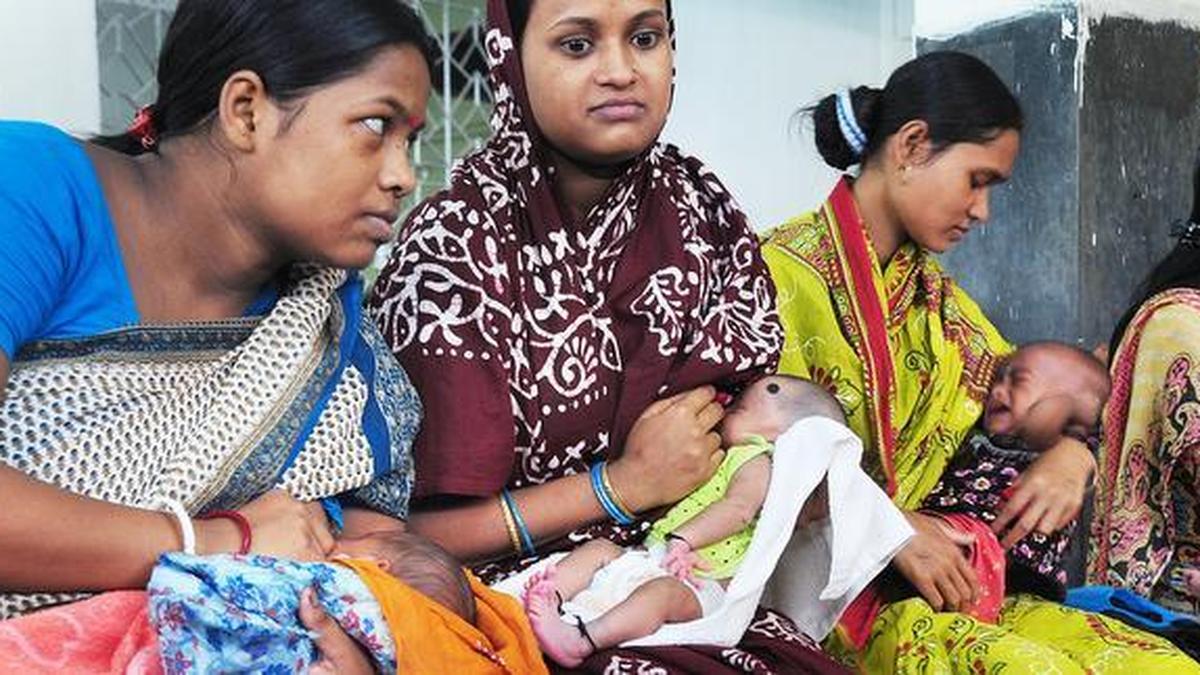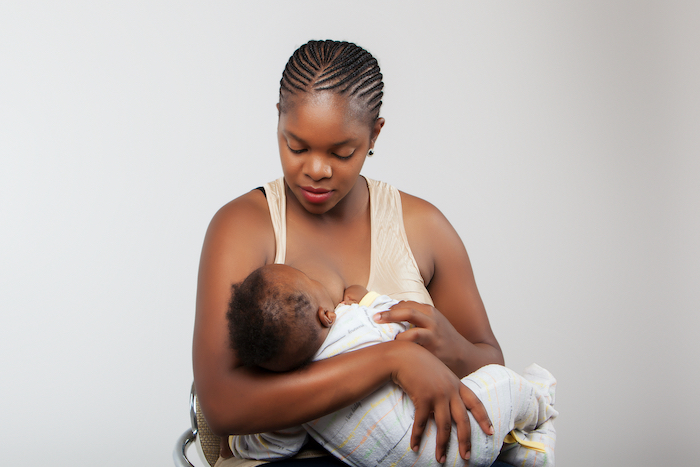
Seven months into her pregnancy, Ope is eagerly preparing for motherhood. Like many expectant mothers, she hopes to exclusively breastfeed her baby for the first six months of life, giving her child the healthiest possible start. But as she starts planning her return to work, she is discovering that good intentions alone may not be enough, as she encounters harsh realities about successful exclusive breastfeeding.
As a private-sector employee, Ope knows that once her maternity leave ends, she will have to resume work long before her baby reaches the recommended six months of exclusive breastfeeding.
After giving birth, she has only six weeks of maternity leave at 50 percent of her salary before returning to work. She has also learnt that her workplace has no designated breastfeeding room, no crèche, and no private space where nursing mothers can express and safely store breast milk. Many of her female colleagues resort to breastfeeding in the parking lot, using wrappers for a measure of privacy.
Ope’s story is not unique; it reflects the experience of thousands of working mothers across Nigeria who want to practice exclusive breastfeeding but are constrained by the environments in which they live and work.