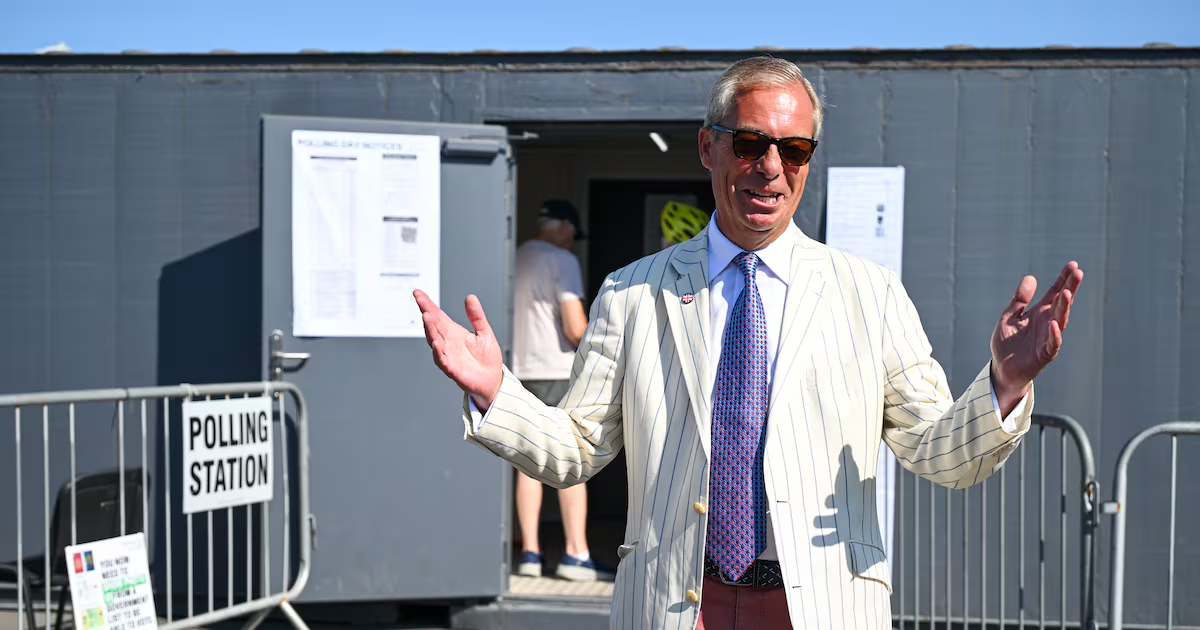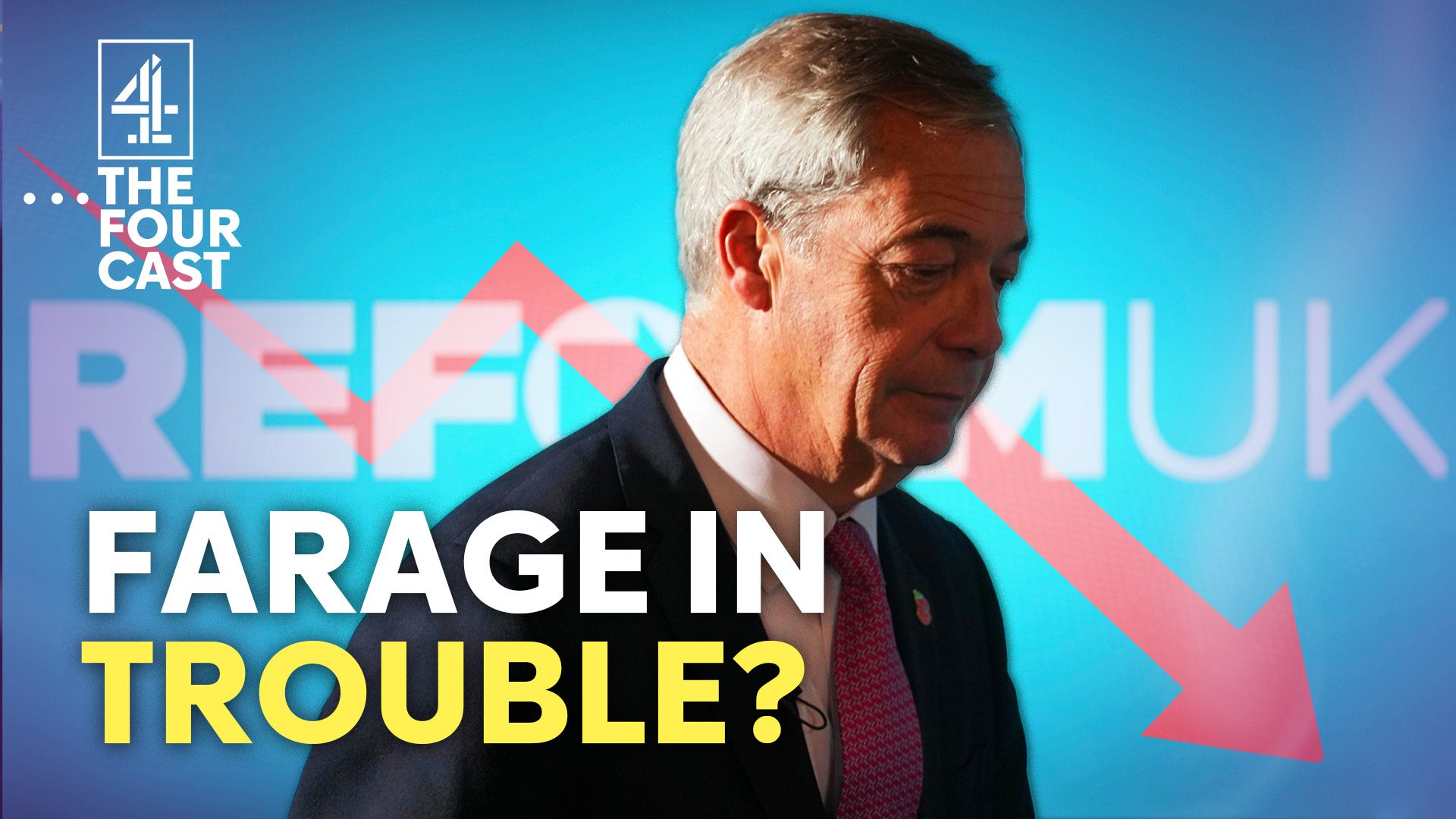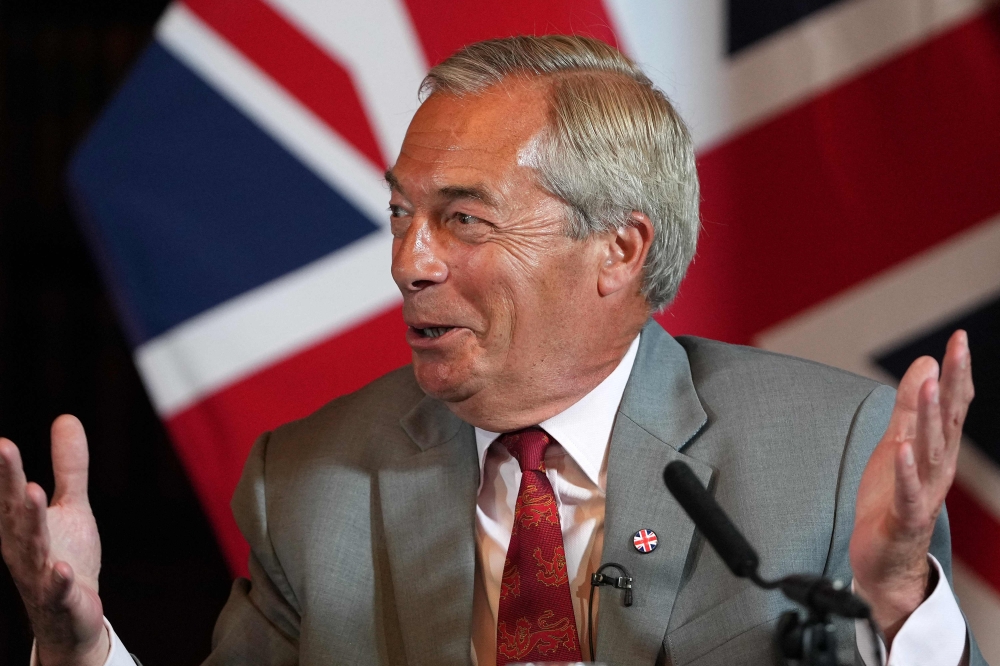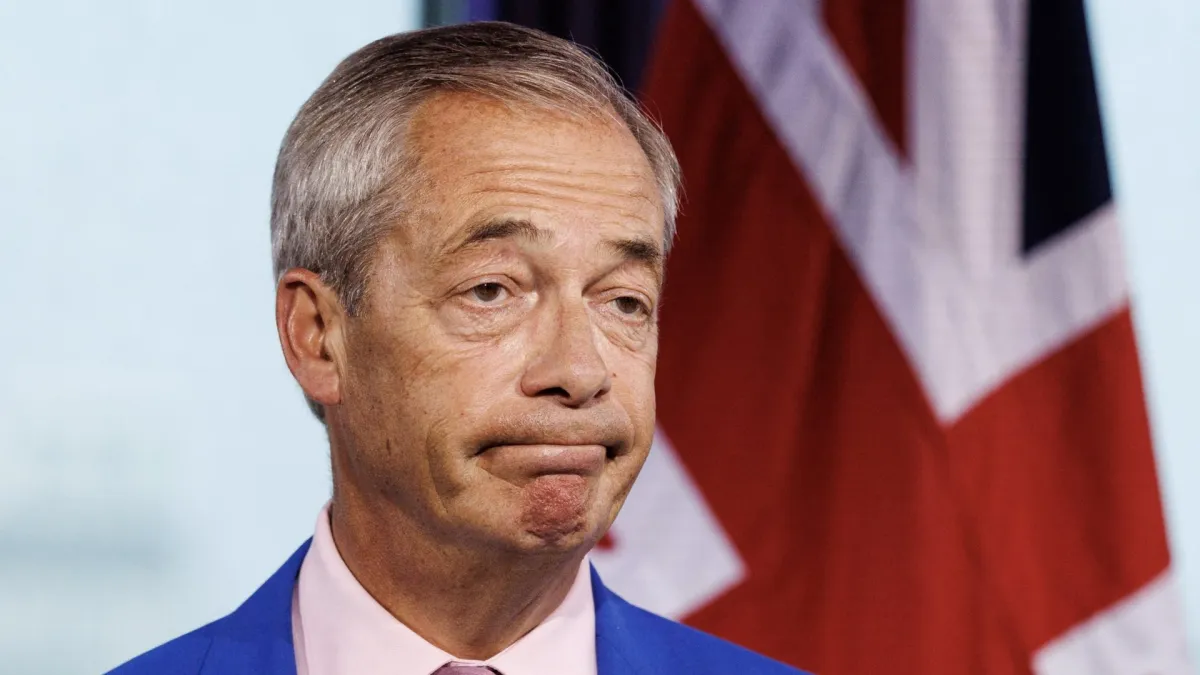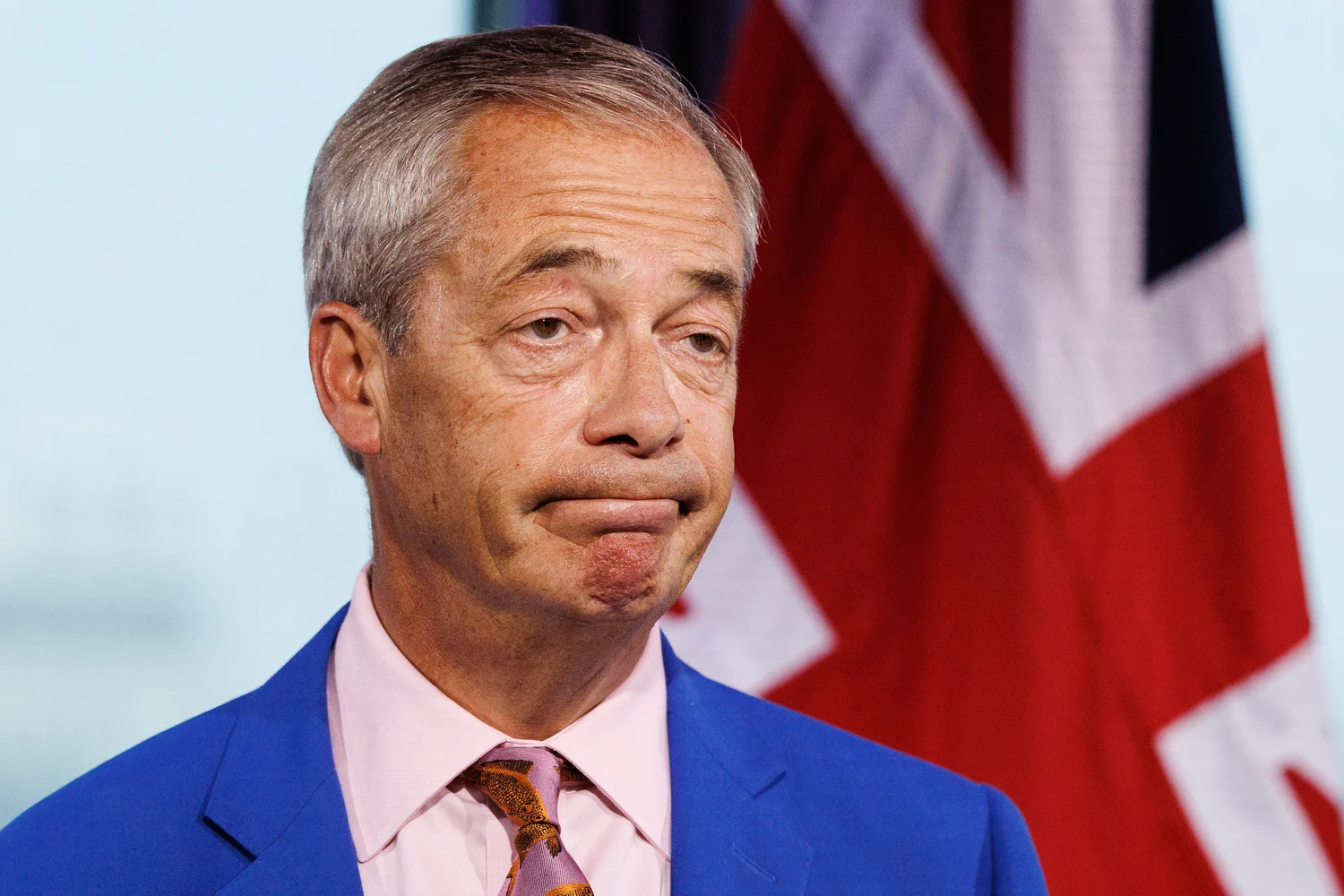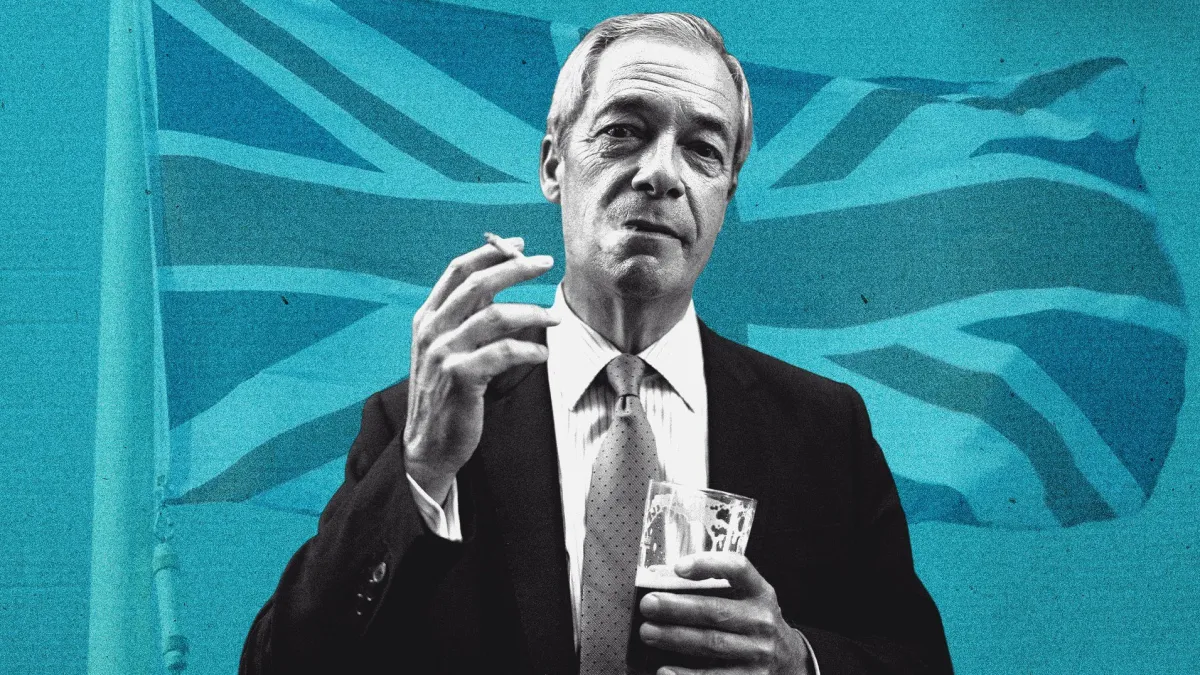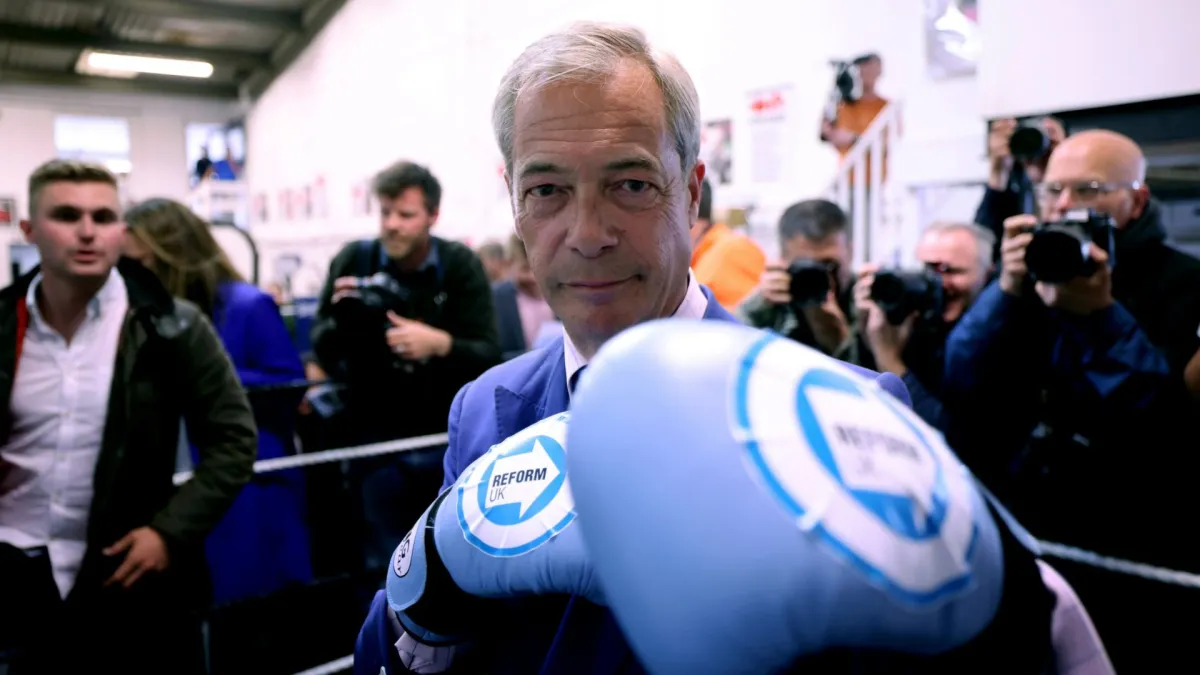
Nigel Farage was once the irresistible force in British politics. His insurgent party Reform UK thumped Labour and the Conservatives in the May local elections, gaining more than 1000 seats. An ebullient Farage began to think the unthinkable.
“I’ve never wanted in my life, never aimed to be Prime Minister,” he told Axel Springer boss and Daily Telegraph owner Mathias Dopfner, “But I now think only we can achieve change….I believe I’m the only person with the balls to actually stand up and do it.”
Now, thanks to a £5m “gift” from an offshore crypto billionaire, compounded by a party funding controversy linked to close aide and convicted fraudster “Posh” George Cottrell, Farage finds himself written off as a has-been.
Between these two extremes lies a more prosaic reality: Farage is damaged but not mortally wounded. The funding controversy cuts through because the cheeky chappie man of the people looks like he’s no different from the money-grubbing elite he’s spent a lifetime savaging. He will likely win this week’s Clacton by-election handsomely, but in the absence of serious opposition (apologies, Count Binface), Farage’s victory will be pyrrhic.
Yet Faragism will continue to thrive as long as its underlying causes remain. These are familiar but worth restating: immigration; the cost-of-living crisis; and widespread disillusionment with the Conservative party and Labour, the two mainstream parties which have dominated British politics for more than a century.