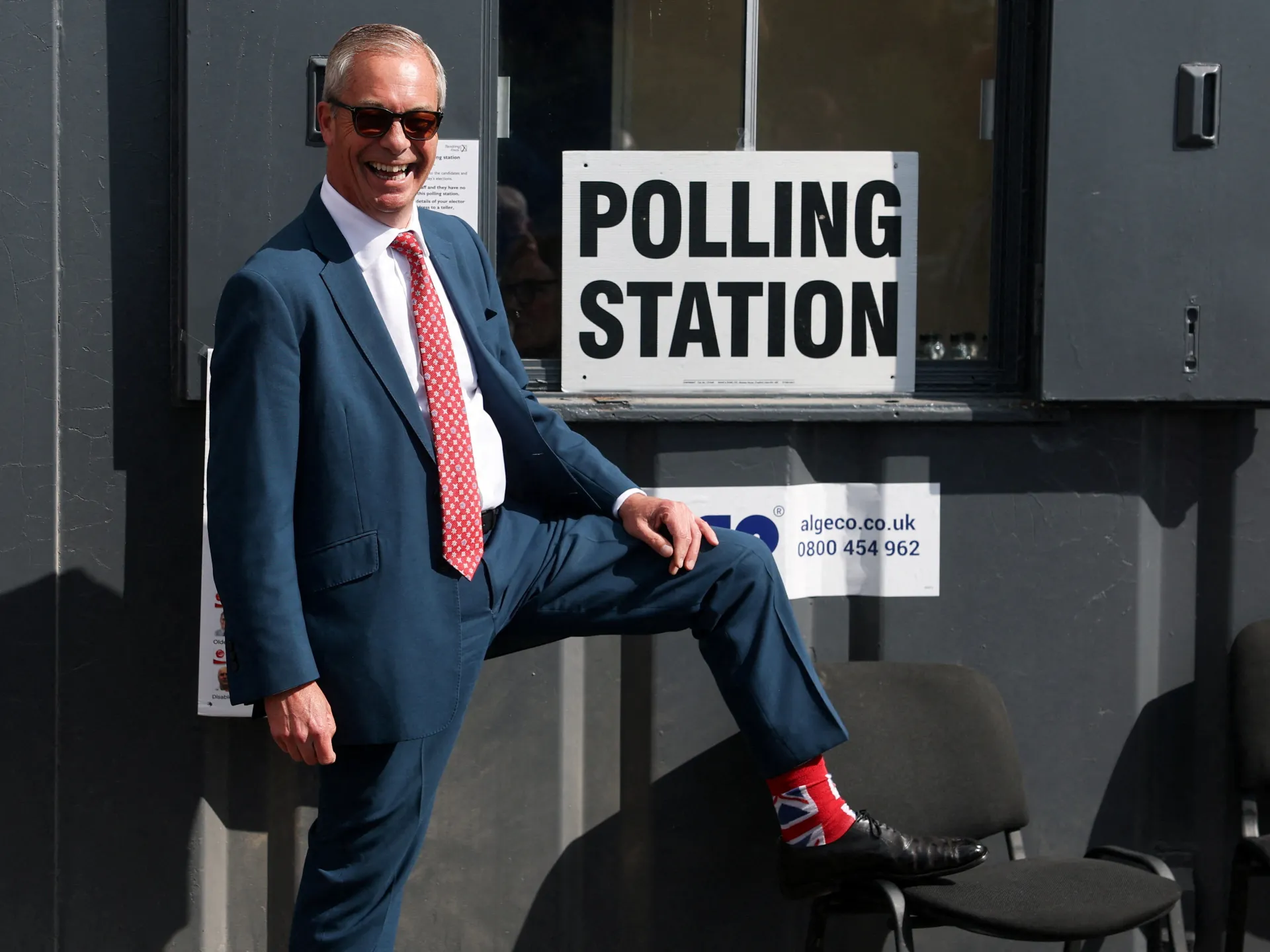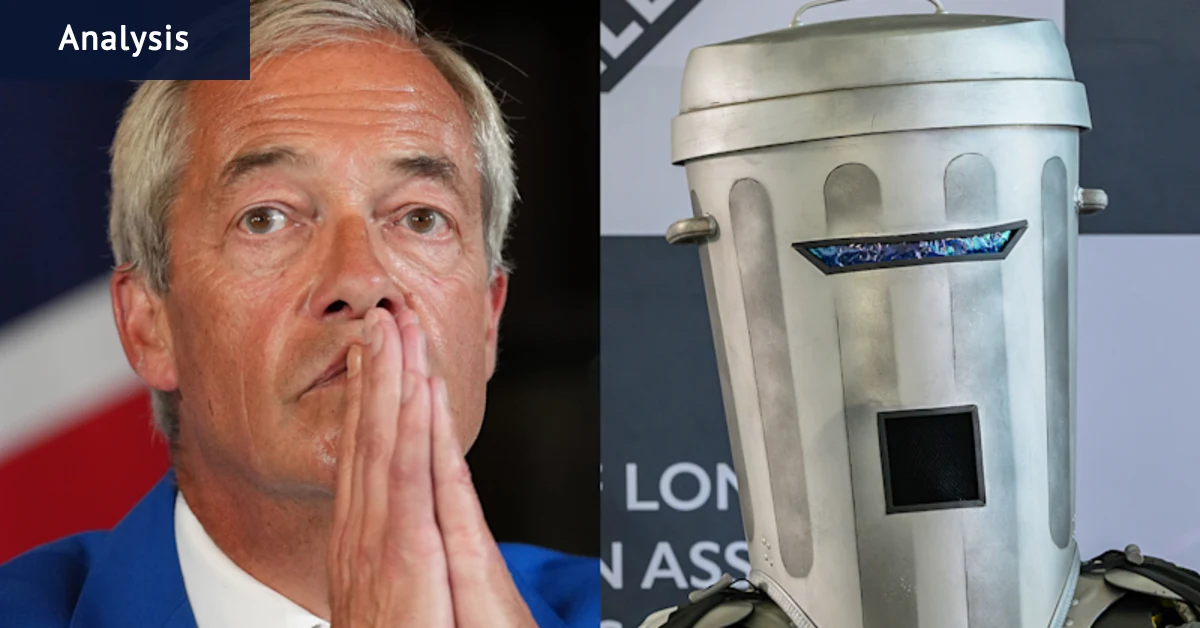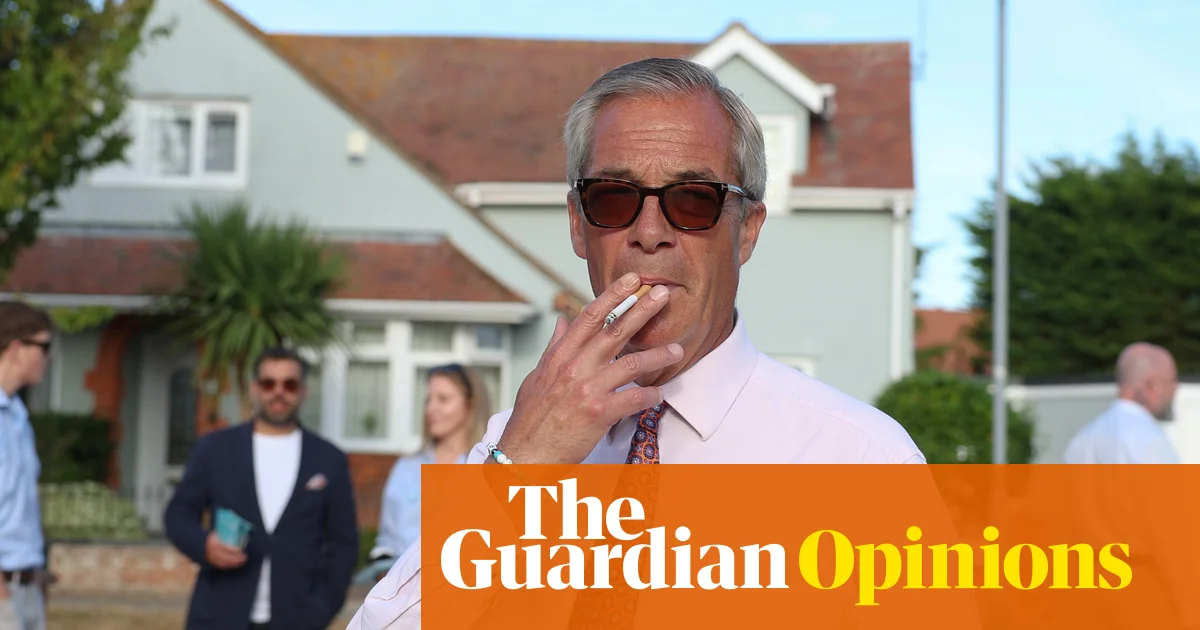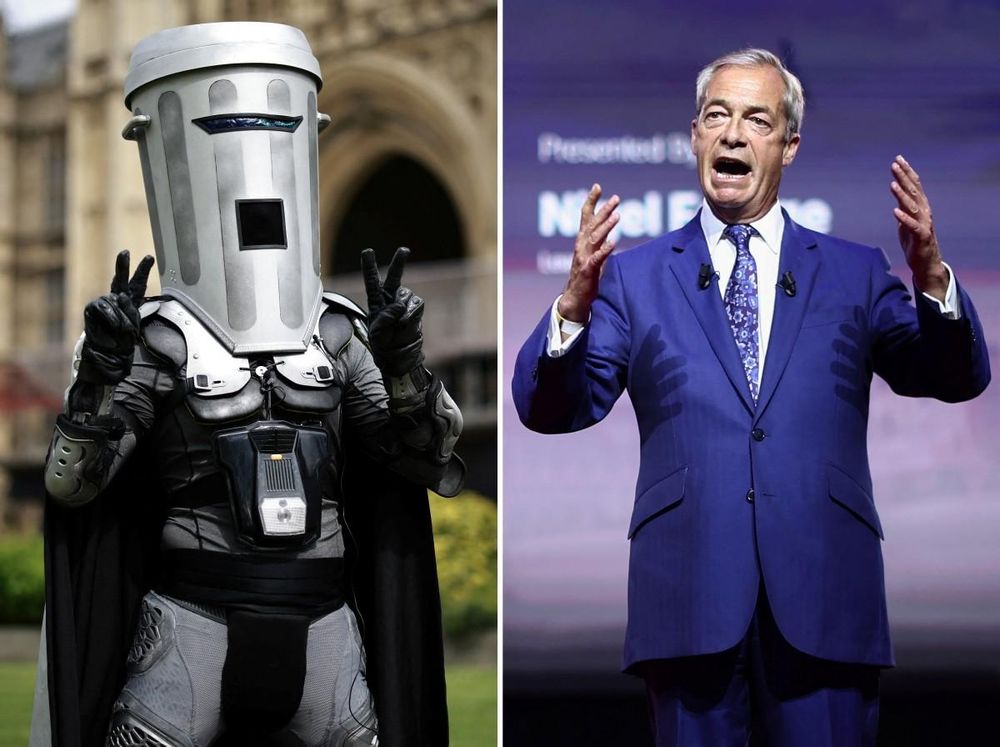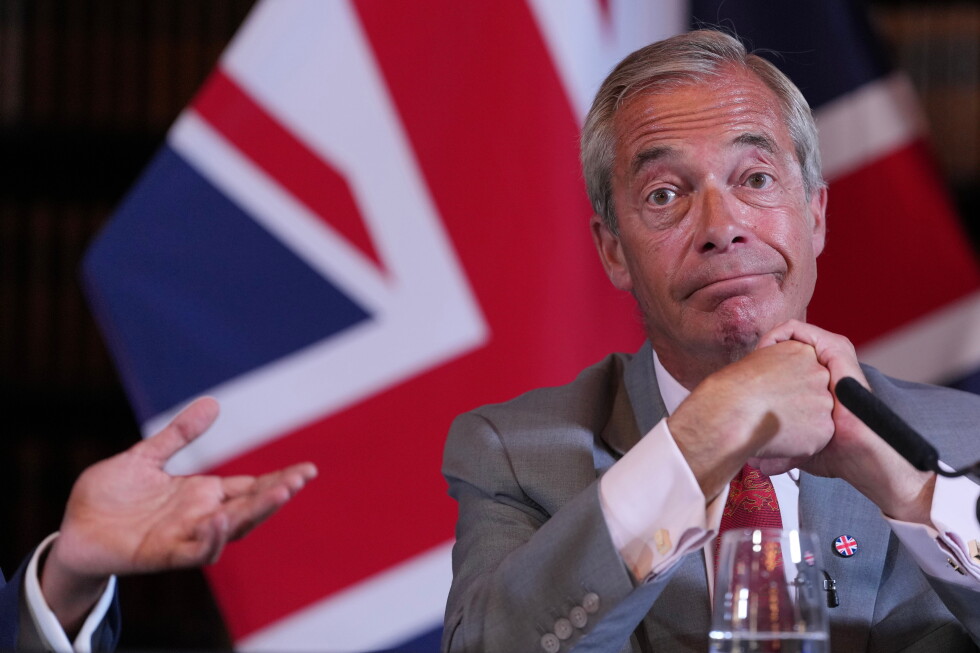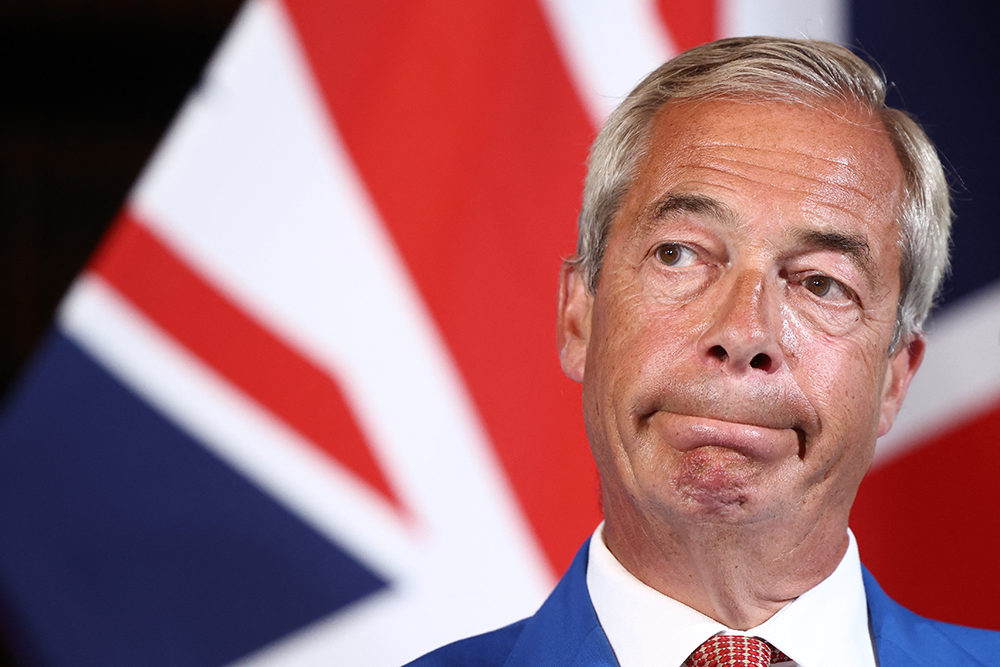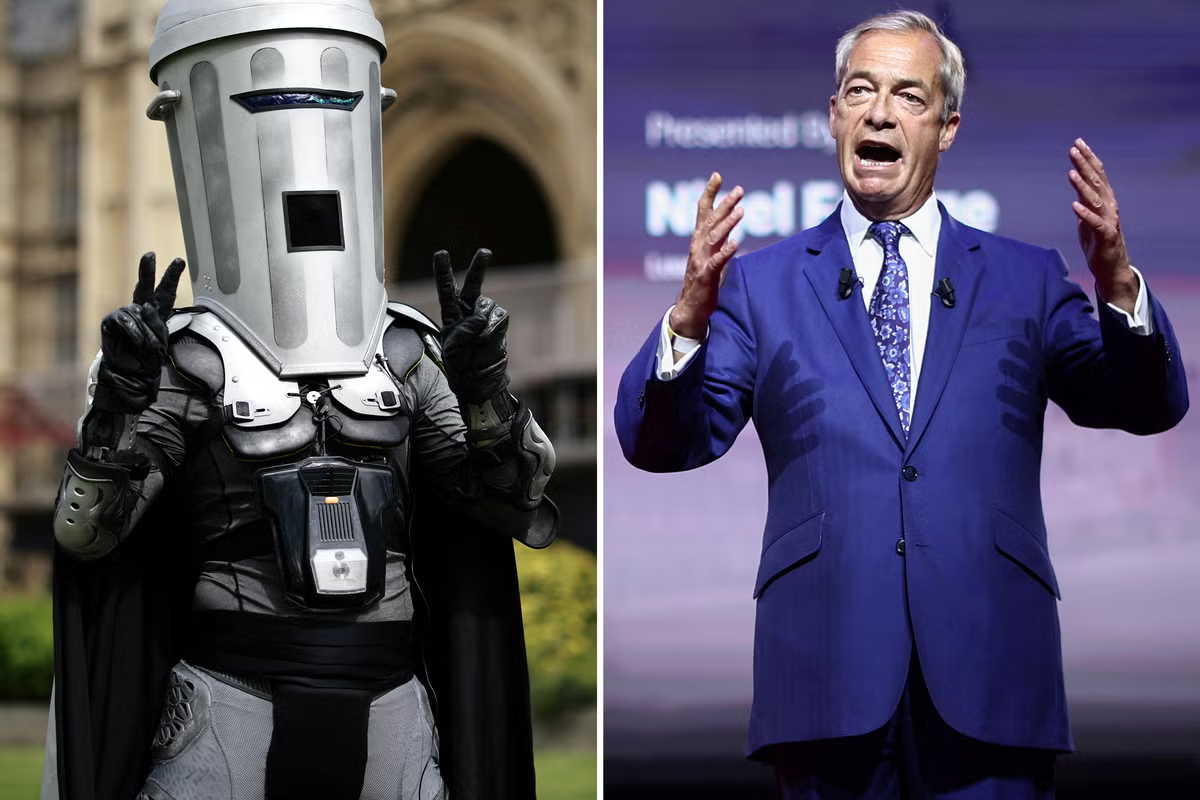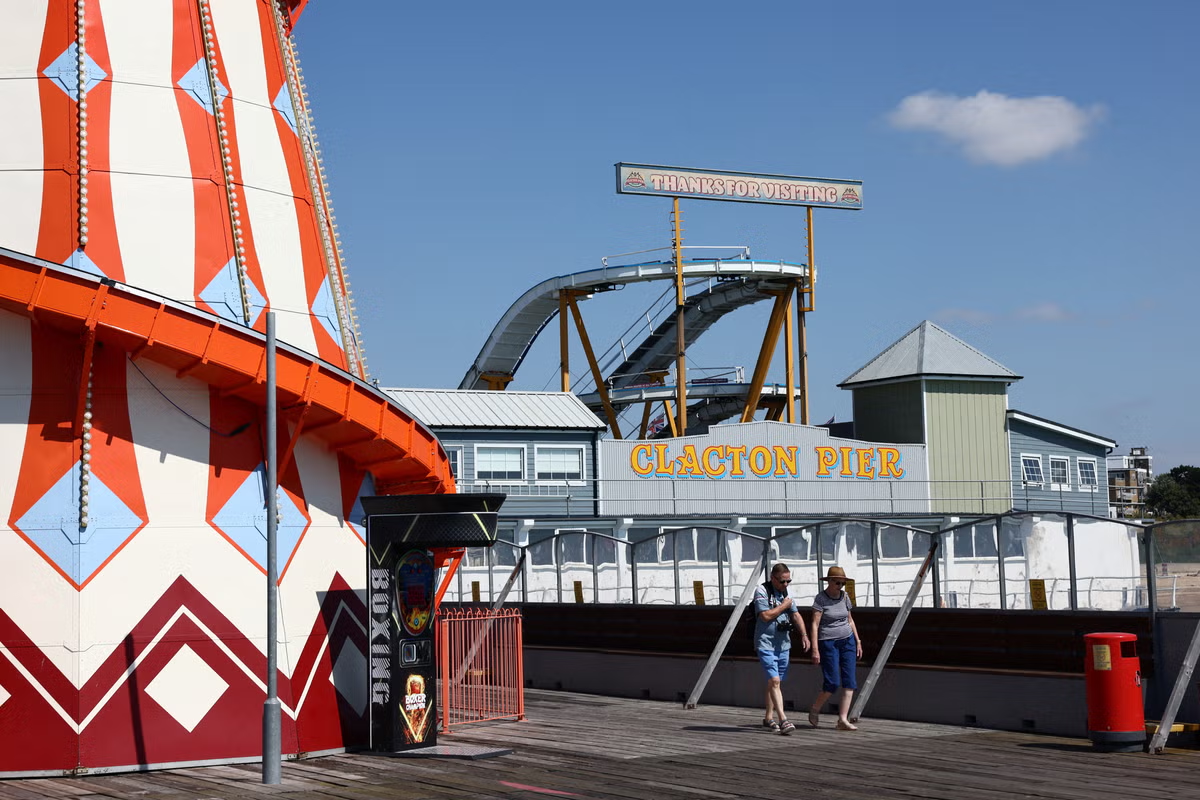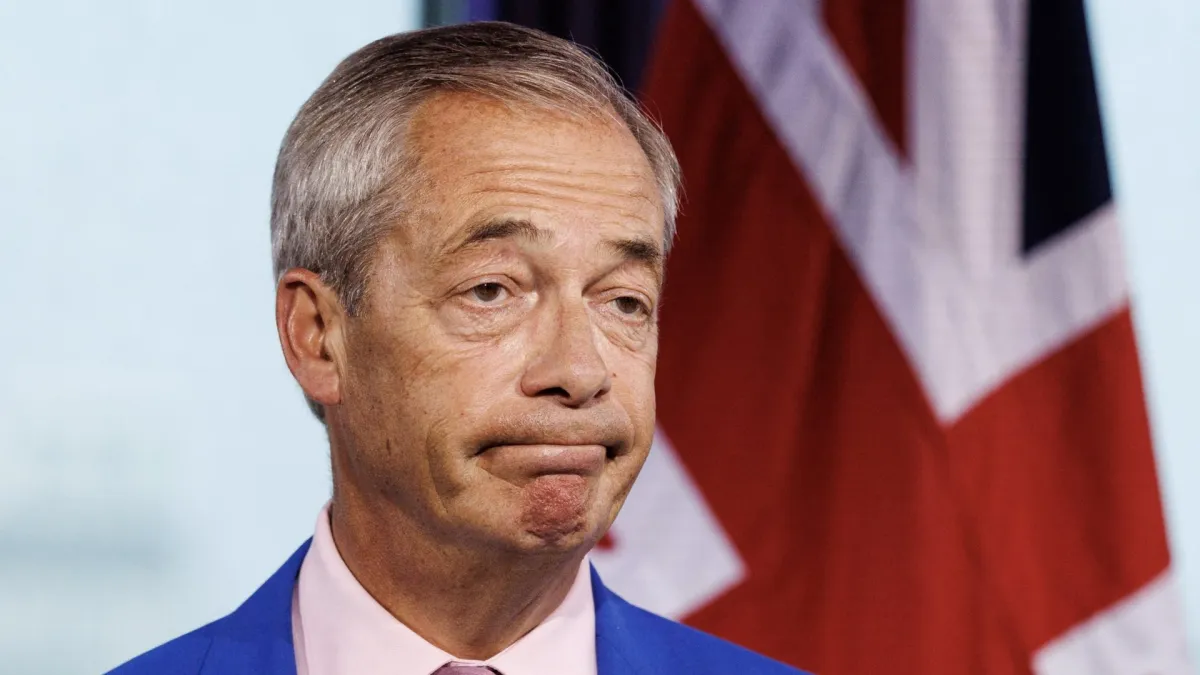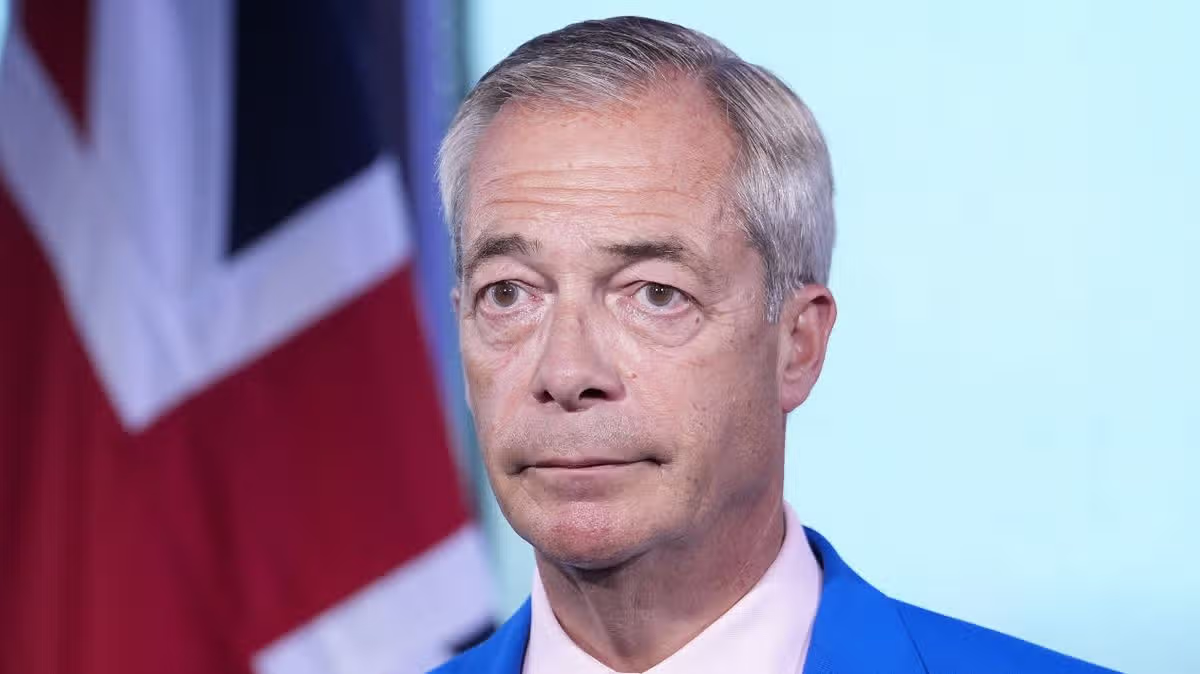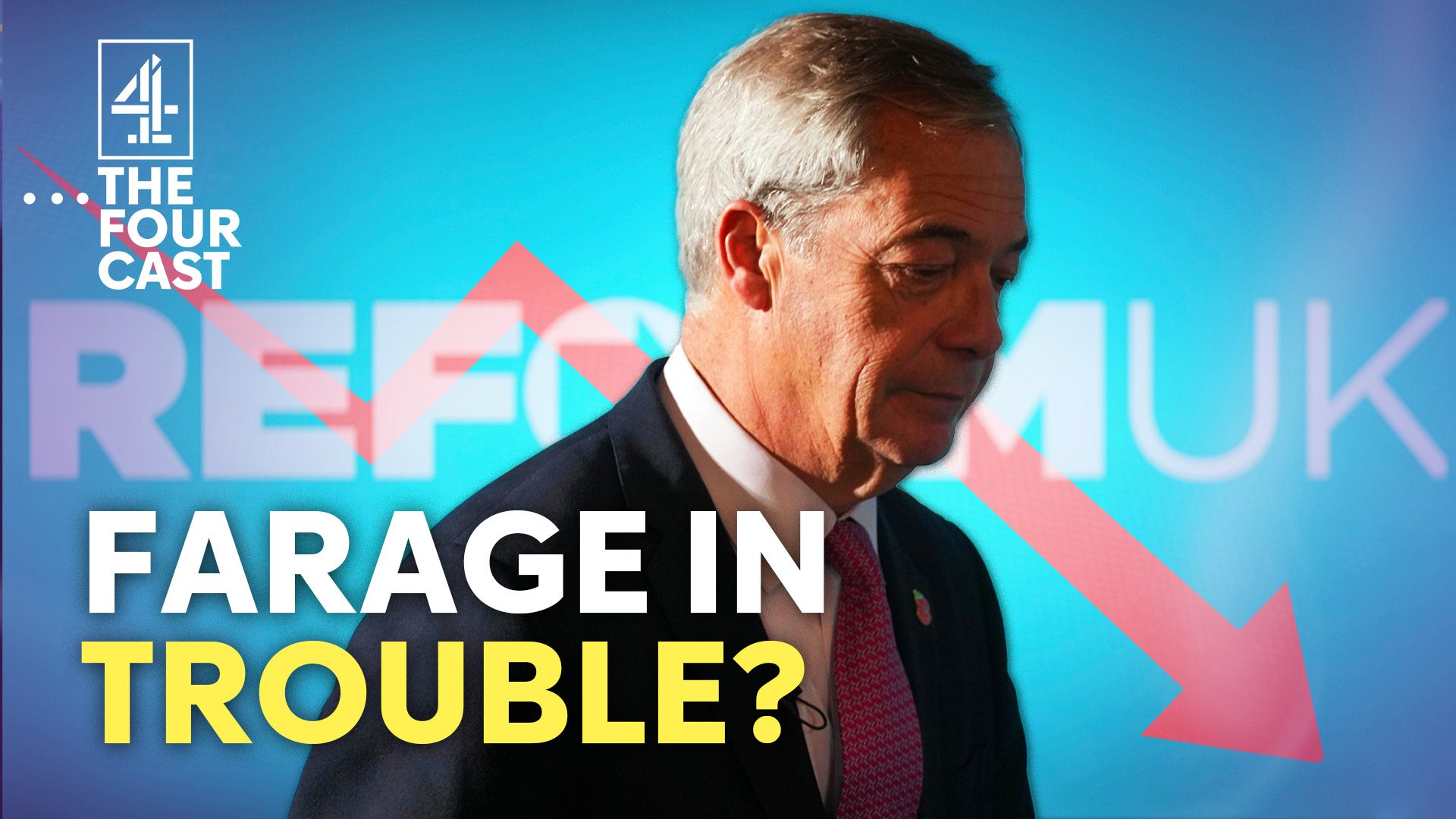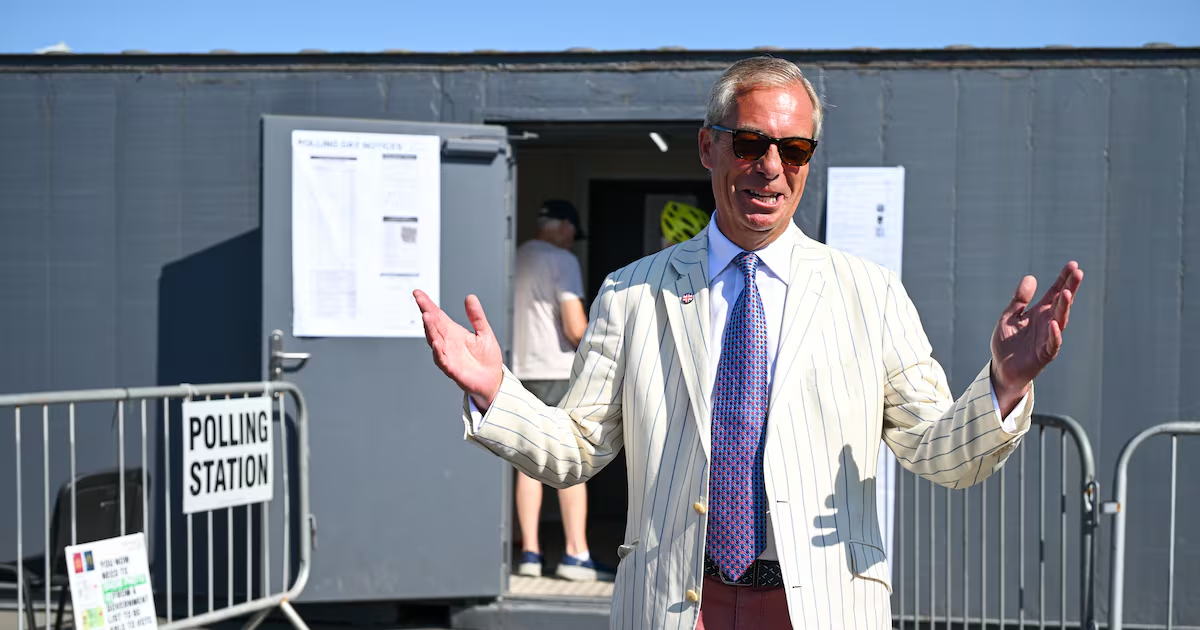
Serious political analysts for weeks have been steadfast in their insistence that there is little chance of Nigel Farage losing this week’s Clacton byelection.But what of his political dream of becoming Britain’s prime minister?As the byelection circus involving the Reform UK leader and novelty candidates such as Count Binface ends for now, Farage is on the verge of once again occupying the role of underdog in the race for victory in the next UK general election, expected by 2029.Just three months ago, he was the clear favourite according to UK national polls.Then May’s local elections upended the landscape for the ruling Labour Party. Those results unleashed a widely predicted heave against then-leader and prime minister, Keir Starmer, before his eventual replacement with the incumbent Andy Burnham.What was less keenly understood at that time was the impact that all the upheaval would have on the prospects of Reform and Farage. His party gained 1,000 local seats in May and had seemed to be riding high. But since then Labour, under Burnham, has edged back in front in most national polls, while support for Reform under Farage has slipped.“I’ve decided that the people of Clacton should be the judges of my actions,” said Farage on Thursday, as voters in the seaside Essex constituency went to the byelection polls. He was among them, dressed in garish pink chinos and a white-striped blazer.Yet his popularity in Essex was never really in question. The result, when the voters are not just the people of Clacton but of all of Britain, is much more uncertain.A series of financial donation scandals have clearly dented Farage and Reform’s support since the start of the summer, while Labour is enjoying something of a popularity bounce under Burnham, the former mayor of Greater Manchester.In YouGov’s national poll of voting intentions in May, Reform stood way out in front at 28 per cent, while Starmer’s Labour languished at just 16 per cent. The far more personable Burnham’s move to Downing Street changed the political picture.Burnham’s Labour government now stands at 24 per cent in YouGov’s national poll while, after 15 months in the lead, Reform has slipped into second on 22 per cent. The slowly recovering Tories, under an assured Kemi Badenoch, are in third on 21 per cent.YouGov’s research also suggests that Farage has an emerging difficulty with voters beyond core Reform supporters. Among voters-at-large, 48 per cent say Burnham would make the best prime minister, while just 22 per cent say the same about Farage.The spectre of the Reform leader hovering over Downing Street is what effectively panicked Labour into ousting Starmer. Unfortunately for Farage, his success in defenestrating the former prime minister resulted only in his replacement with a more formidable opponent.The current Labour government is still far from any position that could be construed as even remotely popular. Yet it is once again being viewed by voters as the best-equipped party to solve hot-button problems in housing, education, unemployment and the UK’s National Health Service, YouGov’s research shows.More voters also expect a Labour-led government to be in place after the next general election than one led by its Tory or Reform rivals, the polling numbers suggest.Yet Farage has been counted out many times before, and on each occasion he has re-emerged to challenge the political status quo.But this may represent his biggest political challenge to date.The most immediate difficulty facing the Reform leader is that victory in this week’s vote will not end the parliamentary investigation into his financial conduct that spurred his resignation as an MP in early July and the subsequent calling of a byelection.Farage has been under pressure for months over allegations that he did not declare a £5 million donation from crypto billionaire Christopher Harborne, as well as other financial support from a businessman and convicted criminal known as “Posh” George Cottrell.He had hoped that a byelection victory over his political foes in a “people versus the establishment” vote would render any parliamentary investigation effectively pointless. But the establishment parties – Labour, the Liberal Democrats, the Tories – all declined to stand in Clacton, as did the right-wing upstarts of Restore Britain, and the Greens.The parliamentary standards commissioner’s investigation into Farage’s financial affairs can be restarted when he is re-sworn as an MP. If the final ruling goes against him, a second byelection could be forced upon the people of Clacton later this year.In this week’s vote, Farage’s main opponent was the “5,900-year-old intergalactic space warrior” Count Binface (the alter ego of comedian and broadcaster Jon Harvey), as well as a motley crew of 32 other independents and a few political oddballs. One of the more peculiar of the bunch, Marcus White, says he is “literally” God.If Farage is forced to go before Clacton’s voters again in another byelection following a negative standards commissioner ruling, he could face a tougher roster of opponents, including his establishment foes, as well as the hard right insurgents of Restore Britain.Only then can Farage’s political standing be more accurately judged.
Farage and Reform UK damaged by Labour upheaval
Reform UK leader is once again occupying the role of underdog in the race for victory in the next UK general election
833 words~4 min read