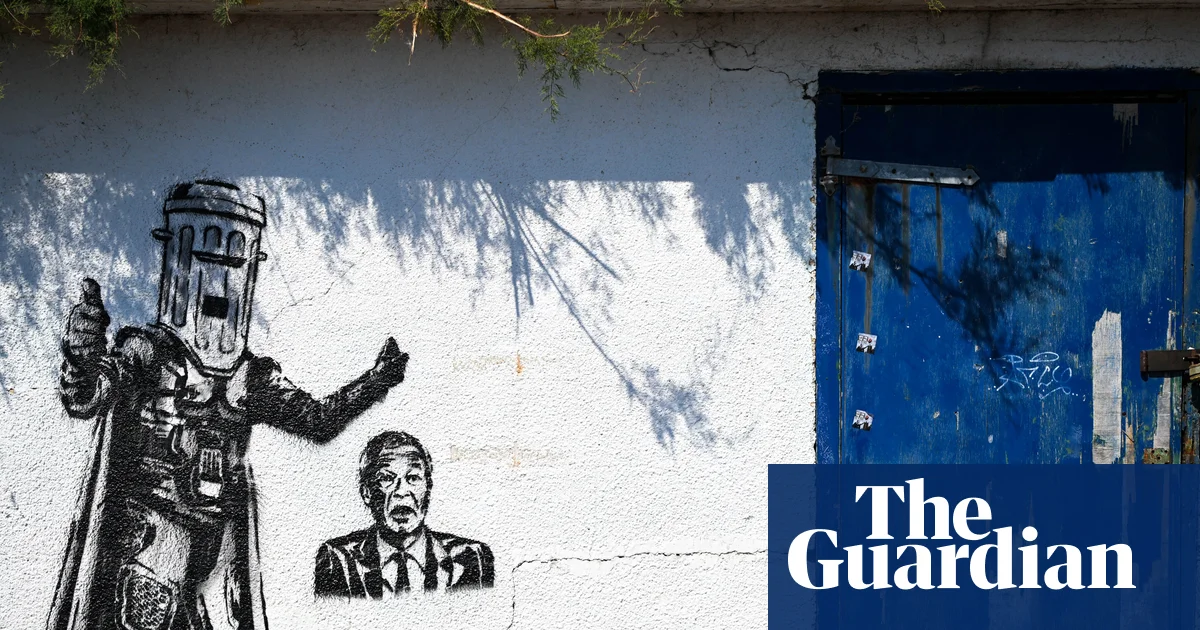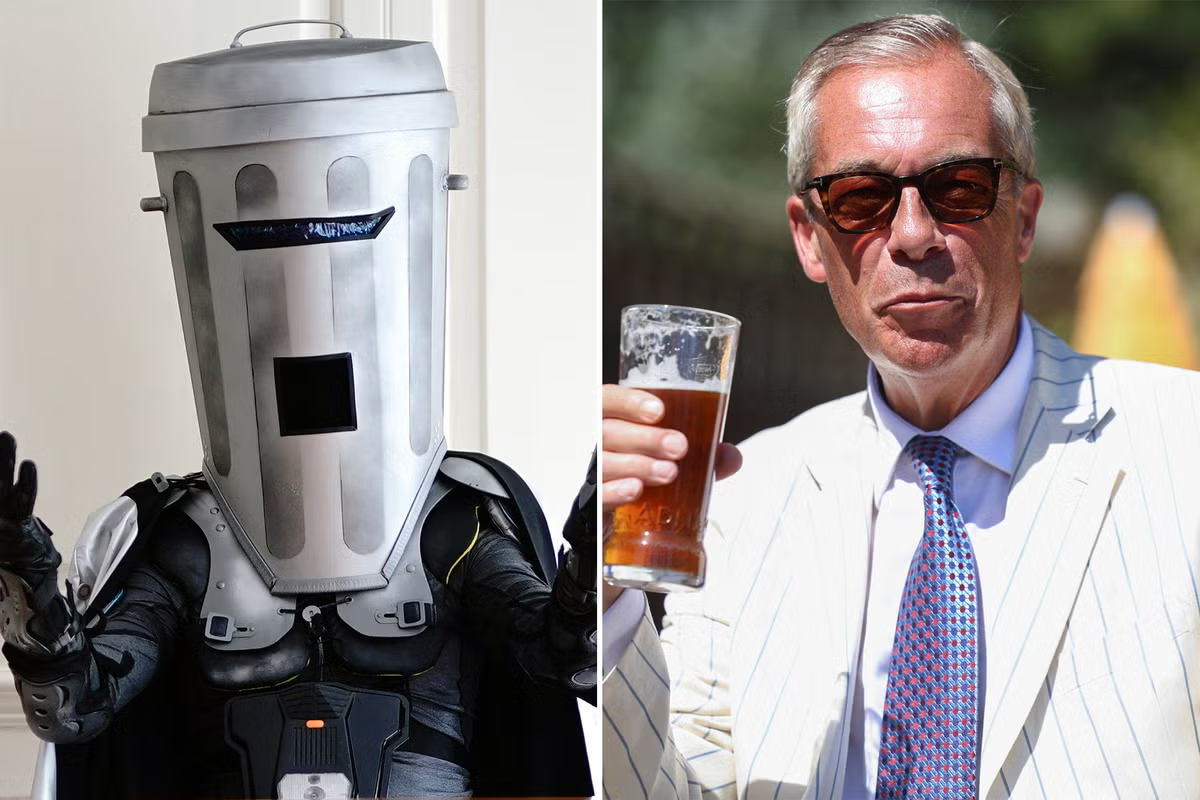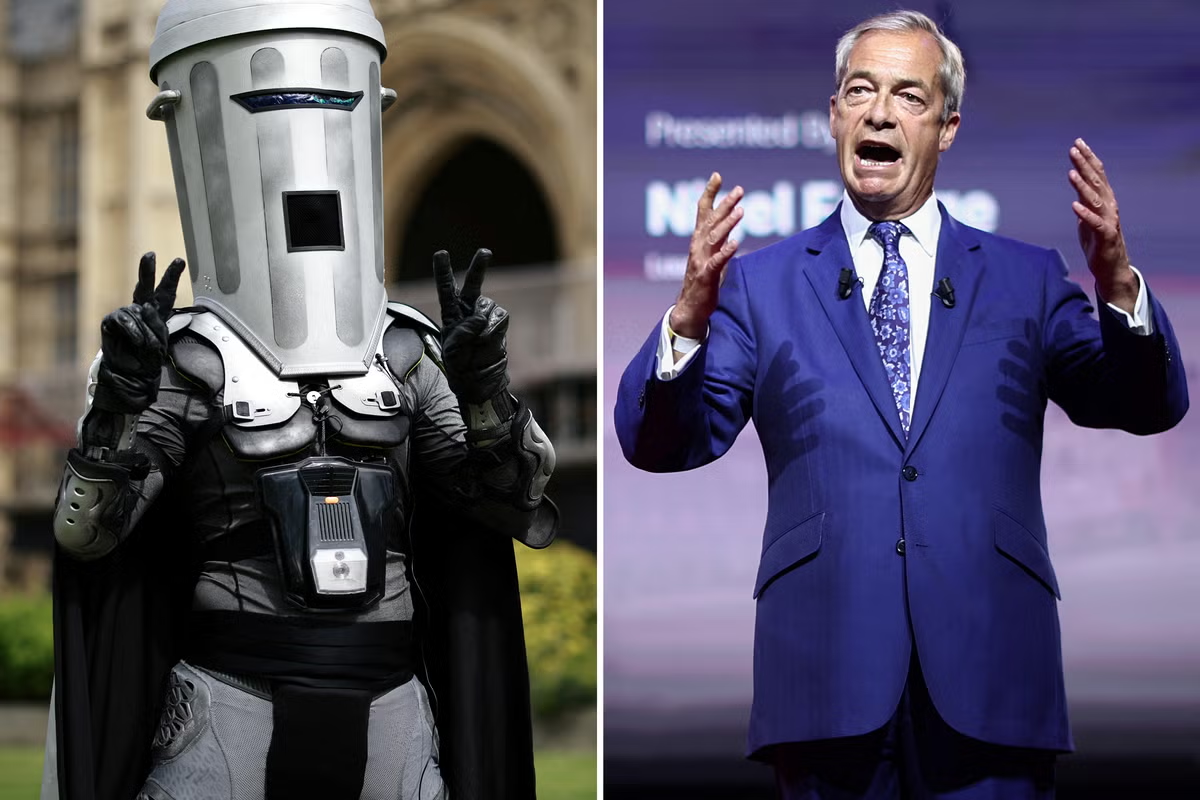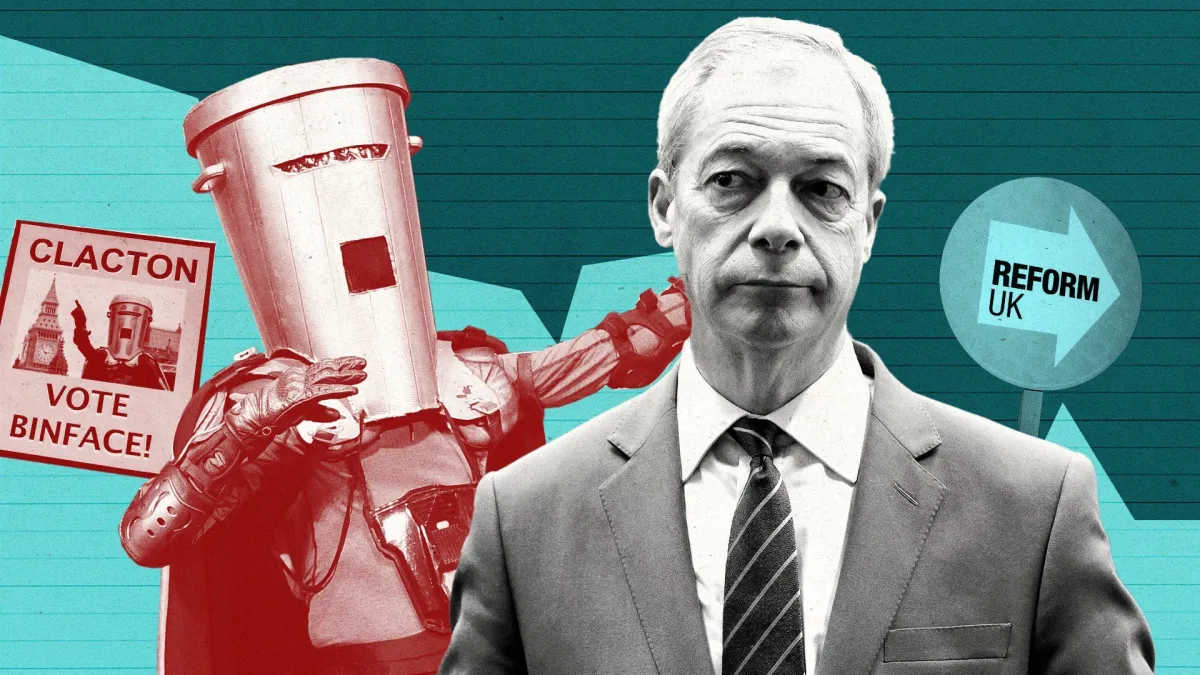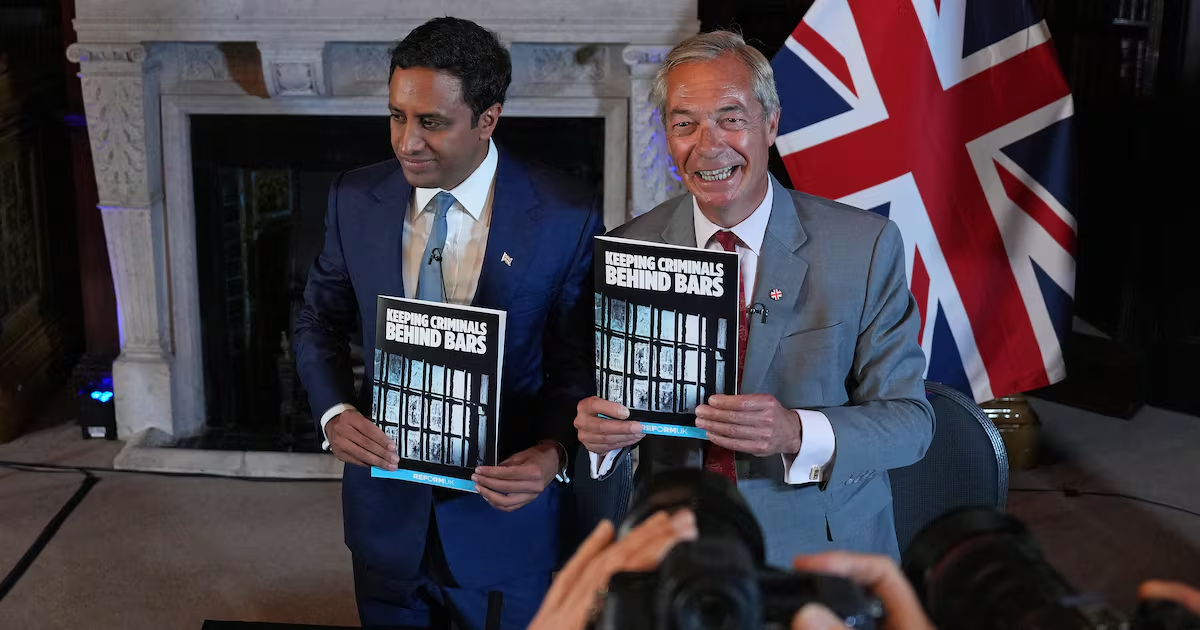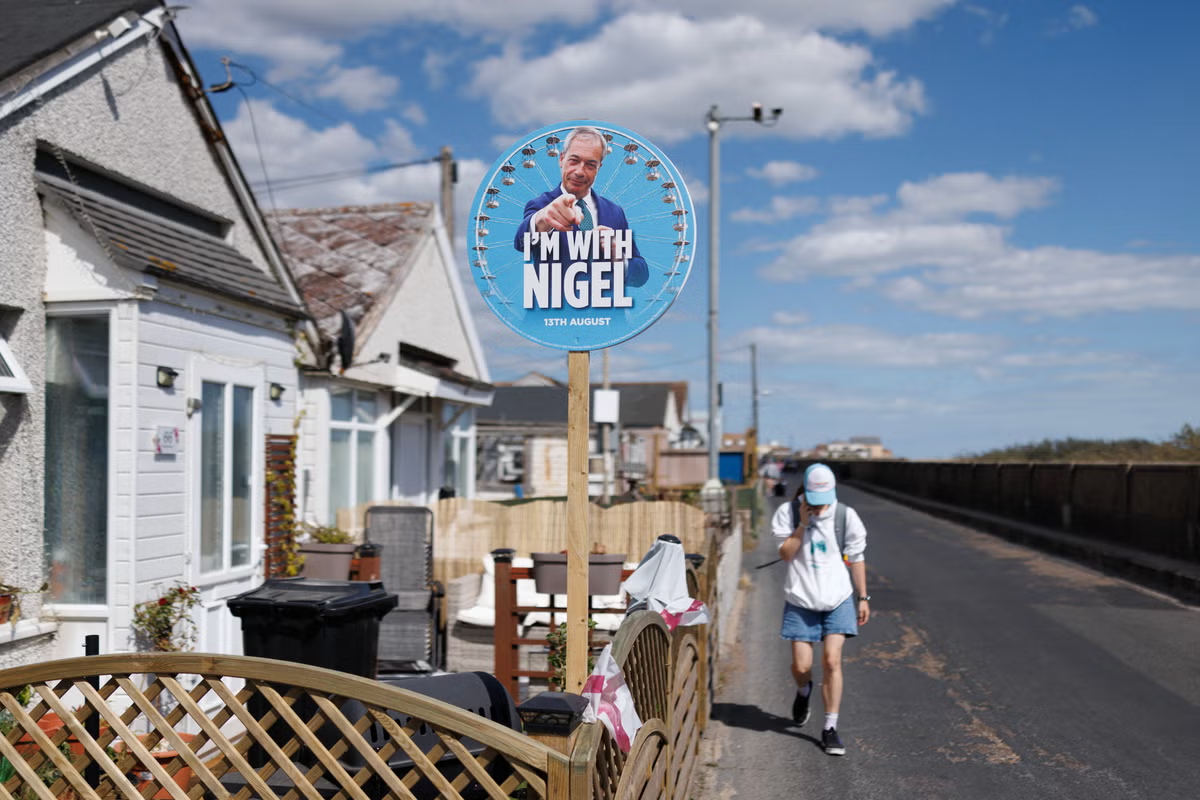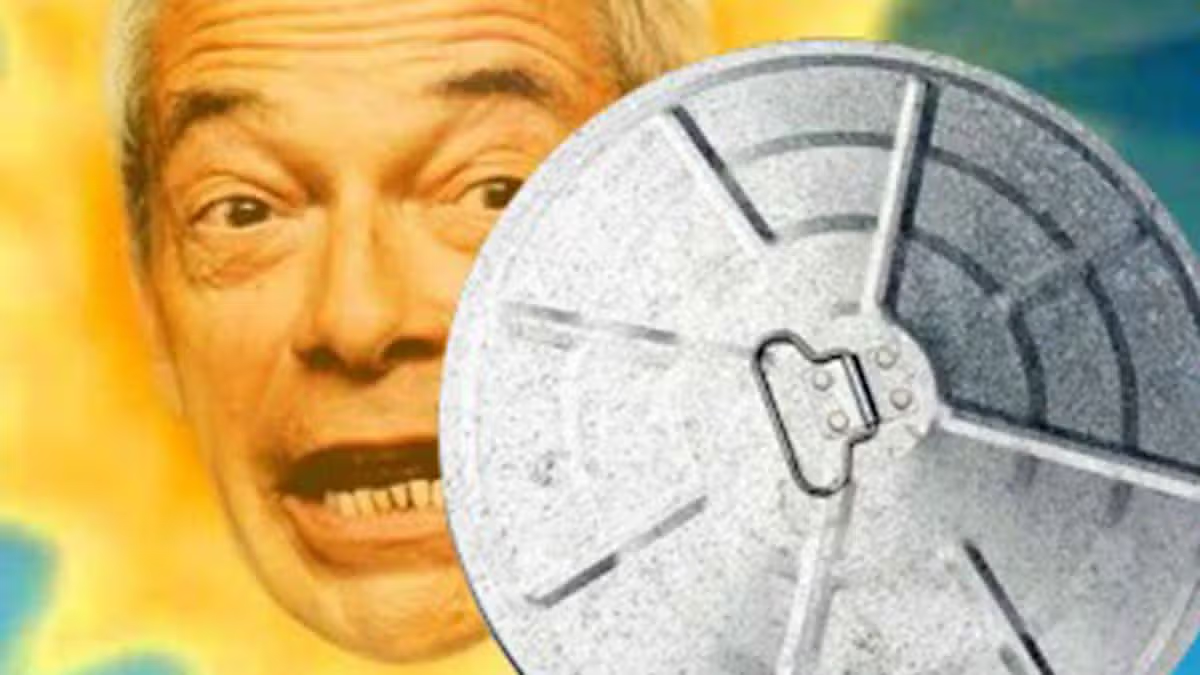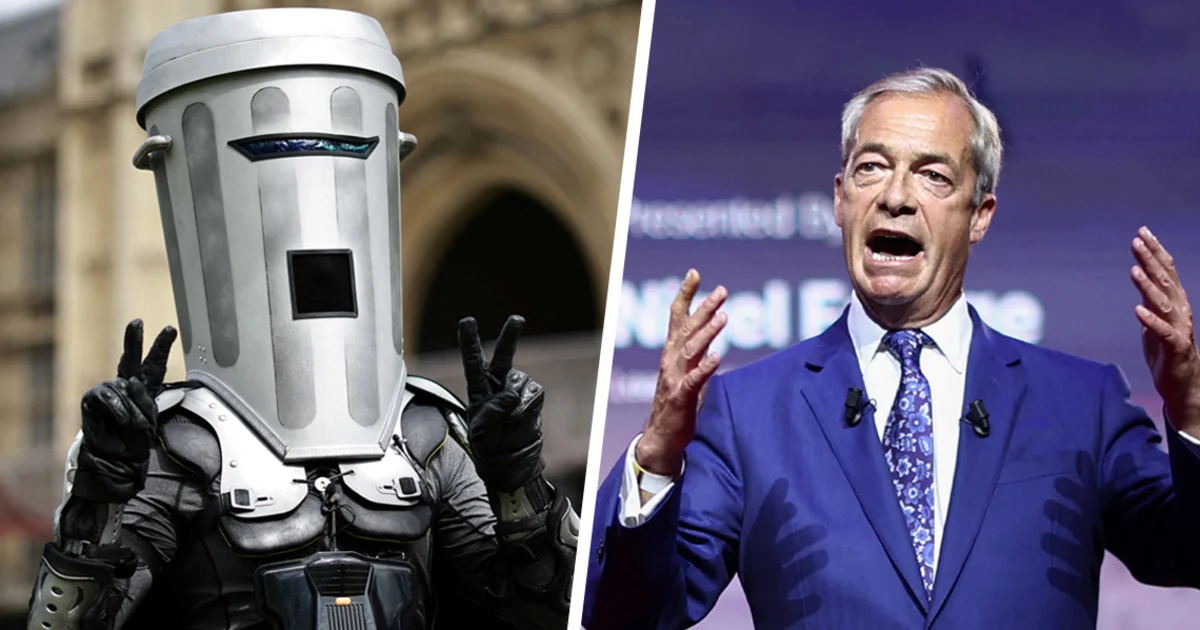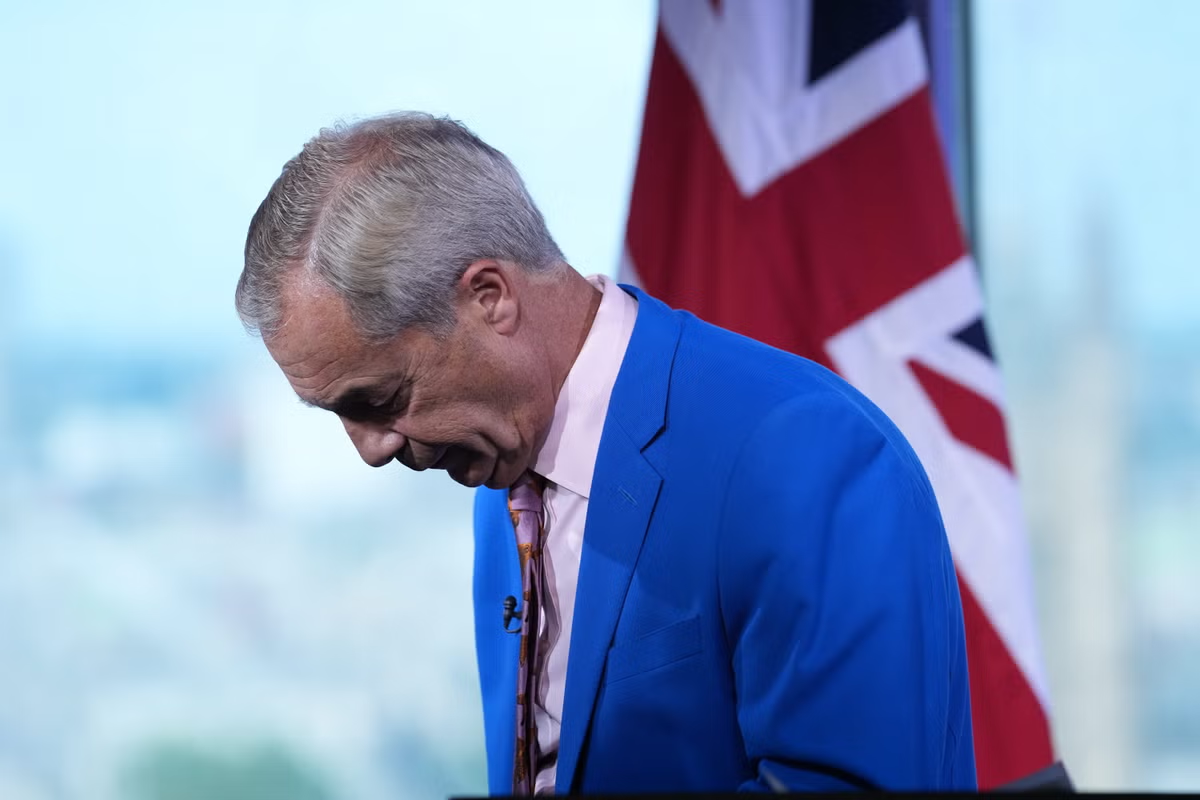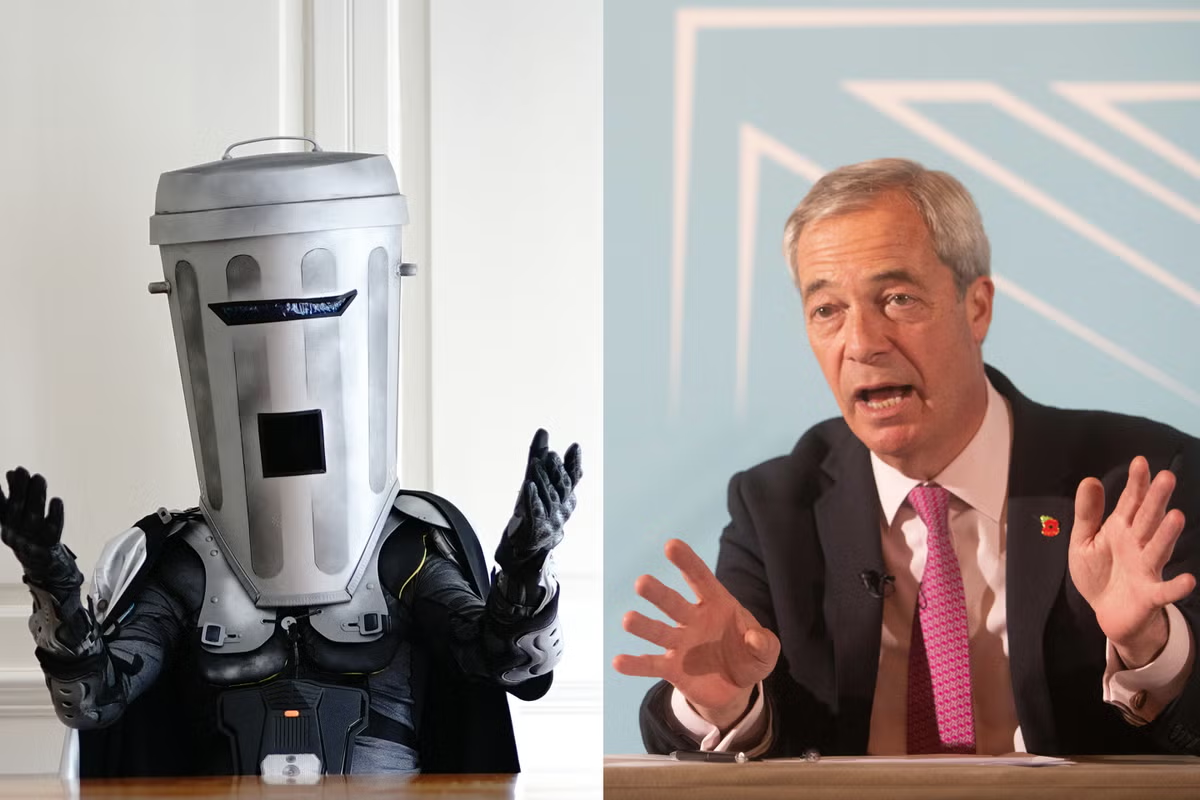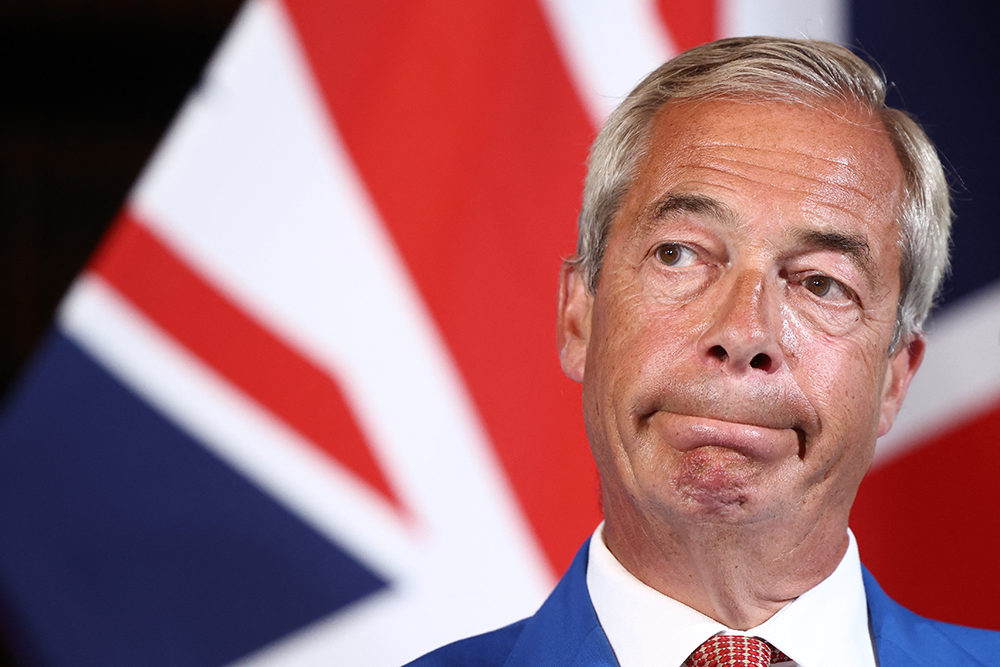
Nigel Farage’s likely victory in the Clacton by-election will be a hollow one. The major parties boycotted the contest: of the Reform leader’s 33 opponents, the most prominent was a screenwriter with a bin on his head. This by-election was not forced on Farage by the parliamentary investigation into undeclared donations – this can resume as soon as he returns to the Commons – but called as an attempt to regain momentum after a difficult patch for Reform. That gambit has failed.
In August last year, Reform was riding high. Opposing an unpopular Labour government and a Conservative party in disarray, Farage capitalised on historic victories in the local elections and deep public anger at ‘uniparty’ failures over small boats and living standards. Reform polled above 30 per cent; Farage seemed set for No. 10. A year on, this looks far less certain. The poll lead has disintegrated; scandals are accumulating; progress has stalled.
Reform is far from exhausted. This week’s arrival of a ‘mega-dinghy’ of migrants underlines the continued salience of immigration – Reform’s leading issue – as a major voter concern. But events have not proceeded to Farage’s advantage. Donald Trump’s impetuosity over tariffs, Ukraine and the Middle East has turned Farage’s closeness to the US President into a negative. Labour’s swapping of Keir Starmer for Andy Burnham means Reform faces an opponent more comfortable before a camera and with a clearer – if uncosted – idea of what he wishes to do with power.