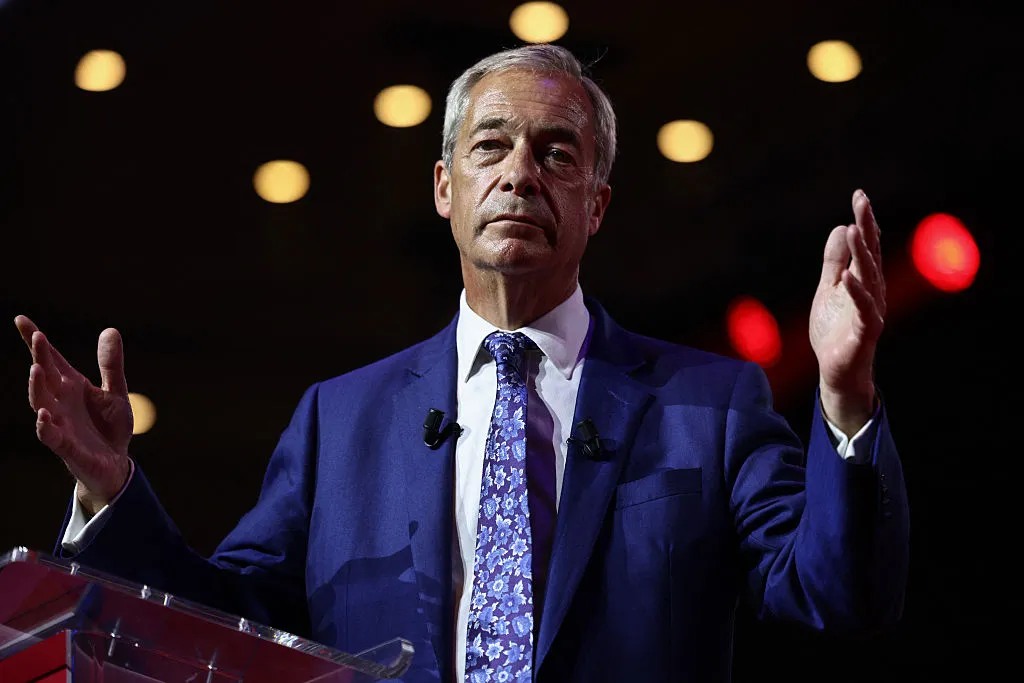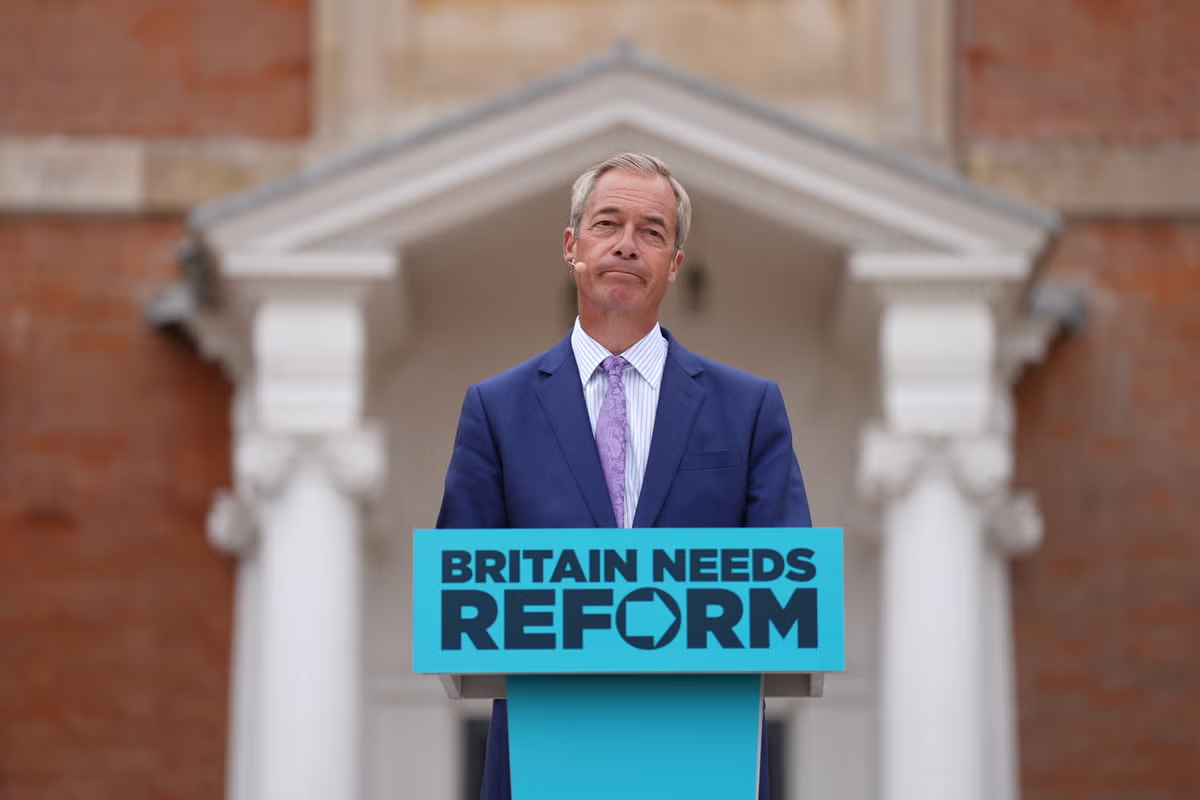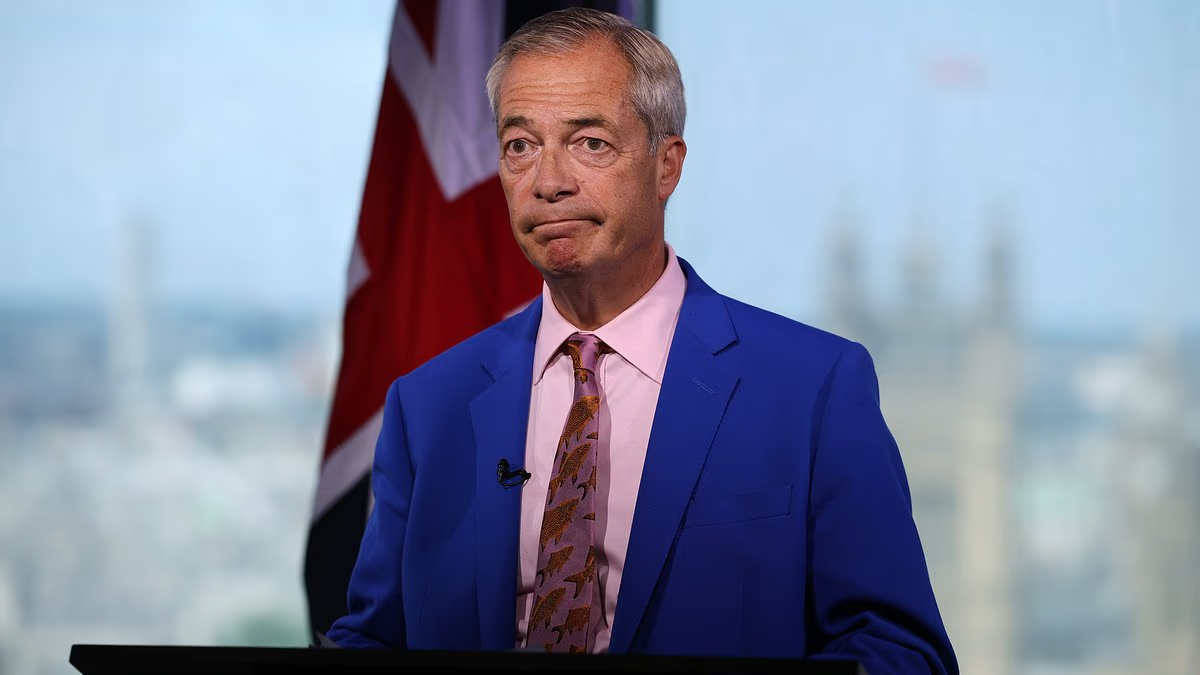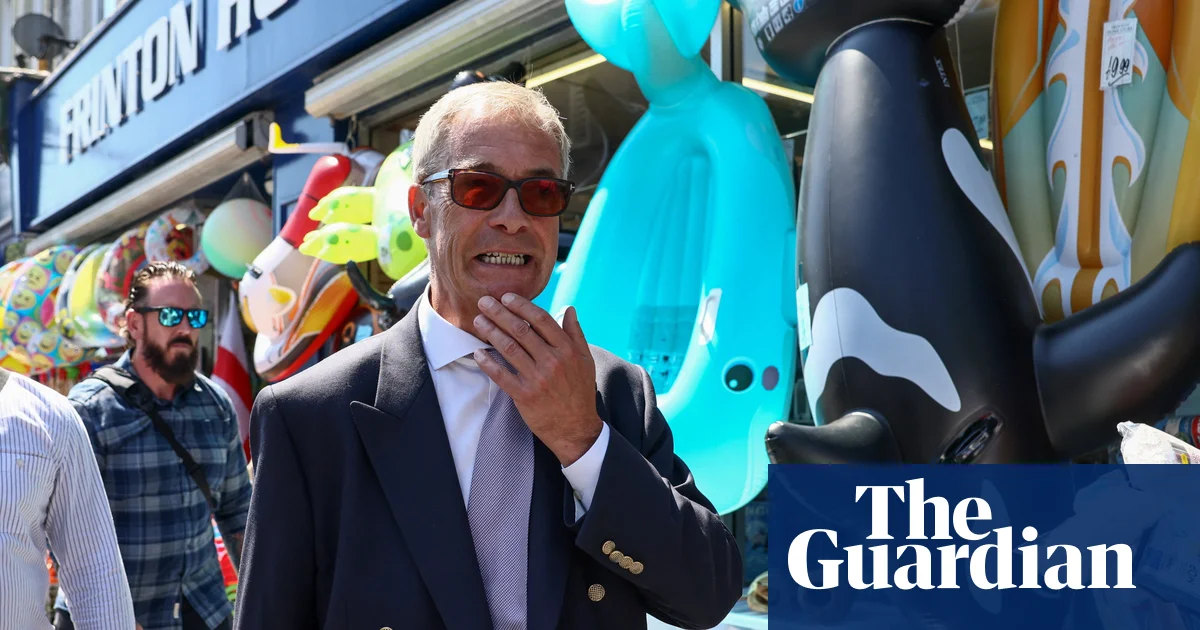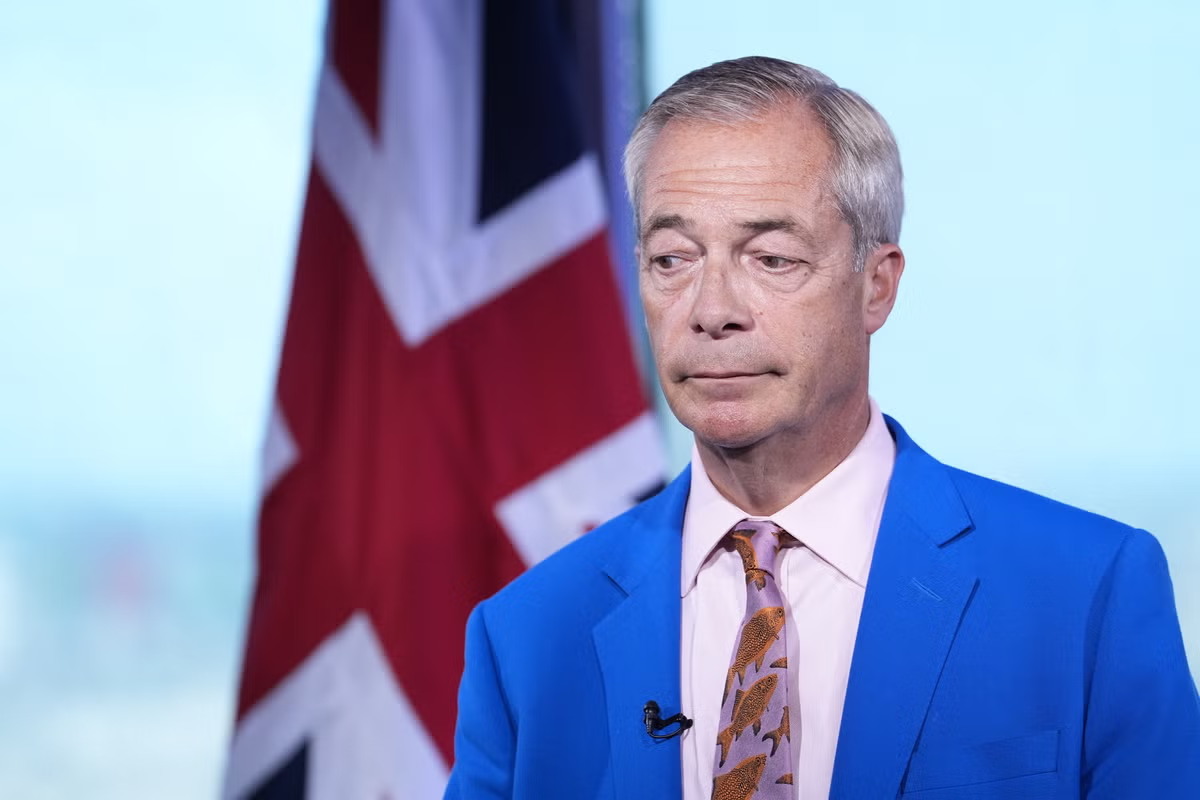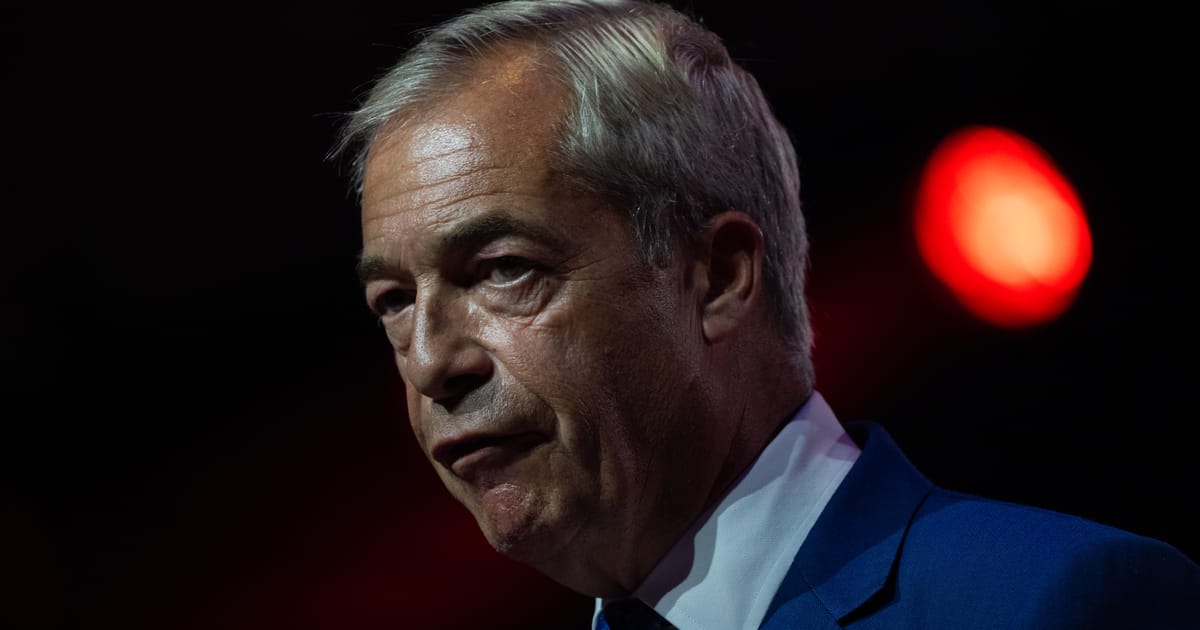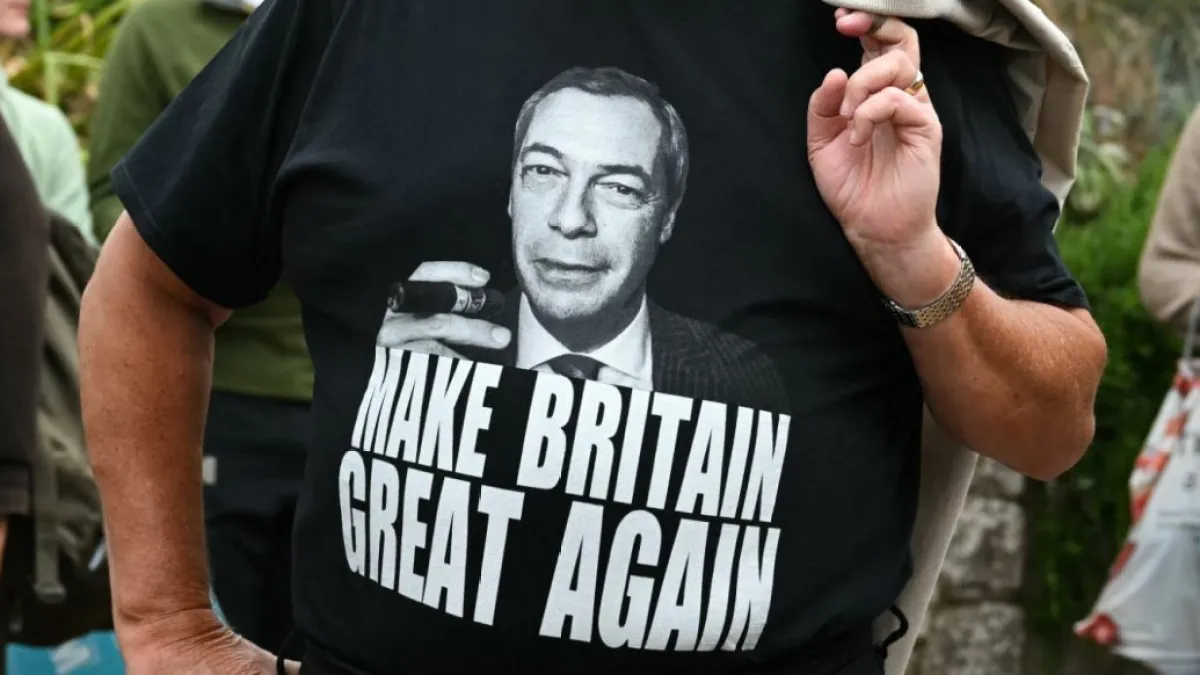
Without Nigel Farage, Reform UK wouldn’t have won a single seat in the 2024 election. His return as leader – the most dramatic moment in the entire election – energised his party in a way that Richard Tice, the dull previous leader, never could.
The election caught fire, but one finding in the reams of data produced during the contest augured trouble for Farage, trouble that is now coming home to roost. One poll in 2024 showed only 24 per cent rated Farage favourably, compared with 64 per cent unfavourably. Those figures are pretty much the same today. Almost three times as many people dislike Farage as like him. That’s quite a handicap.
And now, with Labour and Conservative leaders rejuvenating their parties, Farage’s negative personal standing seems more pertinent amid the numerous allegations against him and his party. And Reform’s progress looks on hold while Farage is diverted by a ridiculous by-election in Clacton against the comedian Count Binface.
Reform has lost its oomph and momentum, and its increasingly tetchy and bad-tempered leader seems under huge pressure and tired.
And the welter of current allegations unearthed by journalists against Reform isn’t confined to Farage. Media revelations paint a picture of Reform’s leadership operating more like mafiosi rather than potential ministers. In his increasingly implausible explanations, we see the side of Farage he would rather hide. Yesterday it was reported by The Sunday Times that he had planned his supposedly spontaneous June 2024 comeback several months beforehand, and struck a deal with Tice (in which Tice’s company’s loans to Reform would be written off or repaid) to return to the leadership.