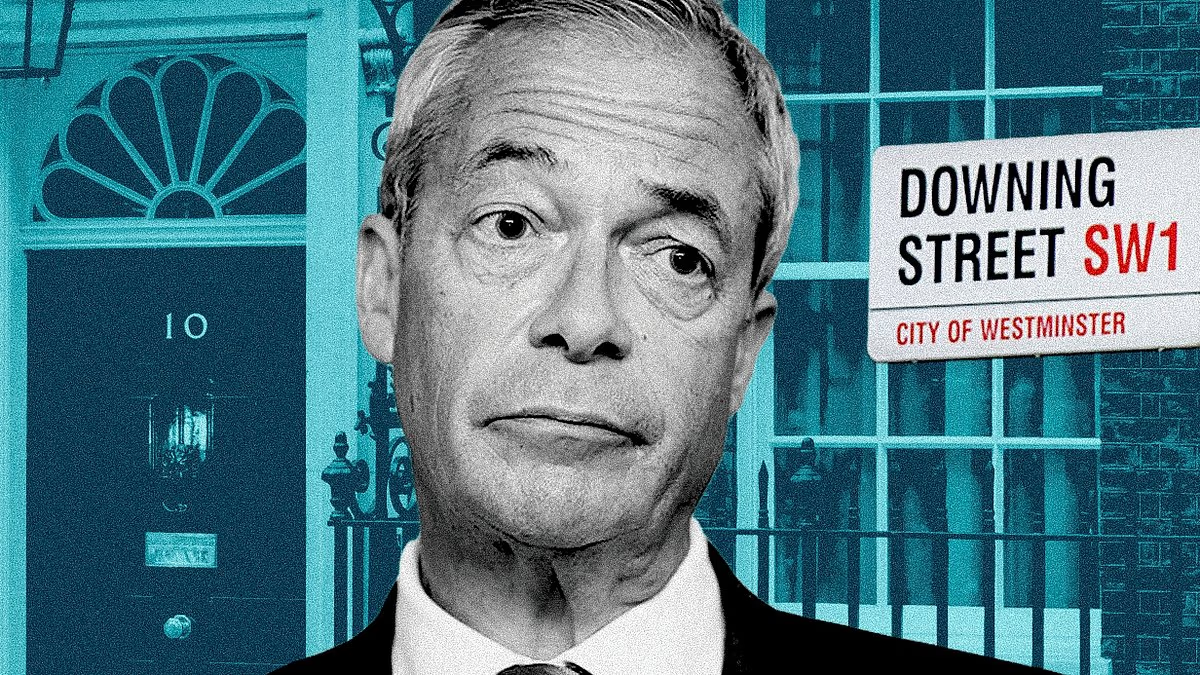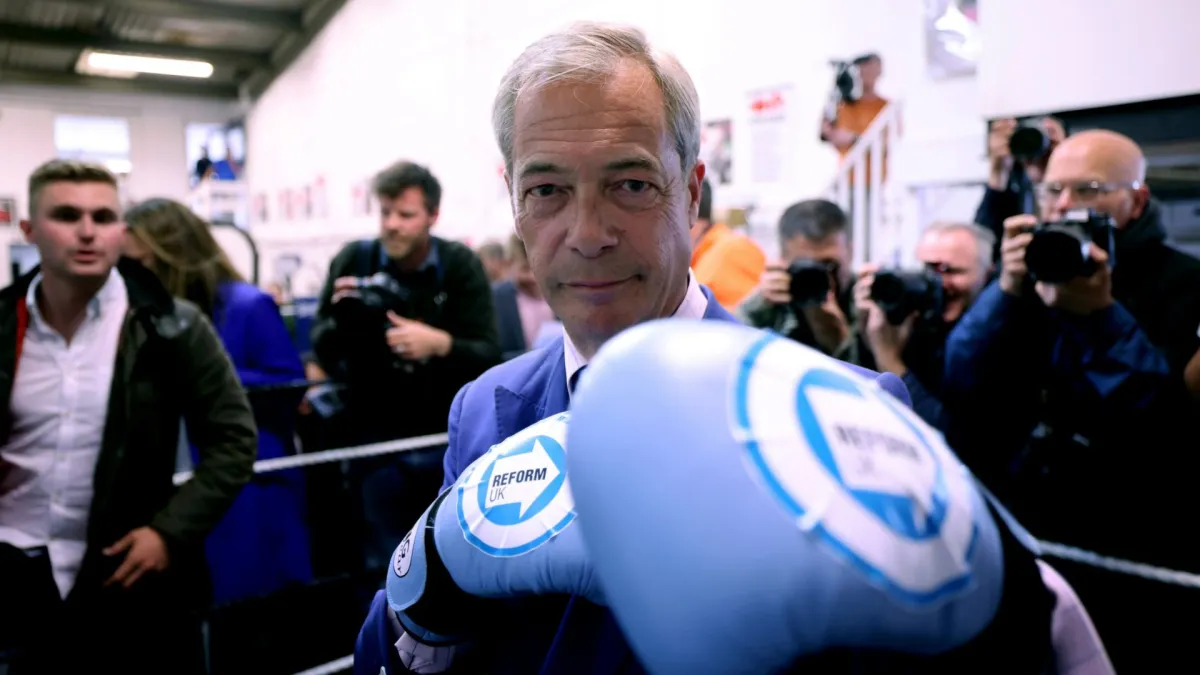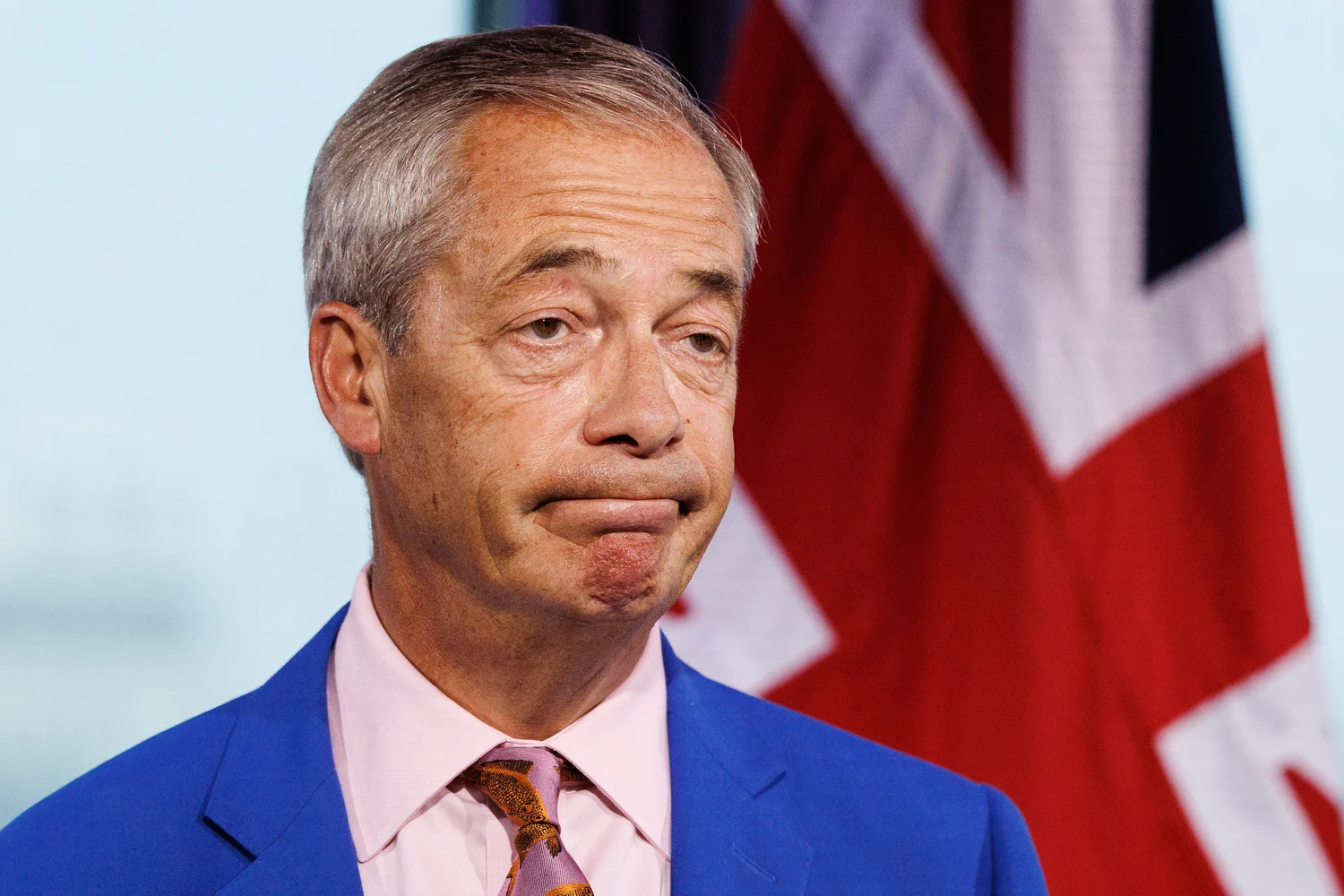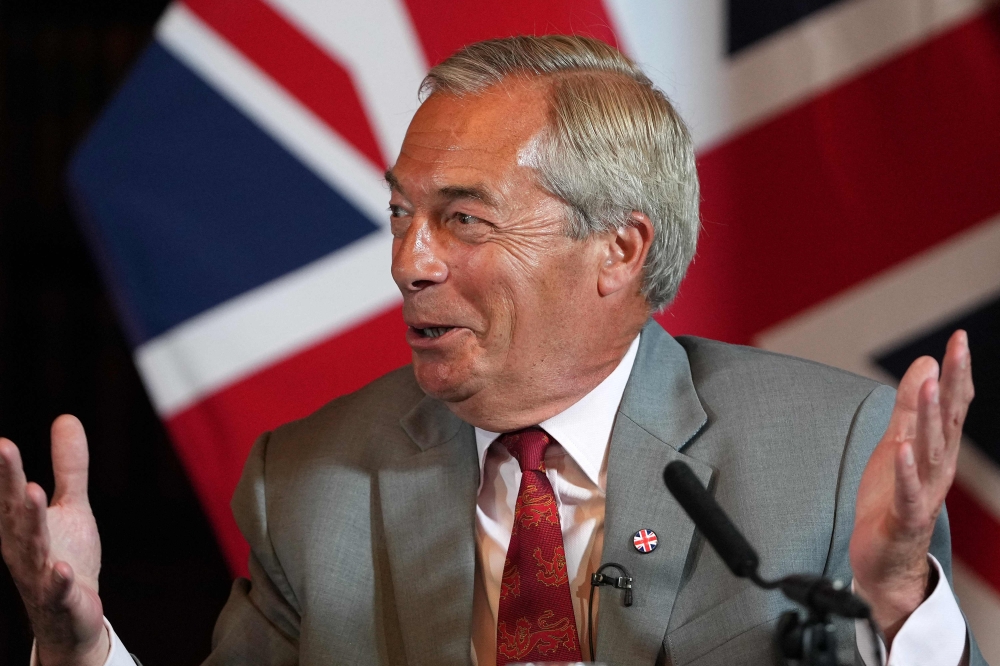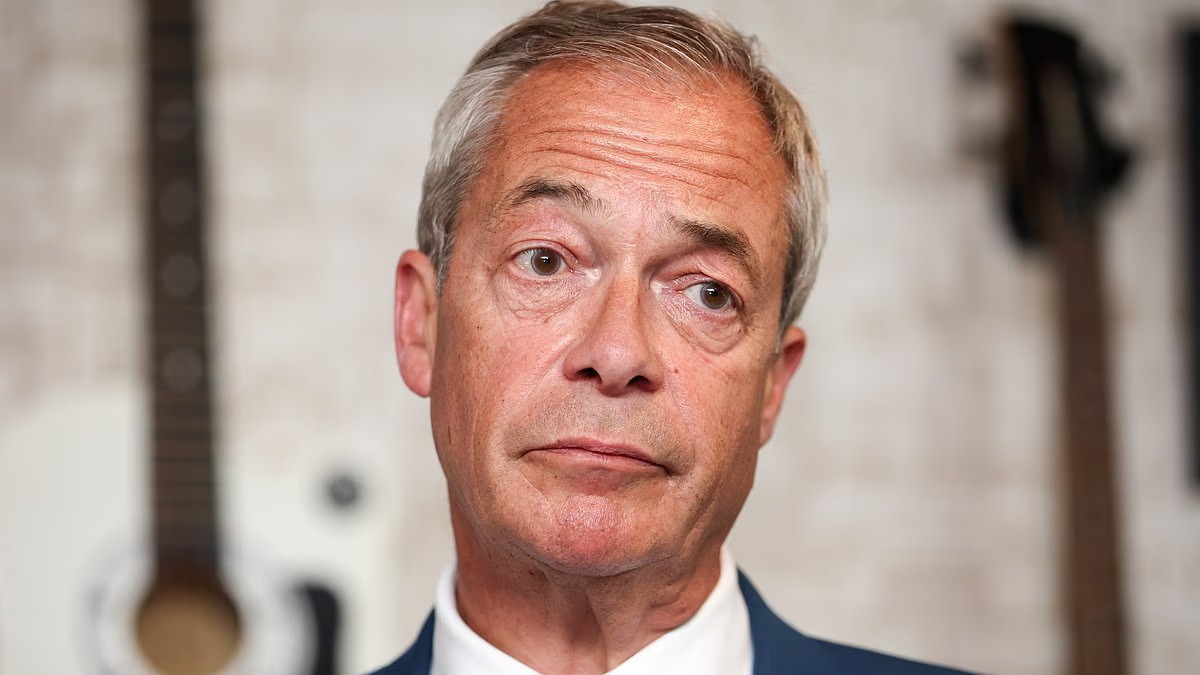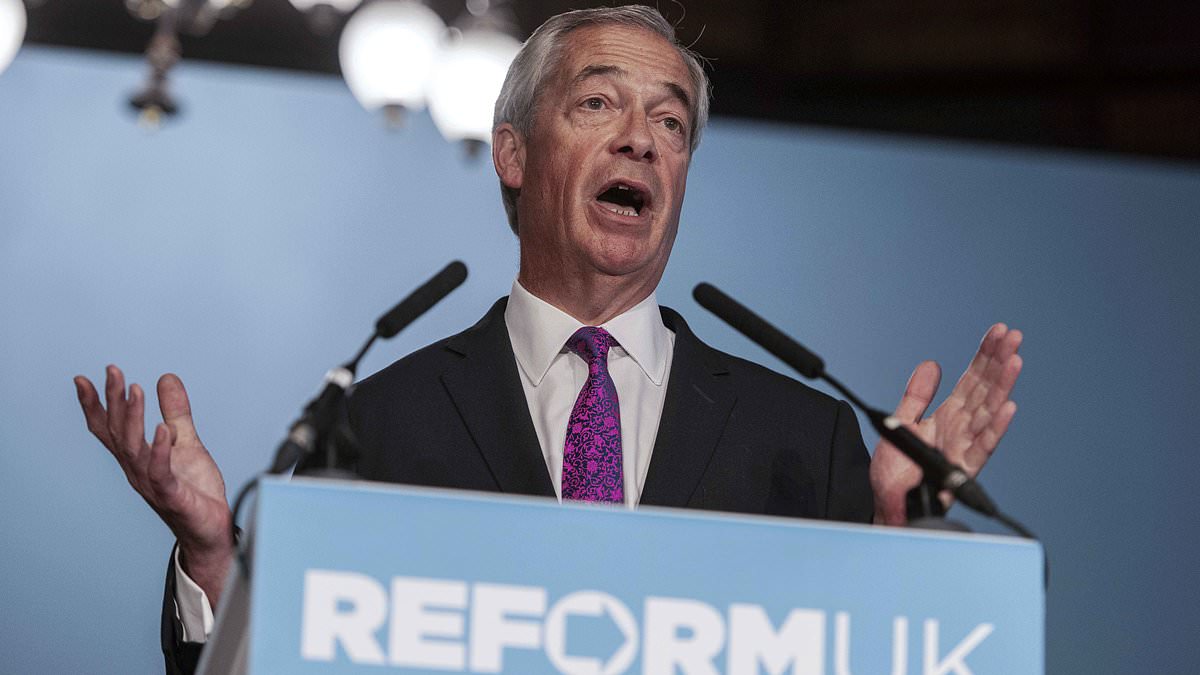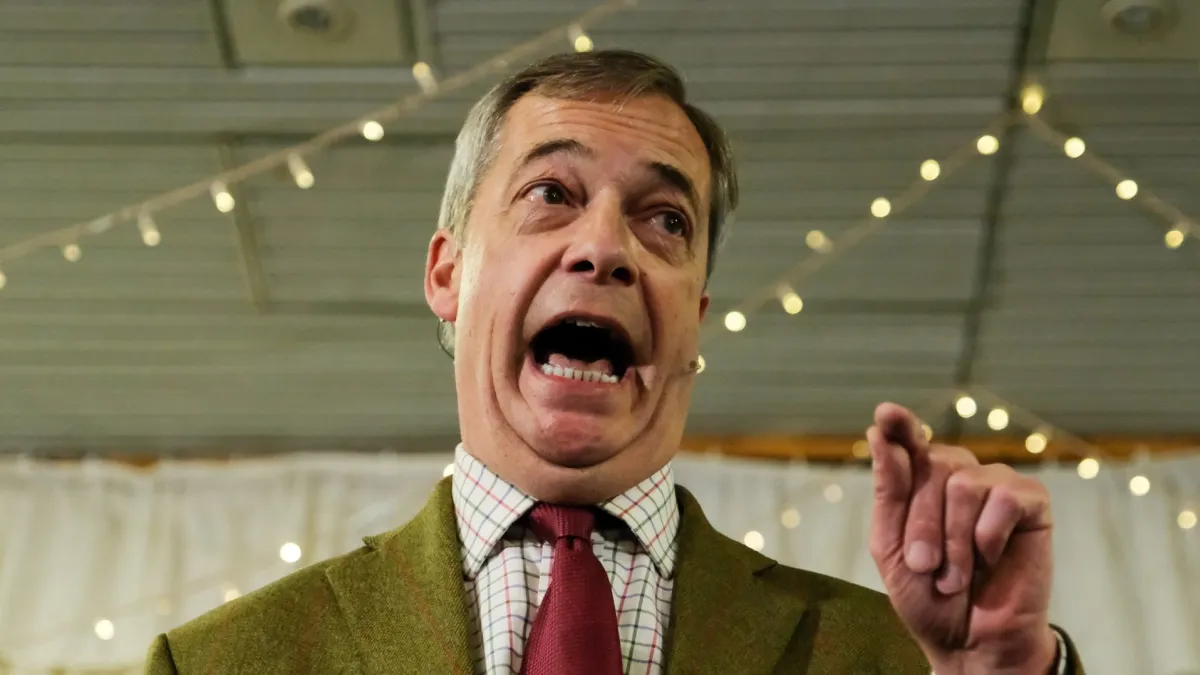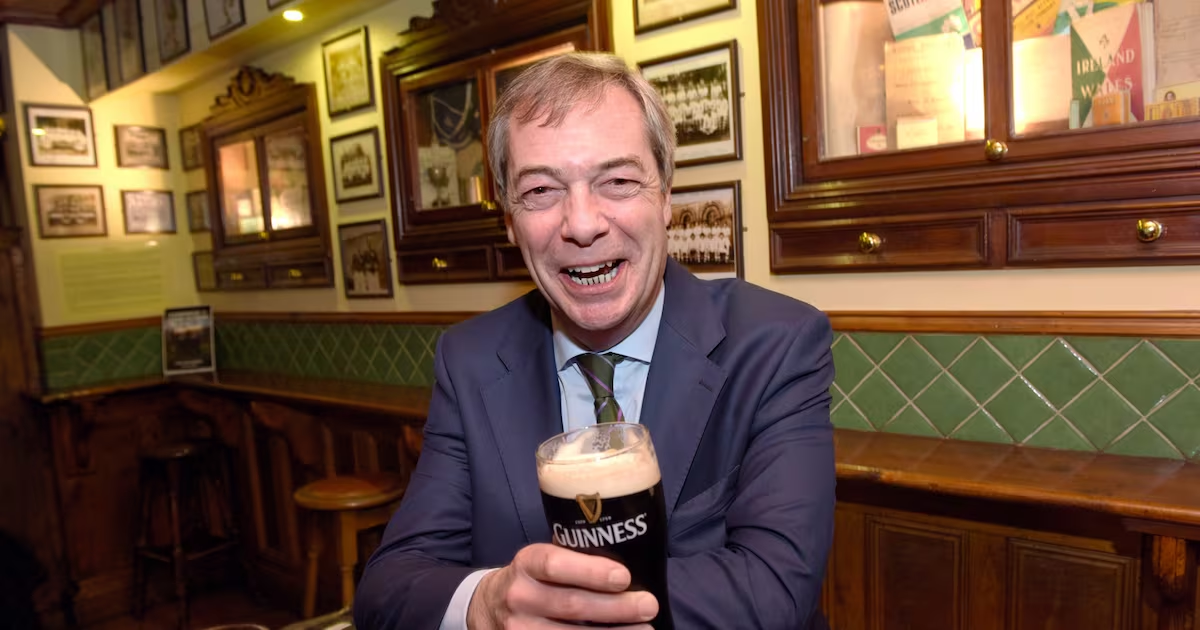
Whether Nigel Farage is the most consequential British politician of the 21st century is debatable. But he is certainly the most durable. Ten years after the UK voted to leave the EU, Farage is the last man standing from that drama. Cameron, Johnson and May have long left the stage. Farage, who has never held ministerial office, now finds himself within touching distance of the job they all held.As the UK dithers about selecting its seventh prime minister since the Brexit referendum, bookmakers make the Reform UK leader the clear favourite to take up residence in No 10 Downing Street after the next general election. The party’s sweeping victories in last week’s English local elections, along with surges in Wales and Scotland, make that prospect more likely.Likely but not inevitable. Extrapolating from those local results puts Reform at roughly 26 per cent of the national vote, well short of what would be needed for a parliamentary majority. Britain’s fracturing political landscape and unpredictable electoral system make forecasting perilous, but some form of coalition with the diminished Tories looks like his best route to power.There does seem to be a ceiling on support for Reform, and by extension for Farage himself. Most British people don’t like him. YouGov’s March tracker poll showed only 27 per cent of voters viewed him favourably, with 66 per cent having a negative opinion.His popularity has waned since allegations emerged last year from former pupils and teachers at Dulwich College, where Farage was a pupil from 1975 to 1982. One Jewish former classmate told The Guardian Farage would approach him and say “Hitler was right” or “gas them”, sometimes adding a hiss to simulate gas showers. A second Jewish contemporary corroborated the account, while a Nigerian-heritage former pupil claimed Farage had pointed him toward the way back to Africa. Farage’s responses shifted from categorical denial to suggestions that such comments may have been 1970s playground banter taken out of context.Despite this – or perhaps in some cases because of it – research also shows a large minority of voters see something genuine in Farage they can’t find elsewhere. And Reform’s electoral base has swelled since the last election, drawing fresh support from younger anti-establishment men, economically disaffected former Labour supporters and disenchanted Conservatives.What do they see and like? A carefully crafted persona, maintained over decades. A pint in one hand, a fag in the other. A breezy contempt for the established order. The public school-educated stockbroker’s son has fashioned himself into something that reads as authentic, tapping into a widespread sense that the political class speaks a language designed to exclude, and that Farage alone refuses to play its game.The persona draws on the beef-and-beer England of John Bull’s merry old past, where a “f**king good lunch” doesn’t mean a sandwich from Pret a Manger. It plays on the national affection for cads and bounders and nostalgia for an imagined world sourced from the golden age of British TV, when you could still smoke in pubs and nobody told you what you were allowed to say.[ Nigel Farage’s success is the Leopards Eating People’s Faces Party meme come to lifeOpens in new window ]All this might seem merely sour and nihilistic, were it not for the comic twist that has long been the secret weapon of the English right against progressive prudery. Farage, like most modern demagogues, is as much an entertainer as a politician, an accomplished broadcast performer beloved of those who book guests for TV shows, much to the chagrin of his opponents.The German sociologist Max Weber, writing in the early 20th century, distinguished three forms of political authority. Traditional authority rests on hereditary custom; rational-legal authority on rules and procedure. The third form, charismatic authority, rests on the qualities of the leader and the emotional devotion those qualities inspire. The charismatic figure is a force of rupture rather than continuity. He does not work within institutions but against them, and his authority is inherently personalised (which is why Reform struggles to function credibly whenever Farage is absent).[ Keir Starmer is bland, stable, boring – he should have gone a long wayOpens in new window ]Despite all the John Bull stylings, this is, as historian Timothy Garton Ash pointed out recently, a curiously European mode of politics for a man who has spent his career railing against Europe. The anti-institutional populist challenger – contemptuous of both hereditary tradition and liberal jurisprudence – is a well-established figure on the continental right, from Pierre Poujade to Geert Wilders, but Britain long imagined itself immune. Some see in Farage an echo of Oswald Mosley, a previous charismatic insider-outsider who drew his inspiration from European examples. Farage, however, has been careful to keep a distance between his movement and the more overtly Mosleyite street politics of Tommy Robinson.Polls show 58 per cent of Britons now believe it was a mistake to leave the EU, with only 30 per cent disagreeing. So it might seem perverse that Brexit’s prime architect could become the country’s leader. But the same stagnation, regional inequality and cultural resentments that gave birth to the Brexit vote now sustain Reform, and opposition to immigration remains at the heart of Farage’s appeal.If he were to become prime minister, it would reanimate all the old psychodramas of the Brexit years. Reform’s 2024 manifesto pledged to abandon the Windsor Framework within its first 100 days, while Farage has breezily said the Belfast Agreement could be renegotiated to remove references to the European Convention on Human Rights, from which the UK would withdraw immediately. The party would enforce draconian new immigration laws and, in a gesture of ideological alignment with Donald Trump, establish its own Department of Government Efficiency (Doge).But Reform has already shown a talent for self-sabotage. Its first encounters with local power have been chaotic. And the whiff of scandal hovers over its network of financial supporters and dark money.This week, as the party was still celebrating its local election results, Farage found himself facing a formal investigation by the Parliamentary Commissioner for Standards into his failure to declare a £5 million gift from Christopher Harborne, a Thailand-based crypto billionaire who has also been among Reform’s largest donors.British politics has seen new parties soar in the polls before, only to fall to earth at general election time. Kemi Badenoch’s Conservatives are showing faint signs of life. Labour under a new leader could regain some lost ground. But it seems almost grimly inevitable that the long arc of Farage’s journey from marginal crank to leader of the British right should end with him applying the final kick to the UK’s tottering party politics, ushering in a new and highly unpredictable future.
Hugh Linehan: How did Nigel Farage go from marginal crank to Britain’s possible next prime minister?
Farage’s carefully crafted persona plays on nostalgia for an imagined world sourced from the golden age of British TV
1,113 words~5 min read