Story audio is generated using AI
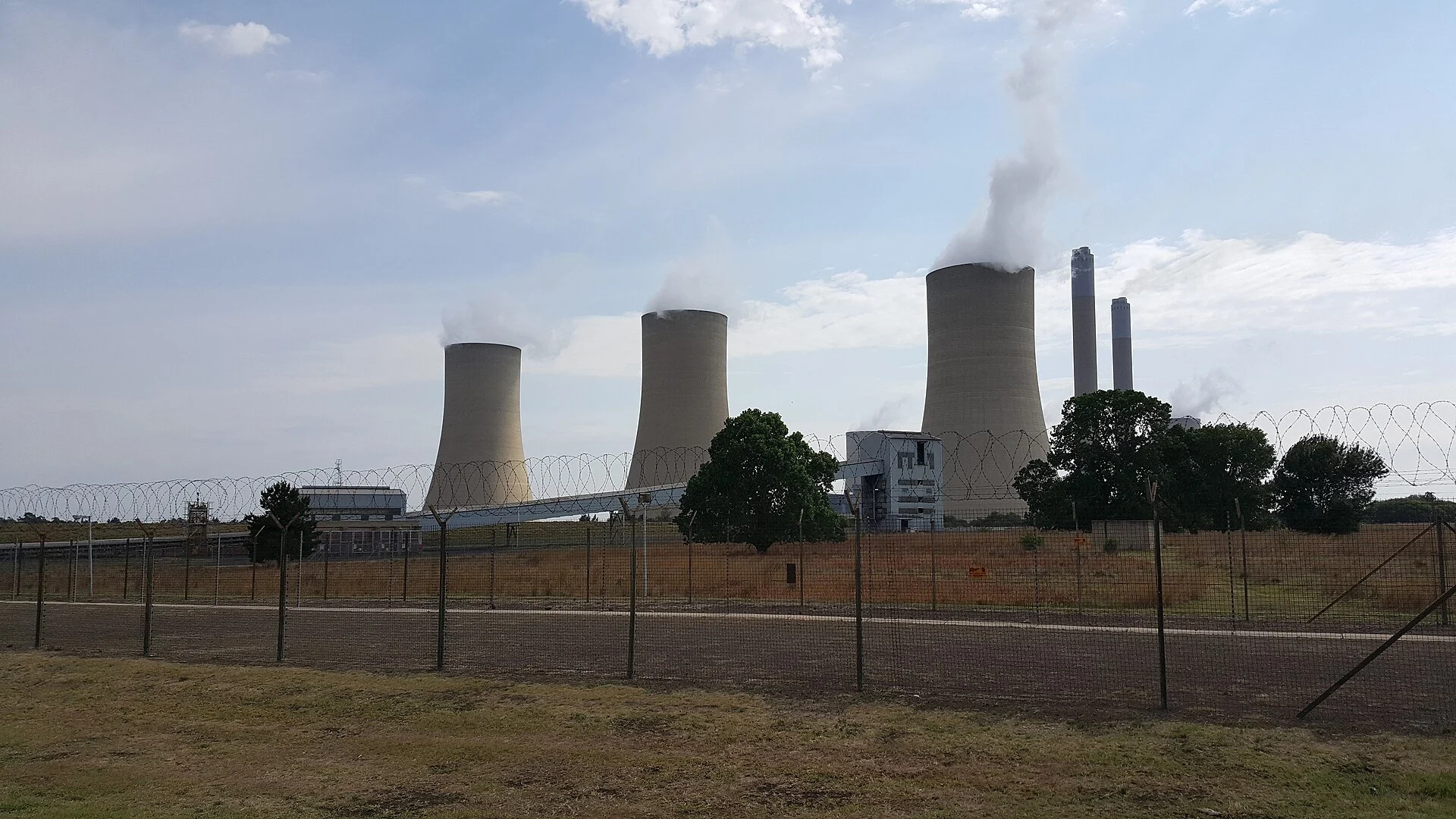
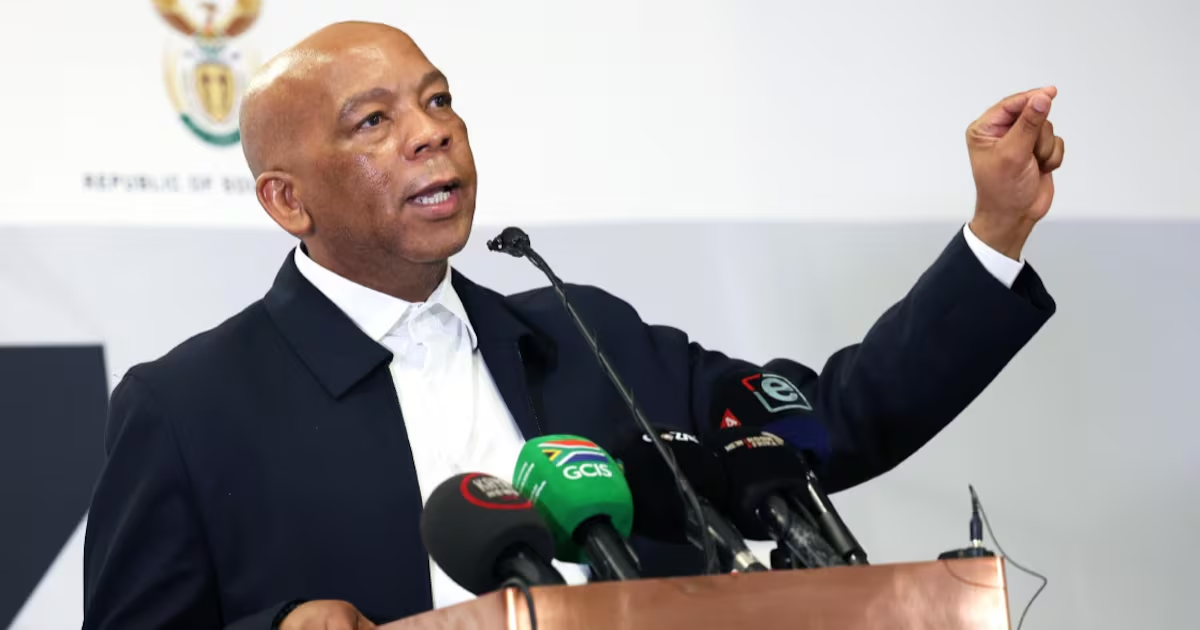
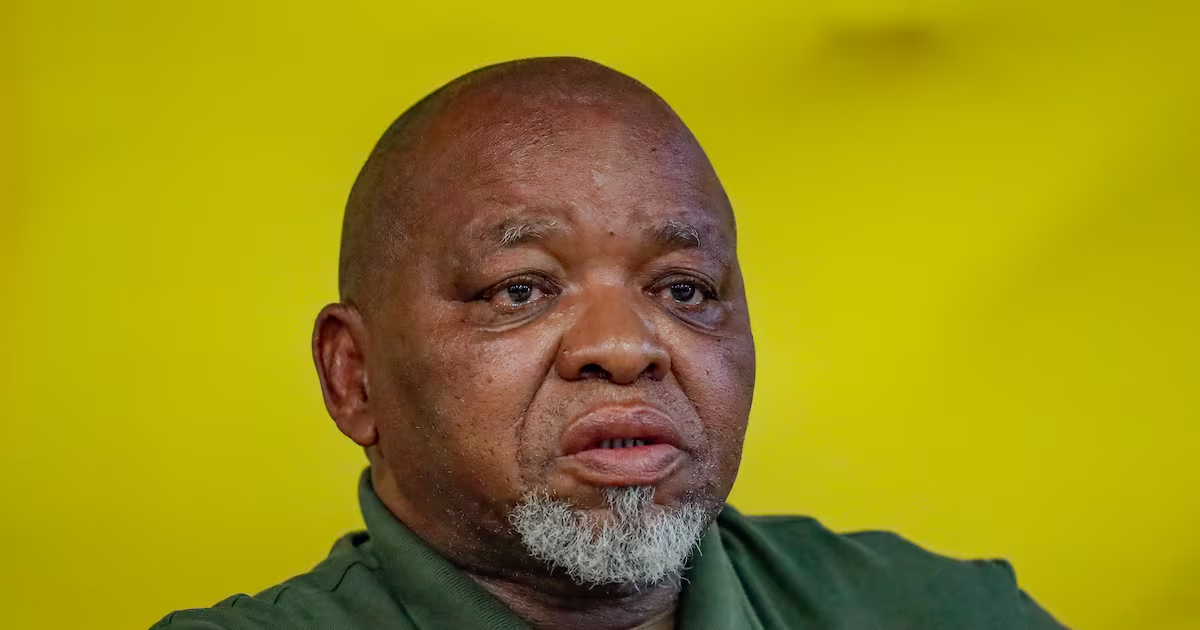
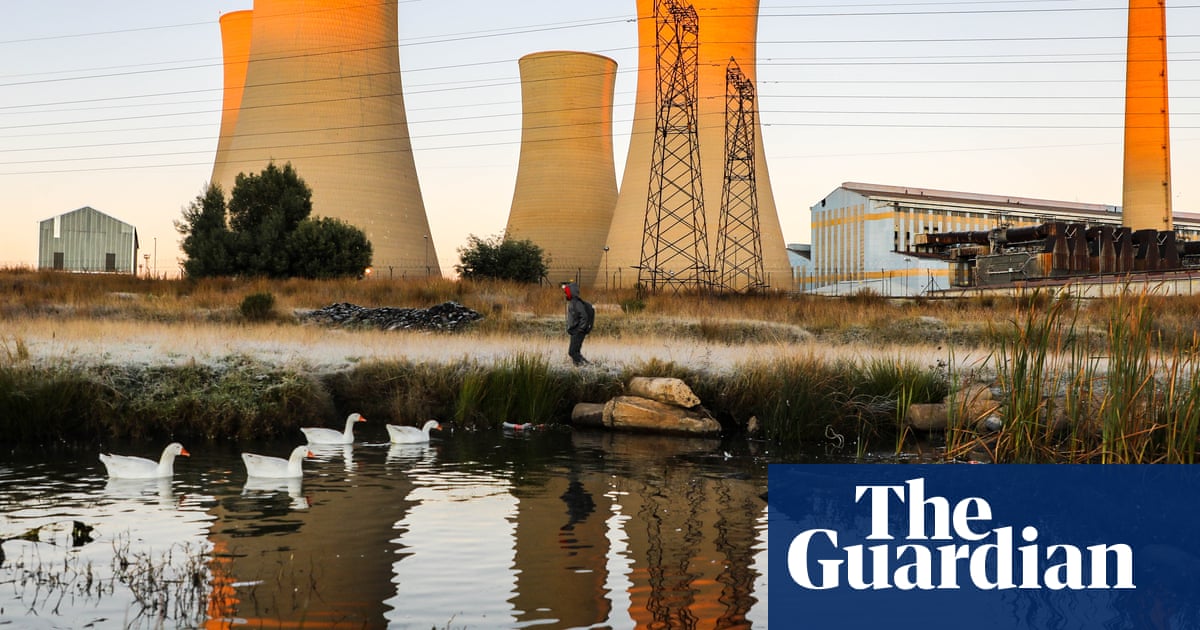
The government’s collapsed plan to build new coal-fired power stations, amid the global aim to minimise coal use, sought to ensure energy security and economic stability to protect livelihoods, electricity minister Kgosientsho Ramokgopa argues.The minister makes the argument in a legal showdown seeking to overturn a 2024 judgment of the Pretoria high court, which set aside the government’s plan to procure 1,500MW of new coal-fired electricity generation capacity. The court blocked the move due to a lack of evidence that the state considered the project’s impact on the environment, especially on the health of children and future generations. The state’s plans were detailed in the Integrated Resource Plan (IRP) 2019, which the National Energy Regulator of South Africa (Nersa) concurred with. The high court judgment now makes it difficult for the state to approve the construction of new coal-fired power stations in the future. The state’s IRP 2025 does not include any plans to build coal-fired power stations.Ramokgopa’s appeal, if successful, would set a precedent for future energy planning and procurement decisions, and the scope of the minister’s obligations during the development and publication of those plans. Read: Sub-Saharan Africa is buying solar and shows no sign of stoppingMatshoge Chabedi, representing the state, argues in court papers that the high court decided prematurely on the matter because no bid had been issued for the construction of coal-fired power stations at the time when climate advocacy movement African Climate Alliance and other civil groups took the matter to court. “The procurement process to construct the power station(s) had not commenced. The decisions that were challenged in the court were not ripe for review until they are implemented, where the decisions will be final in effect and the decisions may have some adverse effect for the person who wishes to review it,” Chabedi contends. After the state’s decision, taken when Gwede Mantashe was the minister responsible for electricity, was set aside, there has been no procurement and no construction of the 1,500W of coal-fired power stations. Chabedi argues it is only when the generation of electricity using coal is undertaken in a manner that disregards laws on the reduction of carbon emissions that the high court would be justified to impugn the decision. He contends this was not the case in the matter under review. South Africa is a signatory to the Paris Agreement on Climate Change, which aims to strengthen the global response to the threat of climate change, including through decarbonisation. “The 2019 IRP deals with environmental considerations too. It states the carbon capture and storage, underground coal gasification, and other clean coal technologies are critical considerations that will enable us to continue using our coal resources in an environmentally responsible way into the future,” Chabedi argues. The legal argument faces fierce opposition from the environmental advocacy groups represented by a legal team led by Sesi Baloyi.Advocate Sesi Baloyi SC leads the legal team for African Climate Alliance, Vukani Environmental Justice Movement In Action and Groundwork Trust. Picture: (Freddy Mavunda) Baloyi, in court papers, contends in the high court that the state failed to provide evidence of its reliance on “clean coal”, and both Mantashe and Nersa admitted they had not investigated whether these technologies could feasibly address the admitted dangers of coal-fired power. “When requested to provide evidence of any feasibility studies on these technologies, the minister’s department claimed they relied on ‘publicly available information (desktop study)’. That ‘desktop study’ turned out to be a single print-out from an online encyclopedia, Wikipedia, on carbon capture and storage,” Baloyi explains. Chabedi contends the state did not ignore the environmental impact of the use of fossil fuels. The government in its planning for new stations Thabametsi and Khanyisa, which were planned to be built in 2023 and 2024, consciously had regard to its obligation to reduce carbon emissions.She argues the court should take into consideration that the constitution mandates the government to ensure access to energy as part of socio-economic rights. Read: NEVA MAKGETLA | The IRP’s threat to the SA economy“Coal remains a reliable and cost-effective energy source, capable of providing consistent baseload power,” Chabedi argues.South Africa has 15 coal stations producing electricity, and the national grid mainly depends on these stations for power.“While renewable energy sources are critical for long-term sustainability, they currently lack the capacity to meet South Africa’s immediate energy demands due to issues such as intermittency and storage limitations,” Chabedi says.The government has a constitutional obligation to balance environmental sustainability with socio-economic development, Chabedi maintains, adding that the decision to include new coal in the 2019 plan was to ensure energy security.Baloyi, representing environmental advocacy groups African Climate Alliance, Vukani Environmental Justice Movement In Action and Groundwork Trust, argues the state made the decision to construct new coal-fired stations without due diligence. By doing so, it committed the country to new coal-fired power stations that would have operated for at least 30 years, into the 2050s, with long-term climate change and health consequences. “The appeal turns on a central question: in making these decisions, did the minister [Mantashe] and Nersa give due regard to the best interests of present and future generations of children? The answer is ‘no’. There is no evidence they considered children’s rights and interests, despite the undisputed dangers to this vulnerable group,” Baloyi argues. The challenge by the groups was against the decision to procure new coal-fired power but was not a blanket ban on the use of coal, she says. “Coal-fired power stations produce harmful and often deadly air pollution, water pollution and hazardous waste,” Baloyi says. “In Groundwork, this court recorded the government’s own estimate that 10,000 premature deaths each year are linked to air pollution in the highveld priority area, which is home to most of South Africa’s coal-fired power stations. “There is also no dispute that coal-fired power stations have contributed significantly to dangerous climate change, a threat President Cyril Ramaphosa has described as ’the most pressing issue of our time’.”Baloyi maintains that current and future generations of children remain vulnerable to the environmental effects of coal power generation. “Given the dangers of coal-fired power and its effects on climate change and health, any decision to procure new coal-fired power required careful consideration of the impacts and human rights consequences, both for present and future generations.” Baloyi contends there is no basis for the claim that 1,500MW of new coal-fired power is necessary to secure the country’s immediate or long-term energy security. The matter will be heard by a Supreme Court of Appeal full bench on August 19.Business Day