Story audio is generated using AI
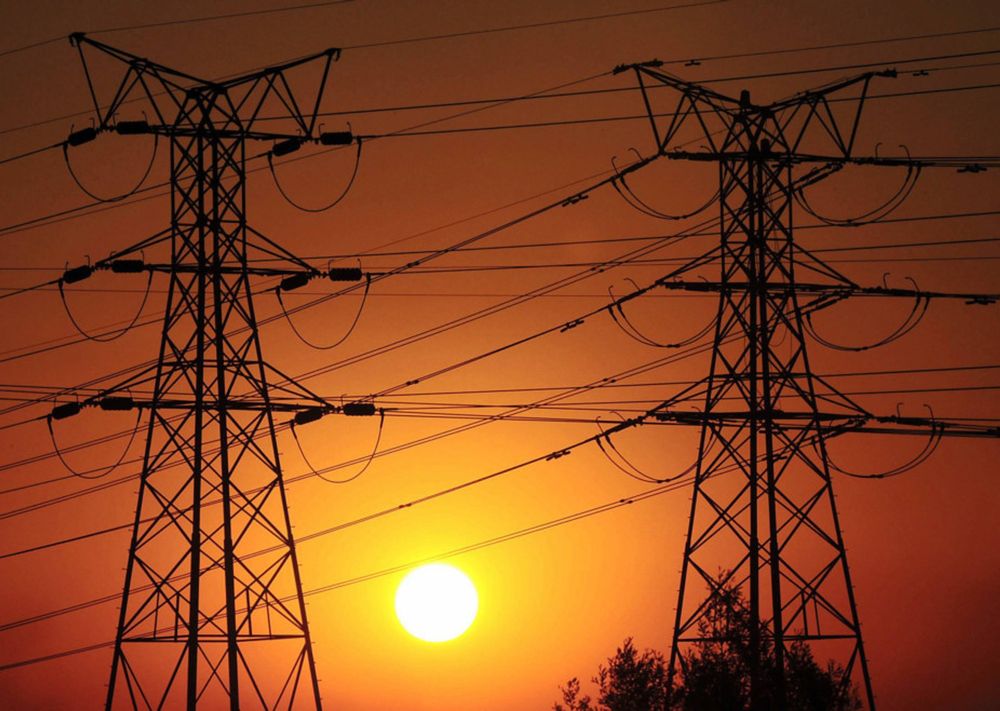
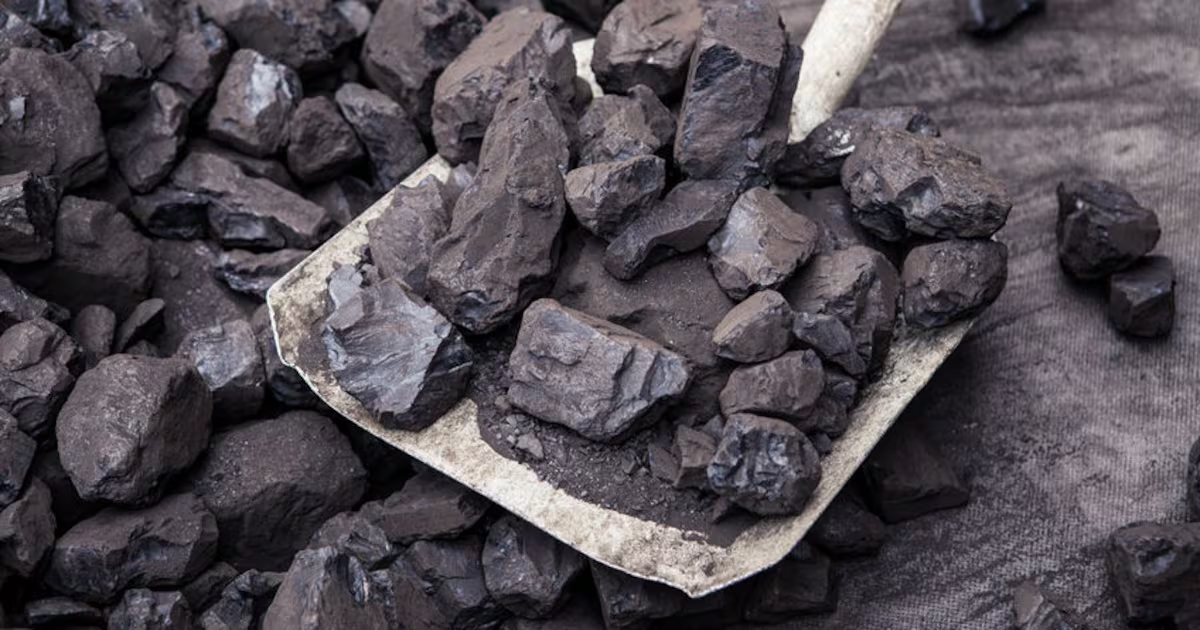
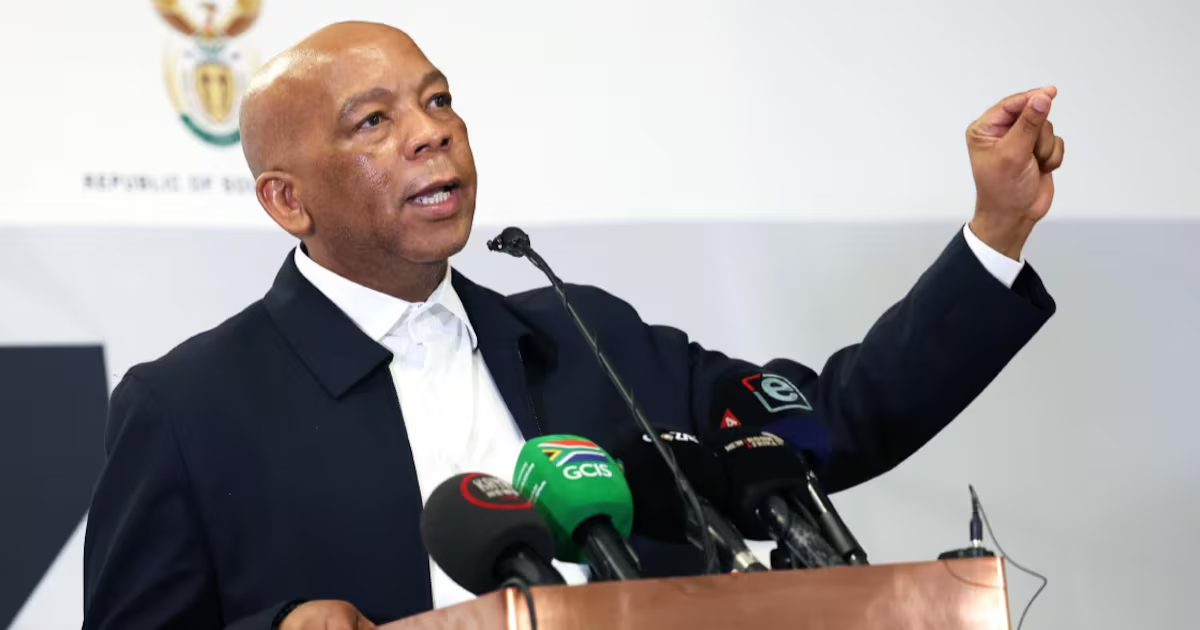
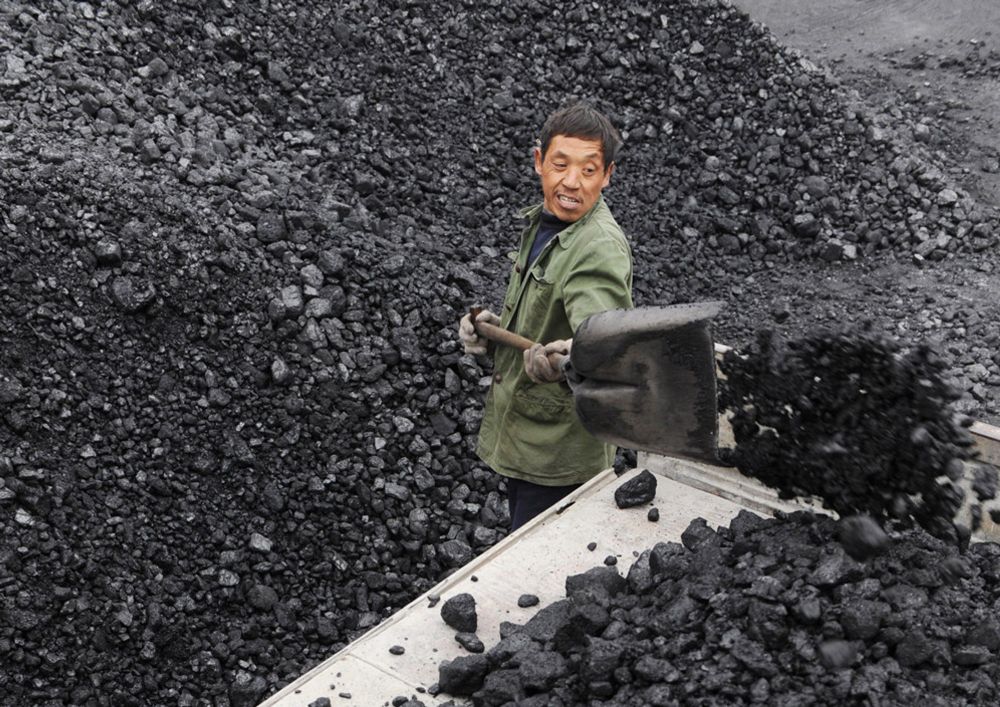
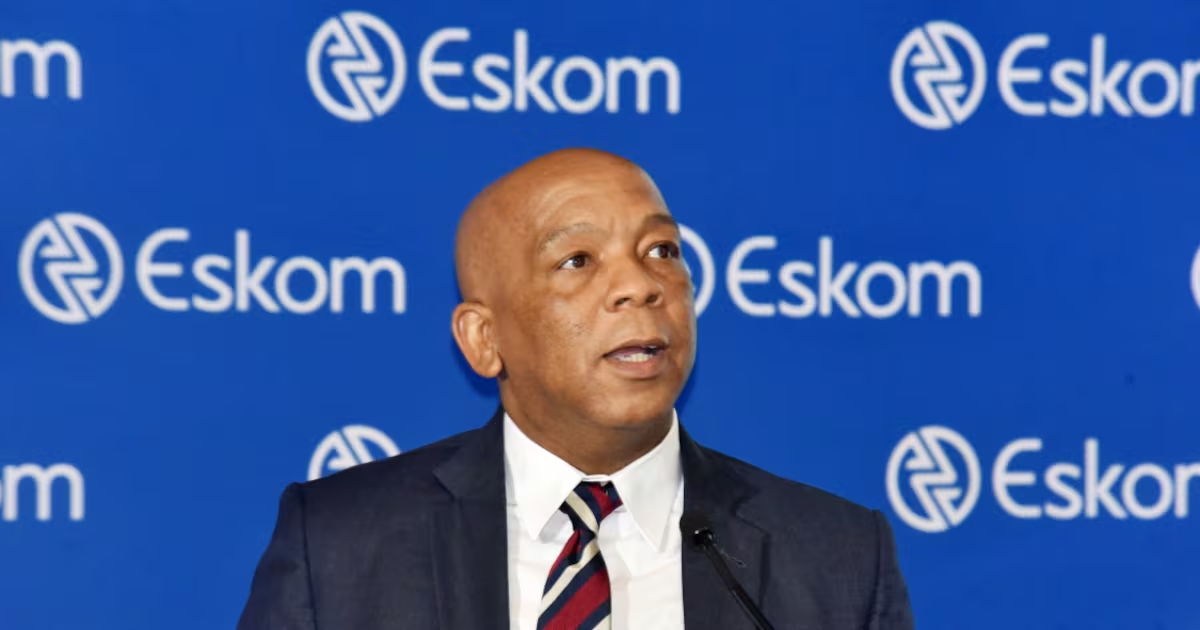
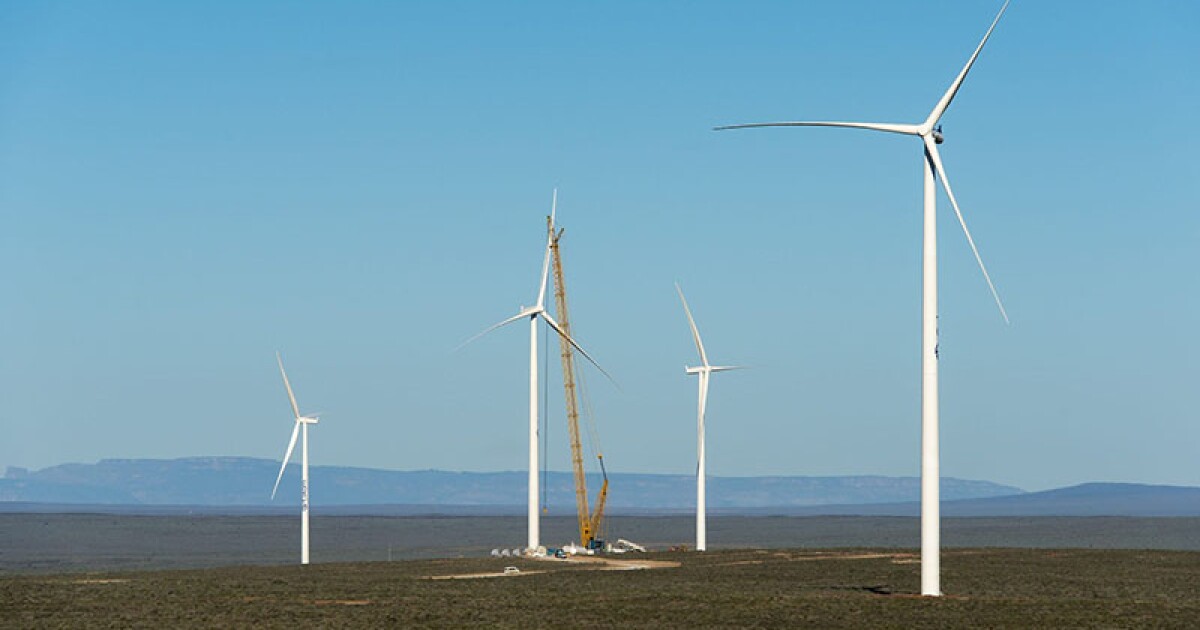
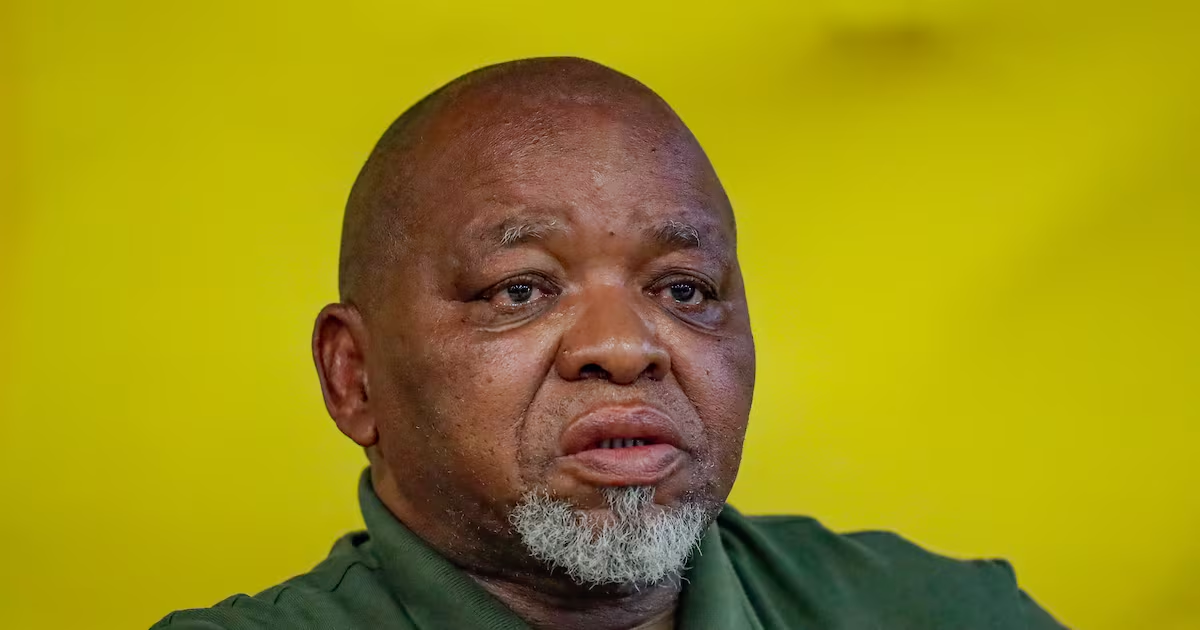
The government has cautioned against a one-size-fits-all approach in the energy transition debate as coal remains a significant driver of power production in developing countries.Coal accounts for 80% of South Africa’s power needs, with baseload electricity relying on Eskom’s 15 coal-fired power stations. Through the integrated resource plan, a blueprint for the energy mix, the government has pushed diversification to include renewable power sources, such as wind and solar, as part of efforts to reduce emissions.At the annual Resources4Africa coal and energy transition event in Johannesburg, which brings together the mining industry’s top executives and policymakers, mineral and petroleum resources minister Gwede Mantashe said it is wrong for developed economies to prescribe the pace and scale of the transition for developing nations.“We are a developing economy, we can’t do what Europe does.” Outside the EU South Africa is the only country that has imposed a carbon tax on its products to trade with the EU.“I am saying it is a mad debate in the sense that we are shooting ourselves in the foot to fit somebody else’s interest, and I think that must be addressed by us,” he said. China built 50 coal-fired power stations in 2025, while none were built in South Africa because of court action by activists. “That is where the problem is, we are overregulating ourselves at a huge cost compared to other developing economies.” While many has described the energy transition as one from coal to renewables, Mantashe said this is wrong. “I say no, it is a transition from high carbon emissions to low carbon emissions; that is it. That is why we need a variety and a combination of sources of energy.” South Africa has received $8.5bn for climate financing from developed nations, including France, Germany and the UK, to reduce reliance on fossil fuels. The climate financing comes as part of the country’s just energy transition ambition to reduce carbon emissions by 2030, which requires R1.5-trillion in investment.Eskom CEO Dan Marokane said South Africa should take decisions that are good for the country when it comes to energy security.“We as Eskom, five years ago, we advocated for the continued operation of the coal-fired power stations. We said we will meet the targets, but we will meet them differently. We will not meet them by the wholesale shutdown of the coal-fired power stations like the disaster at the Komati power station,” Marokane said.Komati was closed in 2022 as a just transition pilot and was harshly criticised for its impact on the surrounding communities in Mpumalanga. We as Eskom, five years ago, we advocated for the continued operation of the coal-fired power stations. We said we will meet the targets, but we will meet them differently. We will not meet them by the wholesale shutdown of the coal-fired power stations like the disaster at the Komati power station— Dan Marokane, Eskom CEO Marokane pointed out that during the Ukraine-Russia conflict, some European countries that had stuck to a certain energy path before, restarted their coal-powered power stations. Meanwhile, members of the Group of 20 said their focus was on their own energy security during the G20 Summit in 2025 hosted by South Africa.Marokane said Eskom is building a next-generation utility, pointing to the establishment of Eskom Green in June, which paved the way for the group to transition to renewable energy generation and storage, using its existing infrastructure and coal-fired power stations.Meanwhile, the conference highlighted improvements in coal exports through collaboration with Transnet.Theo Johnson, GM for the coal business unit at Transnet Freight Rail, said the entity is working towards eradicating the criminality that has hampered performance at the Richards Bay Coal Terminal (RBCT), through which domestic coal is exported.There has been a 50% reduction year on year in security incidents, which immediately gives the industry a benefit in terms of volumes through the corridor.“The over 50% reduction in the security incidents on the line came as a result of collaboration ... We have made tremendous progress with regard to technological advances,” he said. Progress includes replacing copper on the rail network with magnesium, which is not “seller friendly”.The reduction of incidents correlates with a pick-up in performance, he said. Due to infrastructure and logistics bottlenecks, the RBCT has performed below its 90-million tonnes capacity and exported 56-million tonnes in 2025.Caroline Shirindza, executive head of coal at Exxaro Resources, said industry constraints are forcing Exxaro to use multimodal transport to cushion the impact.“The challenges we have... We are constrained. We move less than 2-million tonnes by rail because of rail performance, ” she said.Business Times