Story audio is generated using AI
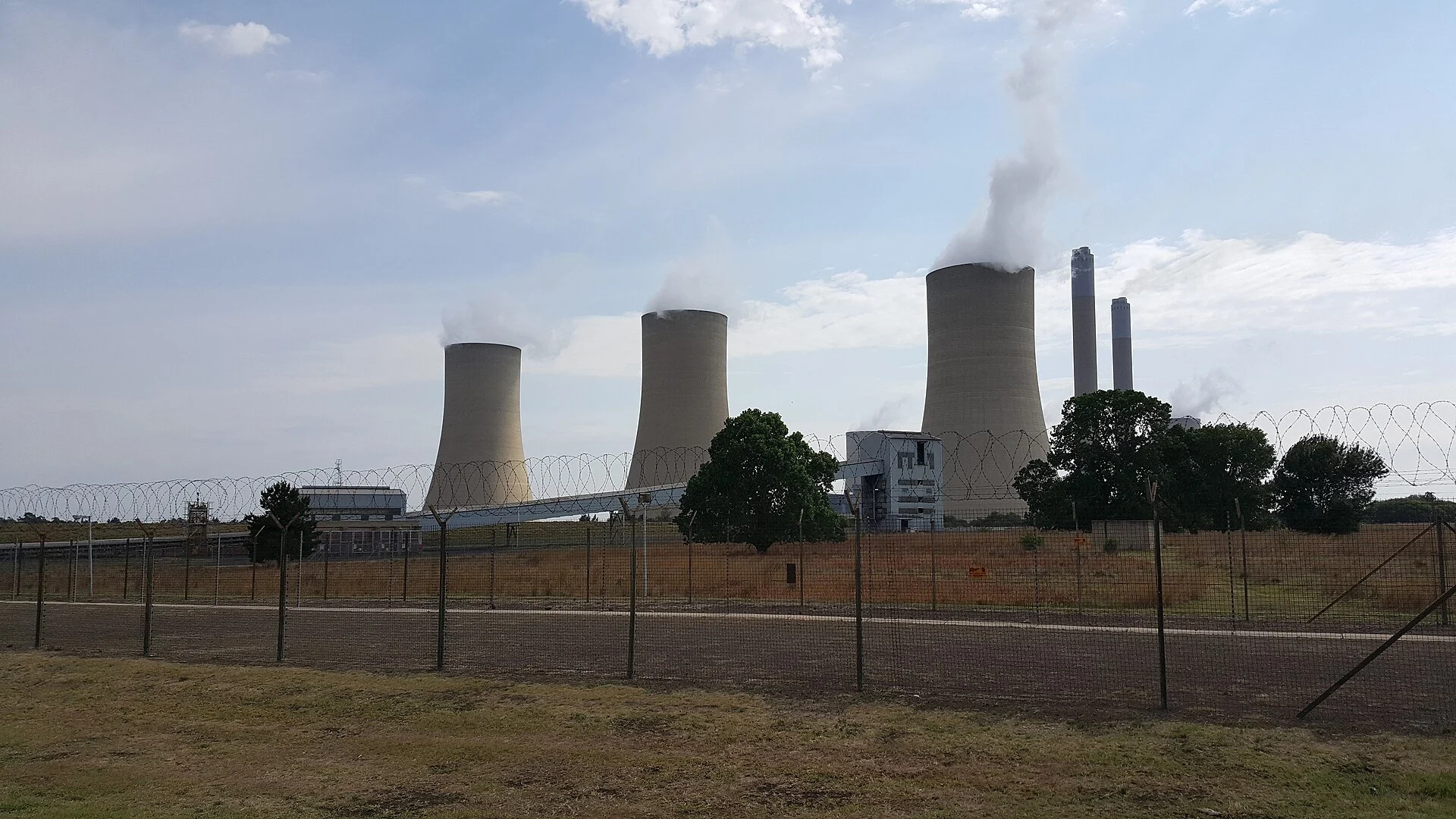
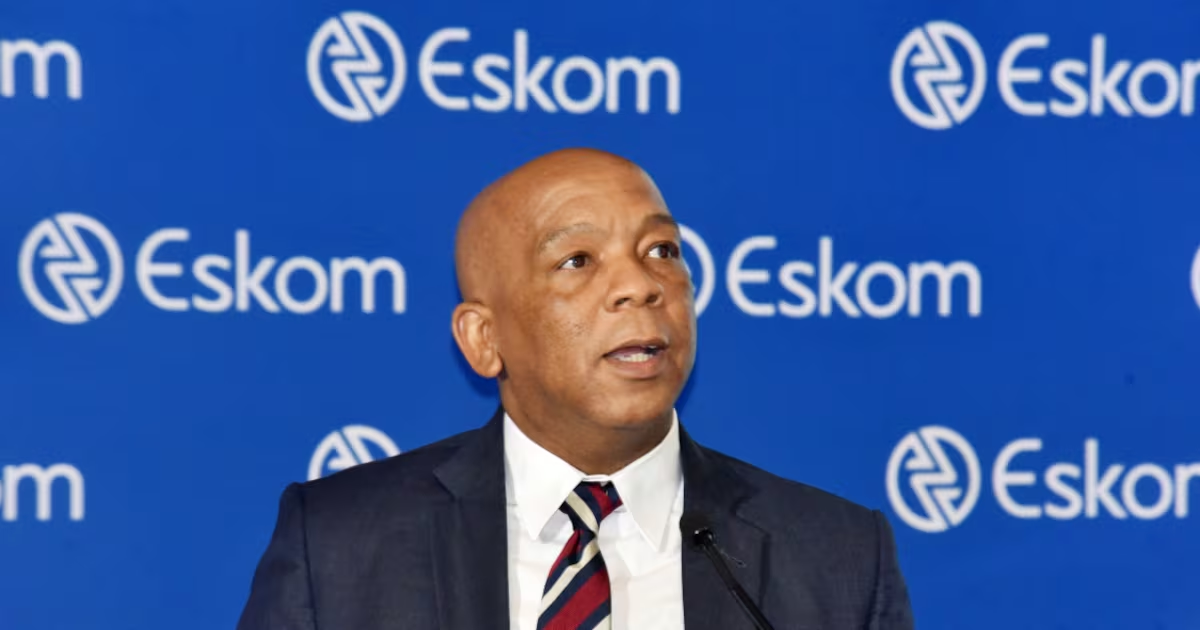
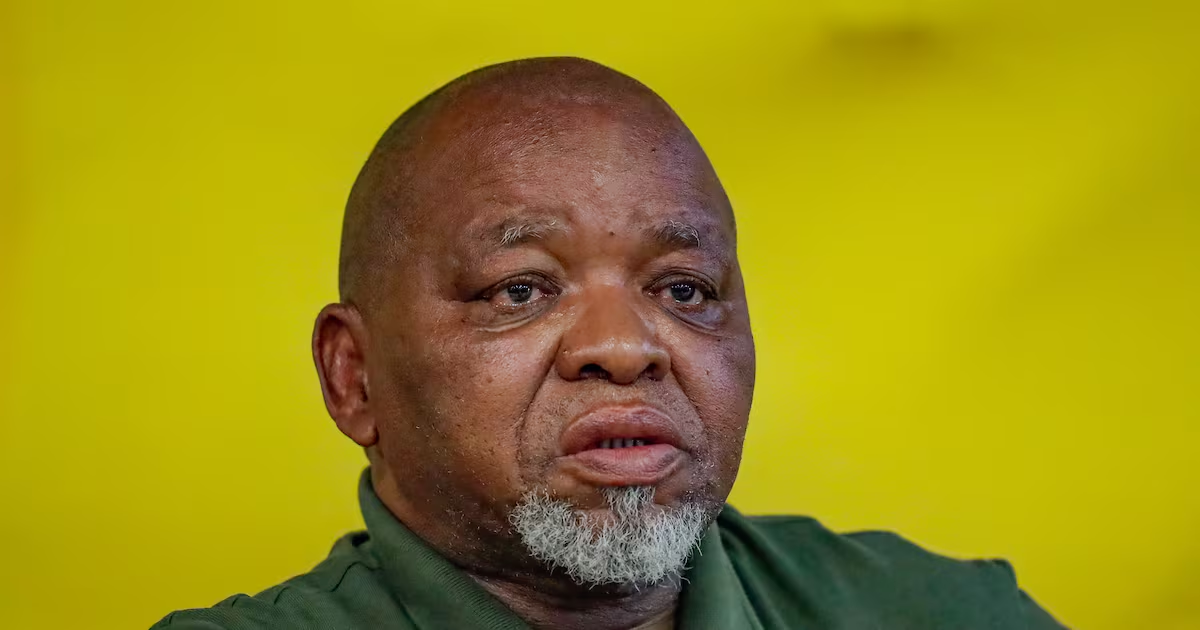
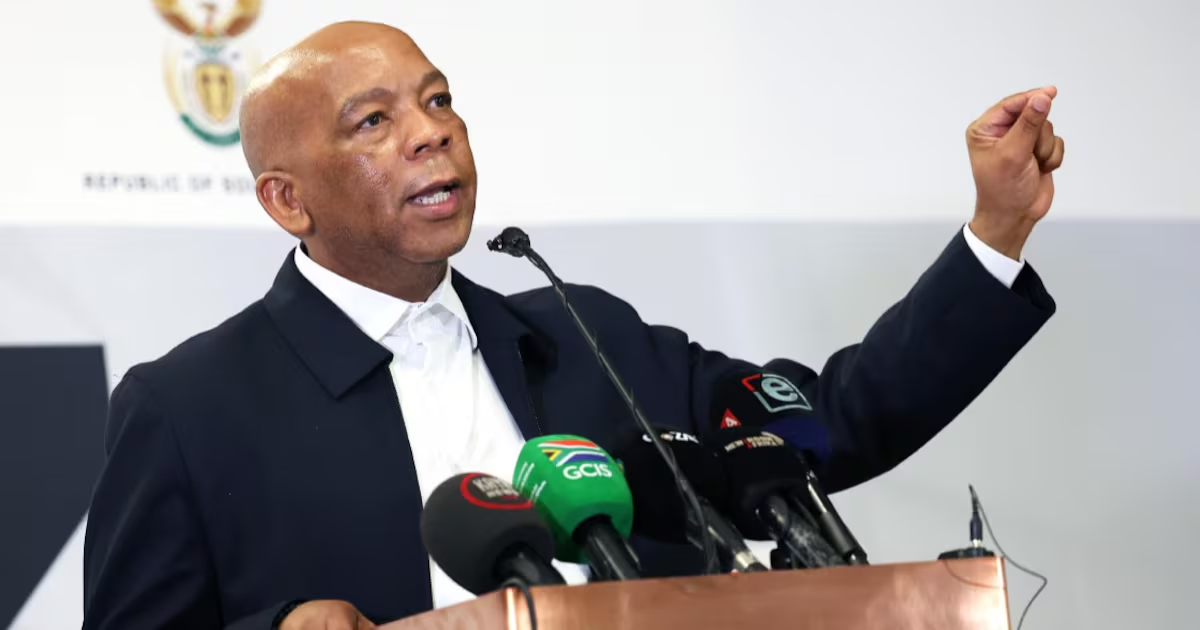
Electricity & energy minister Kgosientsho Ramokgopa has reiterated that coal remains an integral part of South Africa’s energy mix despite the push for cleaner sources, urging critics of the fossil fuel not to undermine what he called science-backed efforts to make the plan work.Ramokgopa also told a Unisa forum on energy security on Thursday that he will push for legislation to level the playing field, allowing power utility Eskom to compete against private players in the energy space without the restrictions it currently faces under the Public Finance Management Act as a state entity.The government has long pushed back against pressure to phase coal out of the country’s mix, arguing that the commodity remains a key driver of electricity production in developing nations and slamming what it calls a one-size-fits-all approach in the energy transition debate.On Thursday Ramokgopa said the Integrated Resource Plan, which outlines South Africa’s long-term electricity supply and demand strategy, advocates for all mixes, including nuclear, solar and gas power.“What is the point I’m making? It’s that you don’t relinquish your strategic assets to satisfy foreign interests that have nothing to do with your ambition to improve the quality of lives of our people. “But because we have a duty and a responsibility to the environment, we’re saying that we are going to apply clean coal technologies. We can rely on science to resolve that,” he said.“That’s why Eskom and the Council of Geoscience are coming with technology on clean coal. So we’ll test that technology; it will work. So coal is going nowhere. Coal continues to become part of the backbone of South Africa’s generation capacity — because we have coal.”The government is in a legal battle against environmental groups to overturn a 2024 judgment of the Pretoria high court, which set aside its plan to procure 1,500MW of new coal-fired electricity generation capacity. Thursday’s forum was held against the backdrop of an ongoing bruising debate about Eskom’s unbundling.President Cyril Ramaphosa has endorsed the first phase of plans to separate the country’s transmission operator from the utility after he studied a report by a National Treasury-led restructuring task team he had appointed to draft a blueprint for the process.Eskom’s top brass, which has Ramokgopa’s support, has argued that stripping the utility of its transmission assets will leave it in a far worse financial position.At Thursday’s forum, during which he repeatedly lauded the team of engineers — including board chair Mteto Nyati and CEO Dan Marokane — that had used their expertise to pull Eskom from the brink of collapse, ending years of rolling blackouts, Ramokgopa warned that the utility could end up as a “casualty” of the unbundling process.While acknowledging that his role as electricity minister is not to resolve “an Eskom problem” but rather “an electricity problem”, he cautioned: “It could be the case that in the resolution of that question, Eskom is a casualty. So … it’s a very complex space, so it has to be managed and managed carefully.”He said for Eskom to compete effectively against private players, it must be freed from the strictures of the Public Finance Management Act (PFMA), which regulates financial management in national and provincial government departments and state entities and whose goal is to ensure efficient use of public funds and prevent waste and corruption.He argued that on such a level playing field, Eskom would be allowed to cut off supply to several municipalities, such as the City of Johannesburg, which owe it billions of rand in unpaid bills.“I’m raising a principle. We have agreed that we are unbundling. We have agreed that Eskom will not be vertically integrated anymore,” Ramokgopa said.“And we’re saying that on the generation side, there are a number of actors, and to regulate this new dispensation, we are introducing the South African wholesale electricity market, where actors can choose to pay through bilaterals or go through a central purchasing agency for the on-selling of that electricity. “Eskom does not have the flexibility that other private sector actors have. Eskom has to be subjected to the PFMA.“Now, I can … tell the chair [Nyati] and Mr Marokane that ‘Joburg owes you R7bn [but] don’t switch it off; I’m going to fix the problem’. But in a perfectly functioning market, they will switch them off because they’re not paying. So those are the perils of what you are doing.“I can say to Mr Marokane that we are going to continue to provide free basic electricity to the poor, but they’ll come back to me and say ‘place the same obligation on other people. Why only me? And then at the same time, you want me to return a profit’,” Ramokgopa added.Asked how soon Eskom could be freed from the restrictions of the PFMA, he told the forum: “It’s a submission I’ll make to the cabinet, and of course, before I get there, I would have had an engagement with my peer, the minister of finance.”Ramokgopa said pursuing a more open energy sector with private sector participation should not see the state abandon its public interest obligation of ensuring affordable energy for all, which would drive the reindustrialisation of the economy.“When we keep the lights on, we don’t keep the lights on for its sake. The lights must support industrialisation. That electricity must be affordable. I don’t know how many of you in this room can afford electricity. None of us can afford electricity. So the electricity is available, but it’s not accessible,” he said.“The state must appreciate that it can’t be displaced. The state can’t be retrenched. The state must not abrogate its responsibility to lead. We have the electricity. “The state must be decisive in how we use this electricity to make sure that the poor are included, the middle class continues to rise, industry is able to thrive, and in that way we are going to lift everyone and leave no one behind.”Business Day