Jozia formed a Self-Help Group in 2020 and started a shawl-weaving enterprise
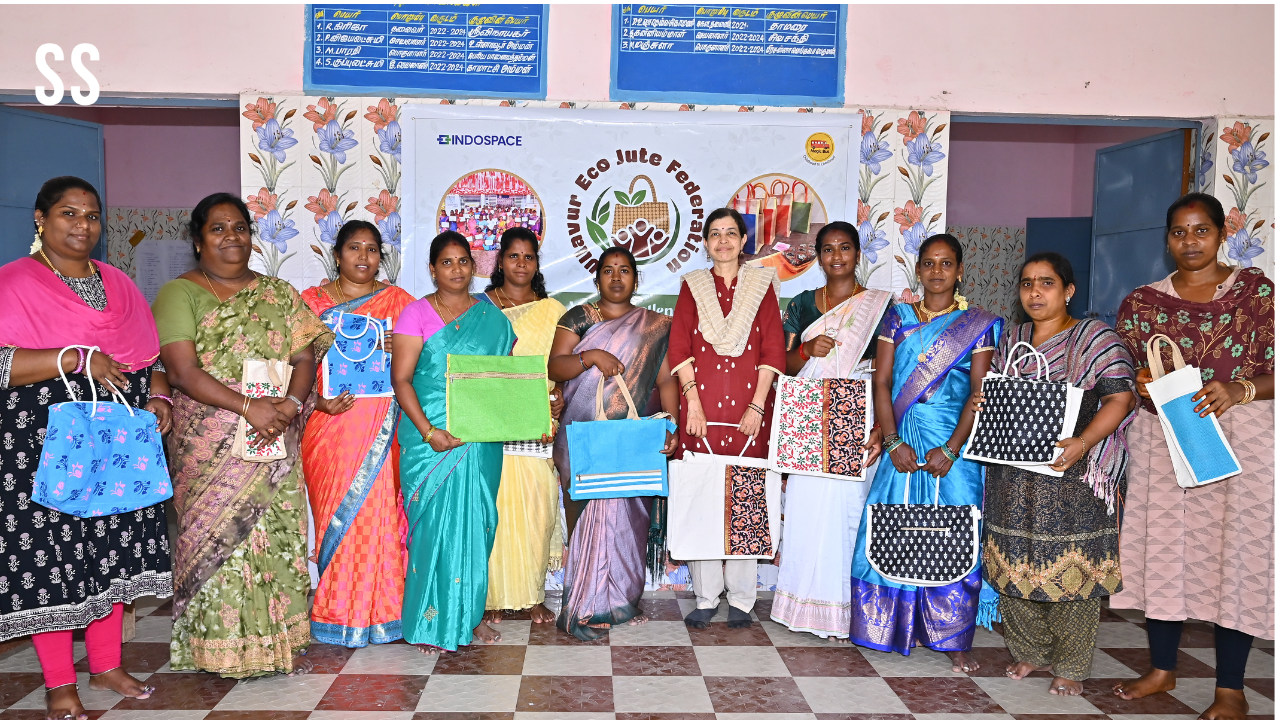
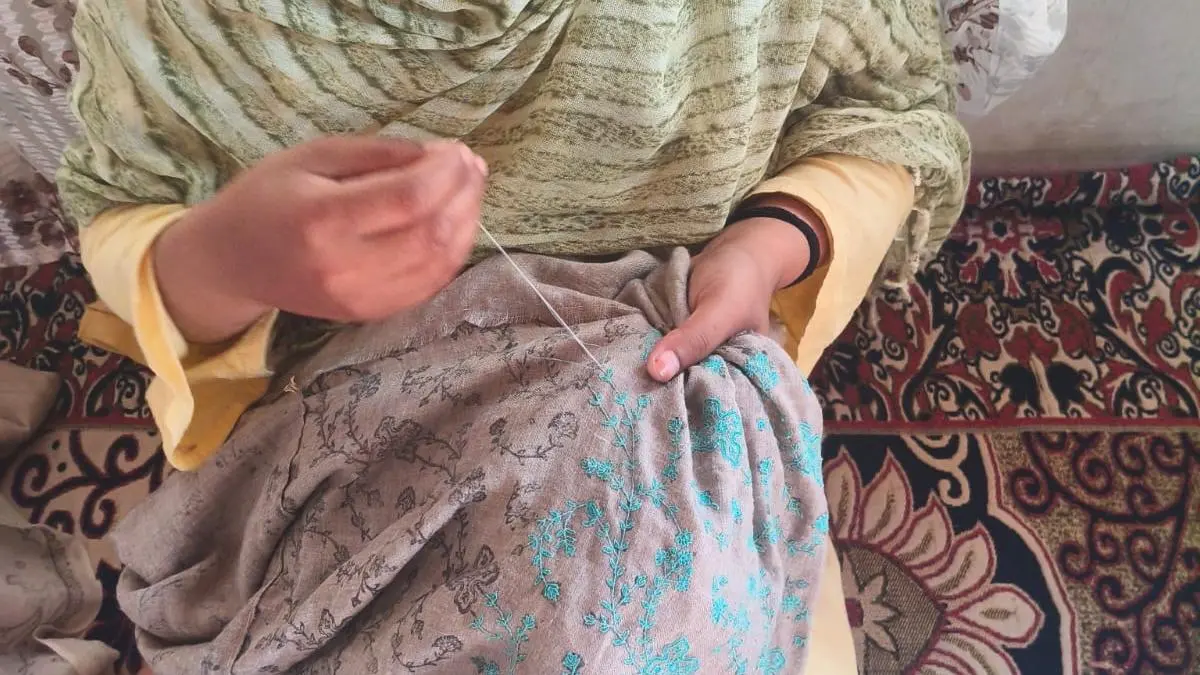
In the quaint town of Chowki Choura, some 50 km from Jammu, Bandu Devi has built a dairy farm from the ground up, turning cattle rearing into a source of livelihood and a growing rural enterprise with the support of the Jammu and Kashmir Rural Livelihoods Mission (JKRLM).A few years ago, Devi formed a Self-Help Group (SHG) of 10 women and started the dairy activity by purchasing a few cows. What began as a modest livelihood initiative has gradually expanded into a sustainable source of income.Today, Devi owns 15 cows and earns between ₹25,000 and ₹30,000 a month from the dairy business.“I earn sufficiently to run my family on my own,” she said. For Devi, the dairy farm has provided more than a monthly income. It has given her greater financial independence and an opportunity to run an enterprise of her own while remaining rooted in her village.Her story is echoed in other parts of Jammu and Kashmir, where women associated with SHGs are increasingly taking up livelihood activities ranging from dairy farming and agriculture to handicrafts, food processing and other small enterprises.In a sleepy village of Hajin in north Kashmir’s Bandipora district, Jozia has taken a different route to entrepreneurship.Jozia formed a Self-Help Group in 2020 and started a shawl-weaving enterprise. Over the years, the small initiative has grown into a larger livelihood activity, with more than 100 artisans now working under her.“I easily earn ₹30,000 per month, besides generating employment for the female artisans associated with me,” Jozia said.Her enterprise has enabled her to earn a regular income while creating work opportunities for other women artisans, many of whom can work from their homes and balance the craft with household responsibilities.The experiences of Devi and Jozia highlight the range of economic activities being undertaken by rural women through the SHG network supported by JKRLM.According to official figures, 96,595 Self-Help Groups are operating across Jammu and Kashmir, with around 8.14 lakh women associated with JKRLM.Building sustainable livelihoodsThe mission seeks to organise rural women into SHGs and help them build sustainable livelihoods through access to financial support, skills, training, capacity building and market linkages. The collective model also enables women to pool resources, access credit and undertake enterprises that may otherwise be difficult to start individually.“The impact can be seen in the diversity of enterprises emerging across the Union Territory. While some women are turning to livestock and dairy farming, others are reviving traditional crafts or creating small businesses around agriculture and food products”, said an official at JKRLM.“The aim is to move rural women from being beneficiaries of welfare programmes to becoming active participants in the local economy”, added the official. Published on August 10, 2026