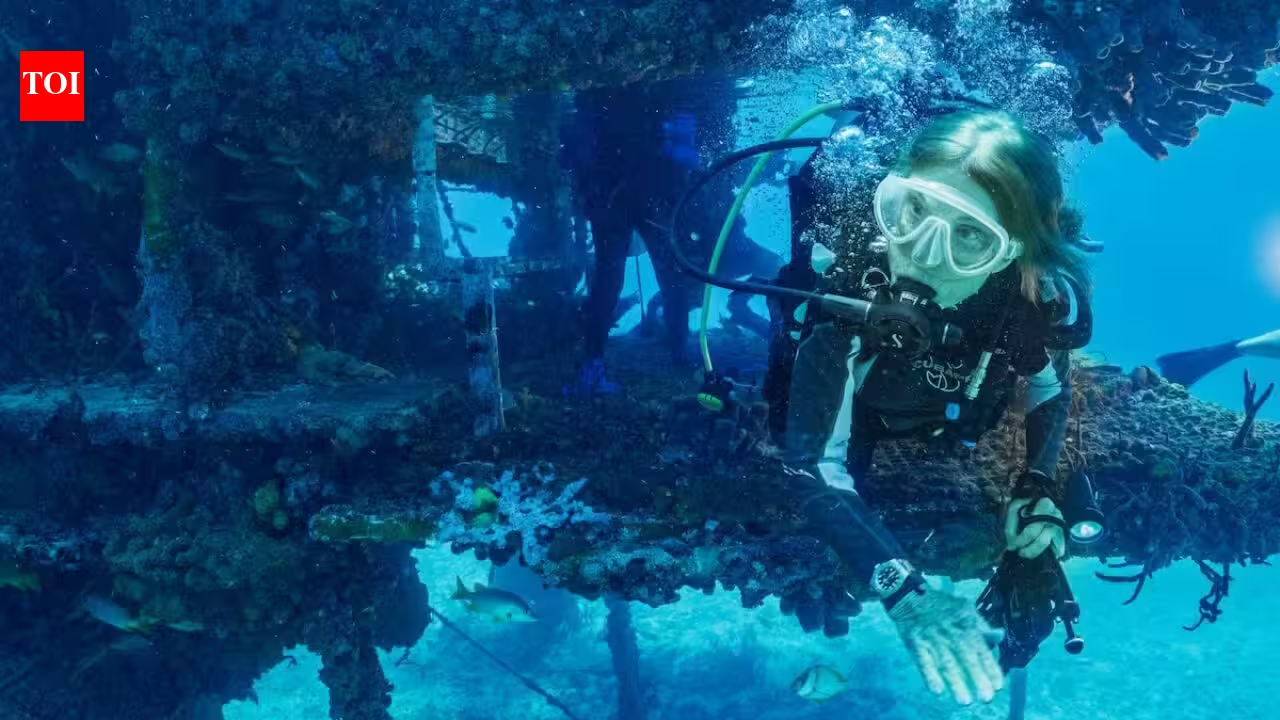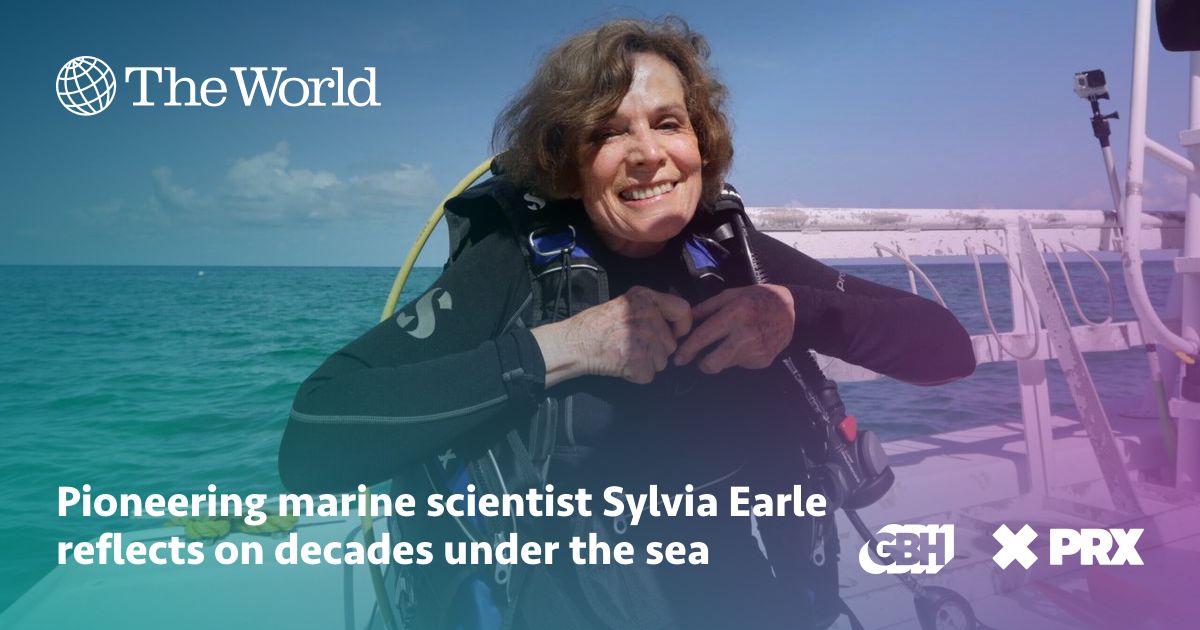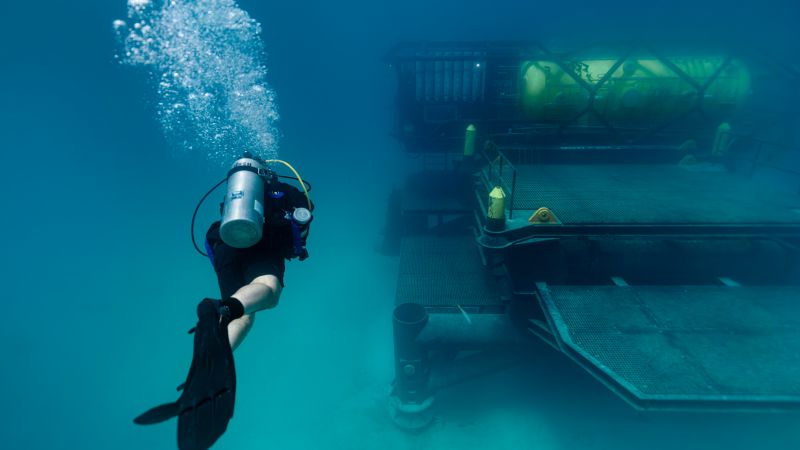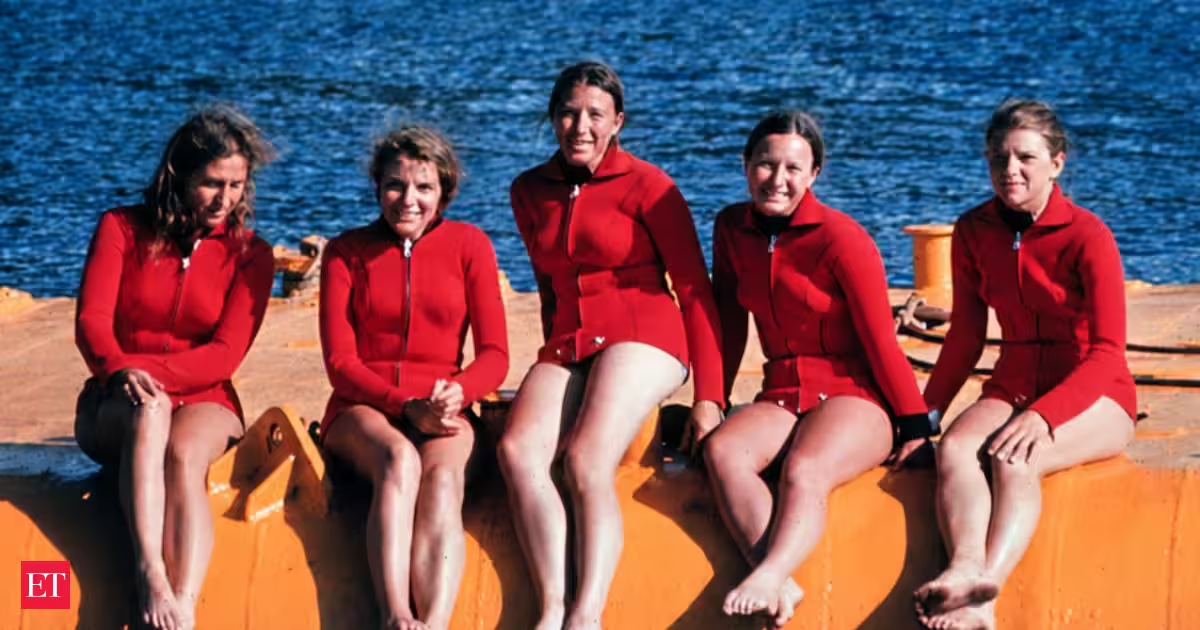
Five decades before “girl power” became a hashtag, five women packed rebreathers and lab notebooks and moved into a metal capsule on the ocean floor. Atlas Obscura's detailed account of the mission, based on interviews with two of the aquanauts themselves, reports that the group spent 14 days living and working underwater, subtly yet definitively helping strengthen the case for women in scientific careers in extreme environments.A NASA experiment that almost left women out of the pictureThe mission was called Tektite II. It was the summer of 1970, in Lameshur Bay off St. John in the U.S. Virgin Islands. This detail comes from the University of Michigan’s Women in National Parks archive, which holds original National Park Service photos and records from the project. The U.S. Department of the Interior managed the program, receiving assistance from NASA.NASA had a real reason to be involved. The agency wanted to find out how people would live in a small closed space for several weeks, isolated from the external environment. The underwater habitat served as an affordable model of the future space station.The year before, four men had already spent 60 days in the same habitat, primarily to observe how their bodies and minds handled the isolation. The Tektite II plan changed. This time, the habitat would be studied by scientists in real field research, not just to test human endurance.The Tektite II habitat. Image Credits: Wikimedia CommonsFive scientists, one habitat, no men allowedMarine biologist Sylvia Earle led the five-member crew. She was joined by marine biologist Alina Szmant, biologist Ann Hartline, oceanographer Renate True, and electrical engineer Margaret “Peggy” Ann Lucas Bond, who kept the habitat’s life-support systems running.It was not originally planned as an all-female crew. Atlas Obscura says government officials were uncomfortable with men and women living together in such close quarters underwater, so they decided to create an all-women mission. What began as a workaround became a landmark moment for women in science.Real science, not just an experiment on the experimentersFor 14 days, the team dove up to eight hours a day observing coral reefs and the fish living on them, Atlas Obscura notes in its reporting. As Szmant noted to the outlet, the average daily research time the group logged underwater exceeded that of the previous male-only teams. That comparison is notable because it comes from a scientist who took part in the mission.Their days were long and physically demanding. Nights were dedicated to the observation of marine animals floating past the windows of the habitat, sometimes eye to eye with six-foot tarpons, Szmant recalled in the same article. The media did not always report the science seriously then. Newspapers wrote more about the height, weight, and hairstyles of the women than their research, as Atlas Obscura's article documents through a contemporary wire report. It offers a glimpse of how female scientists were portrayed in 1970.A parade, a president's wife, and a lasting ripple effectThen, when they emerged from the water, the reaction was huge. The five aquanauts received a ticker-tape parade in Chicago, as well as a luncheon at the White House attended by the First Lady, Pat Nixon.Suited up and ready: the aquanauts prepare for a dive during their 1970 mission. Image Credits: Wikimedia CommonsThe mission’s science, however, had a longer-lasting impact than the parade. Tektite II produced published research that was later cited as evidence of women’s ability to handle isolation and technical challenges in extreme environments. This evidence is often cited as one factor in NASA’s decision to start training its first female astronaut candidates in 1978, but it was only one part of a larger shift.What happened to the Tektite fiveAfter the mission, each woman pursued a different career path, Atlas Obscura reported. Szmant went on to receive her doctorate and become a professor of marine biology. Bond became a computer scientist based in Hawaii and Paris. Hartline later pursued a career in environmental law. True taught anatomy and physiology in Texas until her death in 2017.Earle’s profile grew the most after Tektite II. She later became the first female chief scientist of NOAA, serving in that role from 1990 to 1992. She also set the women's world record for the deepest untethered dive, 1,250 feet, in 1979, a mark that, according to Guinness World Records, has not been surpassed.Why this story still mattersTektite II was never about making a point. The scientists involved simply wanted to do good science. But their work did something else as well. It gave the world written proof that women could succeed in one of the most gruelling, remote environments humans had ever attempted to inhabit. That’s no small legacy for a 14-day mission in a metal tube at the bottom of the sea.
In 1970, Sylvia Earle led five women into an underwater laboratory on a 14-day mission that helped strengthen the case for women in extreme-environment science
In 1970, five women led by marine biologist Sylvia Earle made history during the Tektite II underwater mission, proving female scientists are vital in extreme environments. Their groundbreaking 14-day research project contributed significantly to the understanding of isolation and technical challenges in scientific exploration.
787 words~4 min read