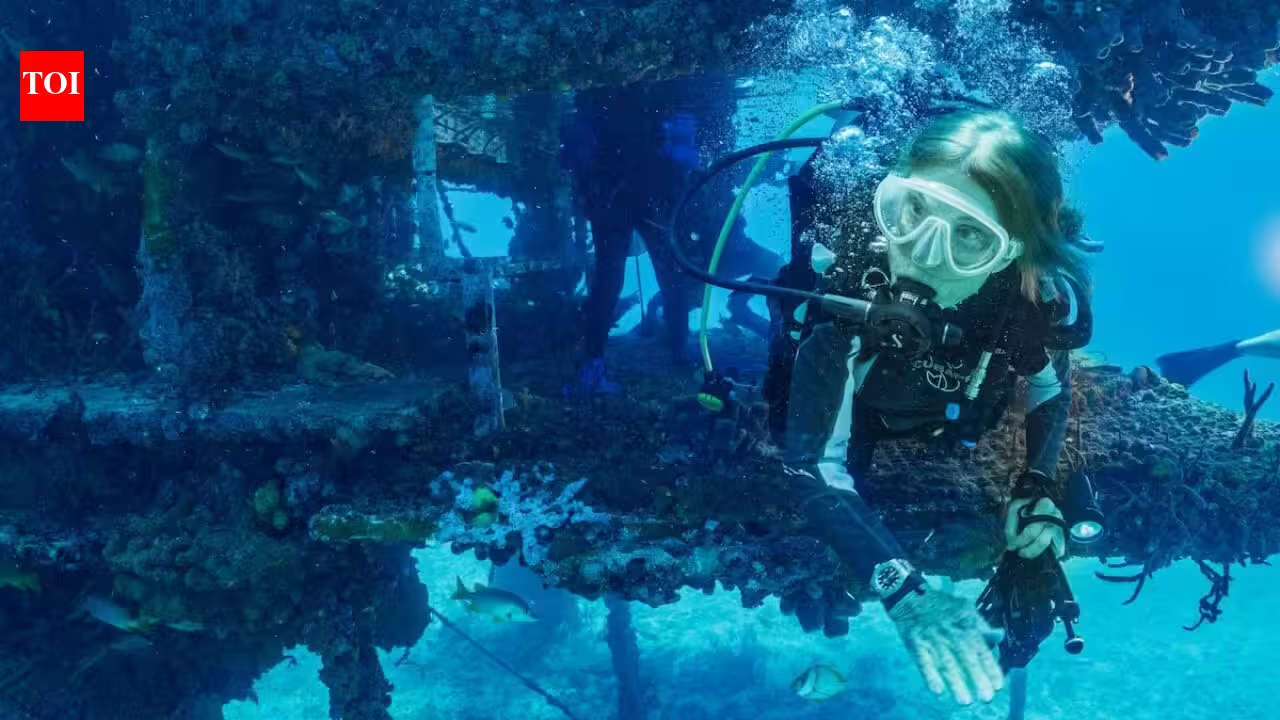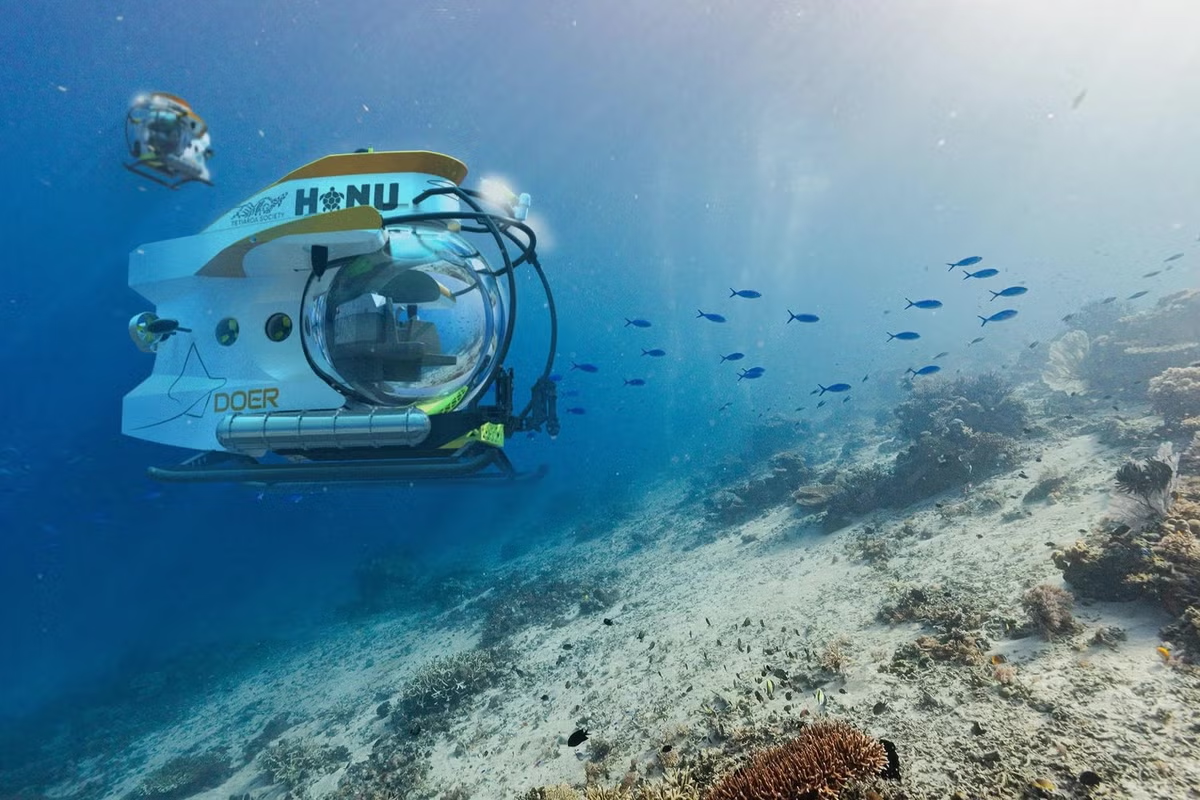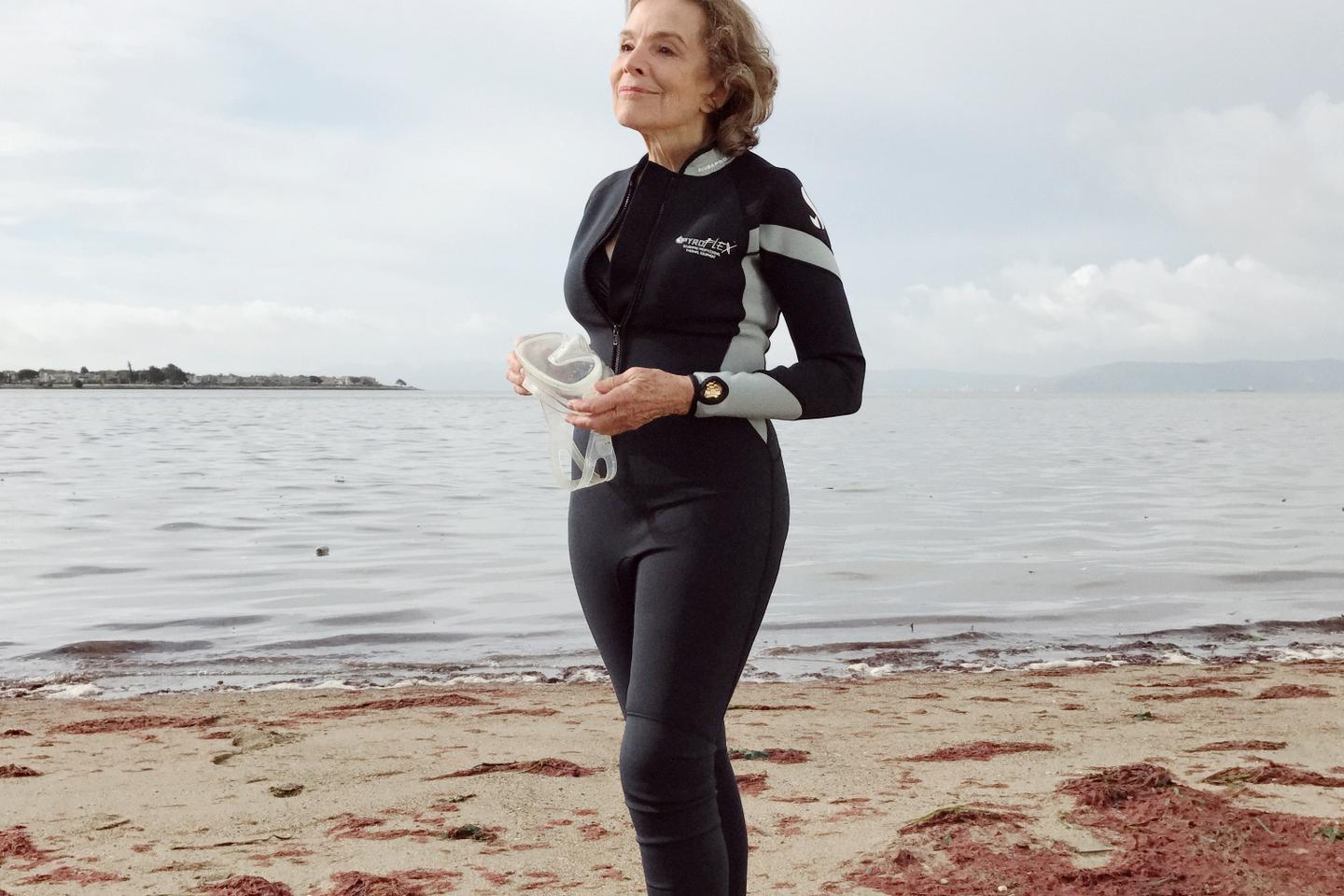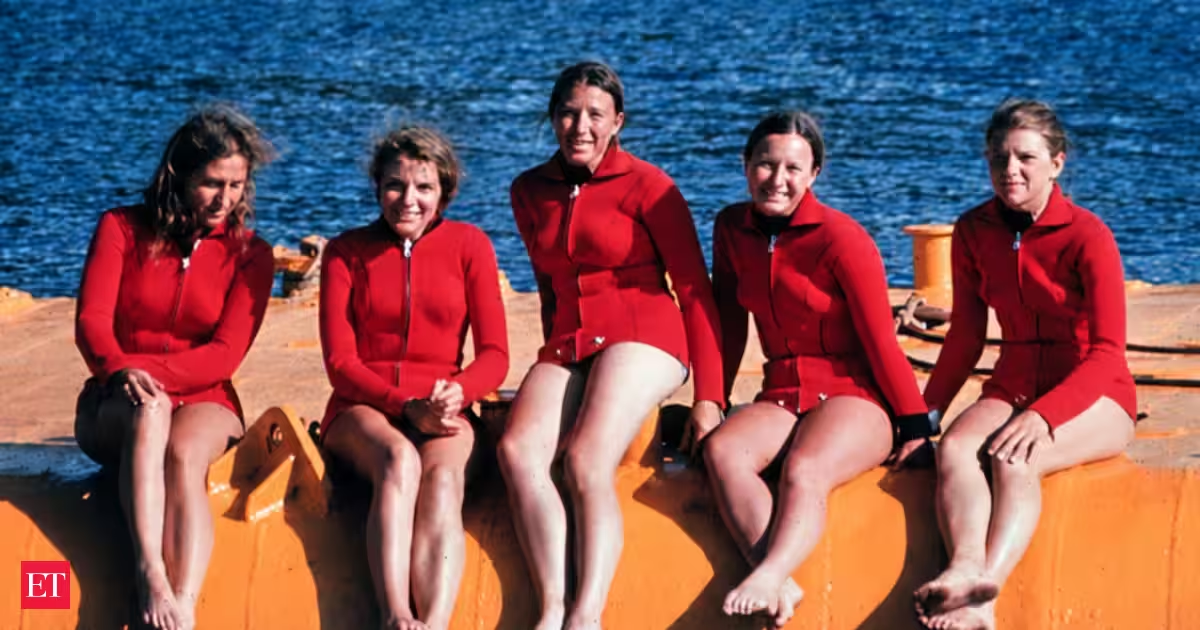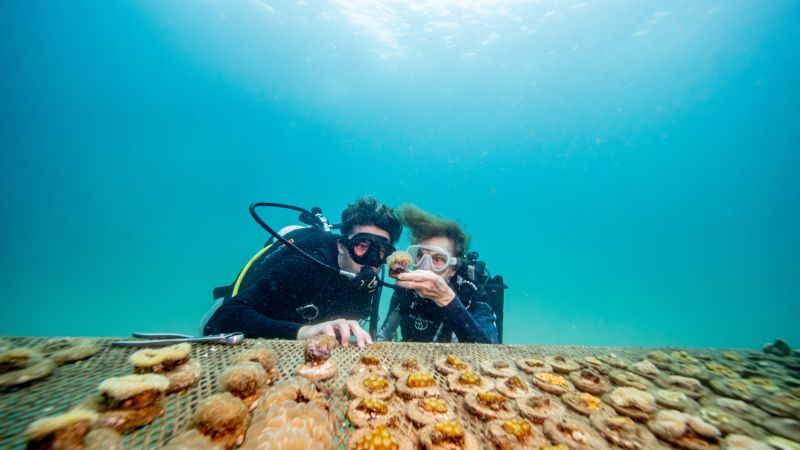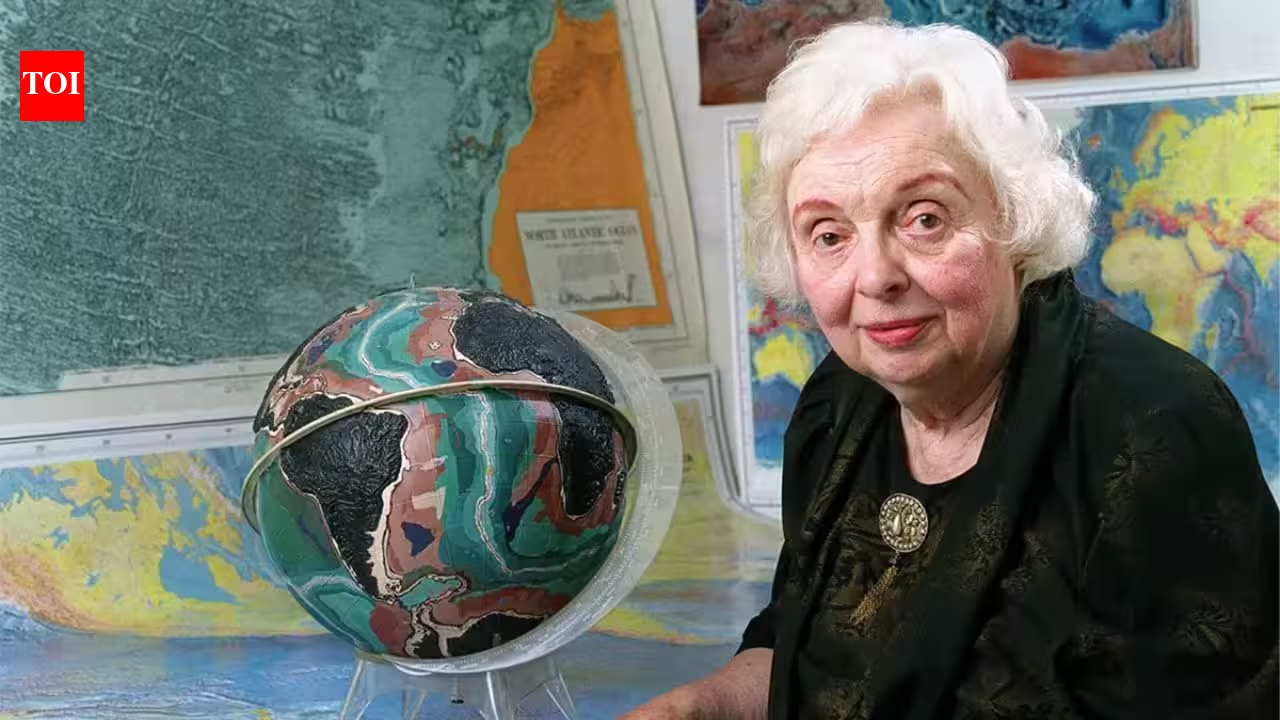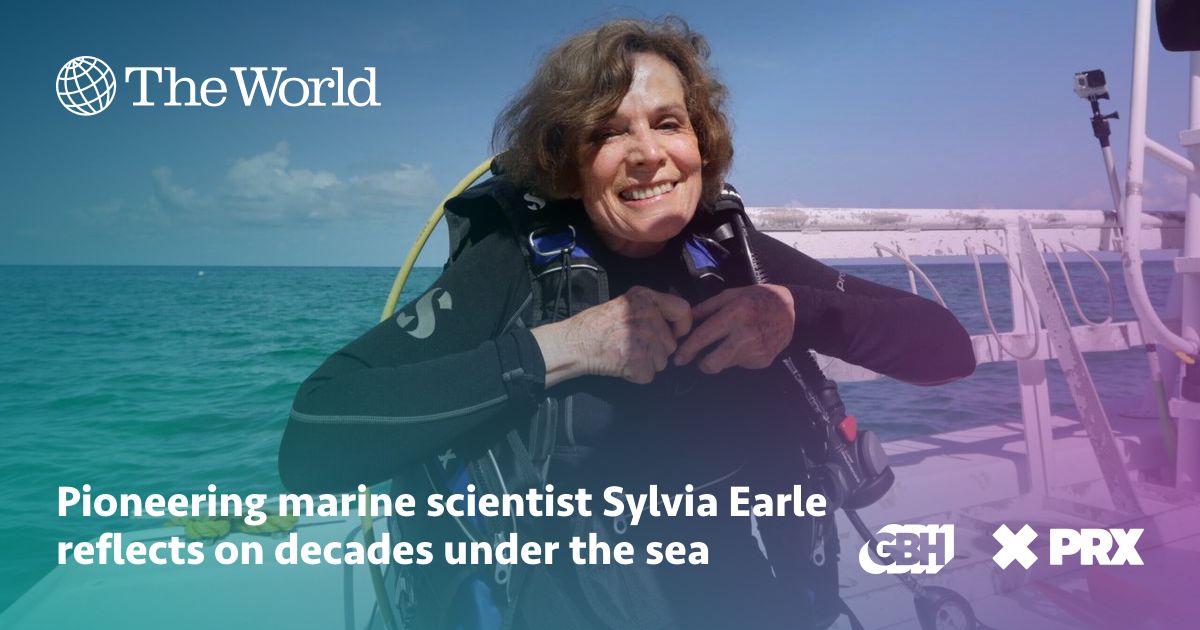
Public radio’s longest-running daily global news program.AboutContactDonateMeet the TeamPrivacyTerms of use©2026 The World from PRXPRX is a 501(c)(3) organization recognized by the IRS: #263347402.Pioneering marine scientist Sylvia Earle reflects on decades under the seaSylvia Earle is a pioneer in the field of marine science. She was one of the first people to ever use scuba technology for scientific research; she holds the women’s record for the deepest untethered sea walk and she became the first female chief scientist at the National Oceanic and Atmospheric Administration (NOAA). In all, her career has spanned 70 years and counting. The World’s Host Carolyn Beeler speaks with Earle about her career, her passion for the ocean and how the ocean has changed. Science & TechnologyAugust 7, 2026Updated: August 7, 202611:35 In Aug, 11, 2014 file photo, marine biologist Sylvia Earle prepares to survey the corals off the coast of Islamorada, Fla. U.S. The American oceanographer Sylvia Earle, known as “the lady of the deep,” has won the Princess of Asturias Award for Concord in 2018 announced on Wednesday June 13, 2018. The awards are given out in the fall.Sylvia Earle goes by several titles: oceanographer, explorer, pioneer. She was one of the first people ever to go scuba diving to gather scientific observations.Earle still uses scuba, “but I’ve also had a chance to live underwater 10 times, to actually be a part of the ocean.”Spending extensive time underwater became a hallmark of her seven-decade career. Over that time, she discovered a new plant species off the southeast coast of Africa, led the all-women team on the historic Tektite II project, living 50 feet underwater for two weeks, and earned the women’s record for the deepest untethered sea walk, a feat that led her to yet another title: Her Deepness.Sylvia Earle said she isn’t sure she’s earned this title, but she’s “certainly had the privilege of spending thousands of hours simply diving as a scientist.”Dr. Merrill True, aquanaut, presents the five-women team of aquanauts with a rum-filled pineapple after they left the decompression chamber off St. John Island in the US Virgin Islands, ending their two-week Tektite II mission 50 feet deep in Great Lameshur Bay, July 21, 1970. From left: Peggy Lucas, Alina Szmant, group leader Dr. Sylvia Earle, Dr. Renate True (wife of Merrill) and Ann Hartline.Jim Bourdier/AP File PhotoThose thousands of hours underwater have resulted in more than 200 research publications, including a landmark study on algae that defined the field for decades. In the 1990s, she was the first woman to serve as chief scientist at the National Oceanic and Atmospheric Administration, or NOAA, and since then she’s led innovation on the technical side of the field.“I’ve used more than 30 different kinds of submarines to be able to go down deeper,” Earle mentioned. “I’ve worked with engineers to create some remotely operated systems and also submersibles that can take anybody to see our planet from the inside out.”The World’s Host Carolyn Beeler recently asked Sylvia Earle what continues to drive her passion for the ocean.“Most of the ocean has yet to be seen by anybody — 0.001% has been seen,” Earle said. “So, there’s this vast, beautiful, sparkling ocean wilderness full of creatures that mostly we have yet to meet, let alone know who they are and how they fit into the greater scheme of making Earth habitable.”Sylvia Earle: The first time I met the ocean, I got knocked over by a wave, and I got tumbled around a little bit, but when my toes touched the bottom, my head came out of the water and I could breathe, I realized, “That was fun.” And so, the ocean really did get my attention. But what has held it and still excites me every time I get into the ocean, it’s life. Knowing that the ocean itself, the water, is filled with life, that we’re just beginning to have the capacity to see the microscopic life that is swimming around in what seems like clear water.The five women aquanauts in the Tektite II Project stand beside the Great Lameshur Bay on St. John, the Virgin Islands on July 6, 1970, where they will start experiment on Monday. From left are: Dr. Renate True, Aline Szmant, Dr. Sylvia Earle Meade, the group’s leader; Ann Hartline and Peggy Lucas. Jim Bourdier/AP File PhotoI can try. I can say that we have learned more since the middle of the 20th century. We’ve learned more because we have technology to go deep in the sea. But during the same period of time, again, it’s technology that has enabled us to consume nature on a scale that is unprecedented. Half the coral reefs are gone. Albatrosses and other seabirds are down to a fraction of their numbers when I started diving. Some of the estimates are about half of the life that was there. Think tunas. Think cod. Think swordfish. Think sharks. We’ve been able, using technology, to find, capture, kill.In the process of capturing, say, tuna, you capture a host of other creatures, like dolphins, that are captured right along with those that are going to market. They call this bycatch. It’s legal. It’s recognized that it’s okay to kill a lot of things in the process of taking those that we want to take to market. So the question is, “Where is this taking us? What does the extraction of whales mean to the carbon cycle, to the chemistry of the planet?” You’ve disrupted the natural systems that make Earth habitable. It just — we’ve been chopping away not just trees on land, but chopping away at life in the ocean. We need nature, but now nature needs us.I don’t think of myself as an advocate. I think of myself as a messenger. I get to see things that others have not. And you can’t care if you don’t know. That’s my role, I think, to try to share the view. Now, not everybody knows what is there to be known, but the knowledge is not only there, but more accessible. Kids can carry computers in their pockets, talk to others, access information to the point where knowledge becomes universal, available, and at a time when we still have an opportunity, and we can do something about it.Great, good news. Last year, the so-called High Seas Treaty, it got enough nations to sign up to bring it into effect, to legally commit nations to protection of at least 30% safeguarded — a high level of protection. It’s a big order because, right now, high protection for the ocean applies to only about 3%. So, we have to really put on the afterburners to get 10 times more protected at the scale that is needed to really seriously reverse some of the trends that we are now experiencing, the planetary boundaries that we are transgressing through consuming or transforming nature for human purposes, everything from excess carbon dioxide in the atmosphere to acidification of the ocean that is directly connected to that.Knowing the plastics, these innovative materials that didn’t exist when I was a child, now they’re everywhere, including in the air we breathe, the water we drink, in our bodies, and certainly in the ocean. This avalanche of, not just plastics, but other synthetic materials and changing the chemistry of the planet is probably not a smart thing to do. But we didn’t know. I am a part of the group called the Planetary Guardians that works with the scientists about the harm we have already generated. But this being the best chance we will ever have, to take what we now know, we’re not just empty guessing. We have evidence that reducing fossil fuels, there can be favorable consequences.On Dec. 19, 2016, Dr. Sylvia Earle stands beside a full-size mock-up of the Deep Water 2000 submersible at Deep Ocean Exploration and Research Marine in Alameda, Calif. Former NOAA chief scientist and founder of ocean advocacy group Mission Blue Earle said there are more environmentally sustainable and economically viable options than open-ocean aquaculture, which uses huge floating net-pens or submerged cages.Ben Margot/APParts of this interview have been lightly edited for length and clarity.
Pioneering marine scientist Sylvia Earle reflects on decades under the sea - The World from PRX
Sylvia Earle is a pioneer in the field of marine science. She was one of the first people to ever use scuba technology for scientific research; she holds the women’s record for the deepest untethered sea walk and she became the first female chief scientist at the National Oceanic and Atmospheric Administration (NOAA). In all, her career has spanned 70 years and counting. The World’s Host Carolyn Beeler speaks with Earle about her career, her passion for the ocean and how the ocean has changed.
1,359 words~6 min read