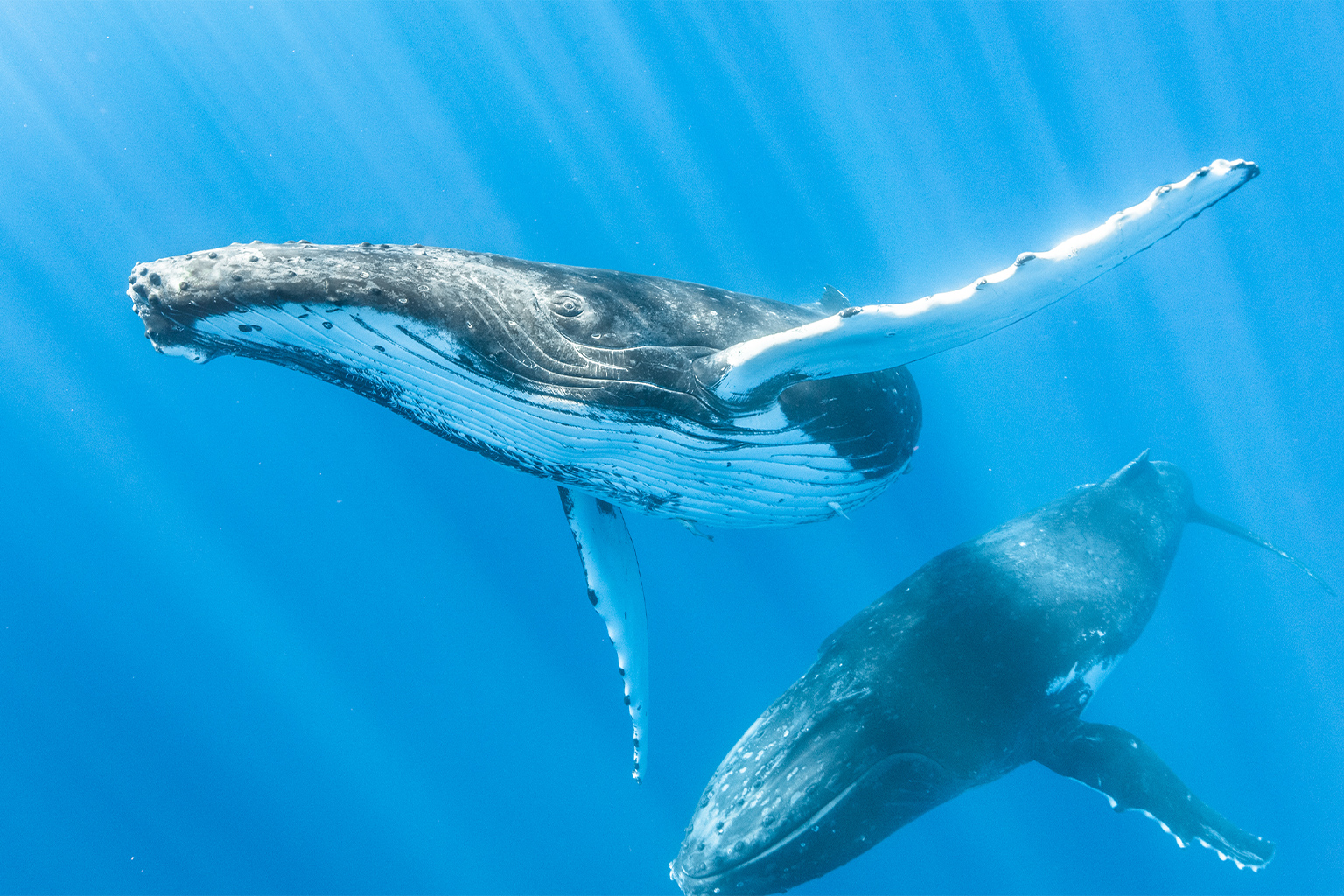
From establishing conservation protections to developing tools to understand whale communication, the work of marine biologist David Gruber and oceanographer Sylvia Earle is grounded in the same belief: understanding leads to connection and care.While there have been remarkable conservation successes across the five decades of their efforts, the overall trend is clear: the health of the ocean is declining faster than efforts to protect it.“We still have an opportunity to leave future generations an ocean filled with life, wonder, and possibility. But this window is closing. The choices we make in the next decade will firmly shape the future of marine ecosystems,” the co-authors argue.This article is a commentary. The views expressed are those of the authors, not necessarily of Mongabay.
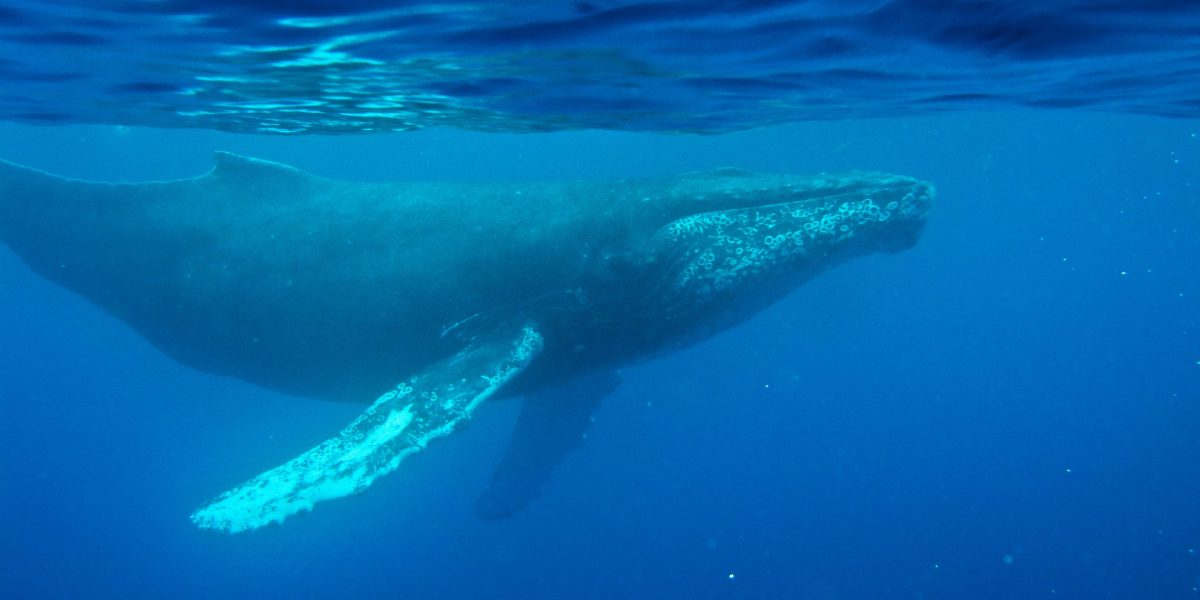
Seventy years ago, Le Monde du Silence, a film by Jacques Cousteau and Louis Malle, depicted the ocean as silent. Today, we know that the ocean is filled with the melodies of millions of vocalizing sea creatures, from the crisp snapping of shrimps to the complex singing and speaking of whales. In fact, the first life to vocalize with intent likely began in the sea. It is far from silent.
Together, our careers span generations of ocean exploration. Sylvia has spent more than seven decades advancing ocean exploration and conservation, helping inspire the protection of critical marine ecosystems. And David has worked for more than three decades to better understand how marine life perceive their world, which has led him to a current focus with Project CETI translating the communication of whales. This is uncovering a vast depth and complexity in whale voices, which we are just beginning to understand.