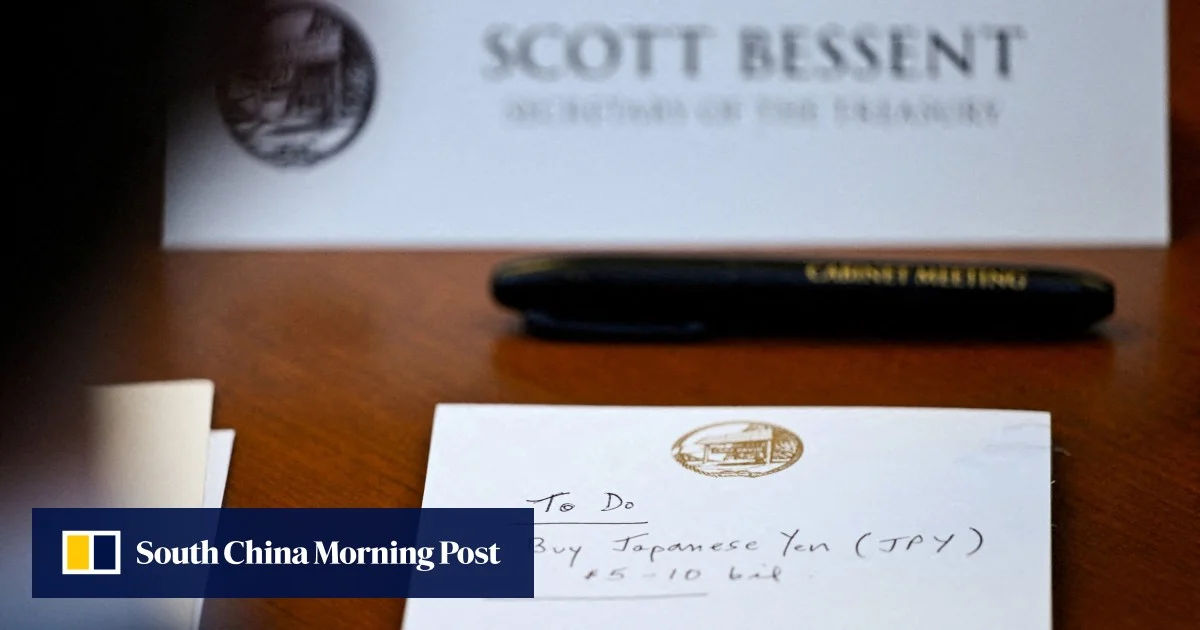
The US and Japan pulled off their first joint currency intervention in nearly three decades on July 31. One week later, the market has already clawed back almost half the ground Tokyo and Washington fought to reclaim.
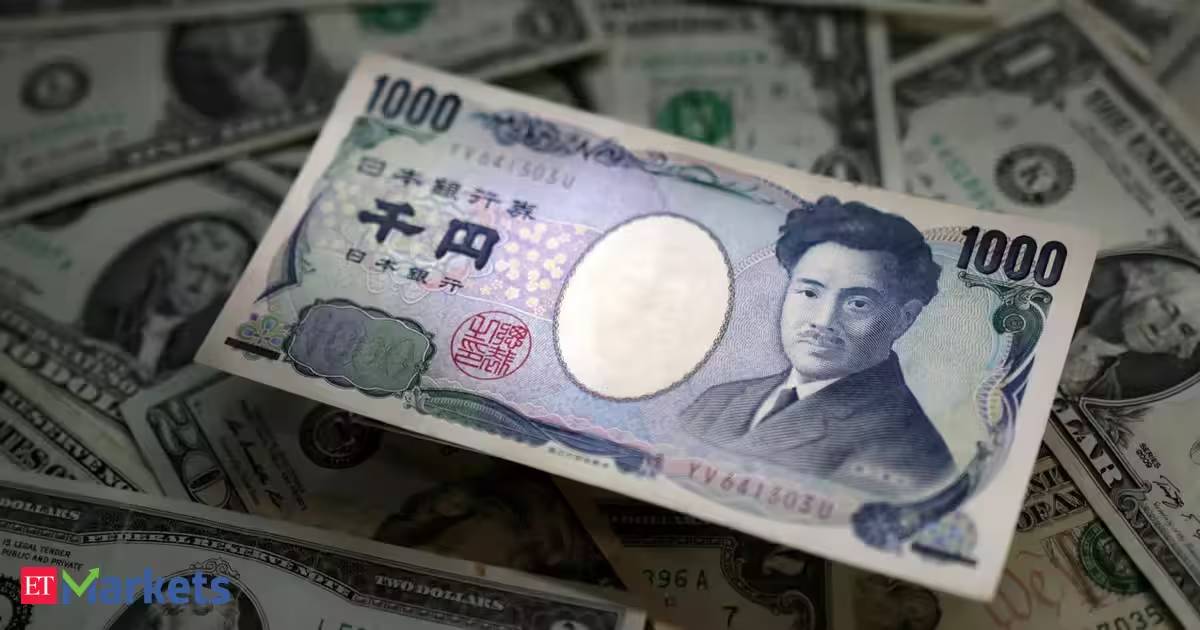
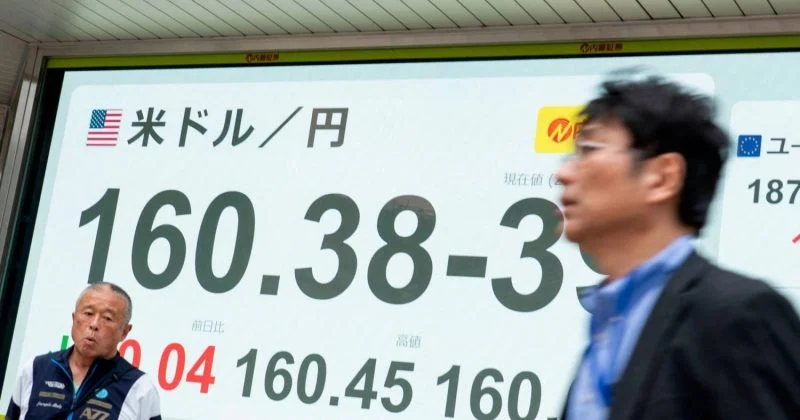
The yen rallied from just above 163 per dollar to a high of 155 immediately following the coordinated purchase. By August 7, it had slipped back to around 157.76 at the New York close, erasing roughly half of that move. Japanese authorities reportedly spent as much as $36.58 billion on the operation. That works out to about $4.5 billion per yen of lasting improvement, which is not exactly the kind of return on investment that inspires confidence.
A historic move meets a stubborn market
The last time Washington and Tokyo jointly intervened to buy yen was 1998, during the Asian financial crisis. The most recent coordinated action of any kind between the two nations came in 2011, when G7 central banks stepped in after the devastating Tohoku earthquake pushed the yen to dangerously strong levels. That effort was about weakening the yen, not strengthening it.
This time, the problem was reversed. The yen had been deteriorating for months, hitting multi-decade lows near 164 per dollar in late July. The weakness reflected a fundamental gap: the Bank of Japan has kept interest rates far below those in the US, making the dollar a more attractive place to park capital.