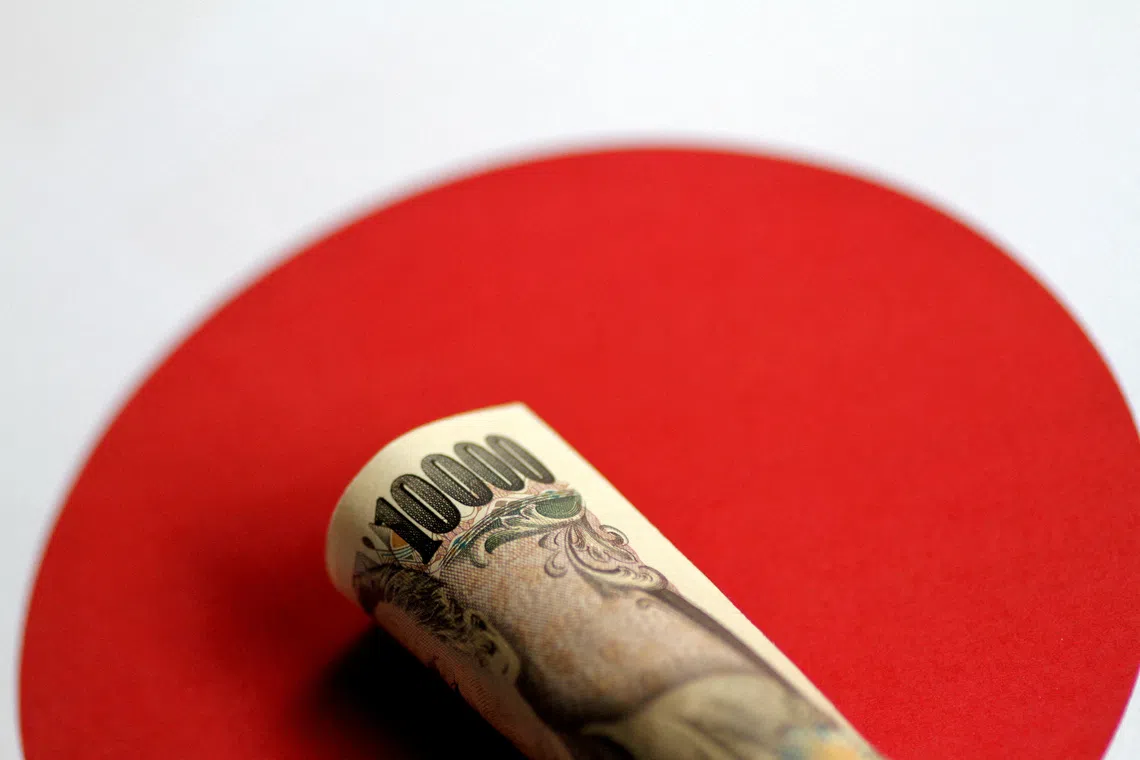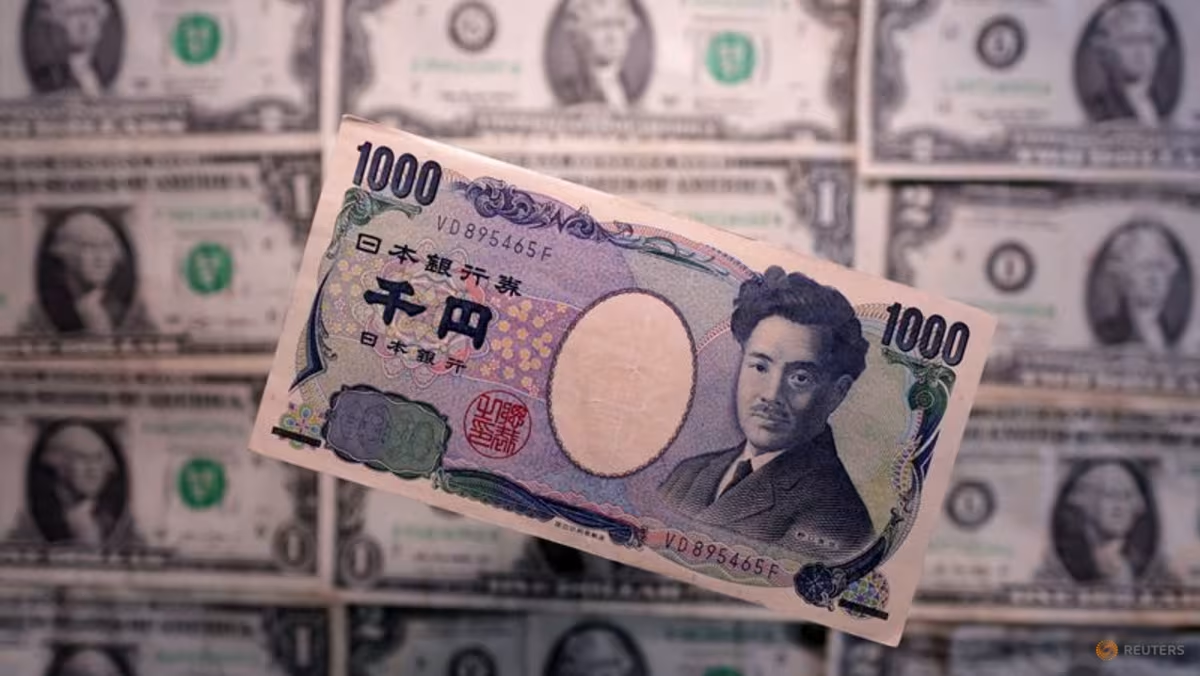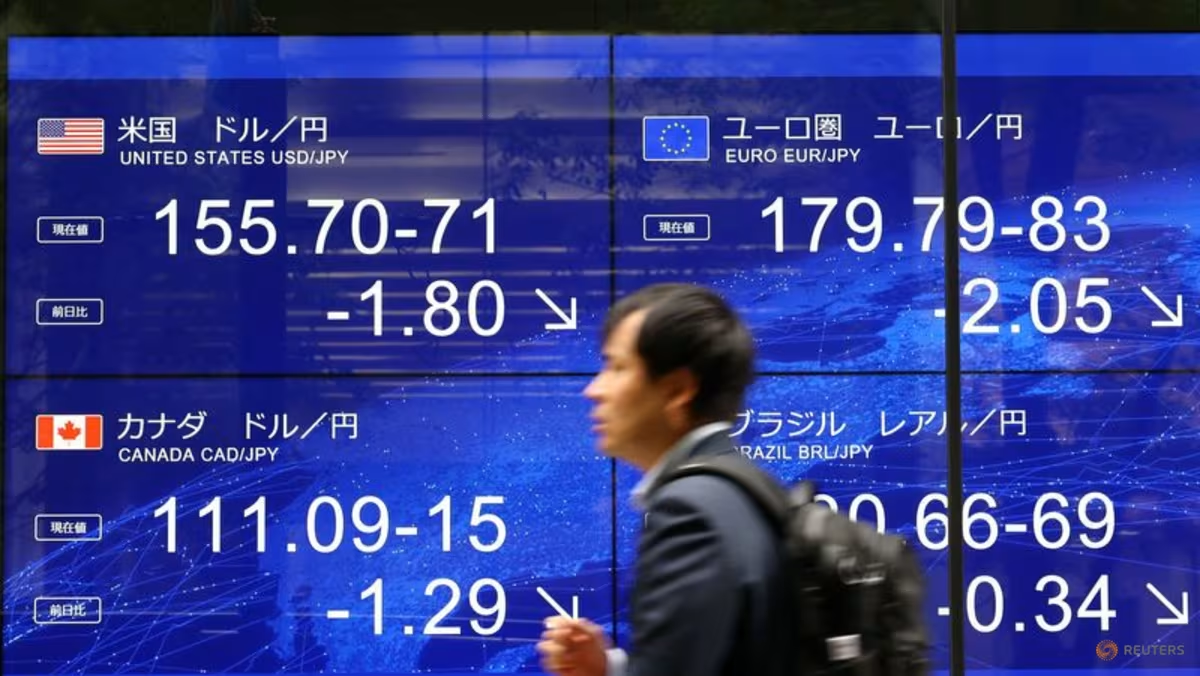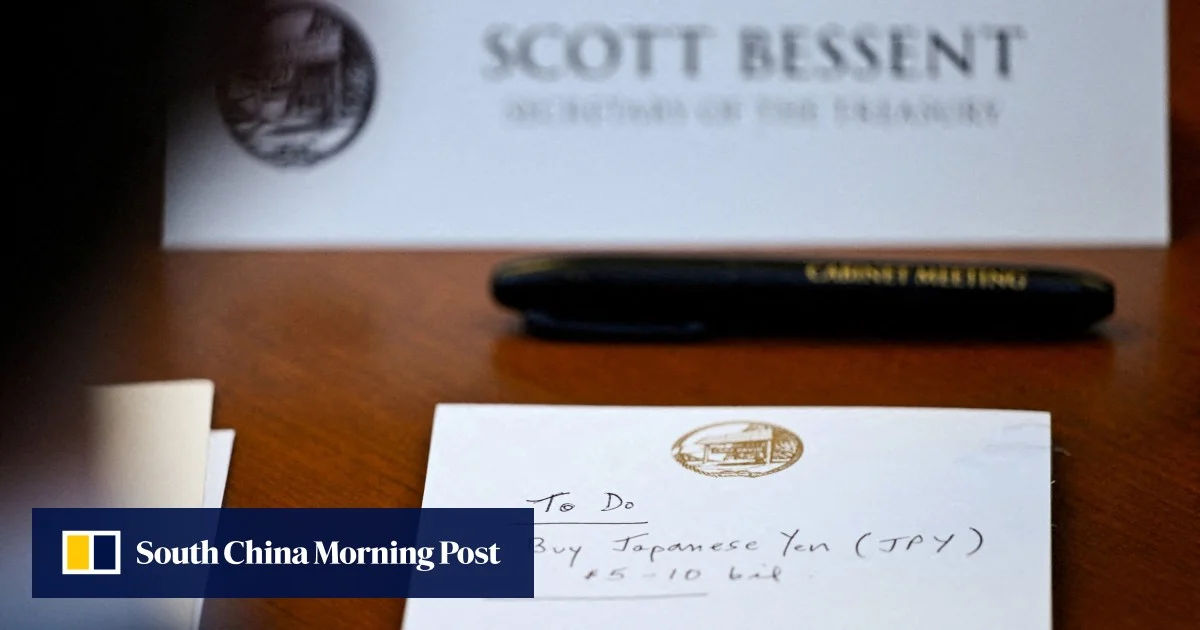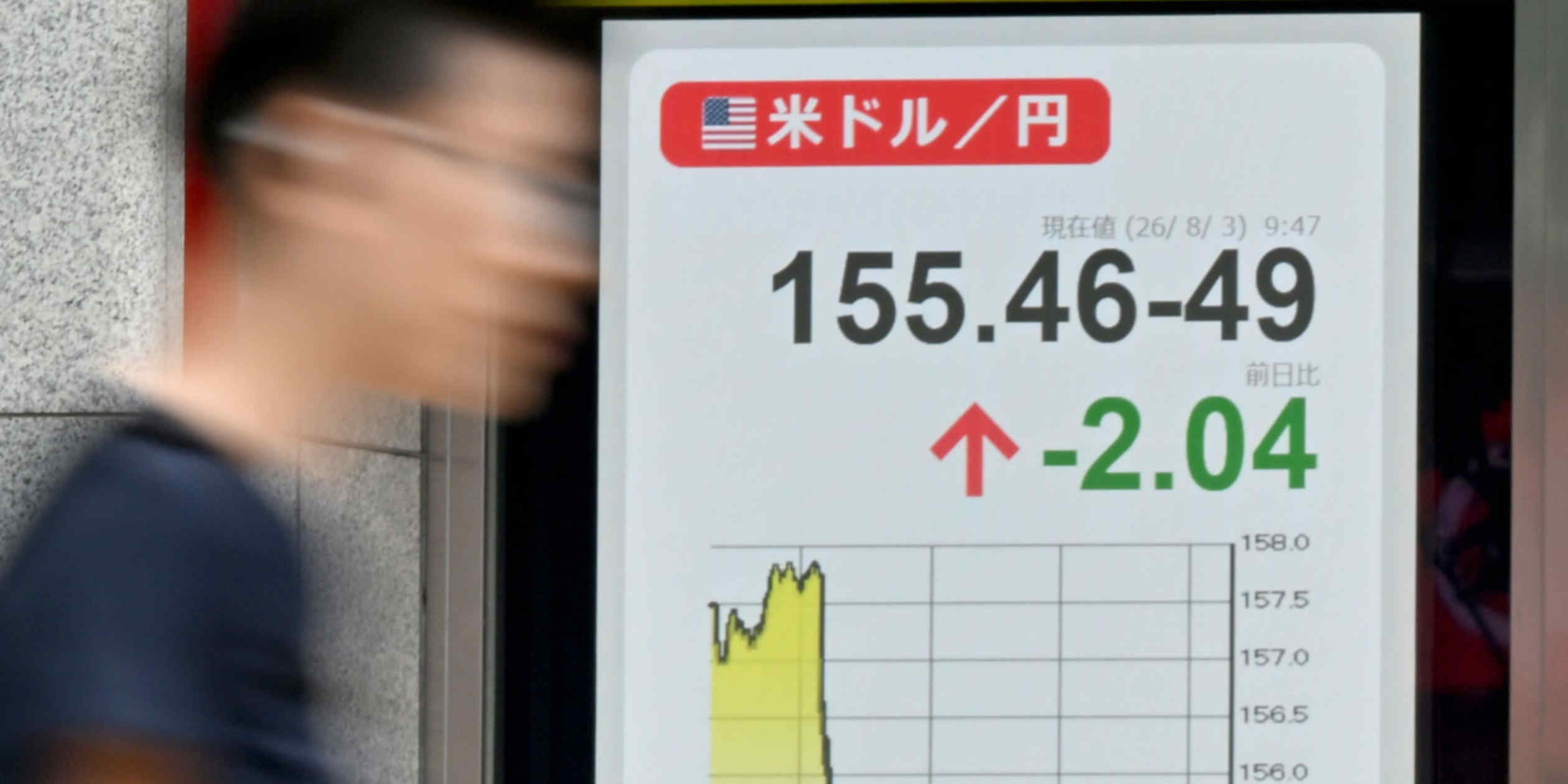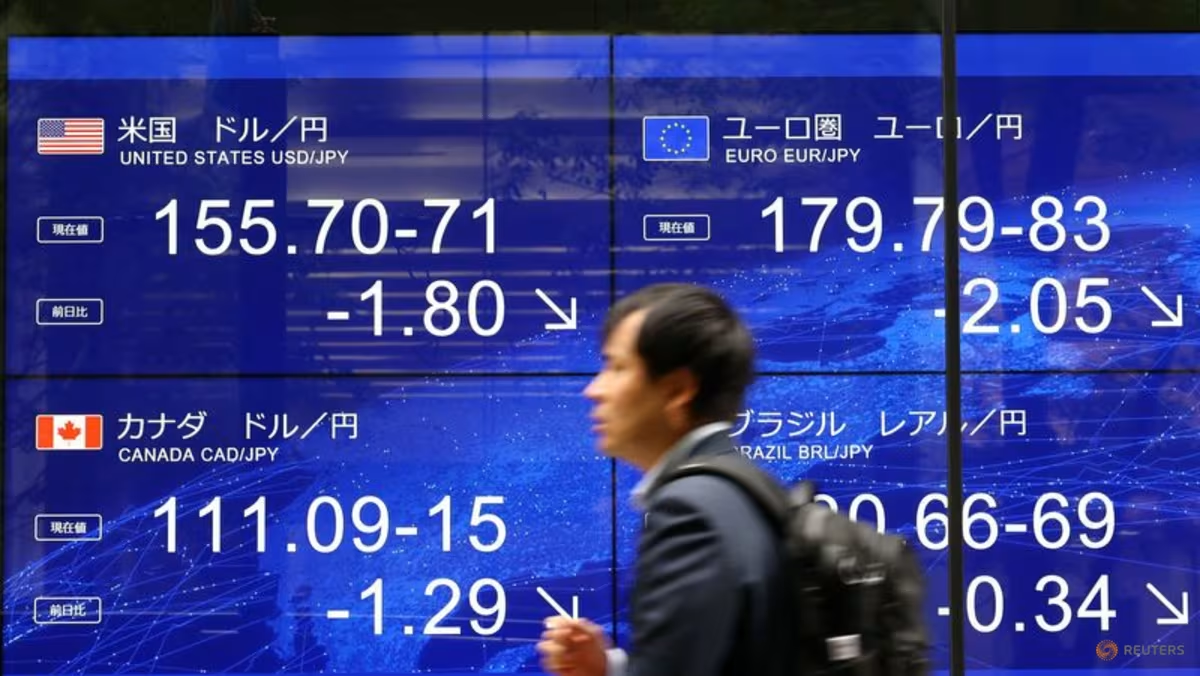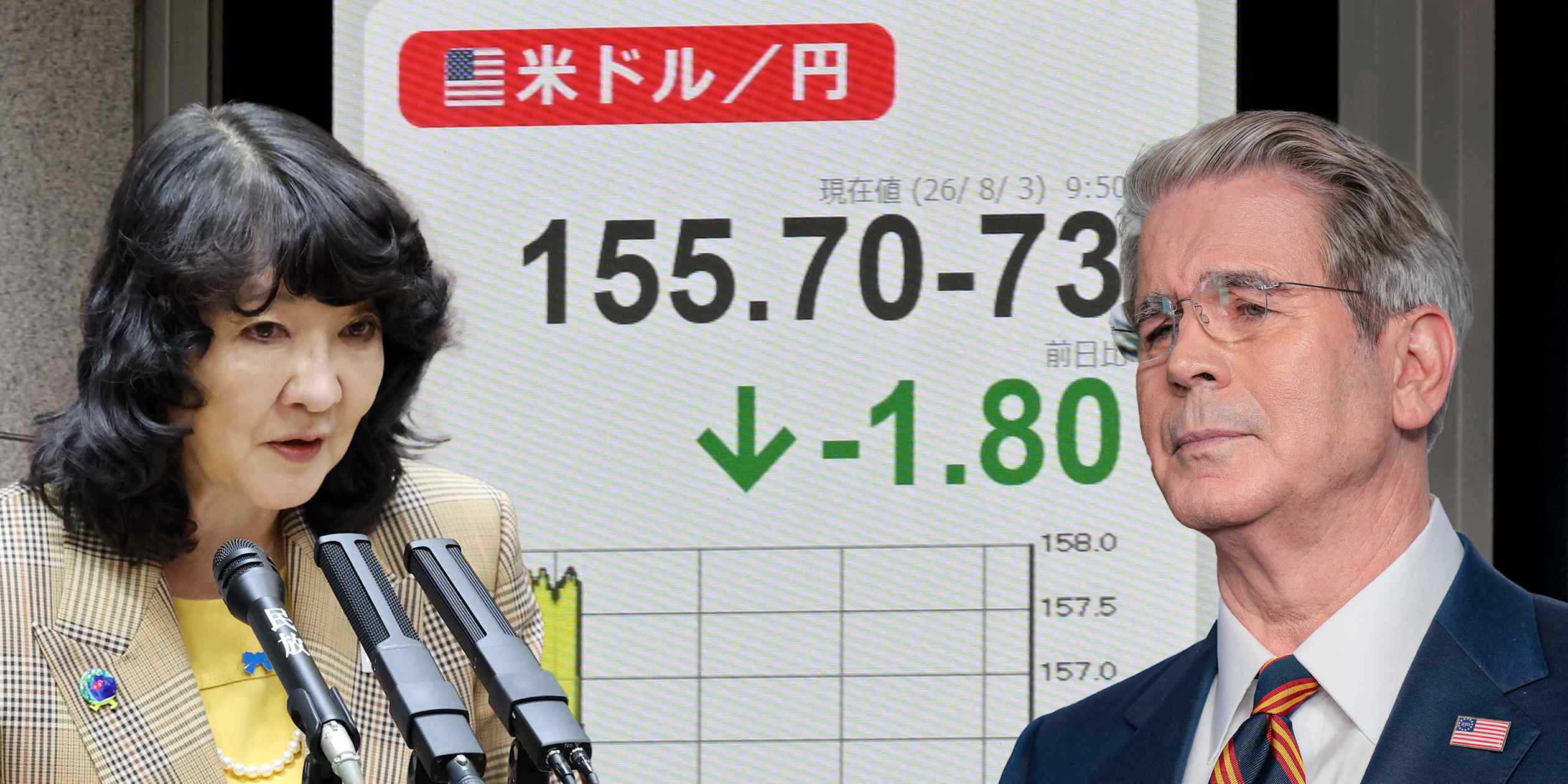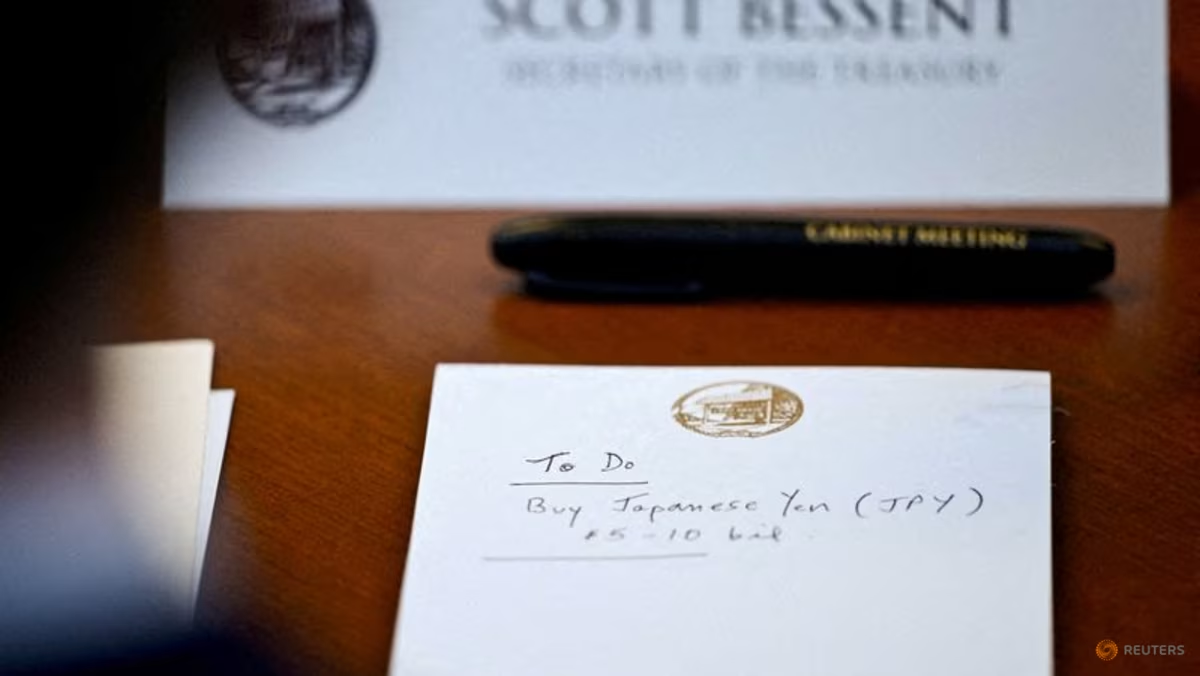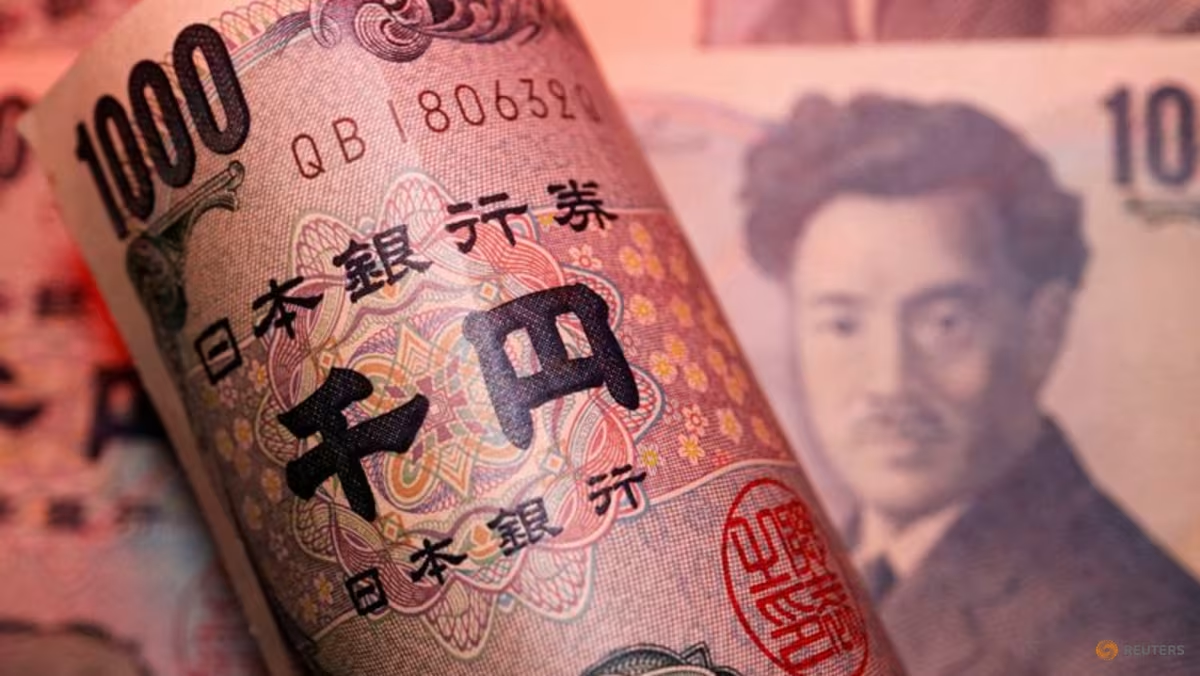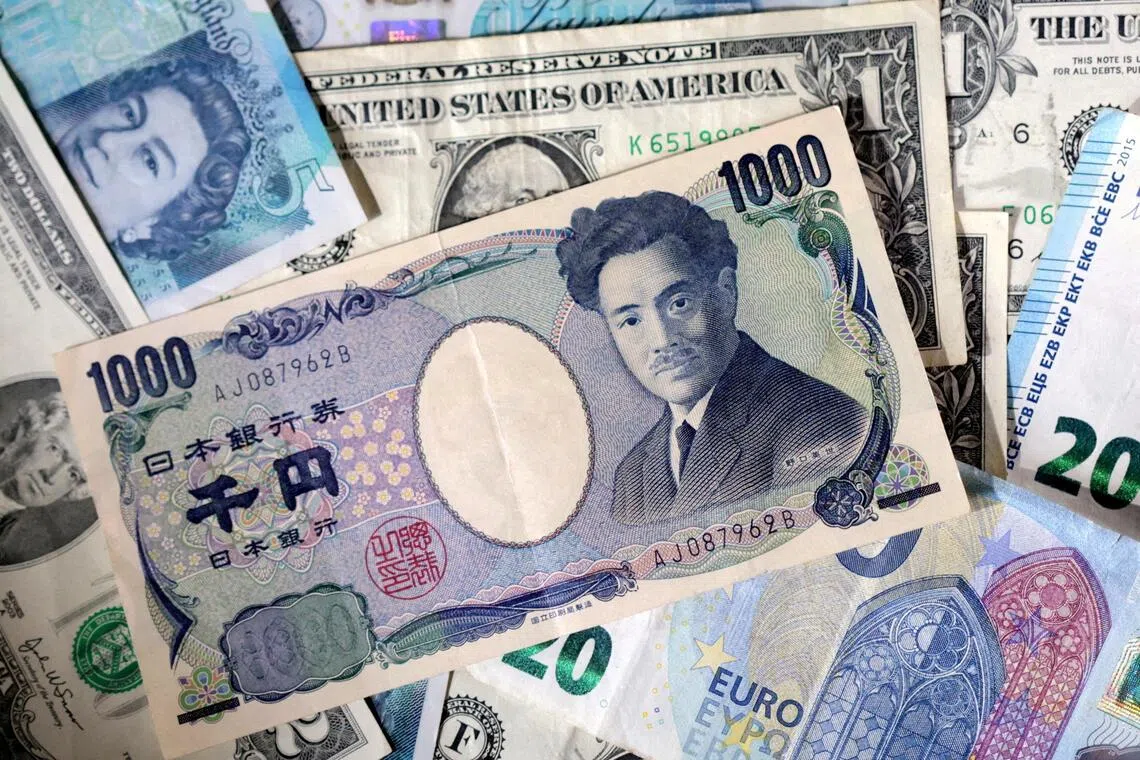
TOKYO – The yen is heading into the end of the week having surrendered nearly half of its intervention-driven gains, fuelling speculation among traders that the authorities may step into the market again.The currency traded around 158.45 versus the US dollar on Aug 7, well off the strong point of 155.23 reached on Aug 3. It had been near a four-decade nadir around 164 per greenback last week before the first joint yen-buying operation from Japan and the United States since 1998.The yen has also pared the roughly 4 per cent gain it had made against the Singapore currency after the joint intervention on July 30. At 9.40am on Aug 7, the yen was trading at 123.38 per Singdollar, up 2.5 per cent from its pre-intervention level but well off the low of 121.503 reached on Aug 3.The pullback underscores the limits of intervention in reversing the yen’s longer-term decline, with a wide interest rate gap to the US, Japan’s high debt load and geopolitical uncertainty continuing to weigh on the currency.Meanwhile, the dollar on Aug 6 posted its biggest daily gain in two weeks as oil prices climbed, reflecting fading optimism that tensions in the Middle East would ease.US and Japanese officials have warned investors that they are determined to keep defending the yen if needed.“The possibility of another round of intervention is high, especially as dollar-yen approaches 160,” said OCBC strategist Moh Siong Sim.But “for intervention to be effective, it needs to be accompanied by faster BOJ (Bank of Japan) rate hikes or a backdrop favouring Federal Reserve easing”.While the BOJ left its benchmark rate unchanged last week, overnight index swaps imply about a 60 per cent chance of a rate hike by September.Japan’s top currency official, Atsushi Mimura, said the authorities would respond to foreign-exchange moves in coordination with monetary policy.“It’s a week on from the initial burst of intervention that triggered a USD/JPY swoon, but already the focus is shifting back towards Treasury yields as the catalyst for a firmer dollar,” said Bloomberg strategists.“Foreign exchange traders have also seen a second failure to drive dollar-yen below 155, which is making Scott Bessent’s tactics look like a one-and-done event,” they added, referring to the US Treasury Secretary. BLOOMBERGWith additional information from The Straits Times
Yen surrenders nearly half its gains from US-Japan intervention
The yen traded around 158.45 versus the US dollar on Aug 7, well off the strong point of 155.23 reached on Aug 3. Read more at straitstimes.com. Read more at straitstimes.com.
377 words~2 min read