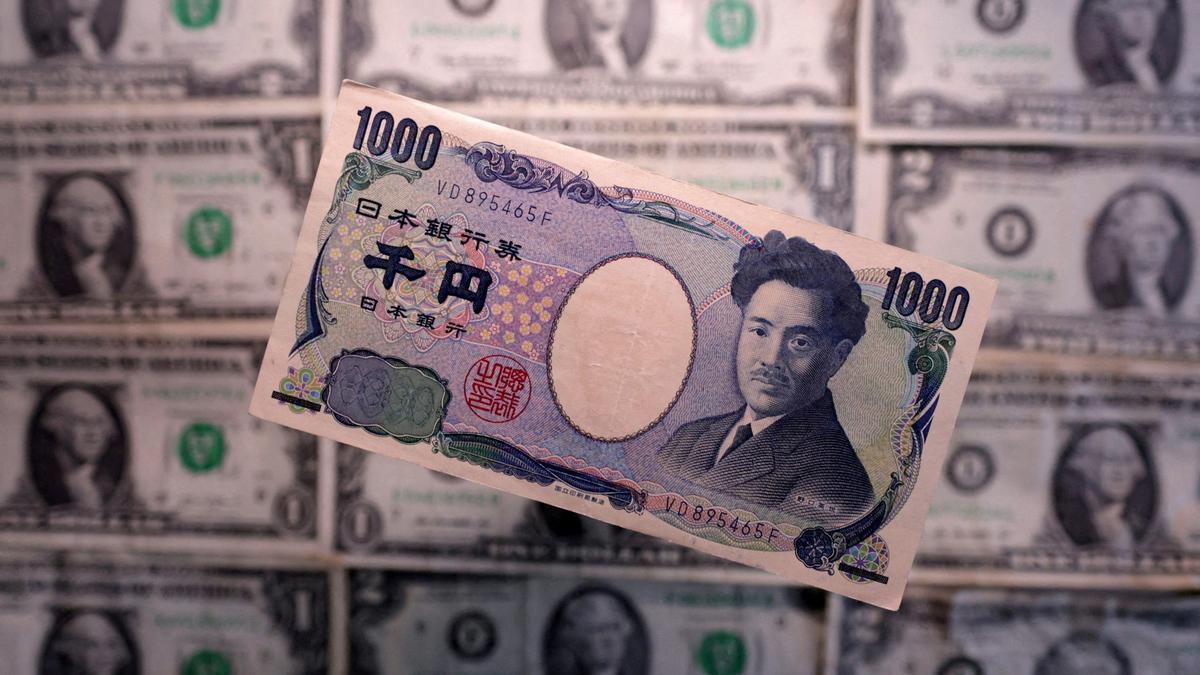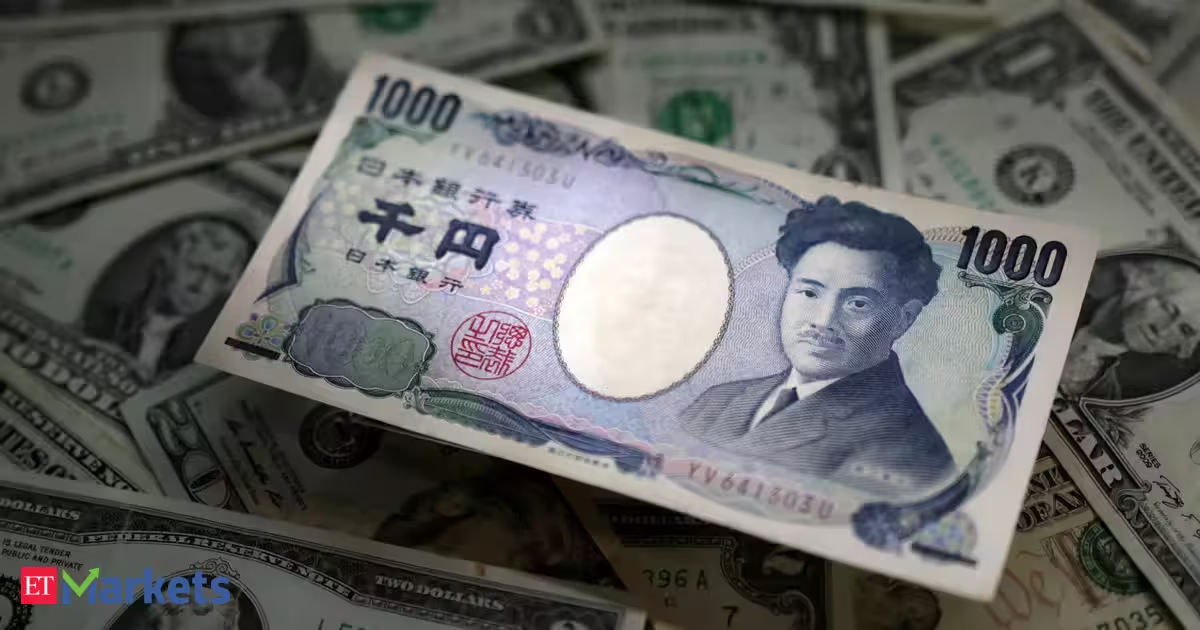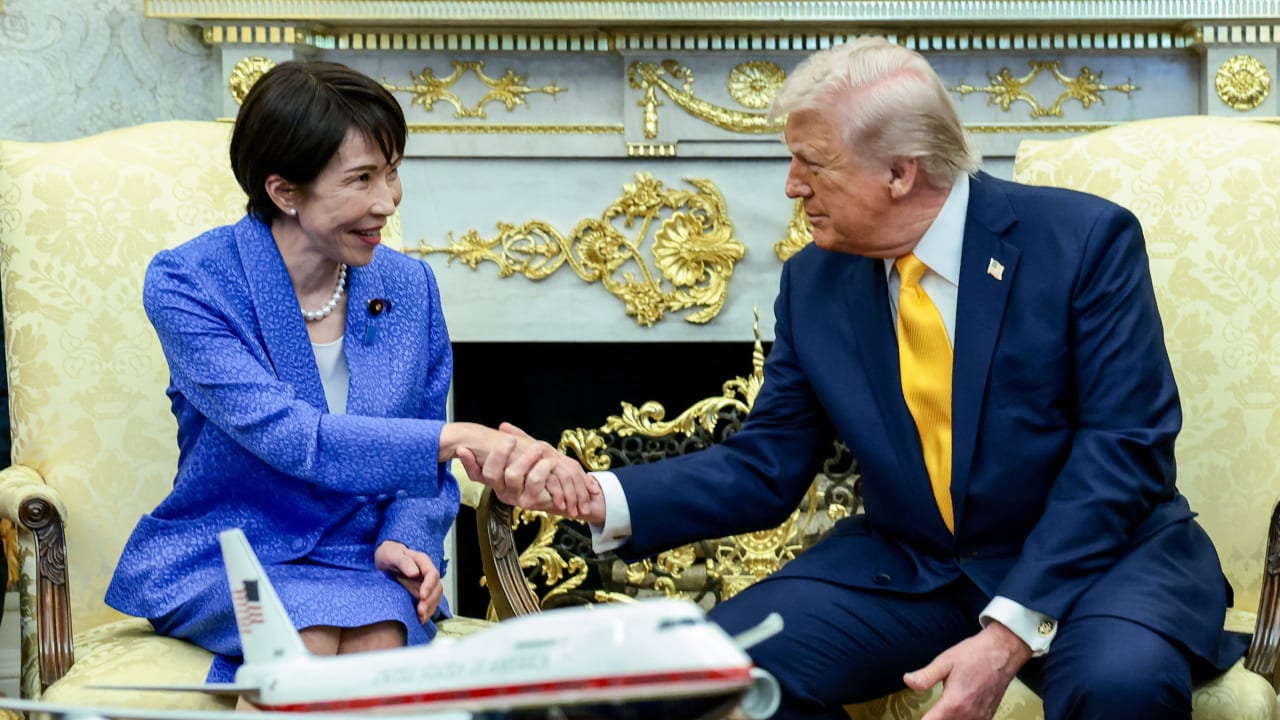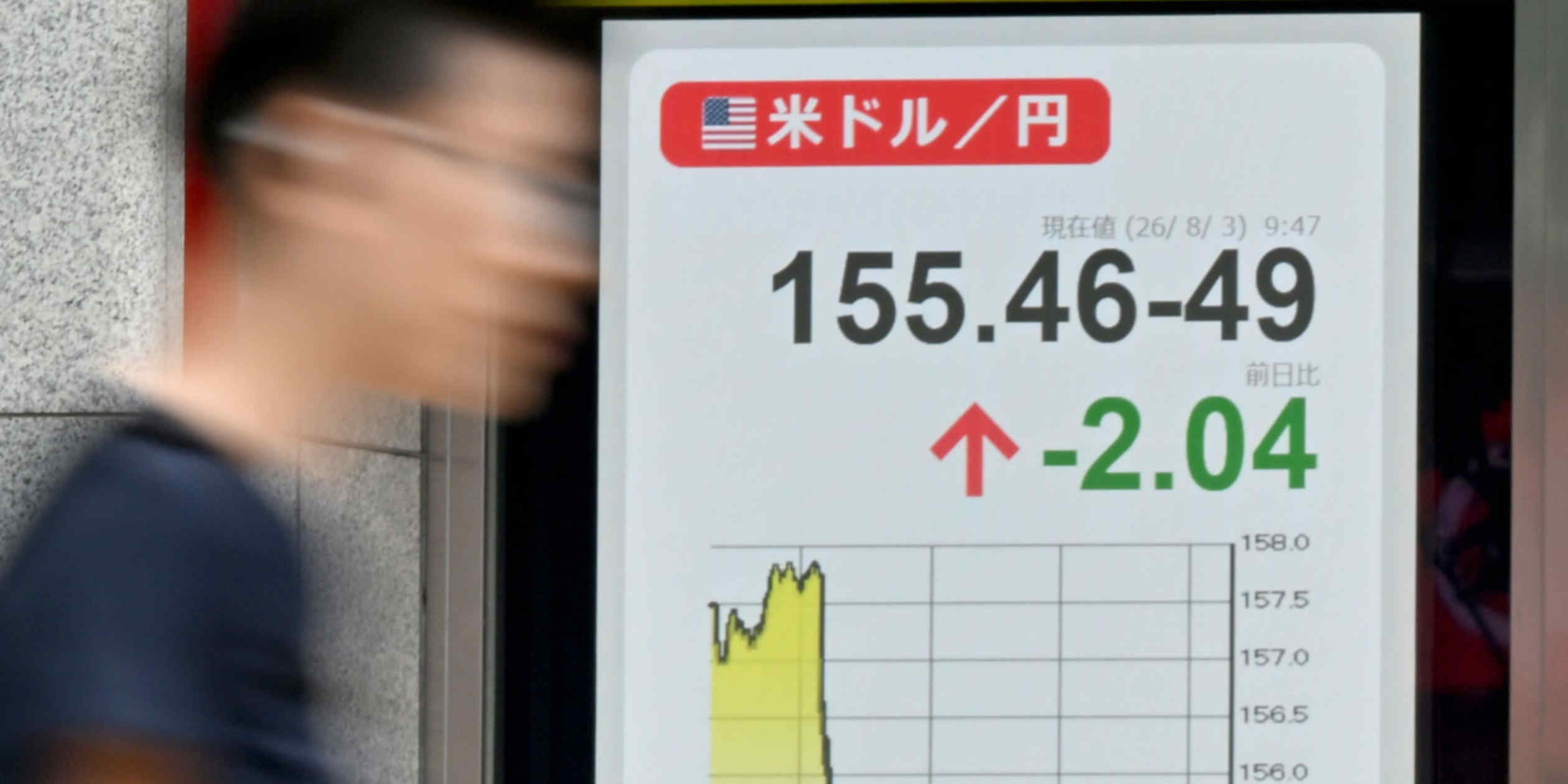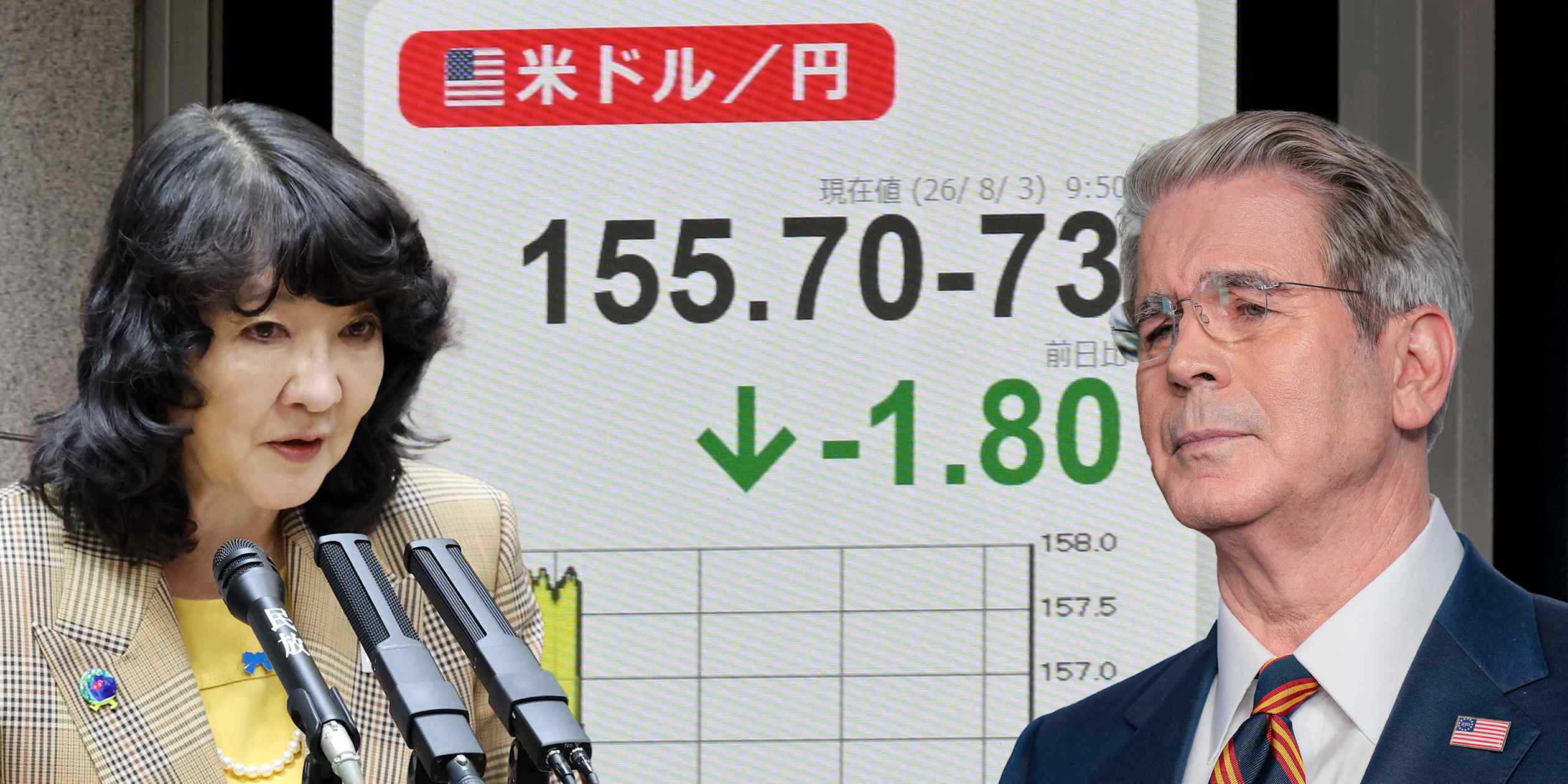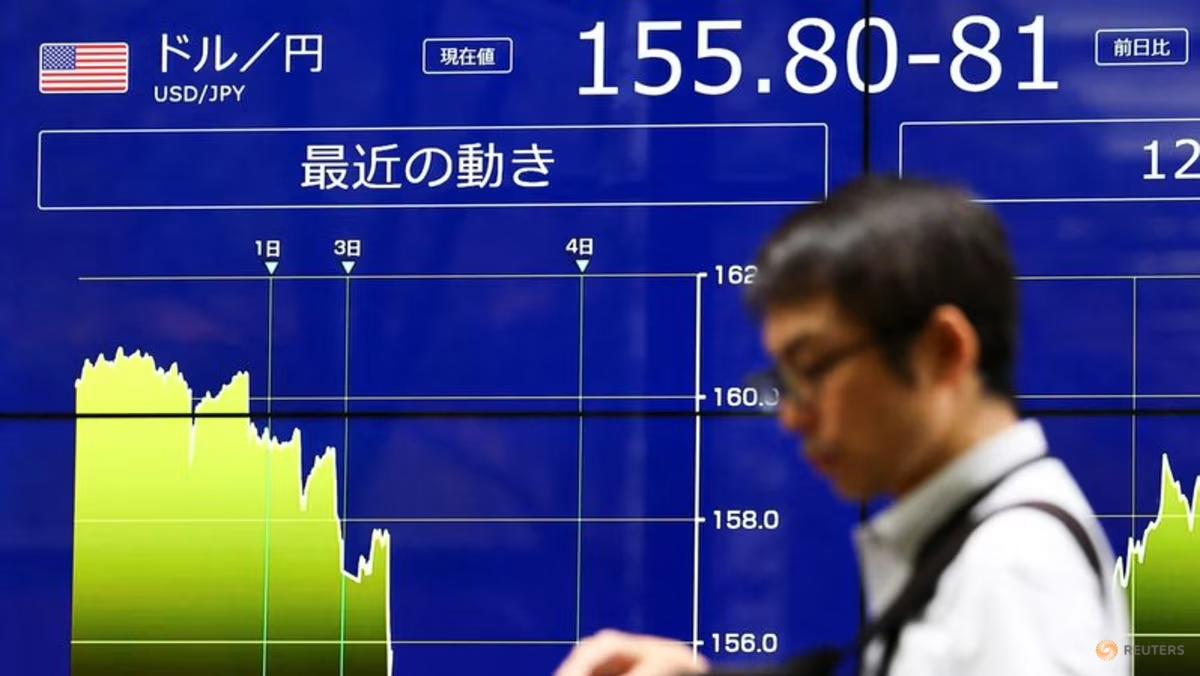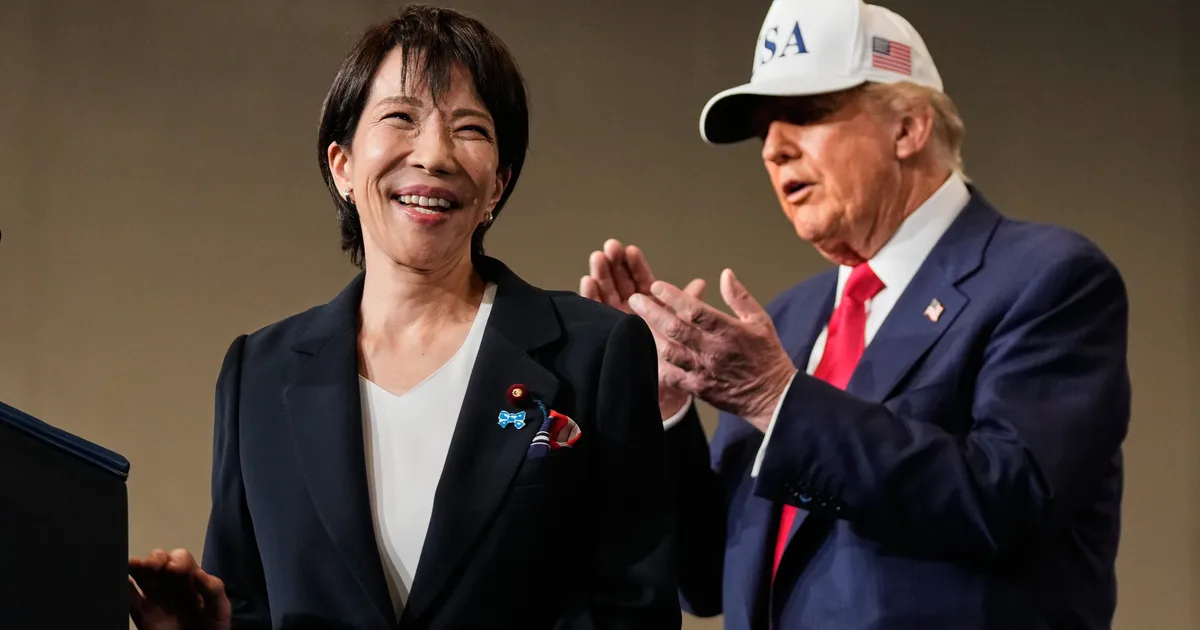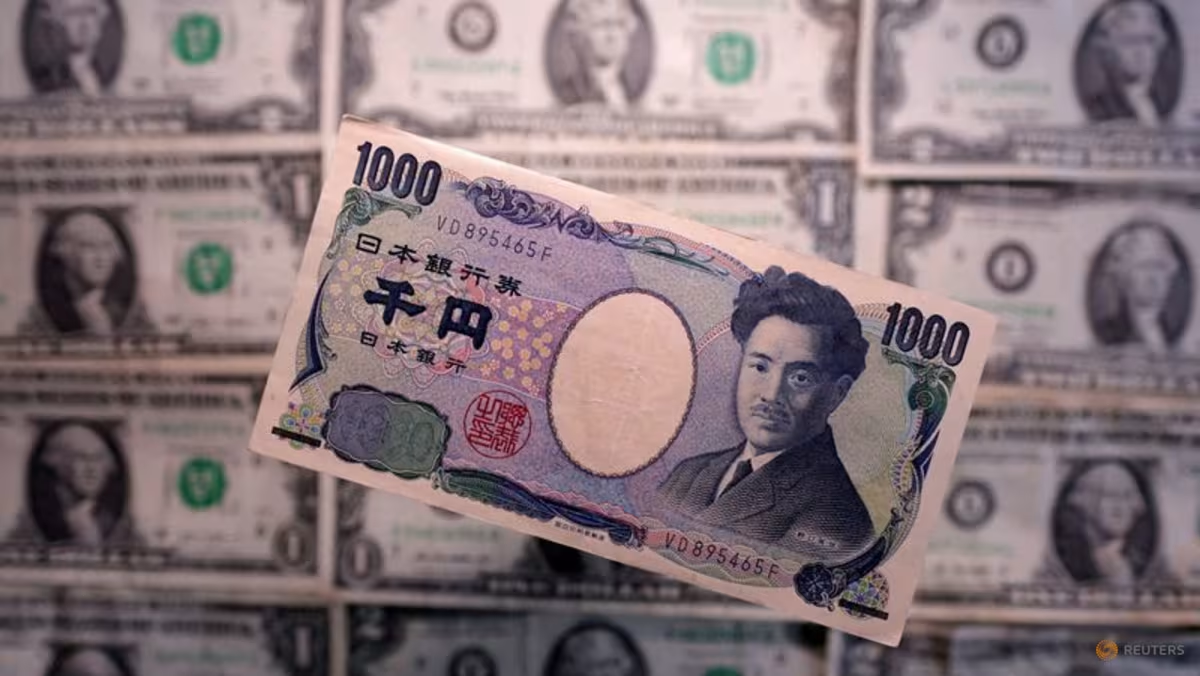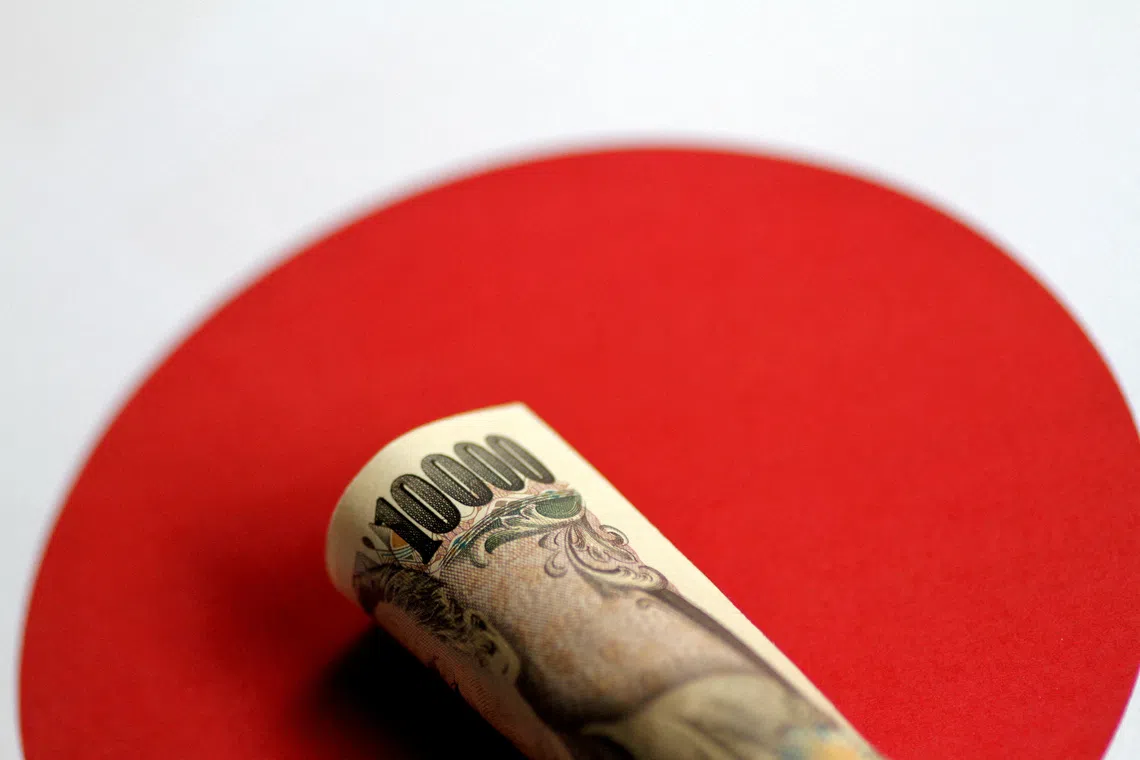
TOKYO - Japan and the United States conducted coordinated yen-buying intervention and will not hesitate to take further action, Japan’s finance ministry said on Aug 3, confirming a rare bilateral action to halt the yen’s slide to fresh 40-year lows.The news underscores both countries’ resolve to prevent a sell-off in the yen and Japanese government bonds (JGB) from causing global spillovers, such as adding upward pressure on already rising US Treasury yields, analysts say.The joint intervention is the first since 2011’s coordinated action to weaken the yen after the devastating earthquake in eastern Japan.In its statement, Japan’s finance ministry said Friday’s yen-buying intervention with the U.S. Treasury Department “countered excessive volatility and disorderly movements in the Japanese yen in recent months”.“The Japanese Ministry of Finance remains attentive and in close communication with our counterparts at the US Treasury,” it added. “We will not hesitate to conduct further joint intervention.”Preceding the announcement, President Donald Trump said on Aug 2 the US was helping Japan to prop up the yen as a sign of friendship and to help the world economy.“They have a weakening yen, and they wanted a little bit of help. And we’re always there for Japan,” Trump said in response to a reporter’s query why the US is helping to support the yen.The US dollar suddenly dropped against the yen on Aug 3, reversing gains it made earlier in the session after the confirmation from the US and Japan that they intervened in the currency market. The US dollar fell 0.6 per cent against the yen to an intraday low of 156.50 in the Asian morning.The yen rose as much as 1 per cent against the Singapore dollar in early trading on Aug 3. It was up 0.6 per cent to 122 per Singdollar at 9.16am Singapore time. At this level, the yen has risen nearly 4 per cent against the Singdollar since the intervention on July 30.“The joint intervention is the culmination of Japan’s alliance with the United States,” Japan’s top currency diplomat Atsushi Mimura told reporters on Aug 3.“We will continue to align (currency policy) with the Bank of Japan’s monetary policy,” he said, suggesting the government will work hand in hand with the BOJ in arresting yen falls.US Treasury Secretary Scott Bessent also confirmed the July 31 action, adding Washington “will not hesitate to participate in further joint intervention.”“We strongly support Japan’s decisive market and monetary steps to correct the substantial undervaluation of the yen,” Bessent said in a separate statement on X, repeating his calls for further interest rate hikes by the Bank of Japan.“Given joint action with the US is still ongoing, USD/JPY could decline below 155 if stop losses are triggered,” said Moh Siong Sim, a strategist at OCBC.“But the success of intervention in reversing the JPY weakness depends on whether intervention is complemented by or is a substitute for more hawkish BOJ (Bank of Japan) stance.”Japan has been struggling to curb a relentless drop in the yen that pushes up import prices and stokes broader inflation, hitting households’ wallets and Prime Minister Sanae Takaichi’s public approval ratings.Japan may have sold as much as US$58.97 billion (S$75.6 billion) to buy yen when it intervened in New York markets on July 30, Bank of Japan data indicated, before the confirmed joint intervention with the US on July 31.Bessent said the US would consider increasing in coming months the size of the Federal Reserve’s repurchase facility providing temporary dollar liquidity, calling the tool an “important backstop”.The comment came after the MOF’s rare X post on Aug 1 that it had “a broad range of tools to address market liquidity needs,” including access to the Fed’s repurchase facility providing temporary dollar liquidity.The Fed facility, introduced in 2020 to steady markets during the Covid-19 pandemic, allows Japan to raise dollar liquidity without outright sales of US Treasuries, potentially easing funding pressures on Tokyo for intervention.In line with Bessent’s repeated calls for higher Japanese interest rates, the BOJ on July 31 offered its most explicit signal to date of an early rate hike, even as it kept monetary policy steady.In a sign of broader policy coordination, South Korea stepped in to buy its won currency on July 30. REUTERS, BLOOMBERG
Yen rises sharply against Singdollar as Japan signals readiness for more intervention
The yen rose as much as 1 per cent against the Singapore dollar in early trading on Aug 3. Read more at straitstimes.com. Read more at straitstimes.com.
702 words~3 min read