Audio By Vocalize
For many Africans, “Web3 access” doesn’t start with a blockchain whitepaper or a crypto wallet, it begins with something far more tangible: sending money to a cousin in another city without paying a week’s wages in fees, buying farm supplies directly from a supplier without a middleman, or proving ownership of land without a paper deed that can be lost or forged.
In the first quarter of 2026, Web3 adoption in Africa surged, but not in the way Silicon Valley might imagine. For the average consumer who has never owned cryptocurrency, the term “Web3” is almost meaningless. What matters is the experience: faster, cheaper, and more secure access to financial and digital services that were previously out of reach.
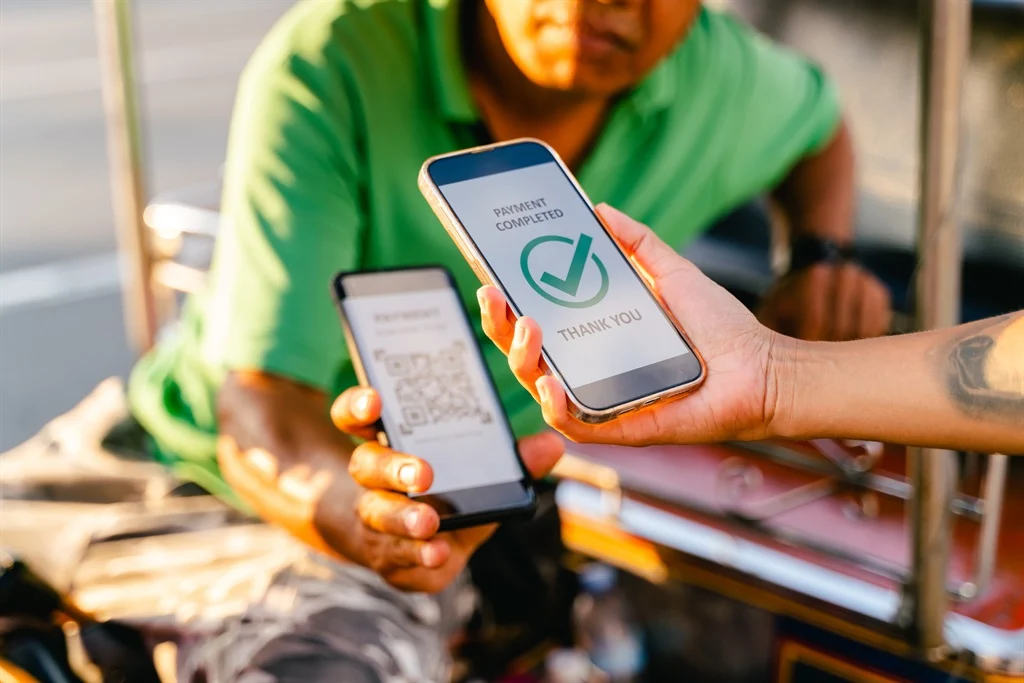
The market traders do not talk about “decentralized finance” or “smart contracts.” They talk about how they now get paid using a mobile app that runs on a blockchain backend. This is the quiet reality of Web3 in Africa: the technology is invisible, but the benefits are immediate.
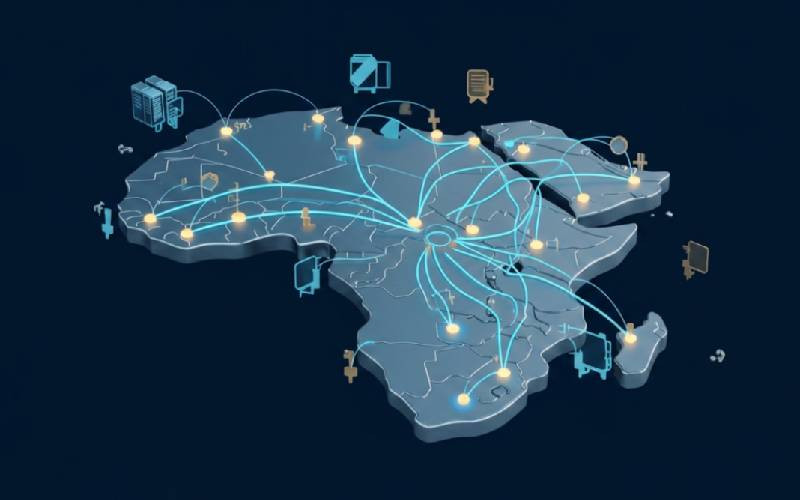
Between July 2024 and June 2025, Sub-Saharan Africa received more than $205 billion in on-chain value, approximately 52 per cent more than in the preceding year, according to Chainalysis. Nigeria accounted for $92.1 billion, followed by South Africa, Ethiopia, Kenya and Ghana.