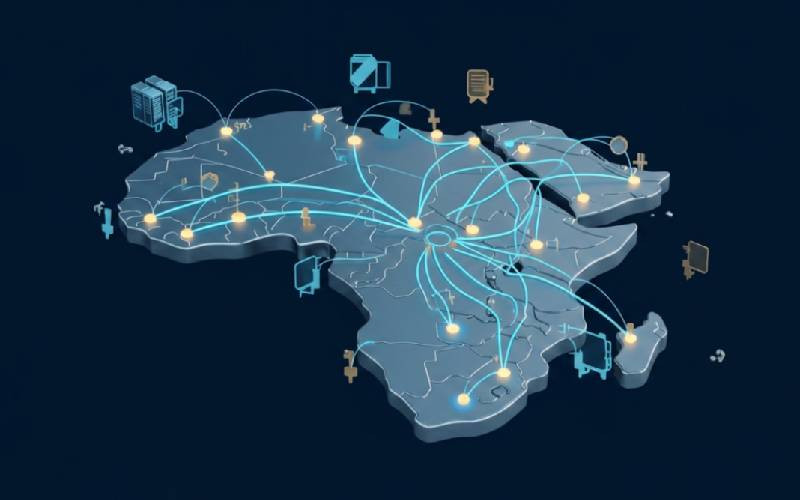
For years, Africa’s digital transformation story has largely been told through screens. We have built mobile apps, digital banking platforms, e-commerce marketplaces and self-service portals, and millions of people have embraced them. But the next phase of Africa’s digital economy may be defined by something much older than the smartphone: the human voice.
Voice is not simply another way to interact with technology. In Africa, it could become the interface that makes digital services more accessible, inclusive and useful to a much larger population. As artificial intelligence becomes better at understanding natural speech, organisations have an opportunity to move beyond interfaces designed around menus, forms and buttons and build services around how people actually communicate.
This is particularly important in Africa because language is not a peripheral issue. It is central to how people transact, seek information and build trust. A Nigerian customer may move effortlessly between English, Pidgin and a local language within the same conversation. Effective voice technology therefore cannot be built around translation alone. It must understand context, accents, expressions and the way people naturally communicate.