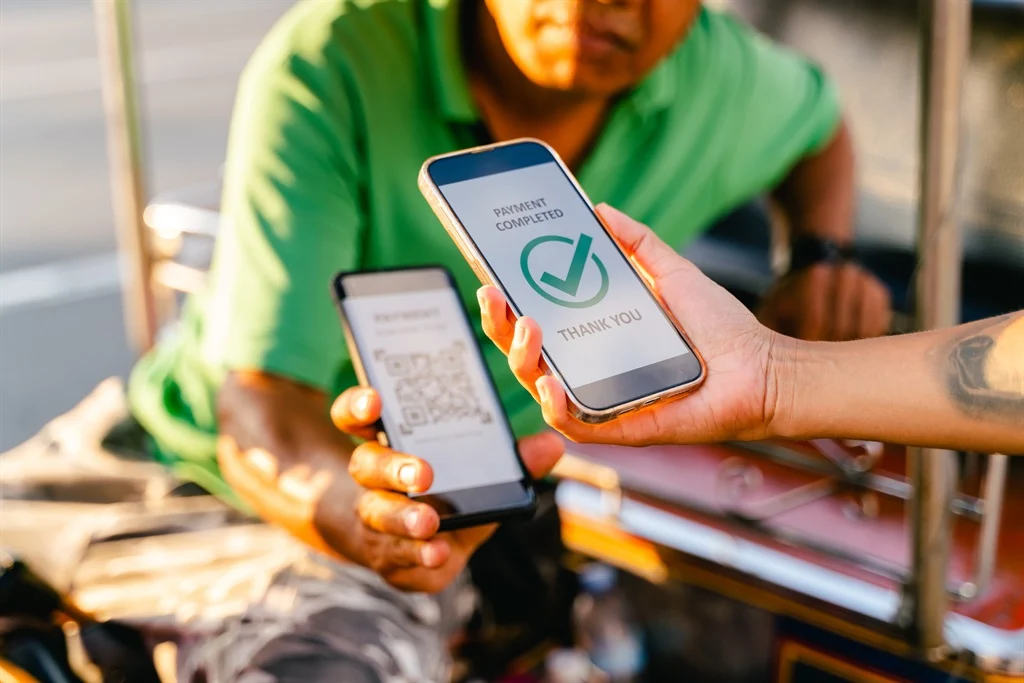
I spent part of this week in Abidjan at a media training hosted by AfricaNenda Foundation, digging into how instant payment systems work across Africa. The continent now has 36 domestic and regional instant payment systems, but relatively few meet the broader tests AfricaNenda uses to measure inclusion.
That gap matters because governments, banks and fintechs are investing heavily in payment infrastructure, but faster payments alone do not broaden access. If only a narrow group of institutions can use the rails, much of the digital economy remains outside them.
The training also changed how I think about one of the tech industry’s favourite measures: speed. We spend a lot of time talking about whether payments happen in three seconds or 30, but once payments become fast enough, shaving another second off settlement matters much less than who can use the system, how much they pay and which institutions are allowed to connect. That is where Africa’s payments problem gets more interesting.
Fast does not always mean inclusive
An instant payment system has a fairly straightforward job. It should operate around the clock, move money almost immediately and give users certainty that a completed transaction is final. AfricaNenda’s State of Inclusive Instant Payment Systems (SIIPS) framework goes further by examining who participates, which channels people can use, whether different financial institutions can transact with each other and whether the economics work for low-value payments.