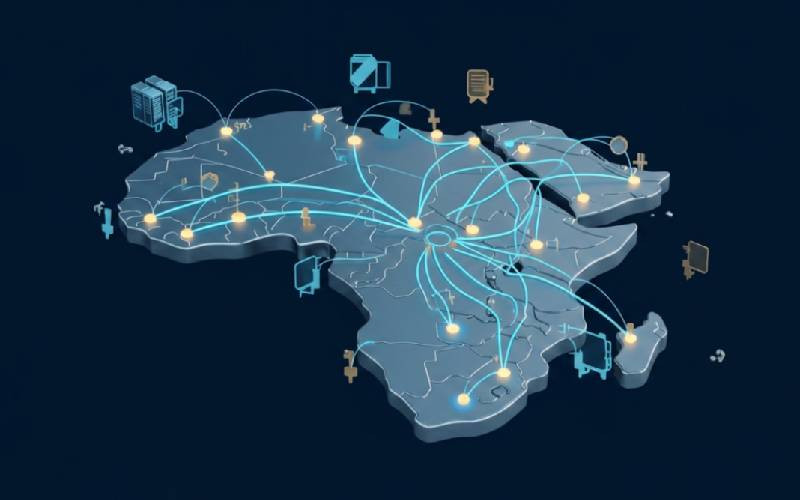
When a South African business pays a supplier in Malawi, the money often takes a detour through the global financial system. Instead of moving directly across the continent, the payment is often routed through correspondent banks and the United States (US) dollar before reaching its destination.
It’s a paradox at the heart of the African Continental Free Trade Area (AfCFTA), Africa’s flagship trade pact. While the agreement seeks to boost trade across Africa, the continent’s payment infrastructure still reflects an era when African economies traded more with Europe, the United States and Asia than with one another.
That disconnect is fuelling renewed interest in stablecoins, led by Nigeria and South Africa, not as speculative crypto assets, but as digital settlement infrastructure that could make cross-border African trade faster, cheaper and more predictable.
The shift comes as South Africa continues to trade far more with markets outside the continent than within it. Only about 15% to 18% of South Africa’s trade is with African countries, highlighting how much work remains before AfCFTA can achieve its ambitions.
“Payments become the friction that businesses feel every single day,” Ifelade Ayodele, chief executive officer (CEO) of Blaaiz, a cross-border remittance platform, told TechCabal in an interview on Tuesday. “Once goods have crossed the border, invoices still need to be settled, suppliers need to be paid, currencies need to be converted, and liquidity needs to move efficiently. If those processes remain slow, expensive or unpredictable, the commercial benefits of trade are significantly reduced.”