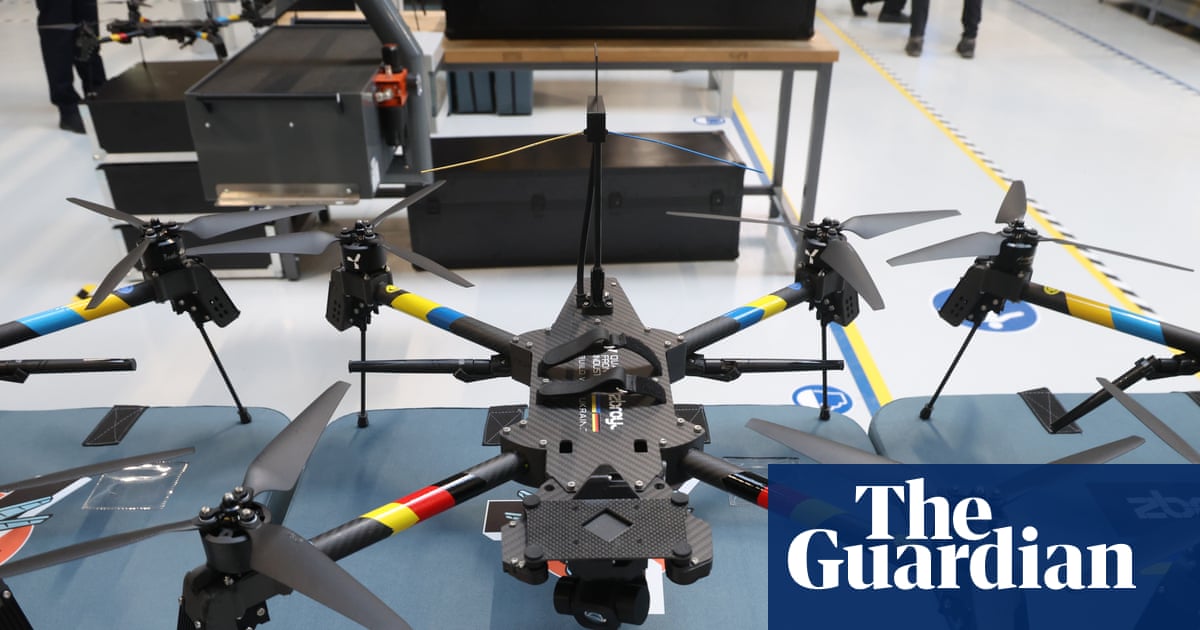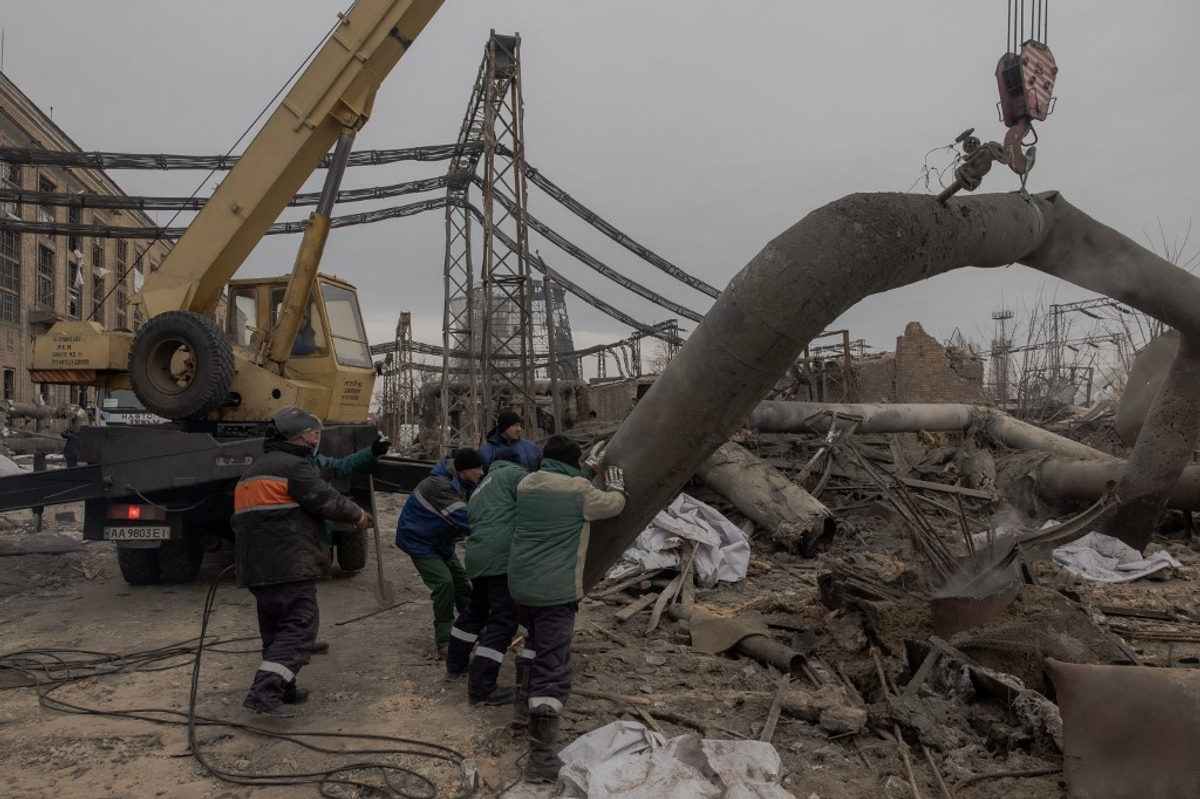
Ukraine’s recovery is usually described in the language of governments, development banks and multinationals. That language captures the financing, but it misses the builders. The companies that will actually rebuild communities, restore payrolls and return confidence are, disproportionately, family businesses – and the most effective of them will increasingly work across borders rather than within them.This article makes one argument. The decisive unit of Eastern European reconstruction will not be the single company or the single country, but a Romania-Moldova-Ukraine entrepreneurial triangle: three complementary business communities, bound by geography, aligned by European ambition, and connected by people who already know and trust one another. Reconstruction, in this reading, will not simply be rebuilt. It will be co-built.JOIN US ON TELEGRAMFollow our coverage of the war on the @Kyivpost_official.Governments frame, entrepreneurs buildIf history teaches anything about post-conflict recovery, it is that durable economic revival is ultimately the work of entrepreneurs, not institutions alone. Governments establish the frameworks. International partners provide the financing and the guarantees. But it is companies – and family businesses above all – that create jobs, rebuild towns and restore the confidence without which no amount of capital circulates.The scale involved makes this more than a philosophical point. The World Bank, the European Commission and the United Nations now estimate Ukraine’s recovery and reconstruction needs at roughly $588 billion over the coming decade – close to three times the country’s projected annual output. Their latest joint assessment is equally blunt about the answer: Needs on this scale far exceed what public money can cover, and unlocking private capital will be decisive. That single sentence reframes the entire debate. Reconstruction is not primarily a donor problem. It is, above all, an entrepreneurial opportunity – and the entrepreneurs closest to Ukraine sit on two neighboring EU borders.
The Entrepreneurial Triangle: How Ukraine, Romania and Moldova Will Co-Build the Recovery
Business now has the chance to convert shared geography into shared prosperity.
1,343 words~6 min read