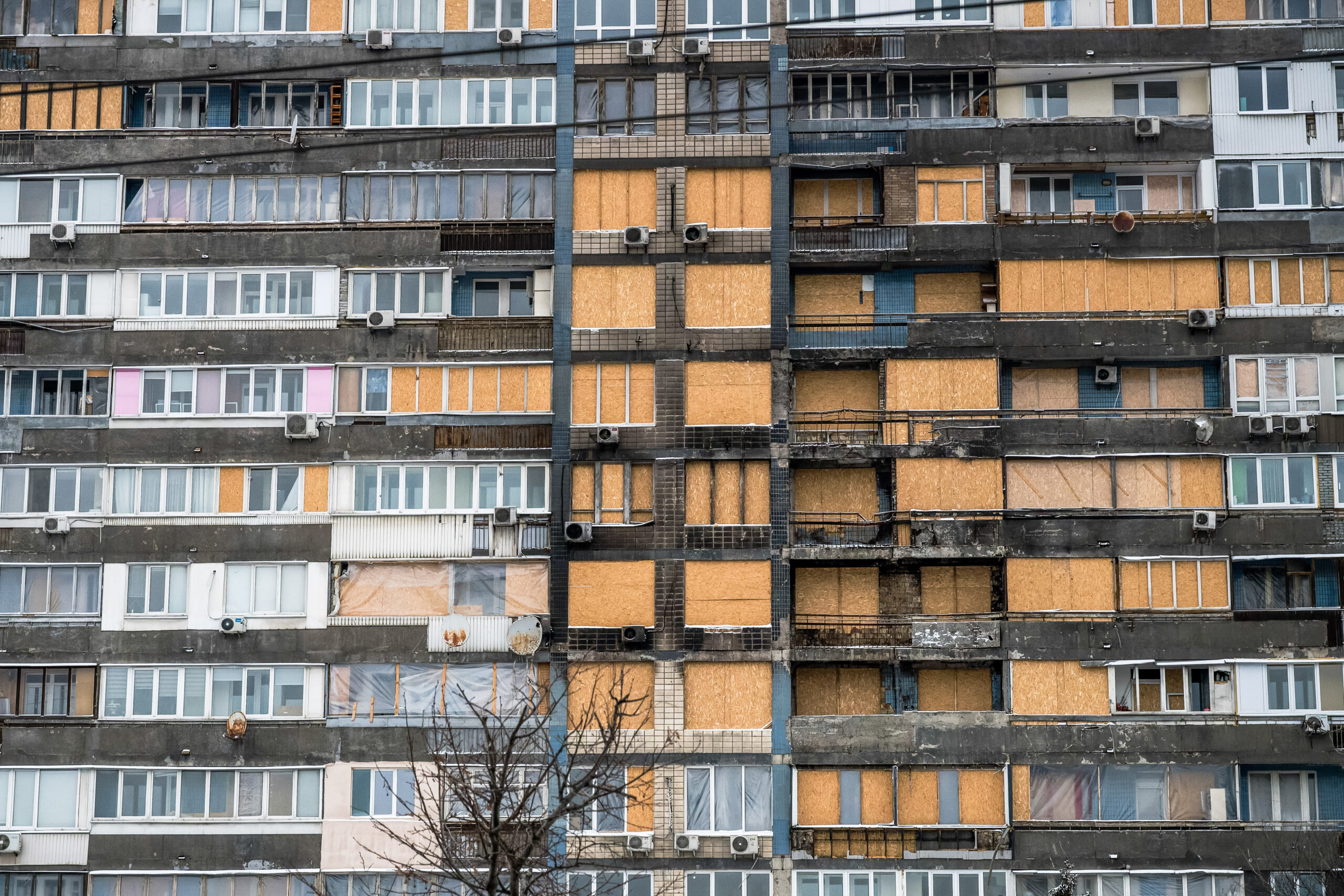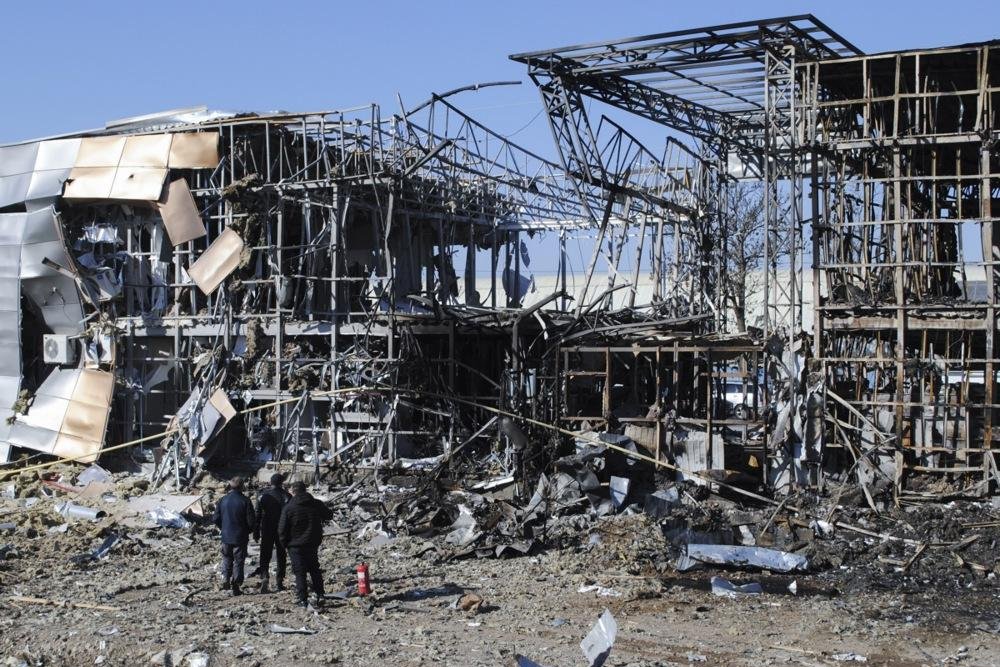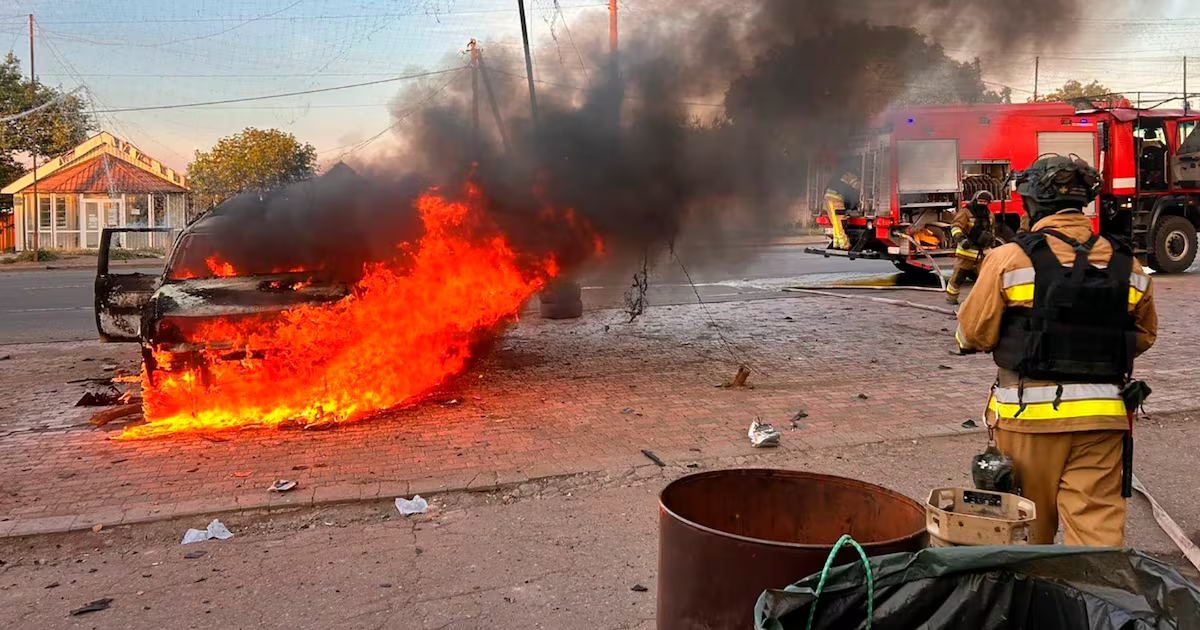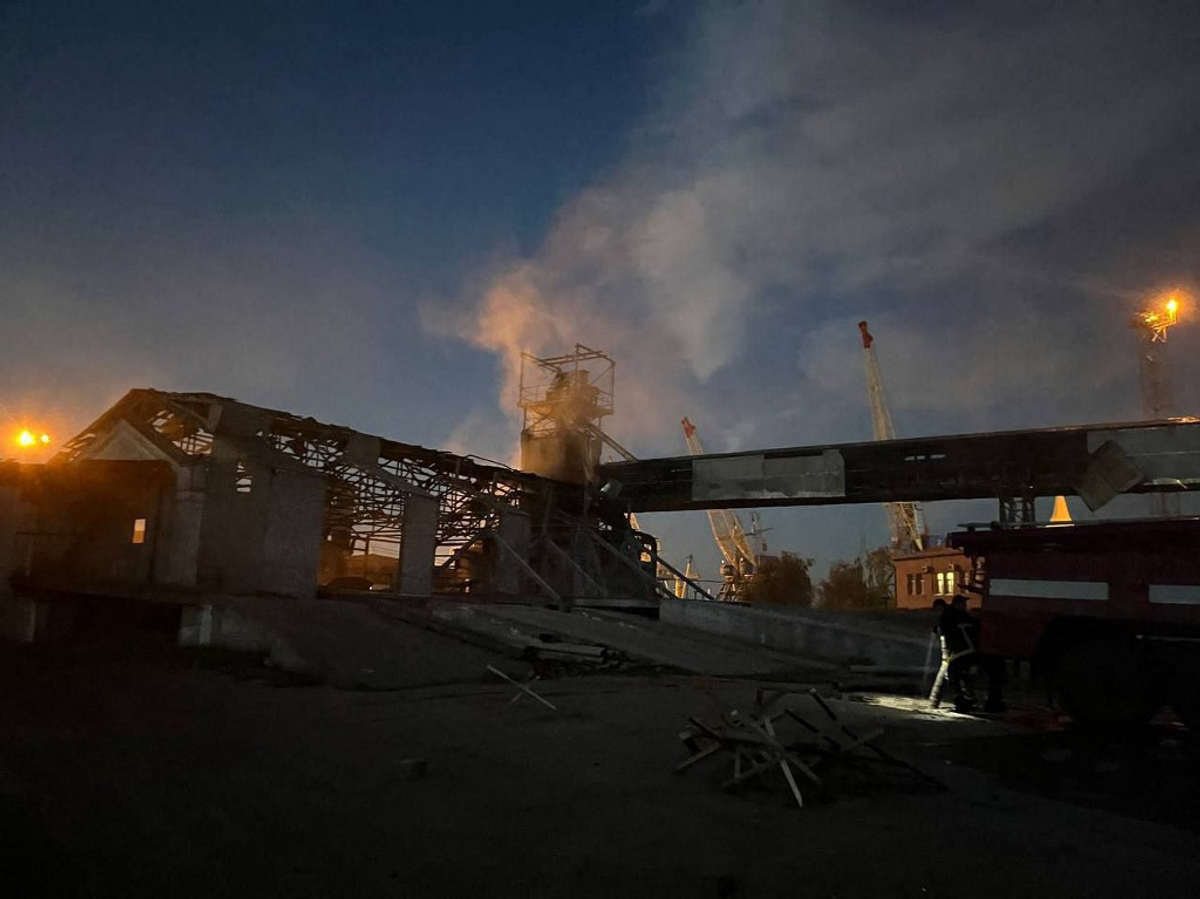
When we discuss Ukraine’s recovery, one principle should be stated without hedging: Odesa matters. As Ukraine’s largest Black Sea city and the maritime heart of its export economy, Odesa will sit at the center of national reconstruction. Rebuilding it with modern logistics, resilient energy and world-class connectivity is not only Ukraine’s interest. It is Europe’s. Yet here is the part rarely said aloud. A meaningful share of Odesa’s reconstruction will not begin in Odesa. It will begin some 300 kilometers to the southwest, in the Romanian cities of Constanța and Galați, where the cranes, the customs clearance and the project finance already exist inside the European Union. In practical terms, part of Ukraine’s recovery ecosystem will be built around Ukraine before it is fully built within it.JOIN US ON TELEGRAMFollow our coverage of the war on the @Kyivpost_official. Geography is back, and it now has a price tag Reconstruction is a physical business. The fifth Rapid Damage and Needs Assessment issued jointly in February 2026 by the government of Ukraine, the World Bank, the European Commission and the United Nations, put Ukraine’s recovery needs at almost $588 billion over the coming decade, nearly three times the country’s projected 2025 GDP. Transport needs alone rose by around a quarter compared with the previous assessment, the direct result of intensified Russian strikes on rail and ports through 2025. That is the strategic hinge most analyses miss. The corridor’s value does not rest on a calm sea. It rests on the opposite. Every time Russia targets Odesa’s port infrastructure, the case for redundant, EU-anchored staging capacity on the Lower Danube grows stronger. Resilience is not built in a single port. It is built in a network with more than one node, a logic Romania has been slow to articulate as policy and quick to apply as practice.
Odesa Will Be Rebuilt, but Romania Will Be Key
Rebuilding Odesa is a European priority. But a meaningful share of the capital, contractors and materials needed to rebuild it will be staged through the EU.
TL;DRAI
Odesa's reconstruction anchors in Romania's ports—Constanța (92M tons capacity) and Galați (Soviet-gauge frontier)—integrating EU logistics. Redundant ports eliminate single-point-of-failure risk, securing European semiconductor and manufacturing supply chains.
1,620 words~7 min read