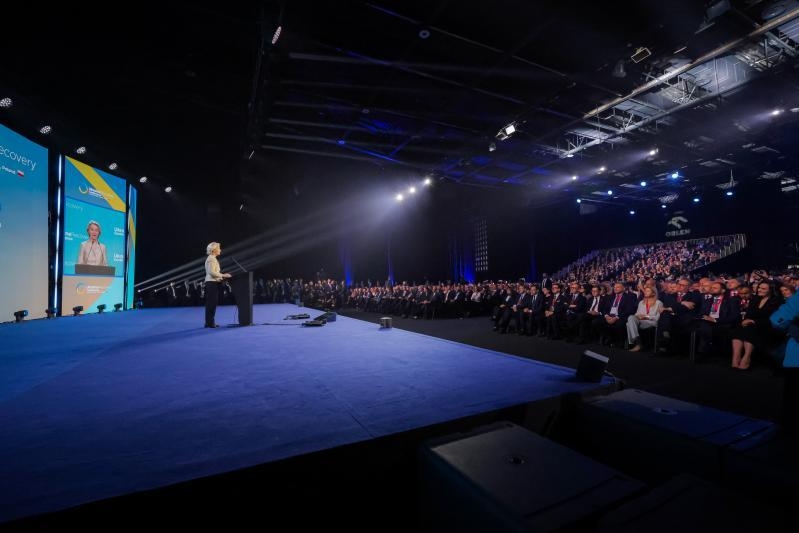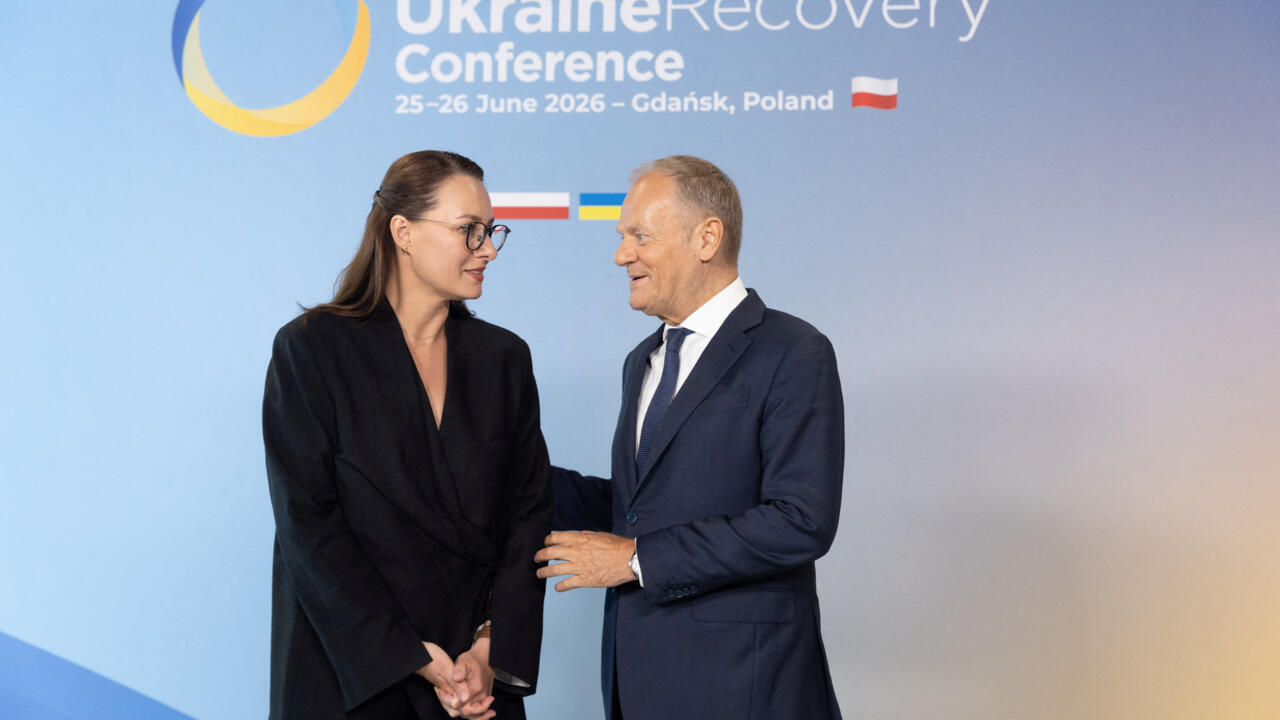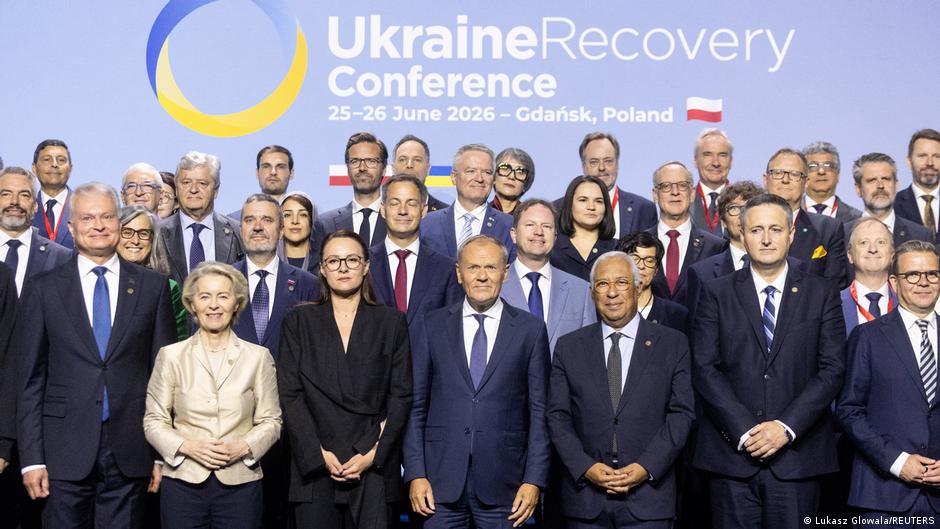
The latest Ukraine Recovery Conference, which opens in Gdansk today, is a key international platform for attracting investments and partnerships in the country’s rebuilding process. It will bring together 5,000 representatives of international politics, financial institutions and private companies.The meeting is timely. Although the war continues remorselessly through its fifth year, there are signs the tide is turning. Russia’s grinding advance on the battlefield has been substantially halted since the beginning of the year and Ukraine’s drone-dominated defences are holding. Russia is suffering crippling attacks on supply lines to Crimea and mass drone attacks on Moscow and other cities. Ukraine claims Moscow is losing more men than it can recruit, with more than 30,000 killed and injured every month.Support from allies has been strengthened, not least with the €90 billion EU aid unfrozen with the departure of Hungary’s Viktor Orban. Even US president Donald Trump took a different approach to president Volodymyr Zelenskiy at last week’s G7 summit in Evian. The joint statement after the summit commended Ukraine’s “resilience” and “new momentum”, while promising more western arms and aid to carry it through next winter. The US House of Representatives also passed a new Ukraine aid package earlier this month, though its future remains in doubt.The cost of the war is now imposing a huge burden on the Russian economy –a leaked finance ministry letter to the cabinet warns of a €24 billion overspend on the budget this year. Ukraine, meanwhile, also continues to suffer. Russia has downed hundreds of Ukrainian drones and has stepped up attacks on major cities. Zelenskiy insists that Moscow’s battlefield setbacks will force Russia back to the table, telling a US TV station that he believed there is a “window for negotiations.” But an obdurate Vladimir Putin, still holding out for a complete victory, has again turned down his request for face to face talks.If the prospect of a long-term sustainable settlement remains unlikely, the shift in the balance of forces on the ground makes negotiation of a durable truce more possible. Zelenskiy’s recent letter to Putin marks a significant change in Kyiv’s thinking about the end of hostilities – if not a long-term peace. He asks for direct negotiations between Kyiv and Moscow, and argues that there is good reason to believe that hostilities could cease in the very near future, probably on the basis of a mutually agreed freeze in battle lines.Russia remains ambivalent – even hostile – to any European participation in talks. But EU involvement in the Ukrainian war effort and reconstruction, and now formal accession talks, means Europe has a direct interest. It is an issue the Irish EU presidency will face in the months ahead.
The Irish Times view on Ukraine: support of allies remains vital
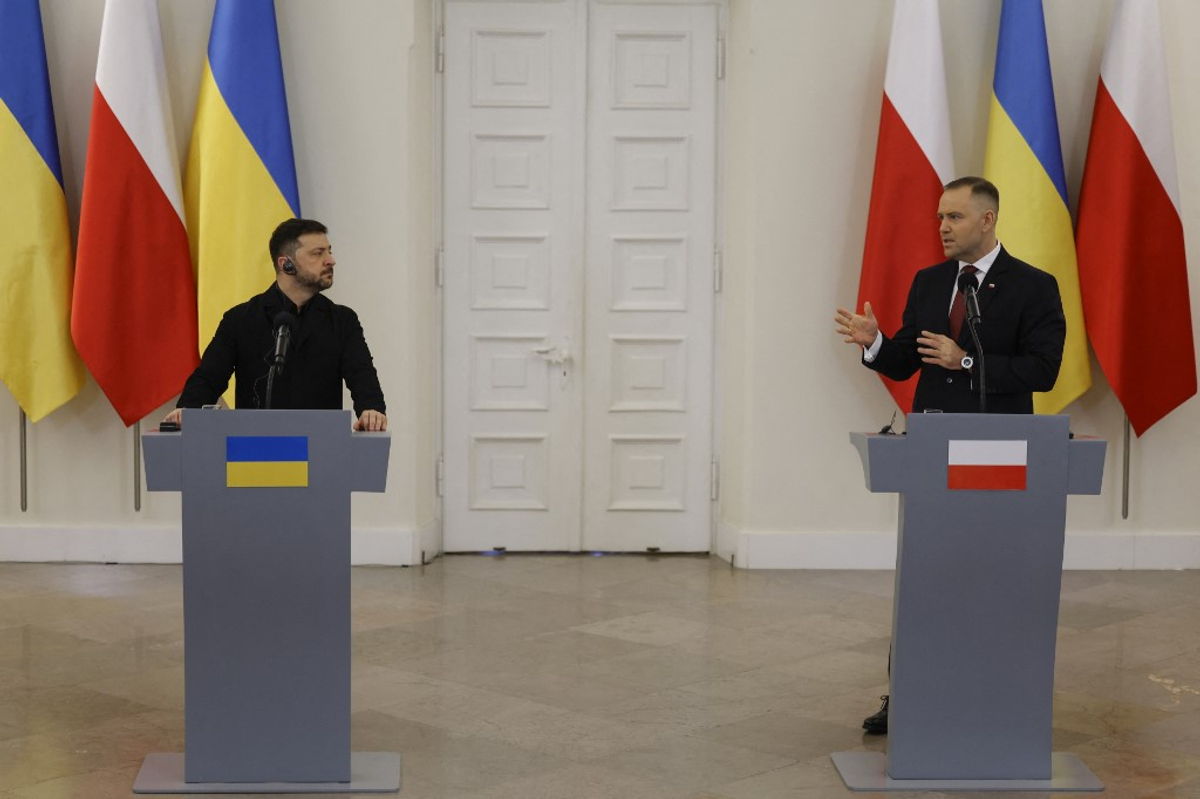
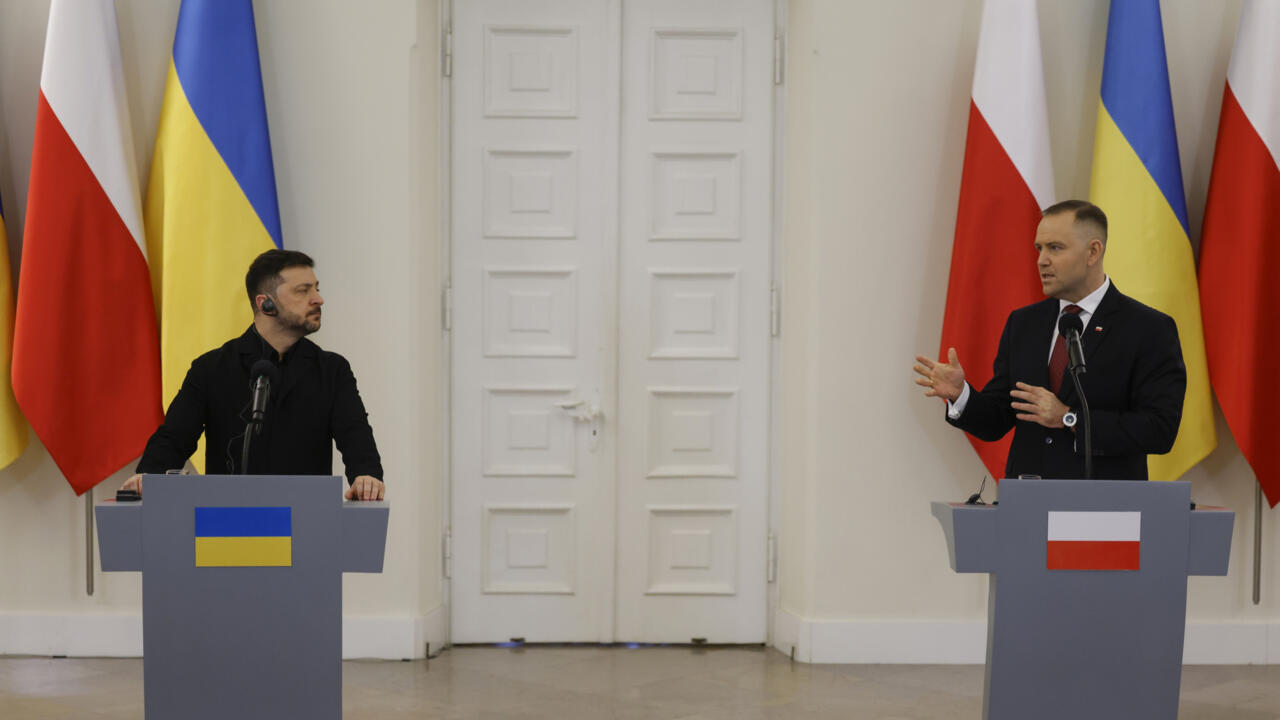
Zelenskiy insists that Moscow’s battlefield setbacks will force Russia back to the table
446 words~2 min read