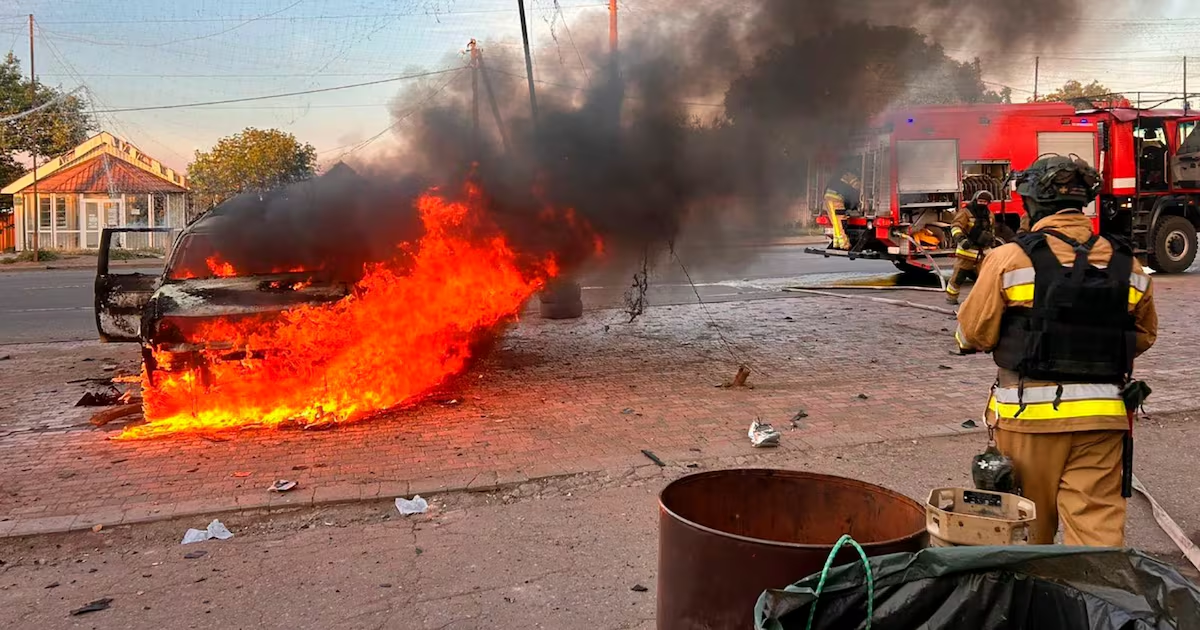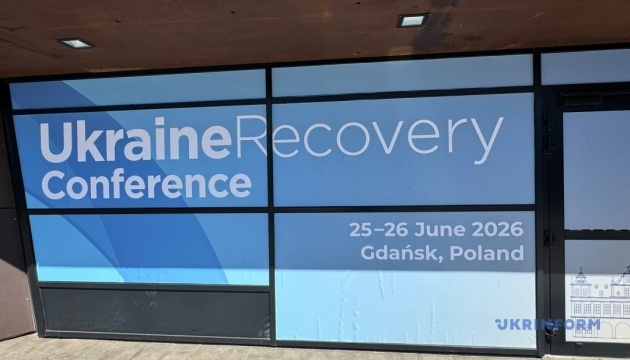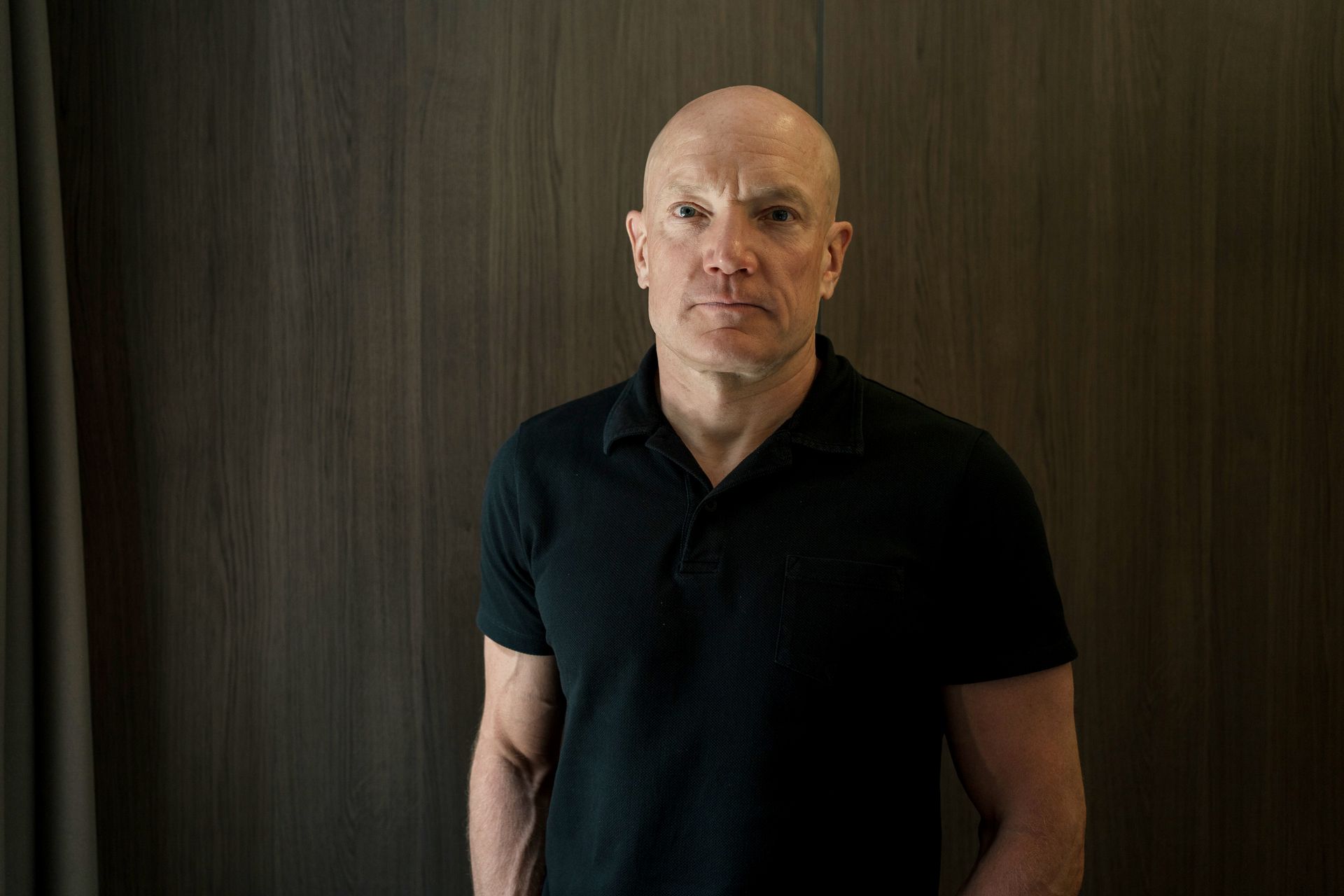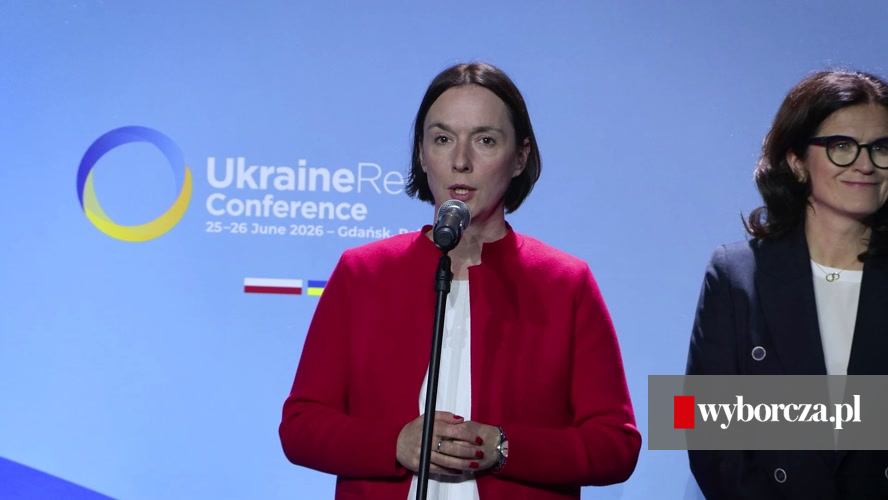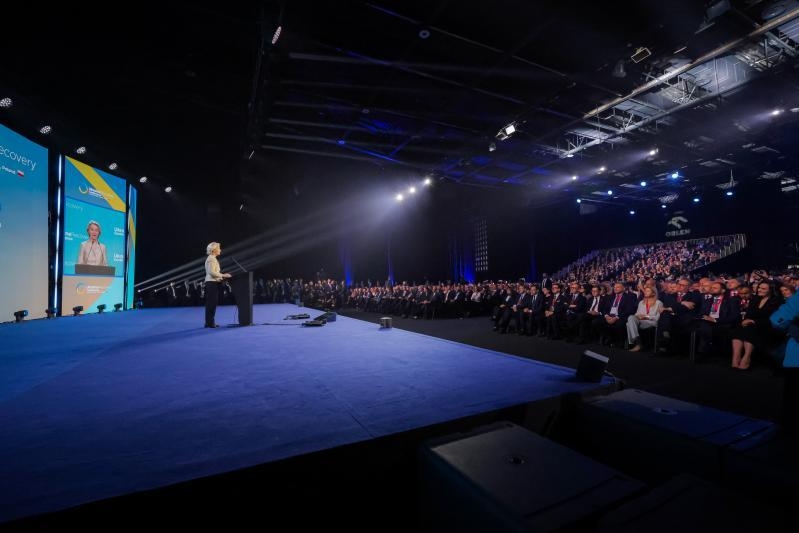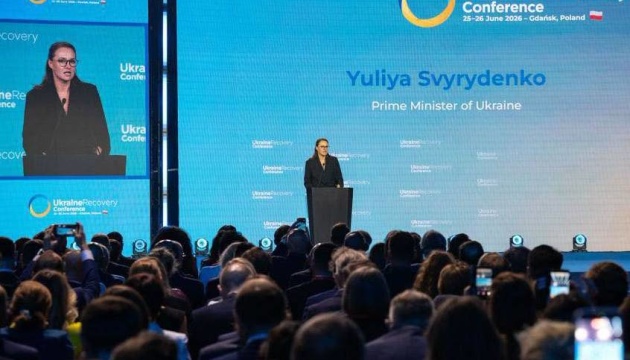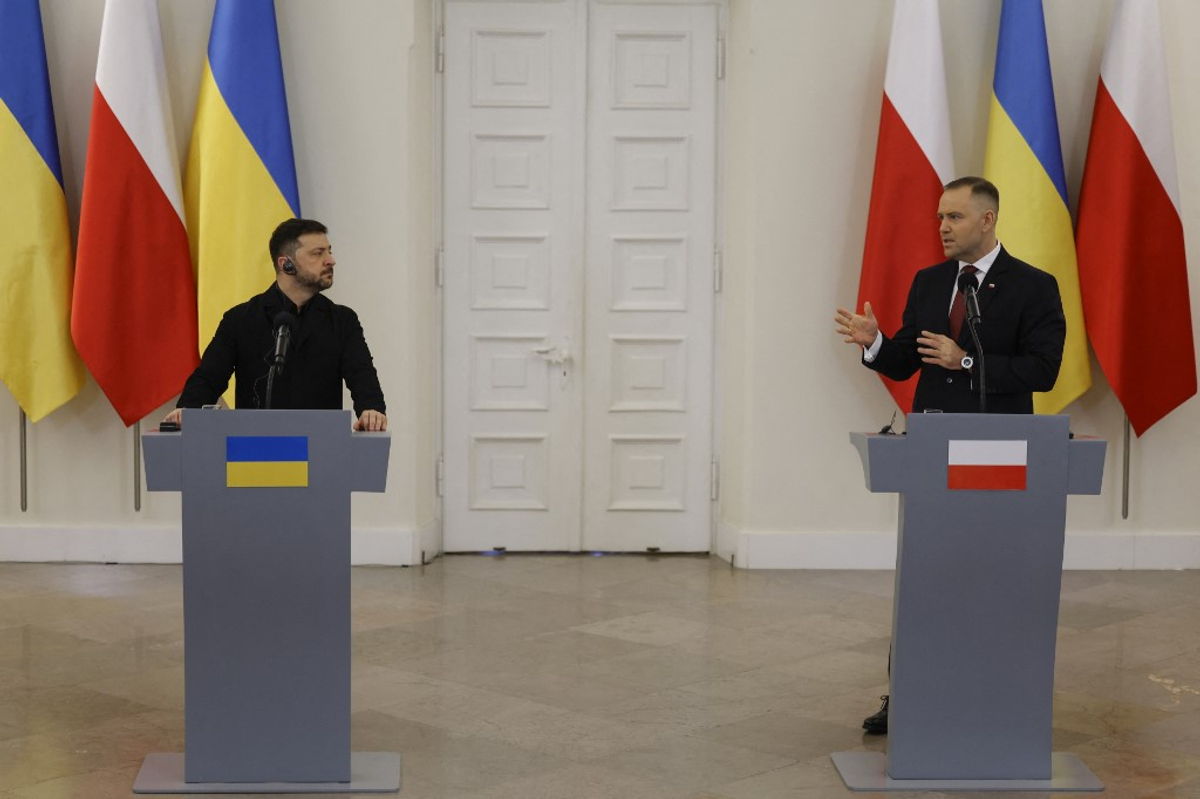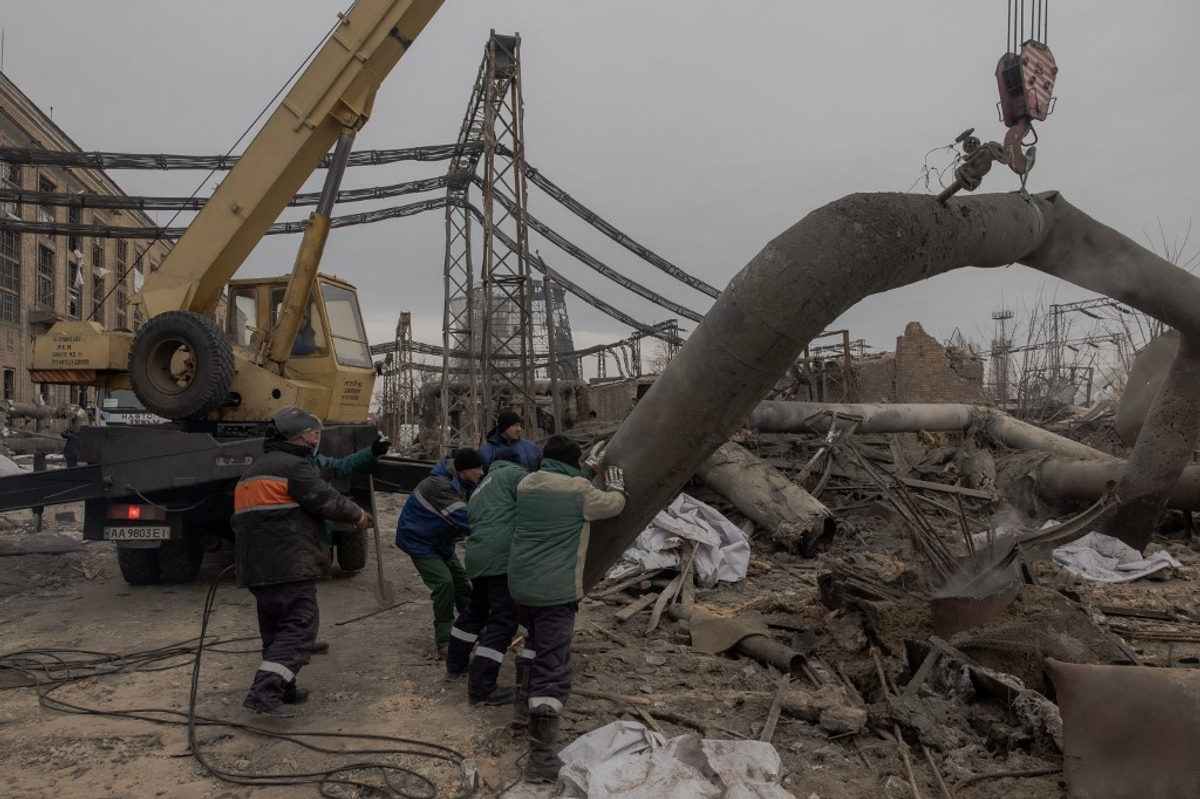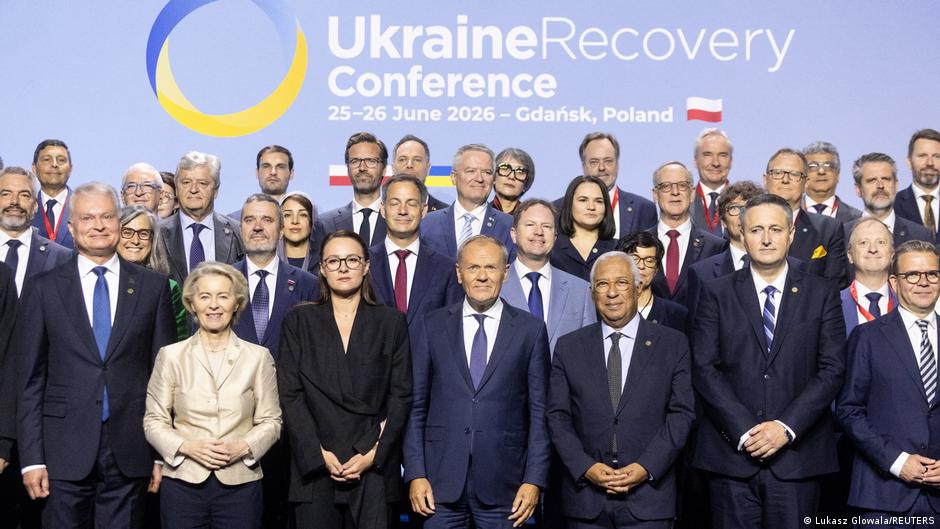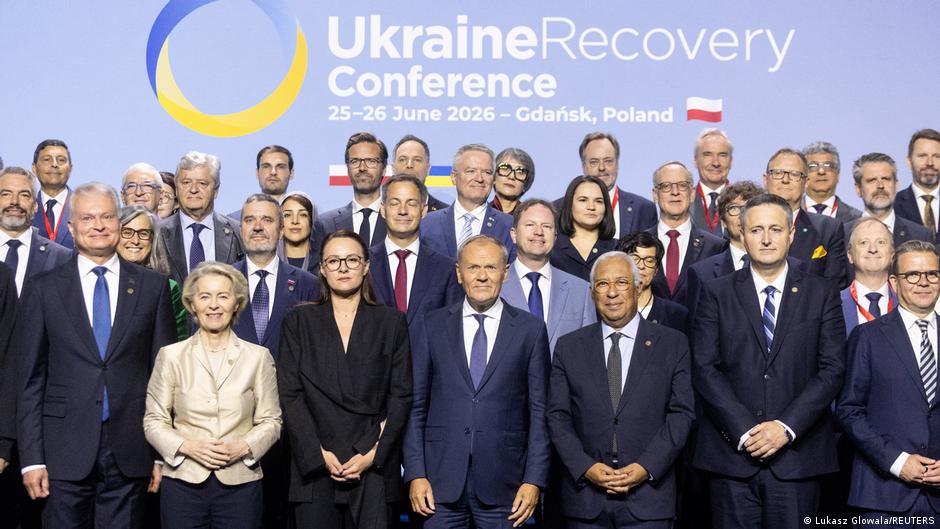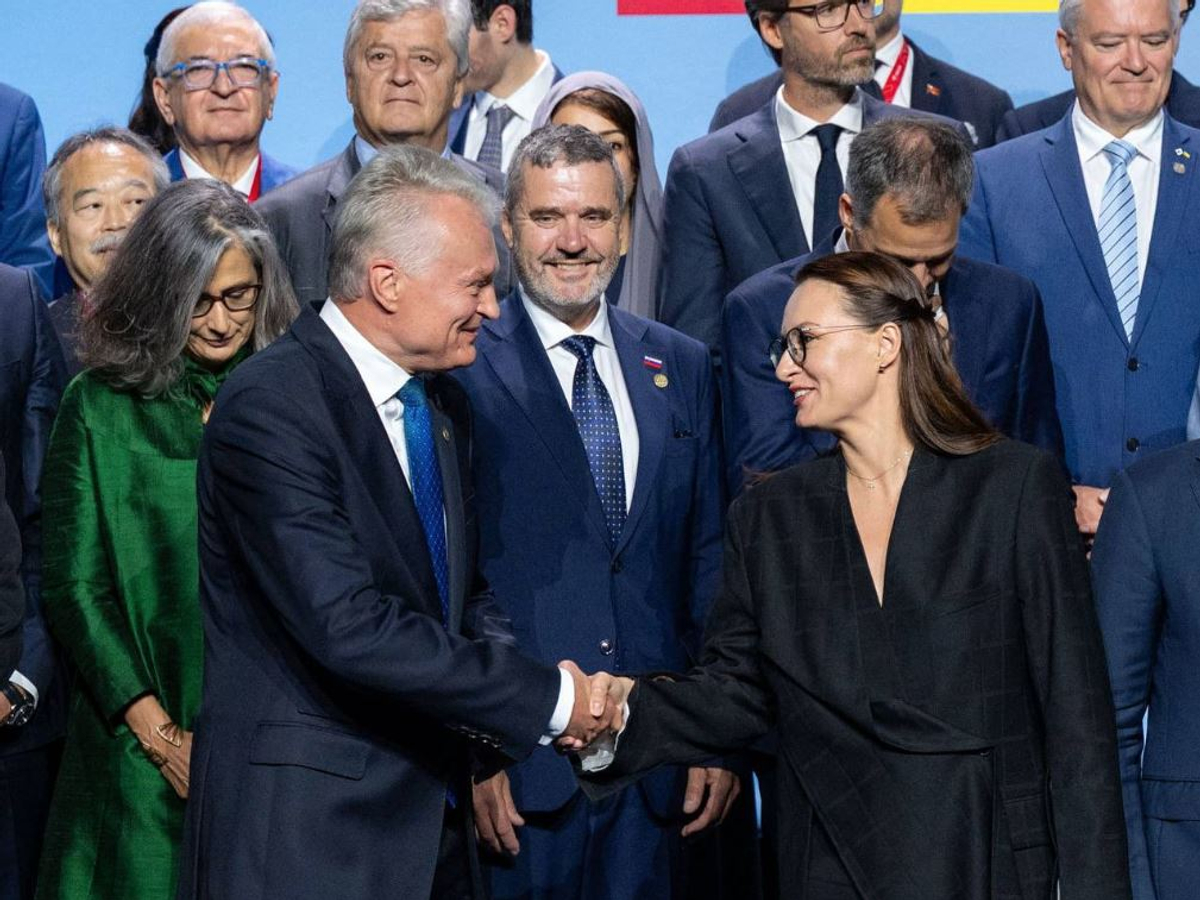
On June 25-26, Gdańsk will host the Ukraine Recovery Conference. Kyiv Post spoke with Jakub Karnowski, President of KredoBank and a lecturer at the Warsaw School of Economics (SGH), about what lies behind the concept of “recovery” and the state of Polish-Ukrainian economic relations. JOIN US ON TELEGRAMFollow our coverage of the war on the @Kyivpost_official. Michał Kujawski: What lies behind the term “Ukraine’s recovery”? It seems that it does not literally mean rebuilding what has been destroyed. Jakub Karnowski: Reconstruction usually begins when destruction ends. However, we still do not know when the war will end or under what conditions. We continue to witness barbaric attacks on Kyiv, such as the one at the end of May, which began during the final hours of Polish Finance Minister Andrzej Domański’s visit to the Ukrainian capital. During that visit, among other things, the issue of reconstruction was discussed. At the time, we did not yet know that the Chornobyl Museum, destroyed that very night, would also have to be rebuilt. At both the Warsaw School of Economics (SGH) and KredoBank, we often discuss what reconstruction actually means – whether it is better described as recovery or reconstruction. It is obvious that what has been destroyed will not be rebuilt on a one-to-one basis. Ukraine faces a massive demographic challenge, and its economy is changing as well. Recovery also means adapting to new realities. The Ukraine Recovery Conference in Gdańsk is part of this broader debate.
Ukraine’s Recovery Means Transformation, and Poland Can Help Show How
There’s more to postwar recovery than rebuilding what was lost. Ukraine’s future depends on reform, investment, and European integration.
1,696 words~8 min read