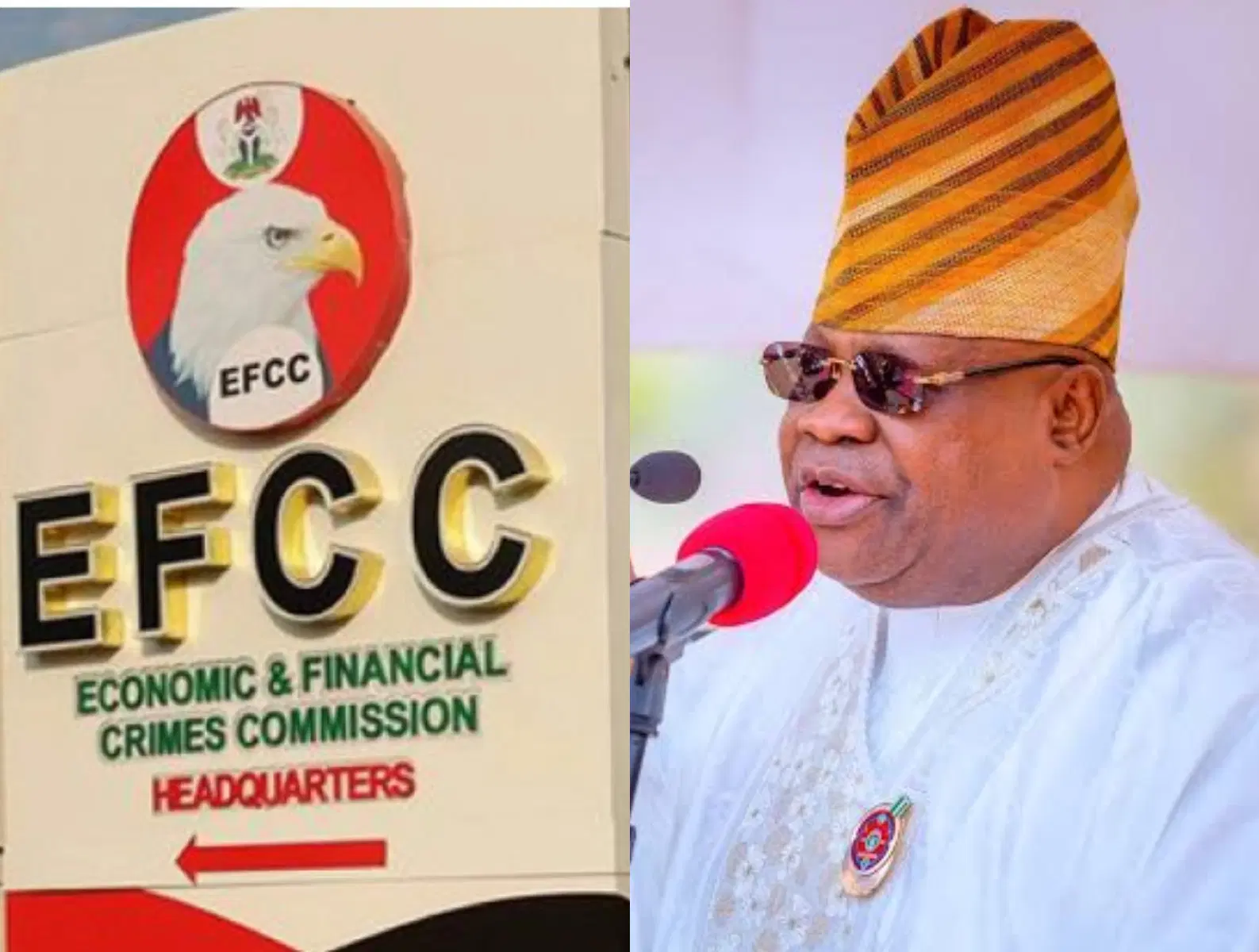
Recent move by the Economic and Financial Crimes Commission to freeze Osun state government’s account reignites debate over timing, independence and results of the country’s anti-graft war. Iyobosa Uwugiaren writes.
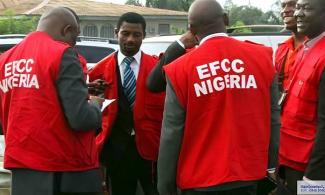
Baarely days before the Osun State governorship election, the Economic and Financial Crimes Commission (EFCC) found itself at the centre of another political storm.
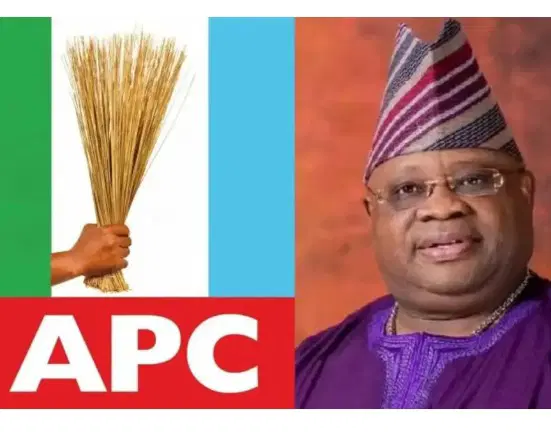
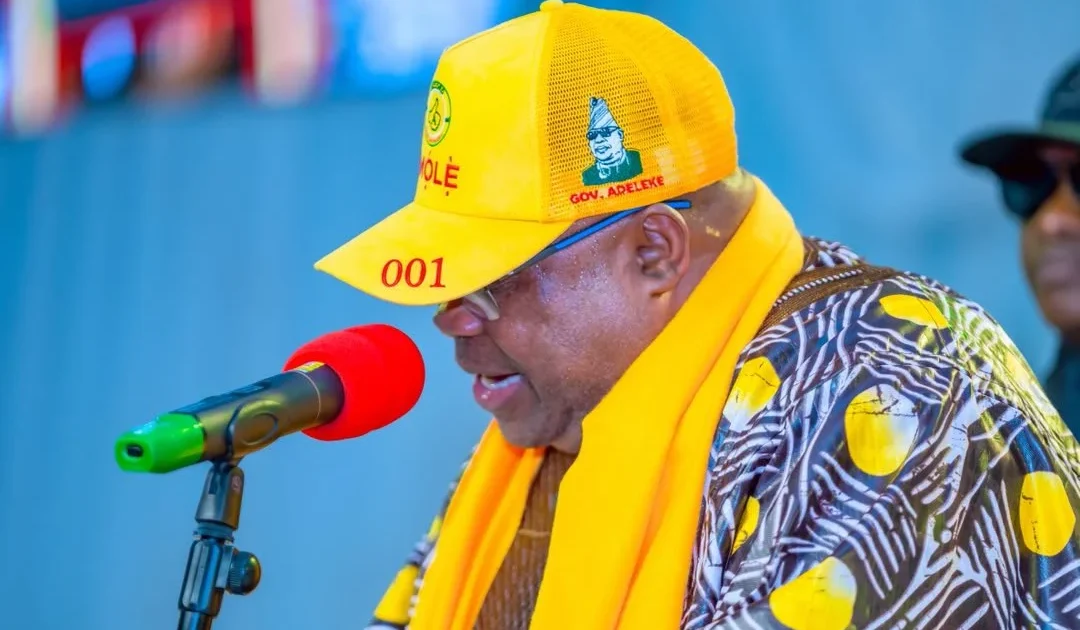
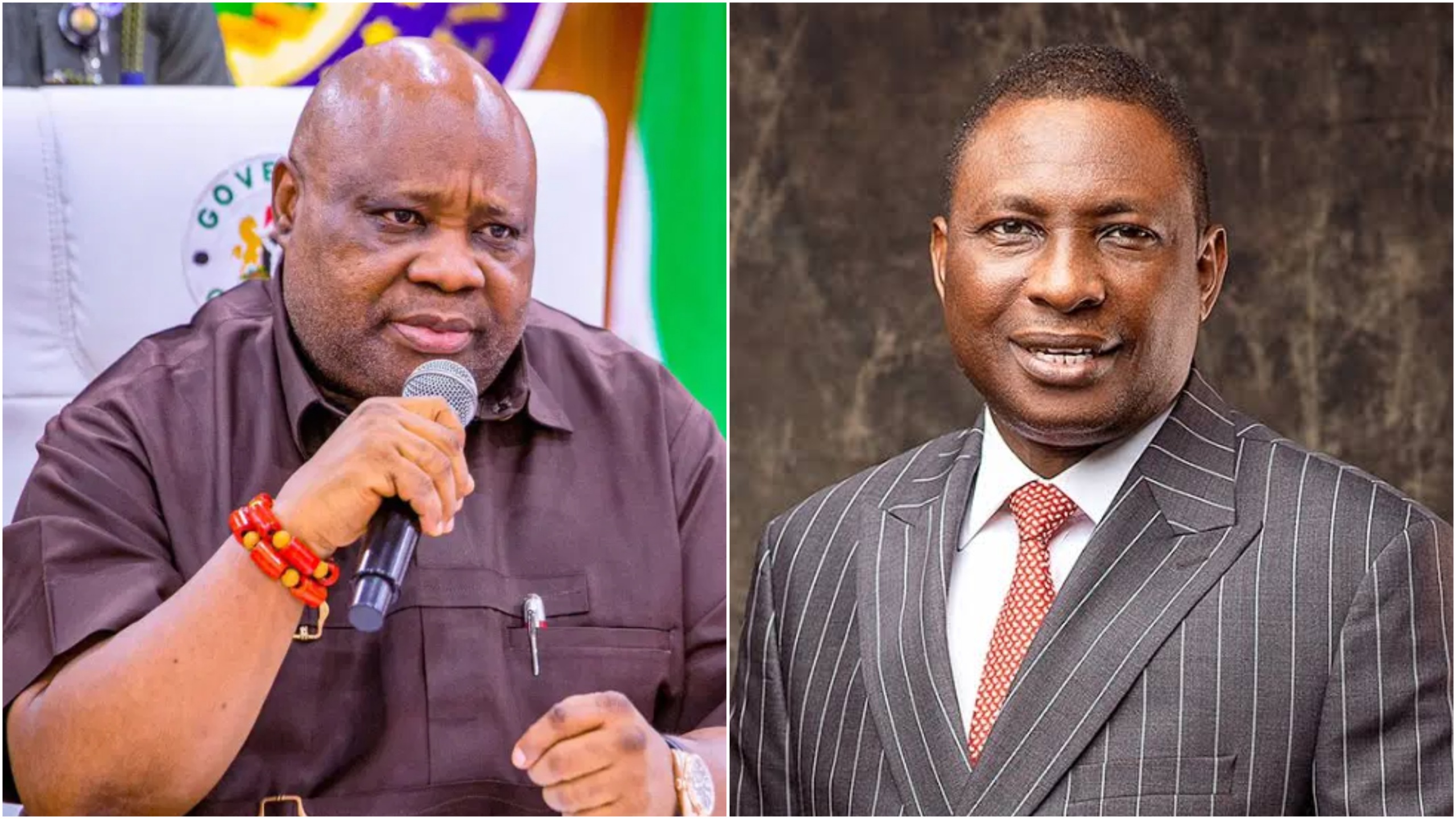
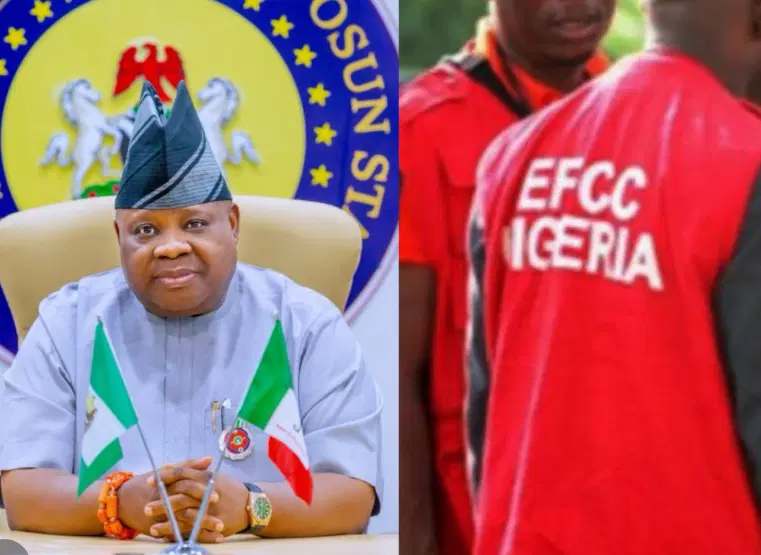
Reports emerged that the commission had frozen a bank account belonging to the Osun State Government. Governor Ademola Adeleke and his supporters immediately accused the EFCC of political interference, warning that the action was capable of crippling government activities on the eve of a crucial election.
The controversy dominated headlines and social media, apparently forcing President Bola Tinubu to publicly distance himself from the commission’s action. While critics have questioned the timing and alleged political motives, others have argued that anti-corruption agencies should not suspend investigations simply because elections are approaching.
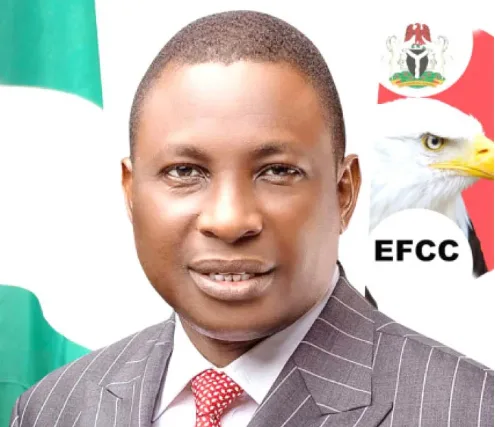
As the debate intensified, attention once again shifted to the man leading Nigeria’s foremost anti-graft agency — Ola Olukoyede, the Executive Chairman of the EFCC — whose three years in office have become one of the most closely scrutinised in the commission’s history.