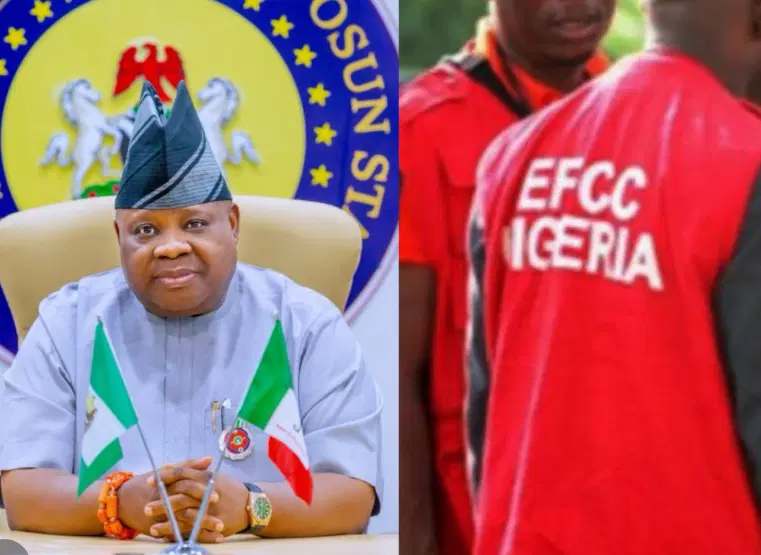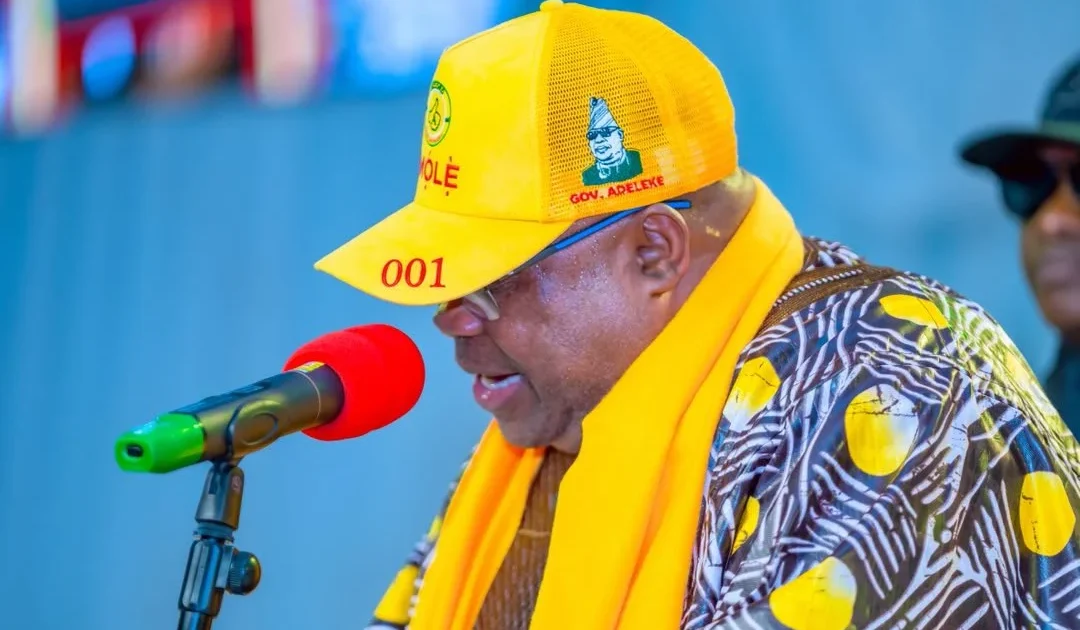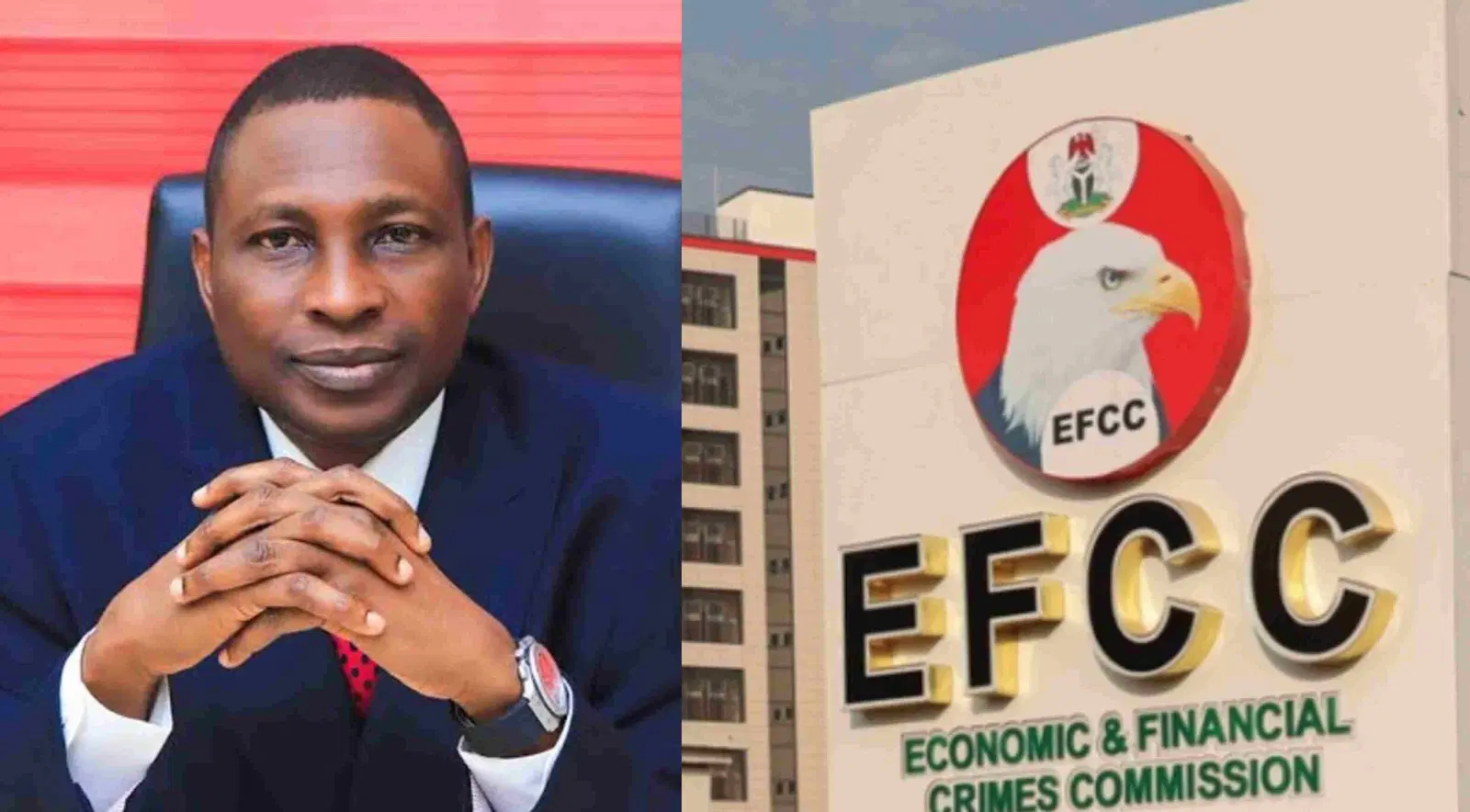
The reported freezing of Osun State Government’s account by the Economic and Financial Crimes Commission (EFCC), coming just days before the state’s governorship election, is, to say the least, unfortunate. Regardless of the reasons advanced for such an action, the timing has inevitably generated public suspicion and political controversy. In a democracy, institutions entrusted with law enforcement must not only be impartial but must also be seen to be impartial. Any action capable of creating the impression of political interference undermines public confidence in both the electoral process and the institutions of government.
Anti-graft agencies and other government institutions must resist every attempt to allow themselves to be used, or perceived to be used, by politicians to influence or manipulate elections. Their constitutional responsibility is to enforce the law without fear or favour, irrespective of who occupies political office. When their actions coincide with sensitive political events, they owe Nigerians an even greater duty of transparency and professionalism in order to preserve public trust.
The controversy has also raised questions about the federal government’s handling of the matter. Reports that President Bola Ahmed Tinubu directed the EFCC to unfreeze the state’s account have, whether rightly or wrongly, placed his administration in an uncomfortable position. While such intervention may have been intended to prevent a political crisis, it has also fuelled debate about the operational independence of the anti-graft agency and whether executive intervention should determine the course of its actions.