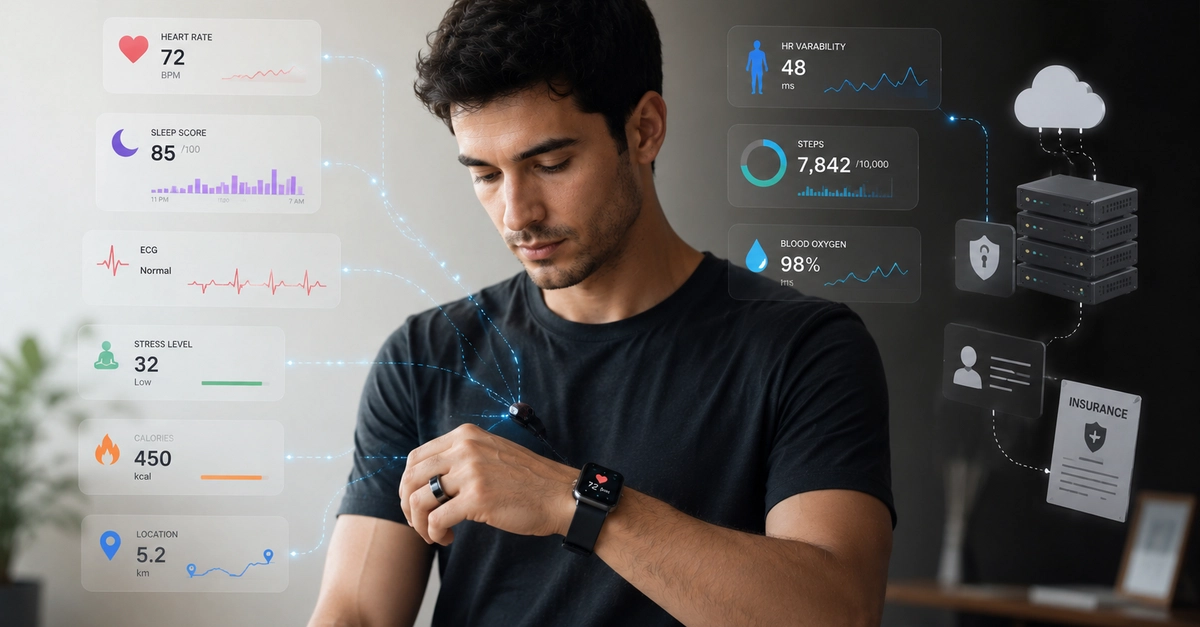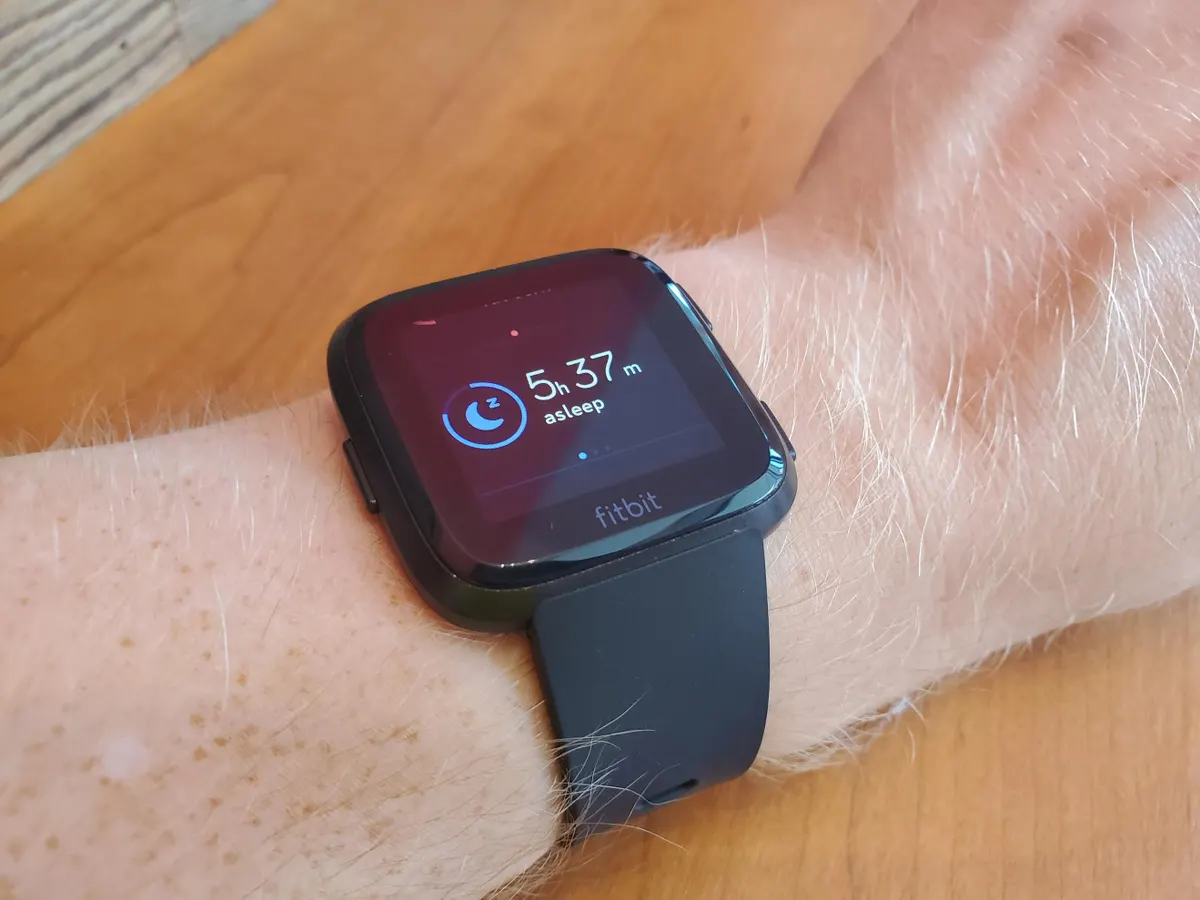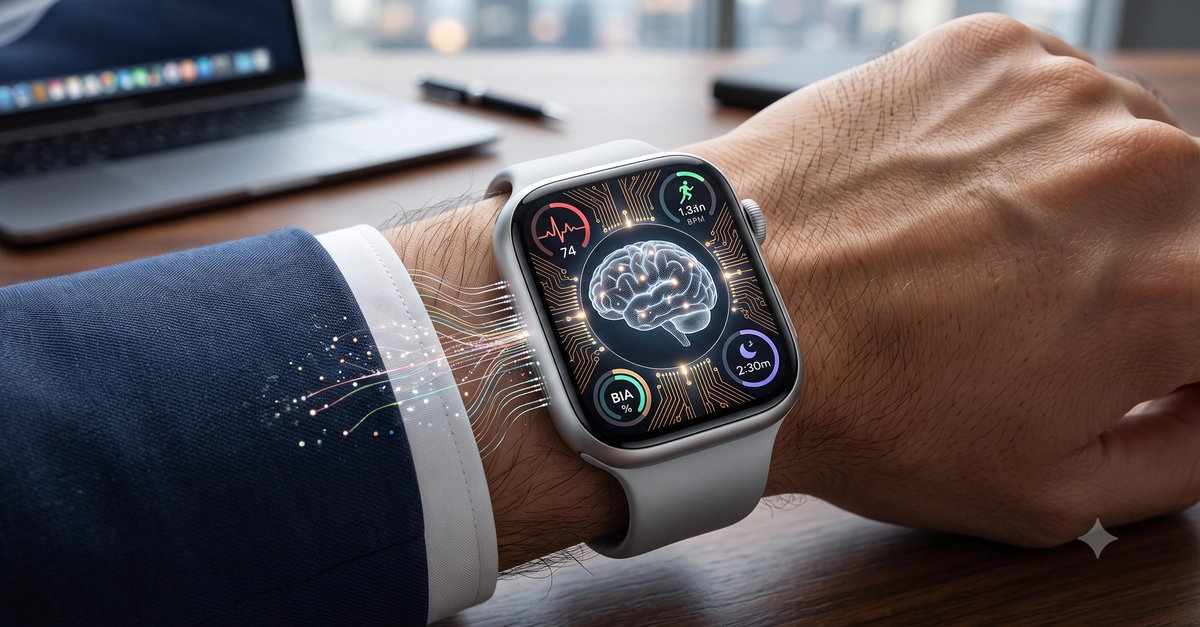
Take a look at your smartwatch for a moment. Even while you're reading this article, it's quietly collecting information about your body and surroundings. Every heartbeat, step, wrist movement, sleep cycle and even changes in skin temperature generate valuable data.
The challenge isn't collecting that data, it's making sense of it quickly enough to provide useful insights.
For years, wearables relied on cloud computing, sending sensor data to remote servers for analysis before delivering results back to the device. While this made advanced health and fitness features possible, it also introduced delays, depended on an internet connection and raised concerns about privacy.
That's starting to change. With Edge AI, wearables can process much of this data directly on the device instead of sending everything to the cloud. According to Harvard's Edge Computing Lab, running AI models on low-power devices can reduce the need for wireless communication while improving responsiveness, privacy and energy efficiency. As a result, today's wearables are evolving from simple data collectors into intelligent IoT devices that can understand and respond to information in real time.
Why Wearables Generate So Much Data