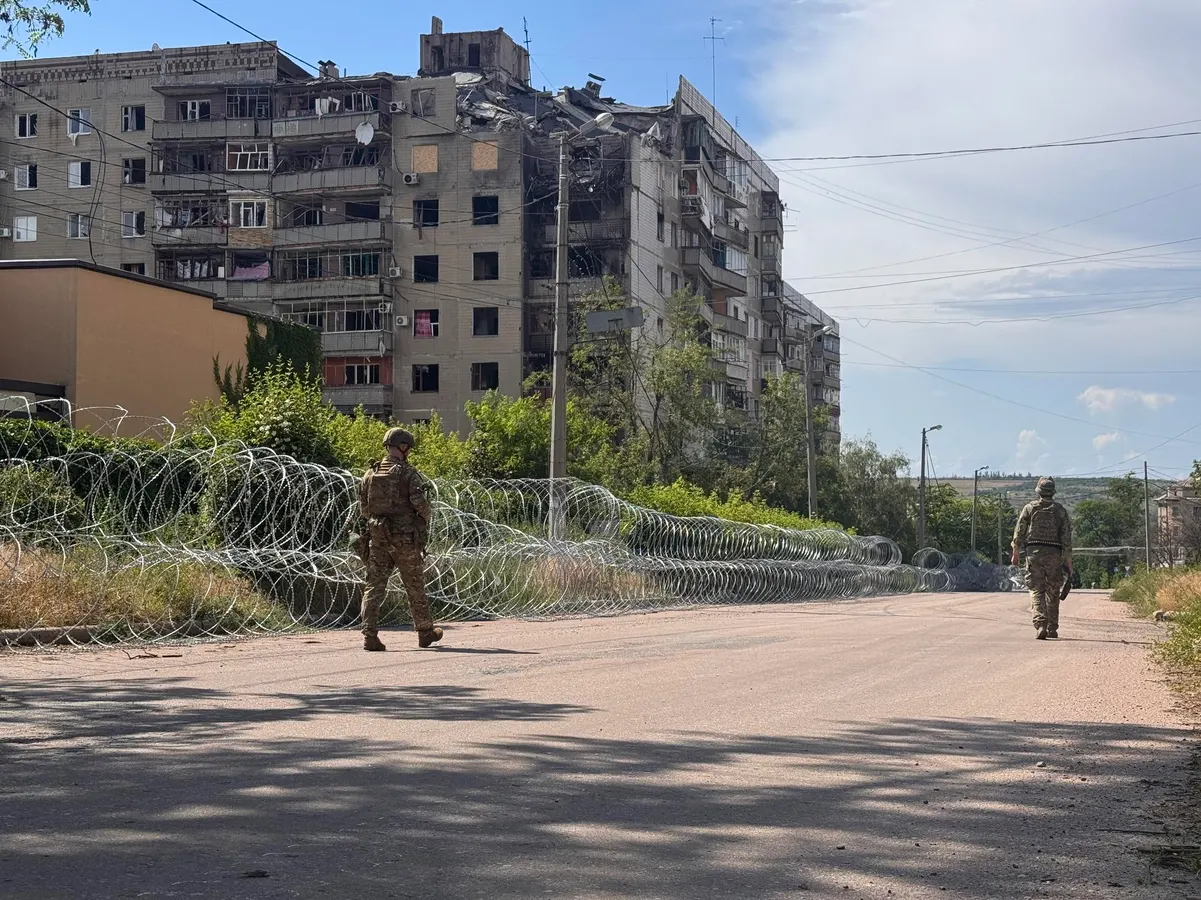
Russia’s military strategy has hit a wall. Battlefield tactics that worked in 2024, such as infantry infiltration and drone interdiction, are no longer delivering the same gains. Moscow’s offensive this summer has seen slower advances at the cost of around 30,000 casualties per month. Even another round of mobilisation appears unlikely to turn the tide.
With little hope of a decisive breakthrough at the front, both sides have settled into long-strike campaigns intended to undermine their opponent’s ability to keep fighting.
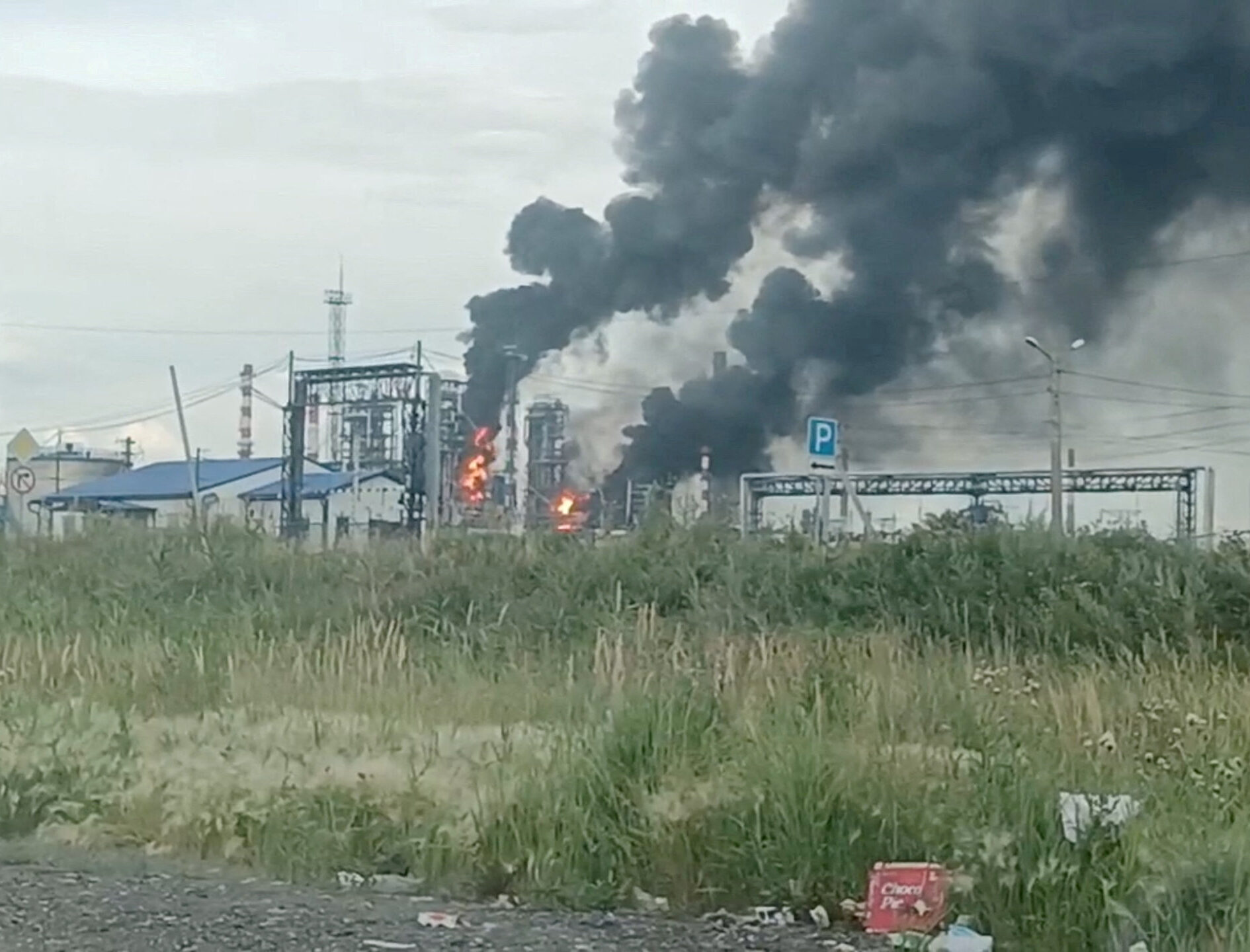
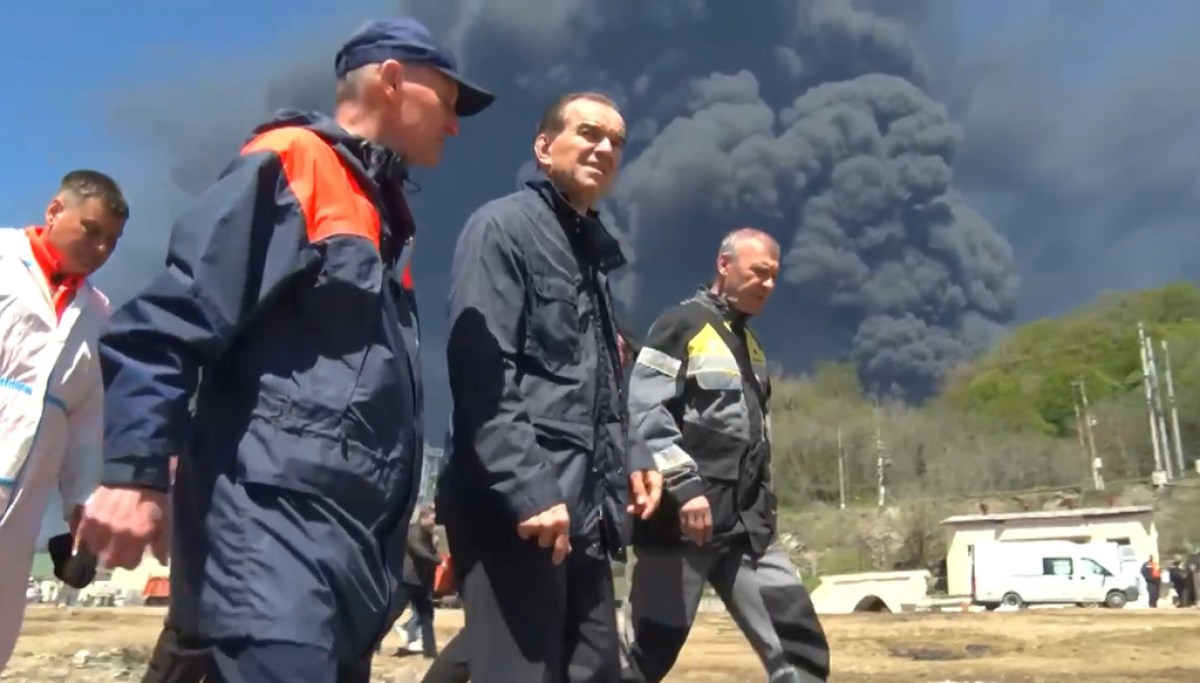
Ukraine has maintained near-daily attacks on Russian oil refineries, pumping stations, and exports – targeting the lifeblood of Moscow’s war economy. There is no major oil refinery in the European part of Russia that has not been attacked over the past year.
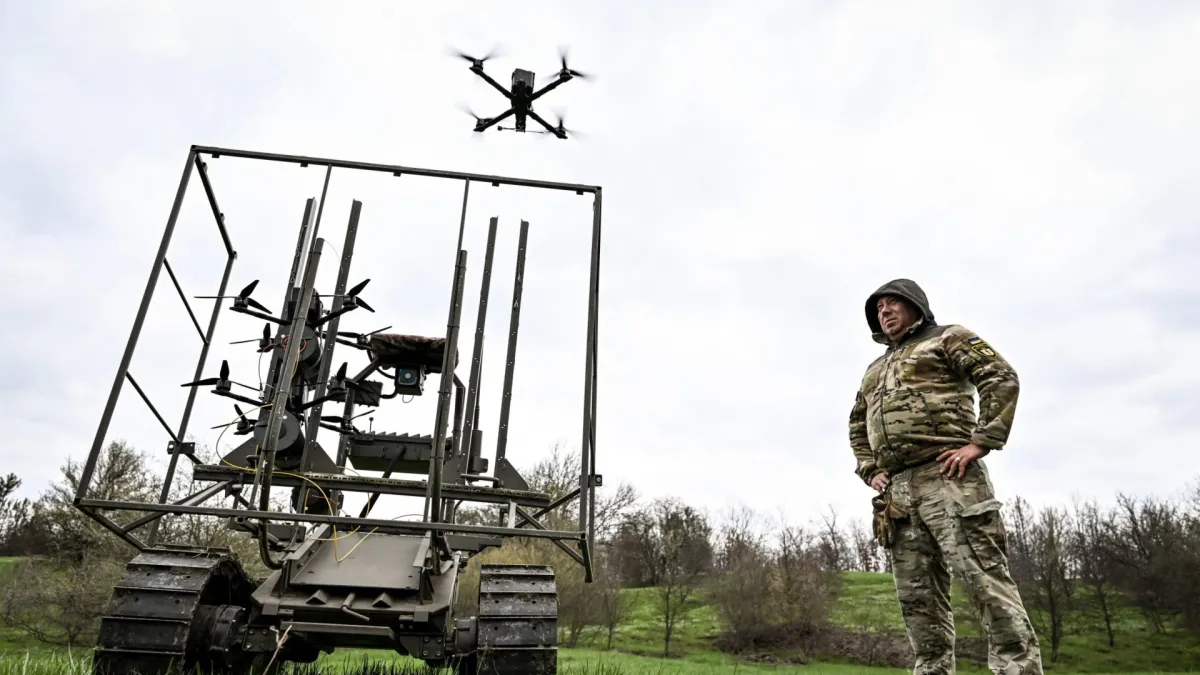
The Ukrainian military is now targeting the most vulnerable parts of refineries used for oil processing, which are difficult to repair. Their strategic attacks now include jet-powered drones that pose new challenges to air defences. By some estimates, the campaign has knocked out a third of Russia’s oil processing capacity.
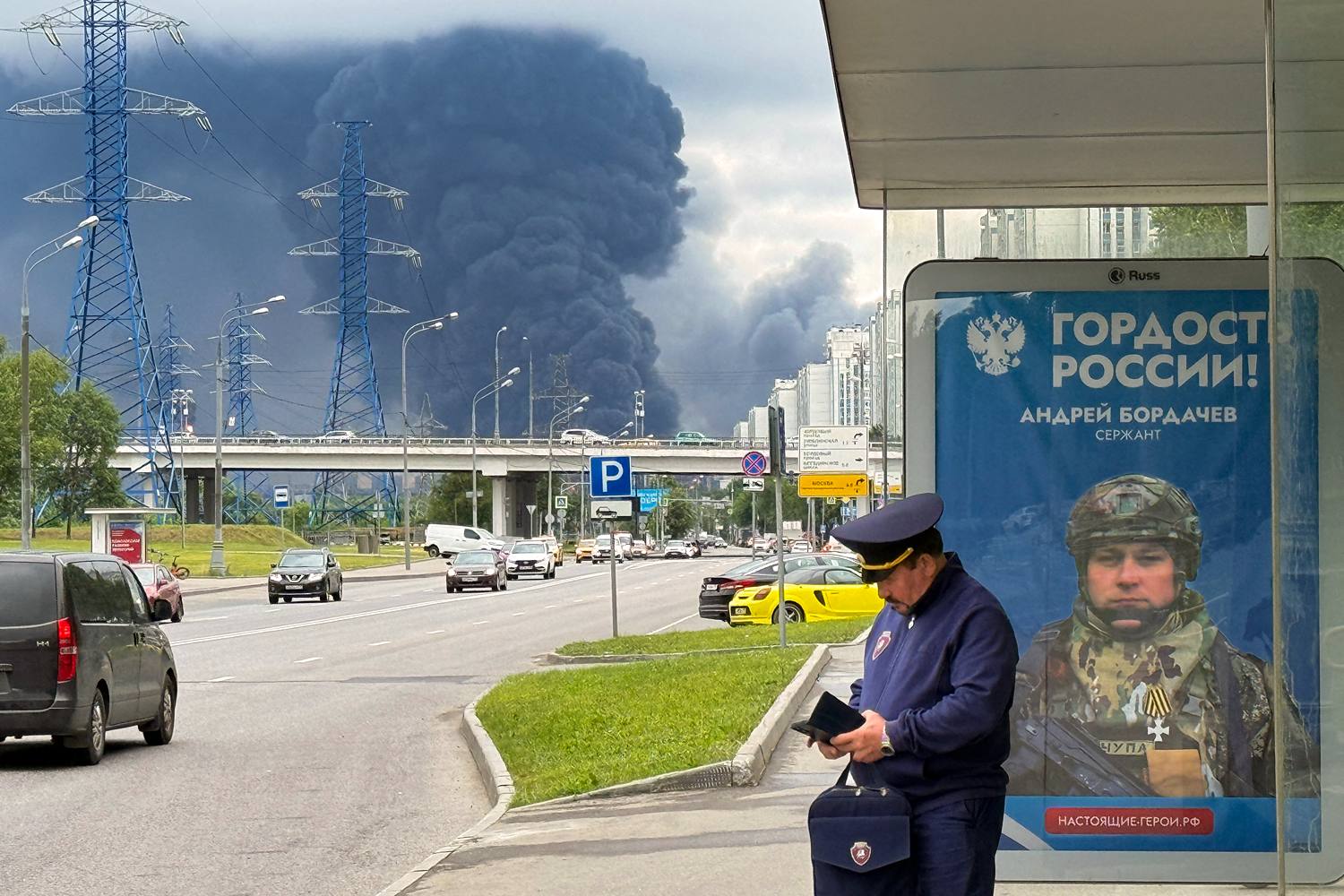
Kyiv has raised the stakes in recent weeks with dozens of attacks on warehouses of Russia’s largest e-commerce company, Wildberries, the country’s equivalent of Amazon. The logic is to aggravate economic problems and bring the war closer to ordinary Russians – although the downside is a risk this could aid the Kremlin’s plans for mobilisation.