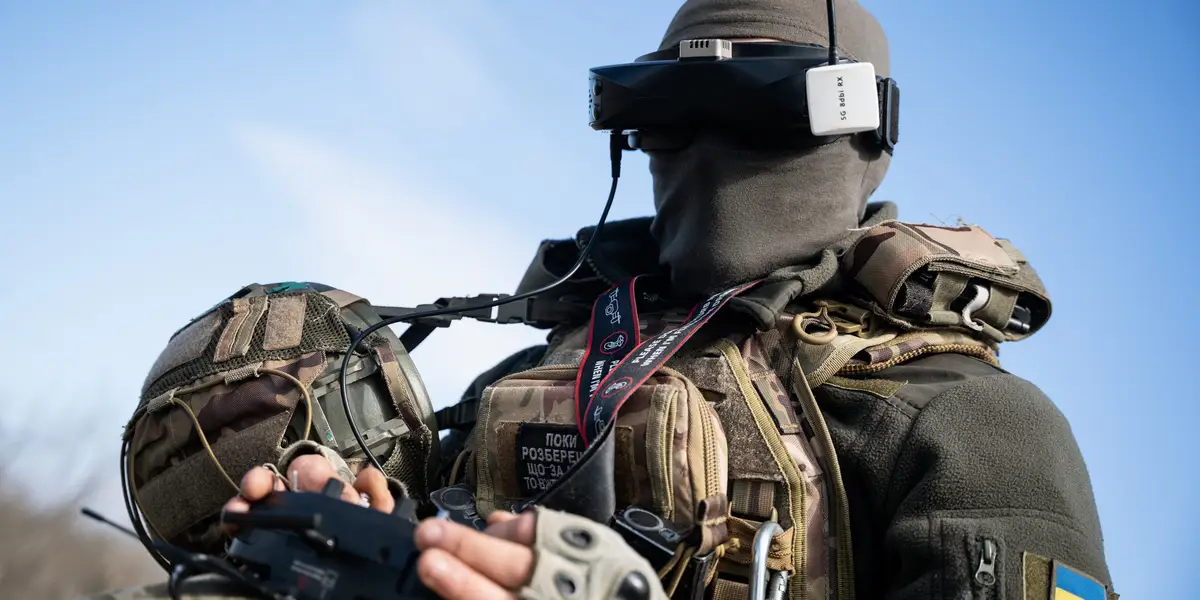
Ukraine appears to have a growing advantage across its more than 700 miles of front line, thanks in part to new drones that have turned once-safe roads far behind the front into a deadly gauntlet for Russian troops.
But despite the optimism the strikes have fueled, analysts caution that these weapons may not be enough to collapse Russia’s battlefield position and regain Ukrainian territory—a product in part of Ukraine’s own weakened state after years of war.
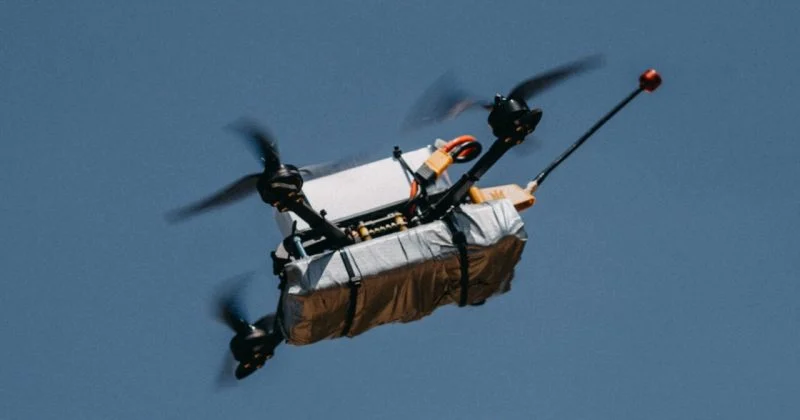
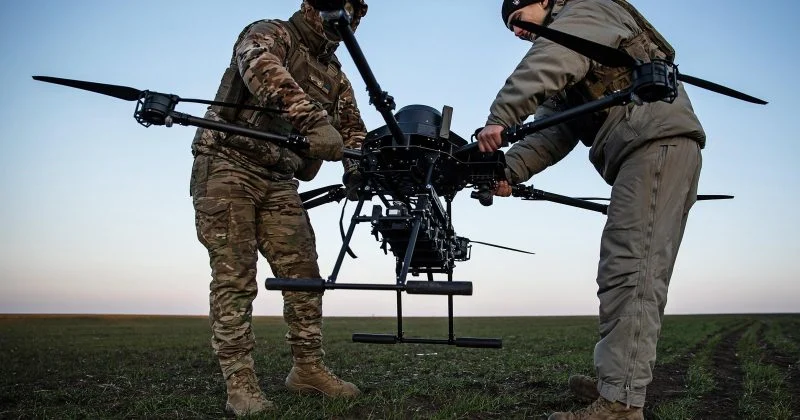
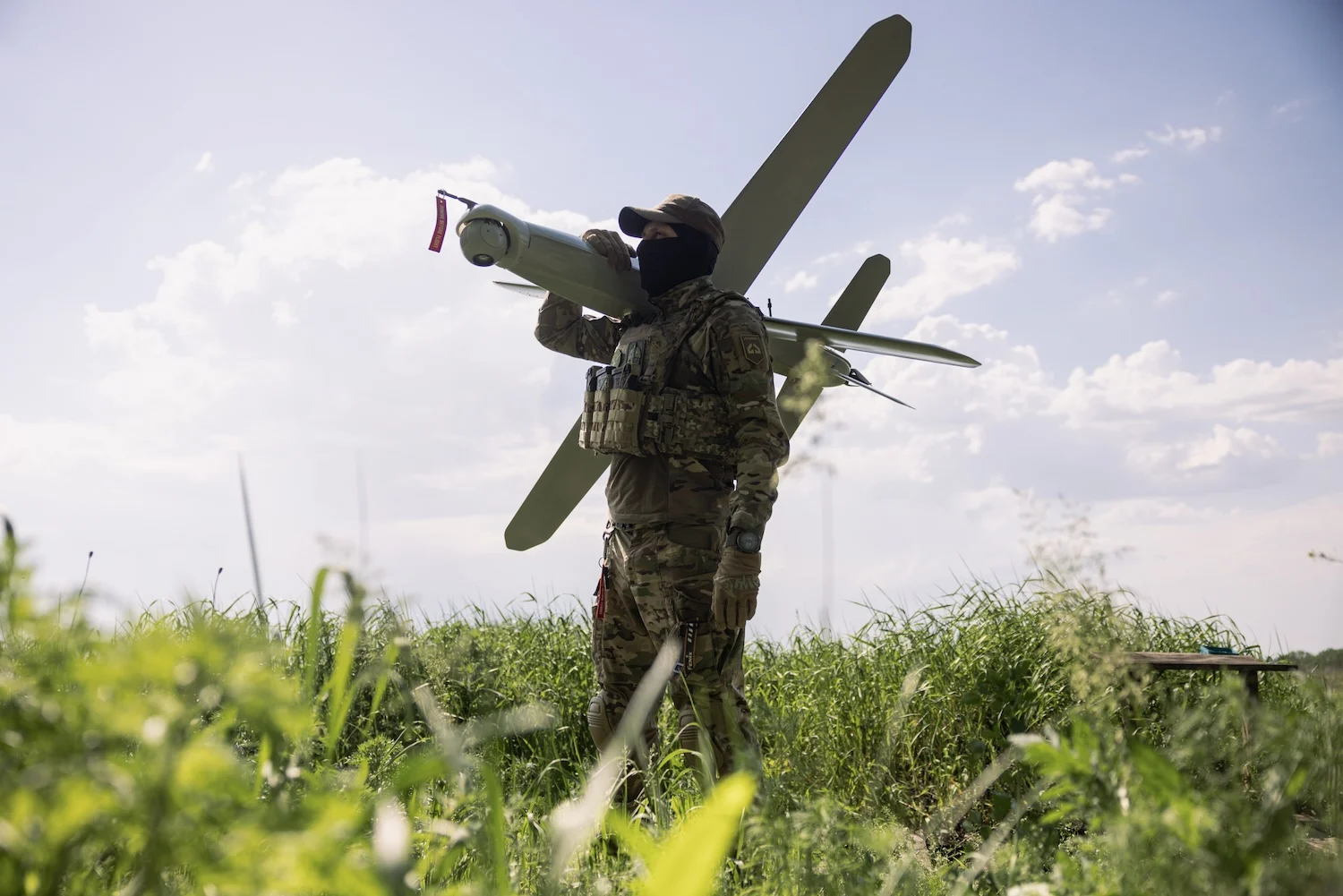
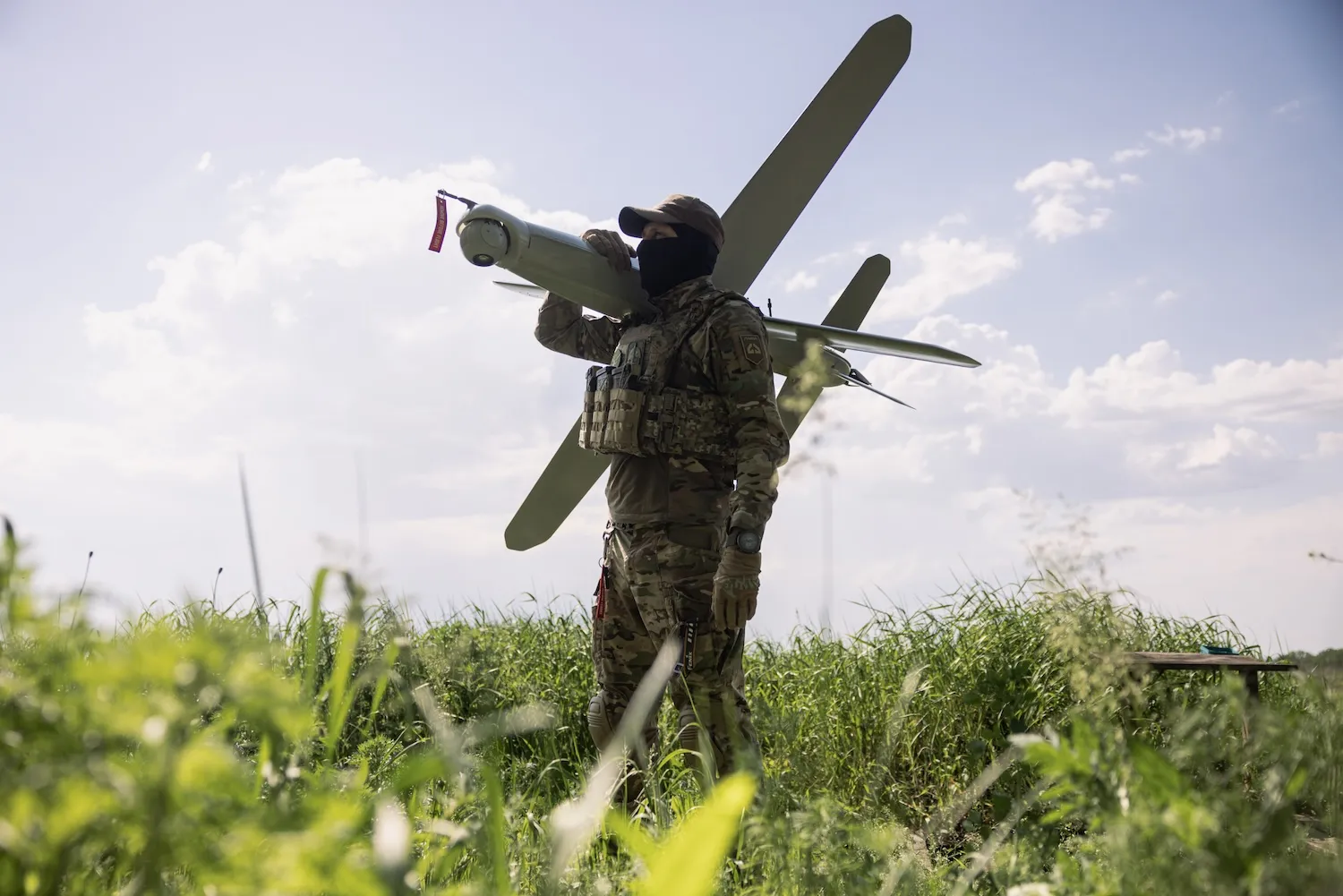
On the battlefield, Ukrainian medium-strike drones are pounding Russian logistics networks that supply troops. Ranging dozens of miles behind Russian lines, drones like the U.S.-developed Hornet can be seen on social media slamming into Russian trucks again and again. Those strikes force Russian logistics units to take more time-consuming precautions that reduce the availability of gas, food, and ammunition to front-line troops.
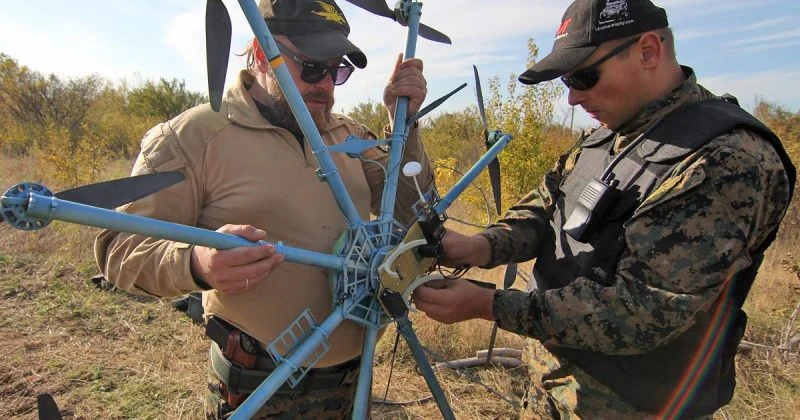
Even with the frequent strikes, some Ukrainian troops report no slackening of Russian assaults. However, a plan to sharply increase mid-range strike drone production to 100,000 units per year, as well as spread their use beyond just elite units, promises to cut deeper into Russia’s combat ability.
“In many ways, [the middle-strike drone] fills a gap that’s left by systems like HIMARS,” said Nick Reynolds, a research fellow for land warfare at Britain’s Royal United Services Institute. The U.S.-made HIMARS, or high-mobility artillery rocket system, helped stem Russian advances in 2022 by striking logistic nodes and command posts.