Academia
The geographical diversification of technological innovation has remained more of a dream than a reality.
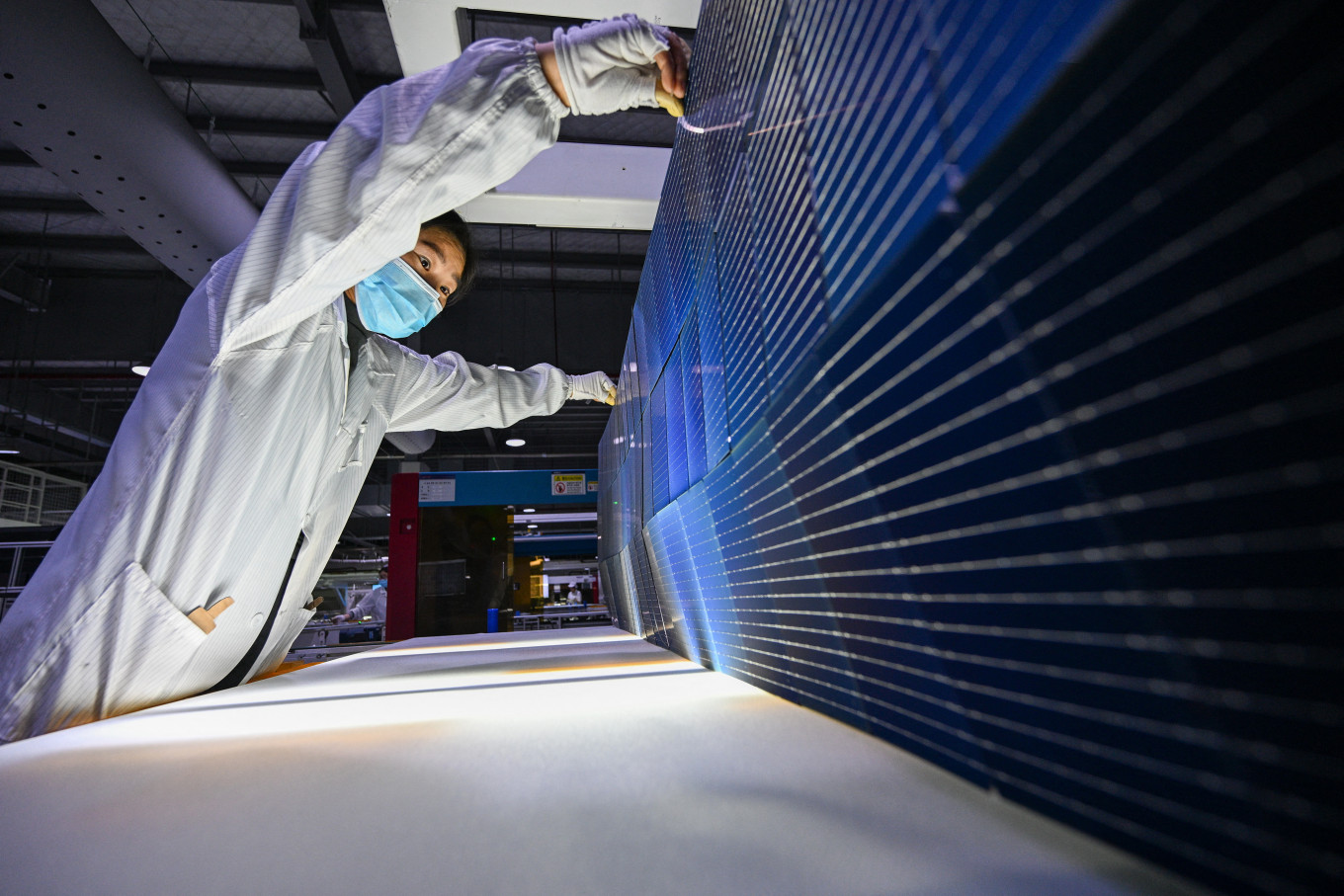
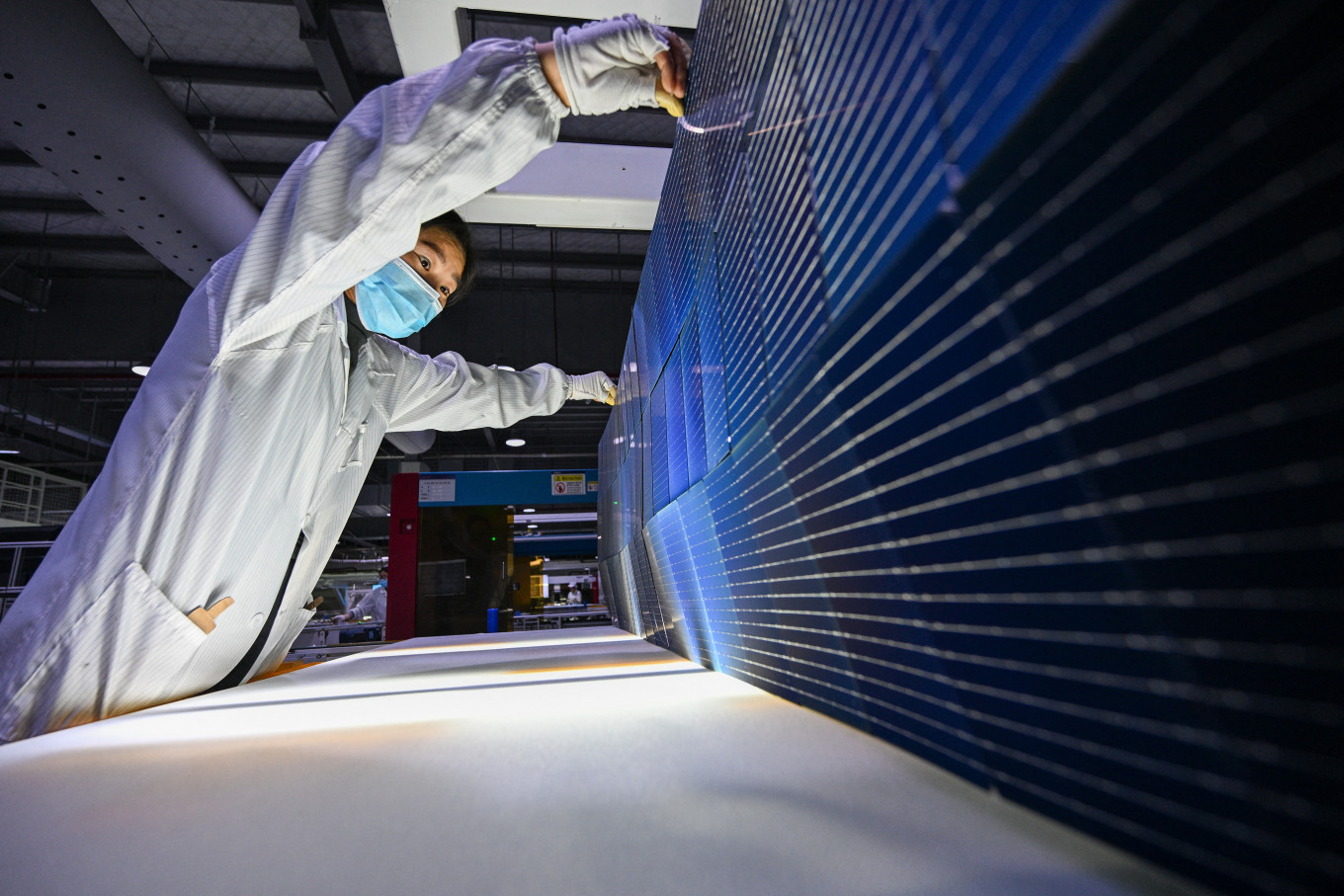
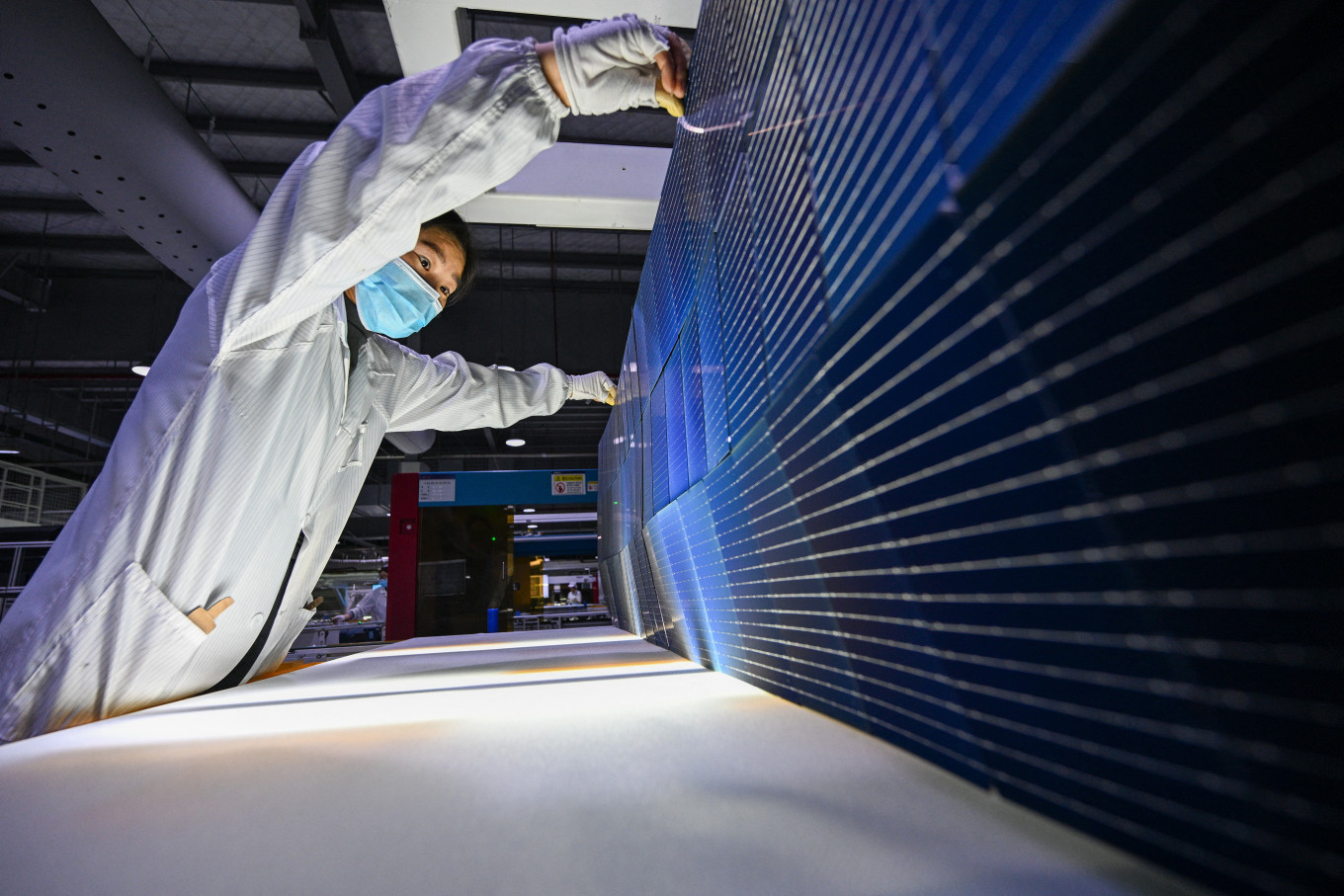
A worker produces photovoltaic (PV) modules for solar panels in a factory in Suqian, east China's Jiangsu province on Jan. 23, 2025 (AFP/-)
Suppose the global economy comprised countries roughly equally equipped with research institutions, technology development labs and industrial production facilities. They might compete fiercely, build rival alliances and vie aggressively for raw materials and natural resources. But one can also imagine a more optimistic scenario. Since each country would understand its own challenges best, it could devise solutions adapted to its own circumstances, building systems and equipment at precisely the scale required. And where competences complement one another, governments could engage in mutually beneficial collaborations, mobilizing scientists, technology and manufacturing toward common goals.
Unfortunately, humankind has tended in the opposite direction. Since the first Industrial Revolution and the emergence of a truly global economy around the turn of the 19th century, goods and technologies have reached the farthest corners of the world, but the ability to design, build, market and extract value from them has remained highly concentrated.