Academia
Most of the world seems to misunderstand why global capital is not financing the developing world’s climate transition.
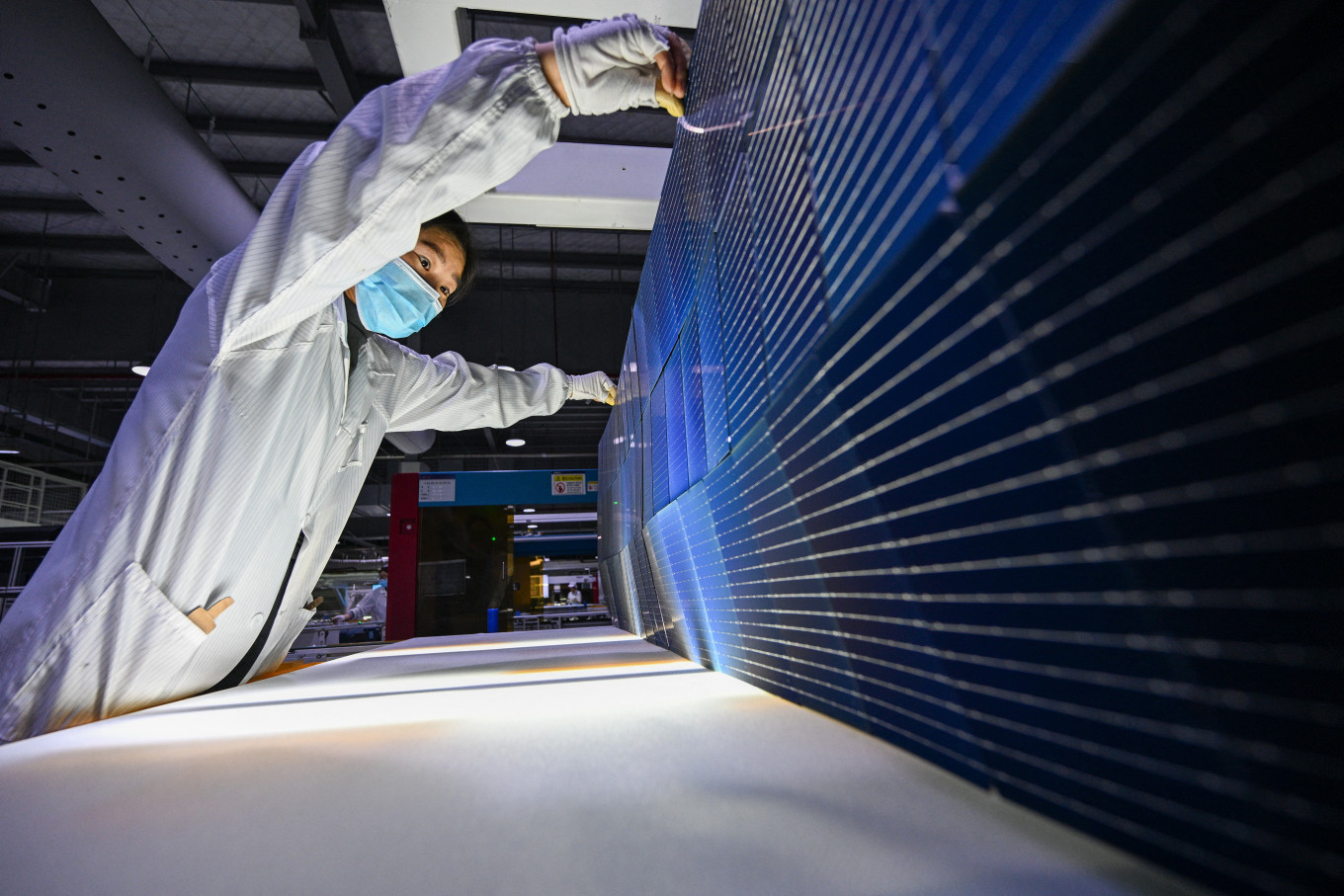
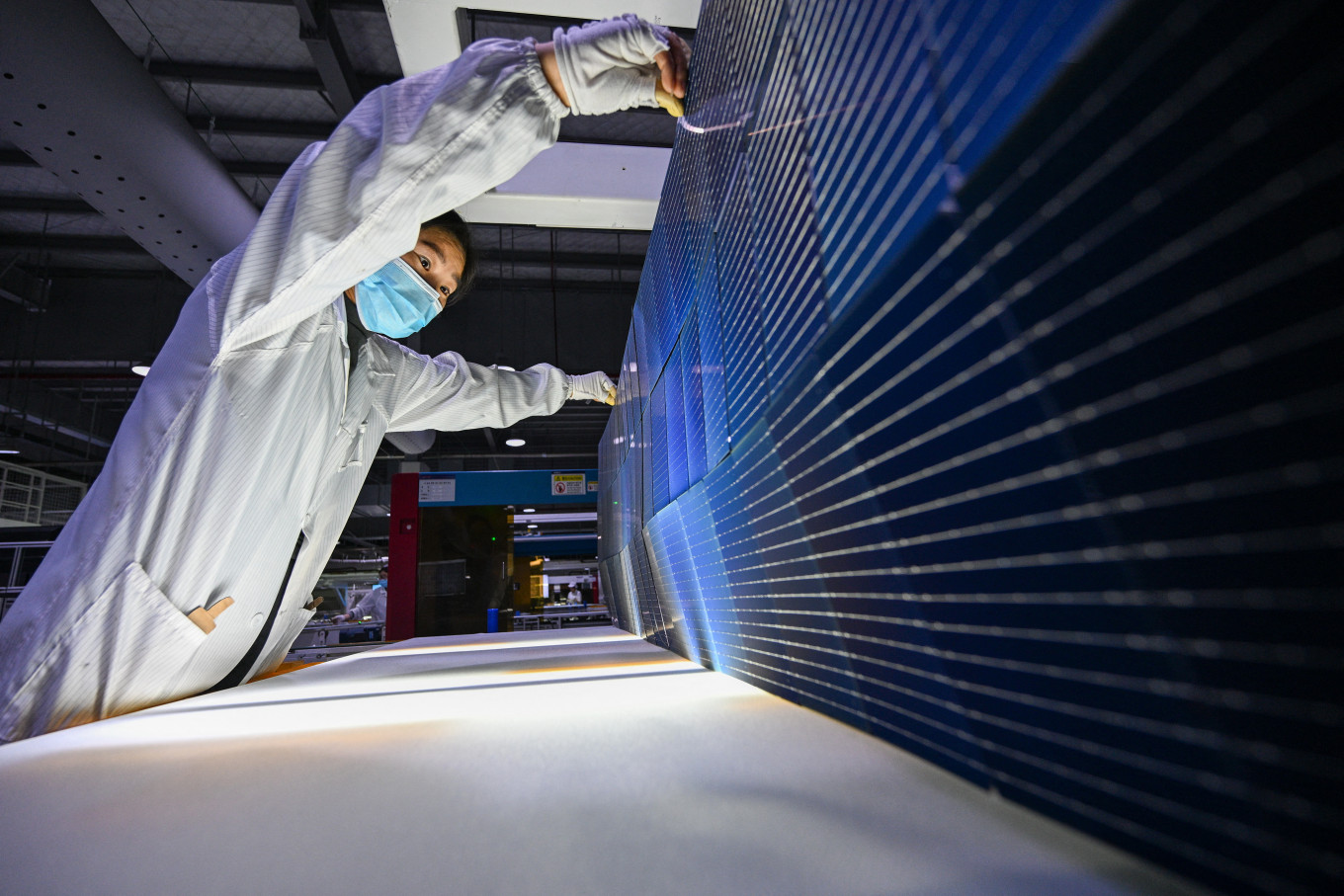
A worker produces photovoltaic (PV) modules for solar panels on Jan. 23, 2025, in a factory in Suqian, Jiangsu province, China. (AFP/-)
The world possesses an enormous stock of long-term savings, and the Global South boasts a robust pipeline of commercially sound climate projects. But the channel connecting them is blocked by what amounts to a currency wall.Standard explanations for global capital’s failure to reach developing-economy climate projects emphasize poor project quality, weak institutions and political risk. But solar parks in India, wind programs in South Africa and electric-bus fleets in Latin America deploy proven technologies through competitive procurement and reward their domestic investors. The real barrier lies in the structure of price formation.
According to the Independent High-Level Expert Group on Climate Finance, emerging-market and developing economies (EMDEs, excluding China) will have to invest some US$2.4 trillion annually in climate action by 2030. Domestic savings cannot meet this target, given the need to finance other priorities, such as housing, factories, highways and data centers. This is as true for India, which saves about 32 percent of gross domestic product, as it is for countries with smaller savings pools, such as Mexico, Nigeria and South Africa. The same expert group estimates that roughly $1 trillion of the annual total must come from external finance.