Academia
For two decades, capital has been abundant and cheap and corporate profits strong; yet investment, productivity and wages have stalled.
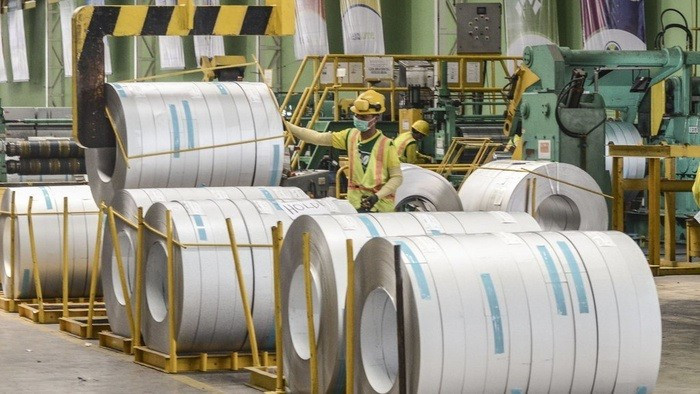
A worker at a steel factory in the Cikarang Industrial Estate in Bekasi, West Java, inspects the quality of the product on Oct. 4, 2019. (Antara/Fakhri Hermansyah)
Throughout the developed world, you hear the same anxious story. From Brussels to Washington, political and business leaders warn that our economies have grown uncompetitive because wages are too high, and regulation too burdensome. Make labor cheaper and deregulate, we are told, and private investment will abound.This diagnosis may sound like common sense to some. But we now have ample evidence and real-world experience to know that it is dead wrong. In a new study for the European Trade Union Confederation, my colleagues and I followed the money to test this hypothesis, analyzing the financial records of Europe’s 300 largest publicly listed non-financial corporations over the last 25 years. Our findings should trouble policymakers both in Europe and beyond. For two decades, capital has been abundant and cheap and corporate profits strong; yet investment, productivity and wages have stalled. The binding constraint on growth has not been the price of labor, but the allocation of capital.