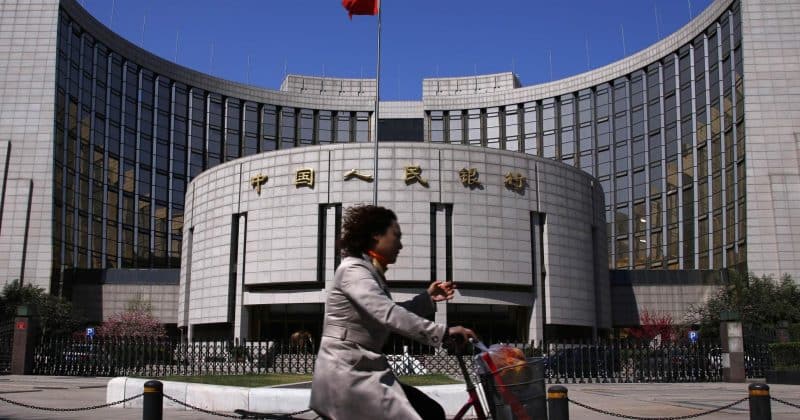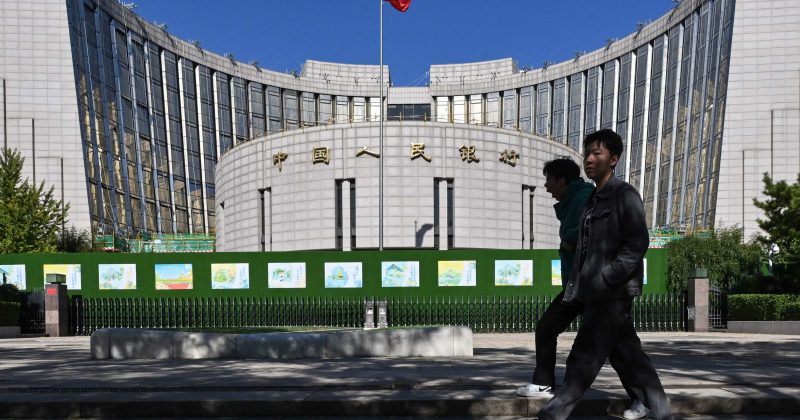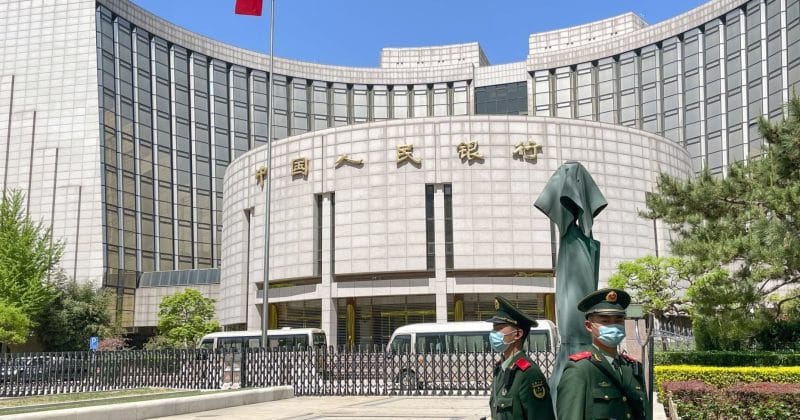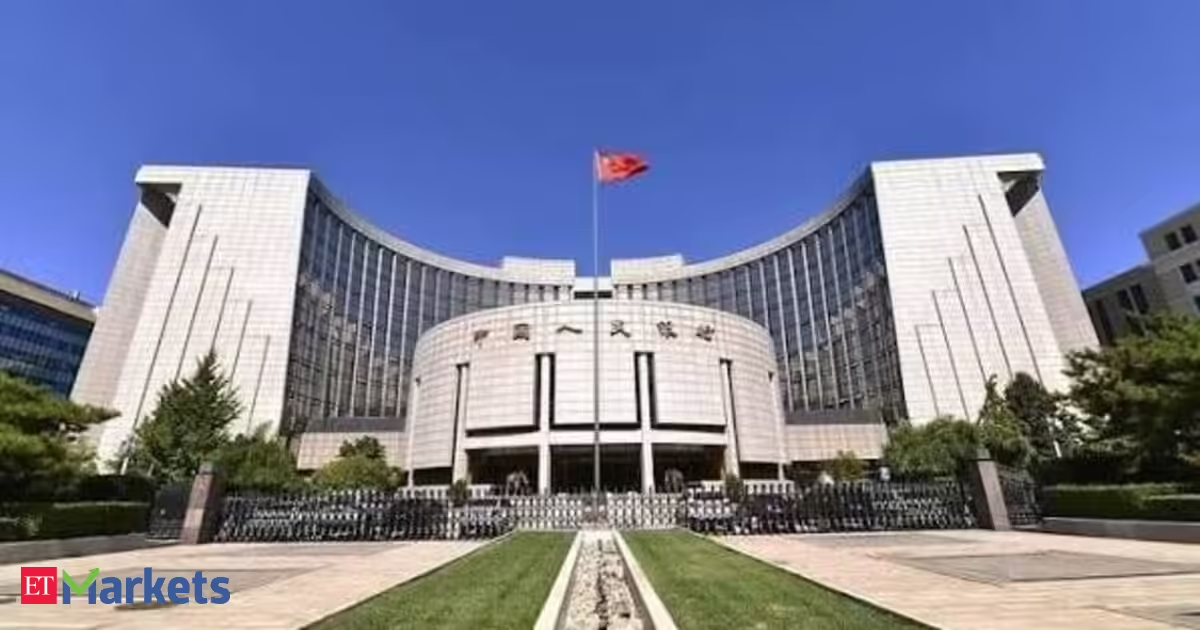
The People’s Bank of China pumped another 18 billion yuan (roughly $2.5 billion) into the financial system through 7-day reverse repos, keeping the rate pinned at 1.40%. It’s a modest injection by PBOC standards, but it fits neatly into a broader pattern of deliberate liquidity management that has defined China’s monetary approach through 2026.
For those unfamiliar with central bank plumbing: a reverse repo is essentially the PBOC lending cash to commercial banks for a short period, using government bonds as collateral.
The 1.40% rate tells the real story
The 7-day reverse repo rate has become China’s de facto primary policy rate, and it has held firm at 1.40% across recent operations.
Between 2022 and 2024, the PBOC conducted similar-sized 18 billion yuan injections, but those came at significantly higher rates averaging around 1.80%. The 40-basis-point decline from that average to the current 1.40% reflects a meaningful shift in the central bank’s stance over the past two years, one designed to keep borrowing costs lower and credit flowing through an economy that has faced persistent headwinds.